


Shoreline Erosion: The Risks Lurking Beneath the Surface
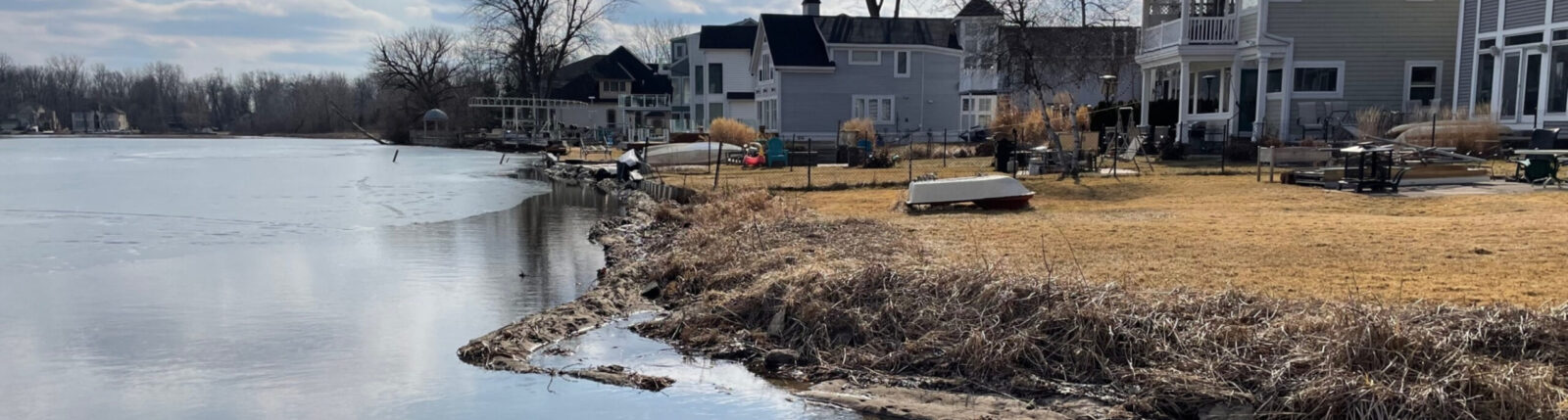
As a property owner or manager juggling many priorities, pond management can easily slip down the “to-do” list, only catching your eye when weeds and algae become impossible to ignore. Meanwhile, early signs of shoreline erosion go unnoticed. In reality, erosion is just as critical, as it can conceal long-term costs that pose far greater risks to your property, budget, and reputation.
What Erosion Looks Like
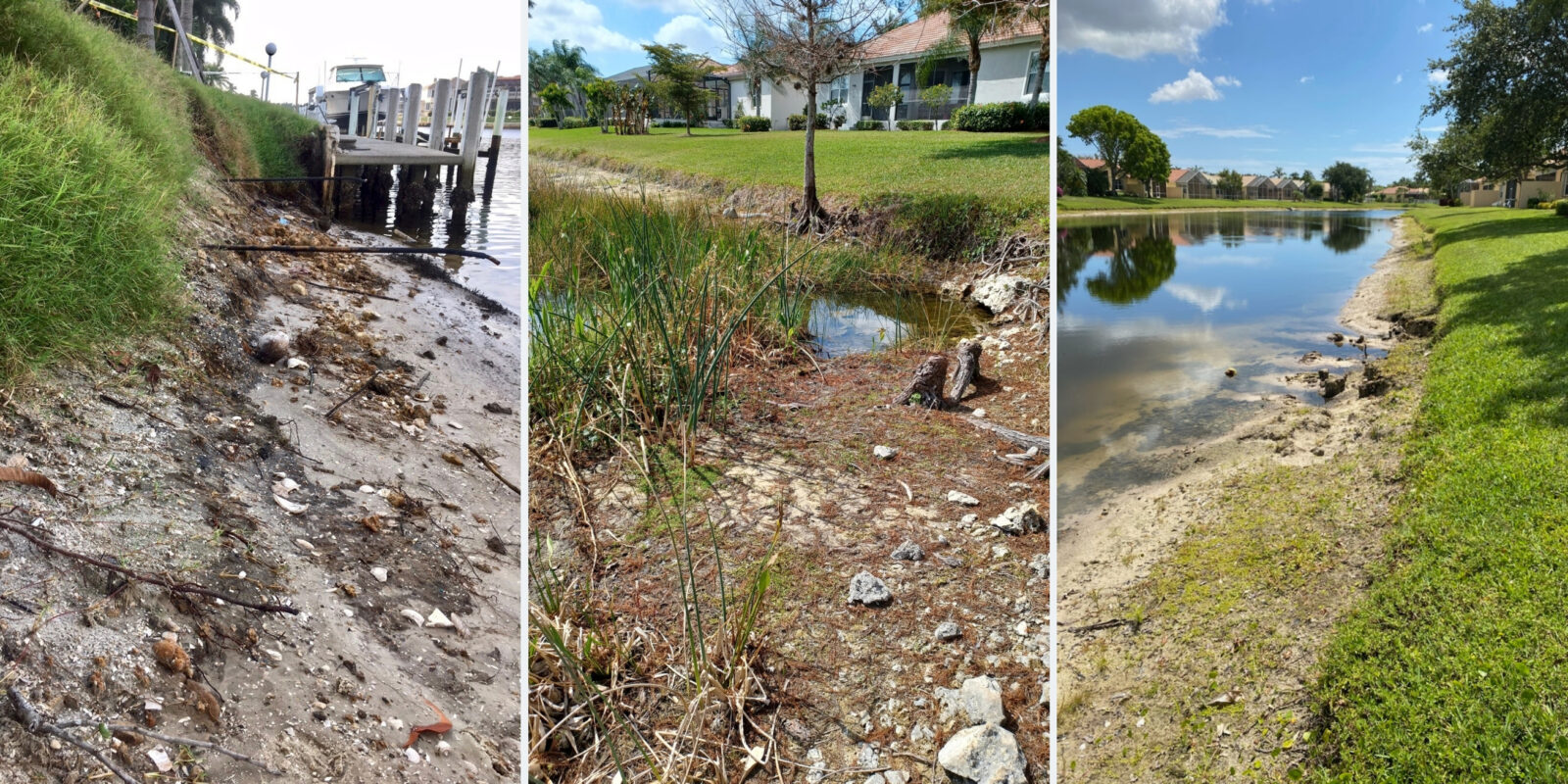
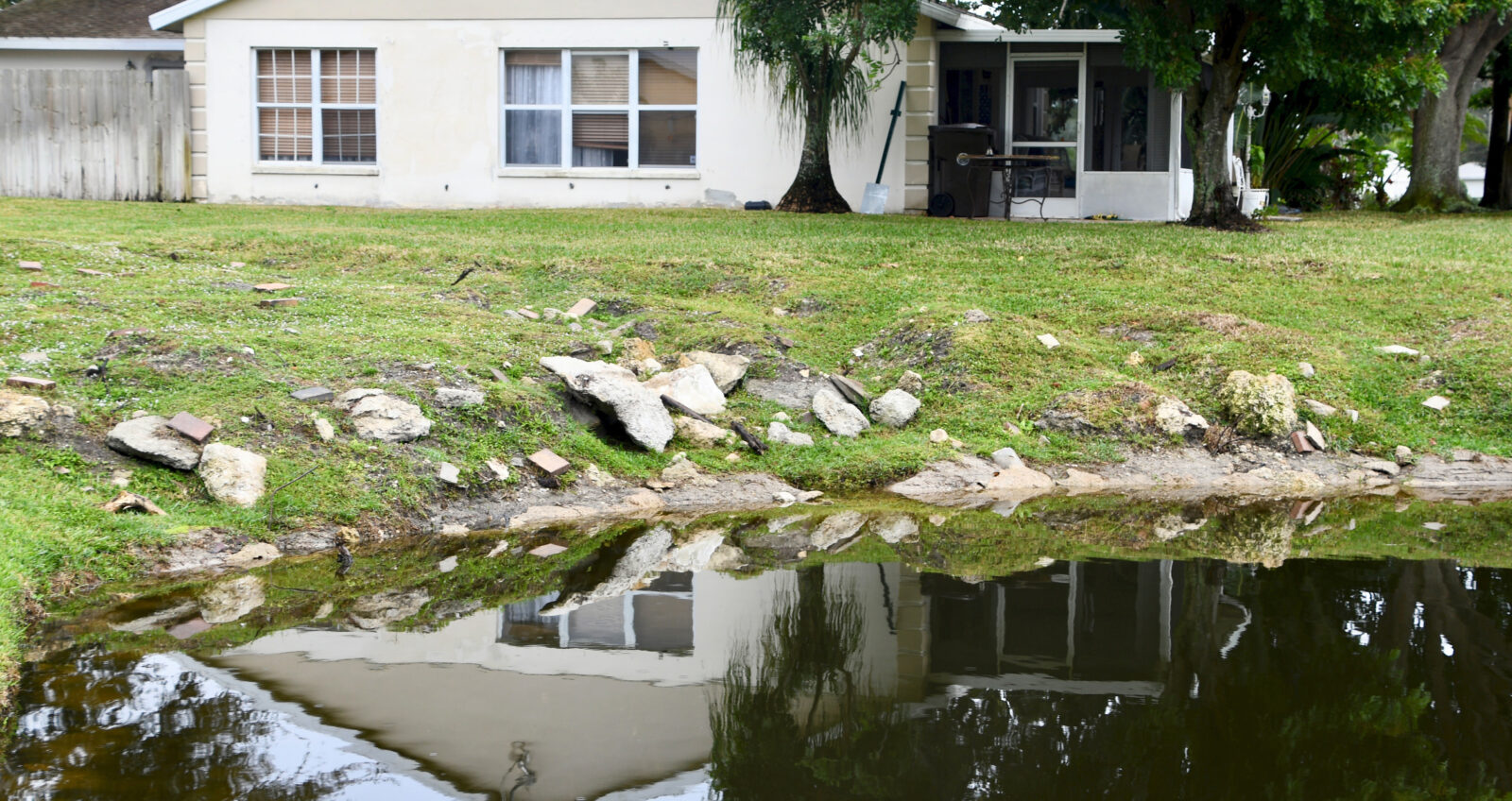
Erosion can be subtle at first. While steep drop-offs and deep ruts are obvious, recognizing these early warning signs can help you address problems before they escalate:
- Small patches of bare soil
- Visible pipes and tree roots
- Irregular pond contours or peninsulas
- Turbid (cloudy water)
- Bottom muck
- Loss of depth and volume
What Causes Erosion
Erosion occurs naturally due to heavy rain, droughts, and harsh winters. Likewise, many waterbodies are man-made to capture stormwater during storms. While water is diverted into the pond by design, this process accelerates the natural deterioration of the shoreline soils, particularly if best practices are not being followed to preserve the integrity of the shoreline.
In most cases, human influence is the primary driver:
- Mowing too close to the water’s edge
- Removal of native shoreline plants in favor of “picturesque” grass
- Excessive foot traffic around the perimeter
- Increased wave action from boats and water activities
- Accidental introduction of invasive burrowing animals like armored catfish
The Hidden Costs Of Overlooking Shoreline Erosion
Sediment deterioration is much more than an aesthetic issue. Crumbling, unstable shorelines could result in numerous safety and financial challenges:
Legal And Safety Risks
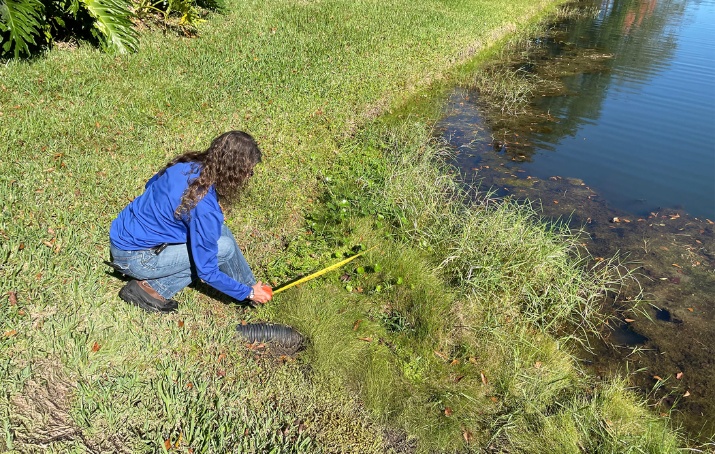
- Falls and injuries that could result in liability or lawsuits
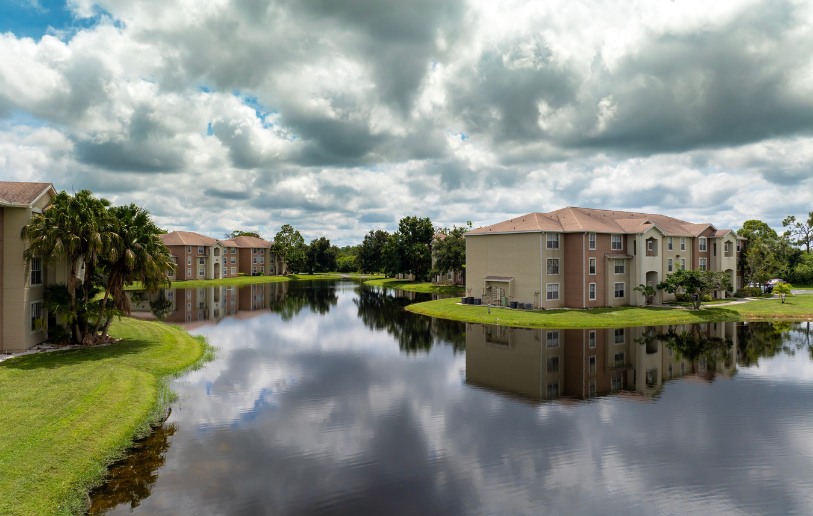
- Flooding that damages parking lots, foundations, or other infrastructure
- Regulatory penalties
Reduced Home Values
- Loss of usable square footage around the water – A study by the U.S. Geological Survey suggests these losses could be as high as $10,000 per linear foot of property(1). The findings are supported by a study led by Dr. David Wyman of Clemson University, which found that a sustained drop in water level can diminish waterfront property values by 14-32%(2).
- Complaints from unhappy residents or members
- Less desirable community
Water Quality Restoration Costs
- Increased nuisance weeds and algae growth
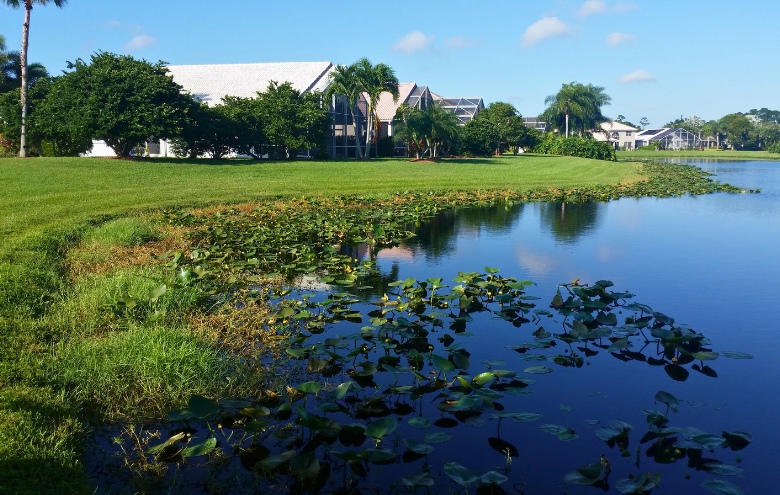
- Toxic cyanobacteria (blue-green algae) – According to a detailed, multi-lake hedonic analysis, homes adjacent to lakes with frequent cyanobacteria blooms sell for 22% less than those on clear lakes(3). Nearby homes can also suffer, with values dropping by 11-17%.
- Stagnant, murky water – A study by the Mississippi Headwaters Board and Bemidji State University found that a 3-foot decrease in water clarity resulted in a loss of nearly $700 per foot of shoreline frontage(4).
Muck Removal
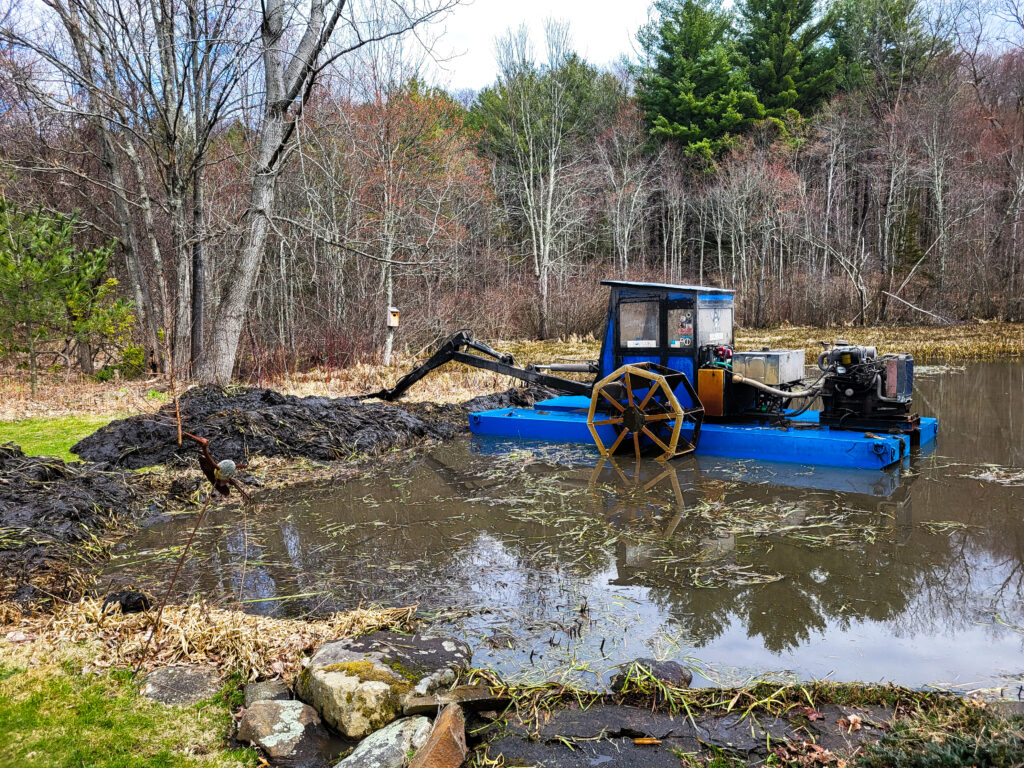
When shoreline erosion becomes too advanced, “quick fixes” are off the table; what could have been a simple early repair becomes a full-scale rebuild. While it may be tempting to put off such a significant investment, delaying action may only compound the damage and eventual cost on repairs.
The Escalation Point: From Repair to Dredging
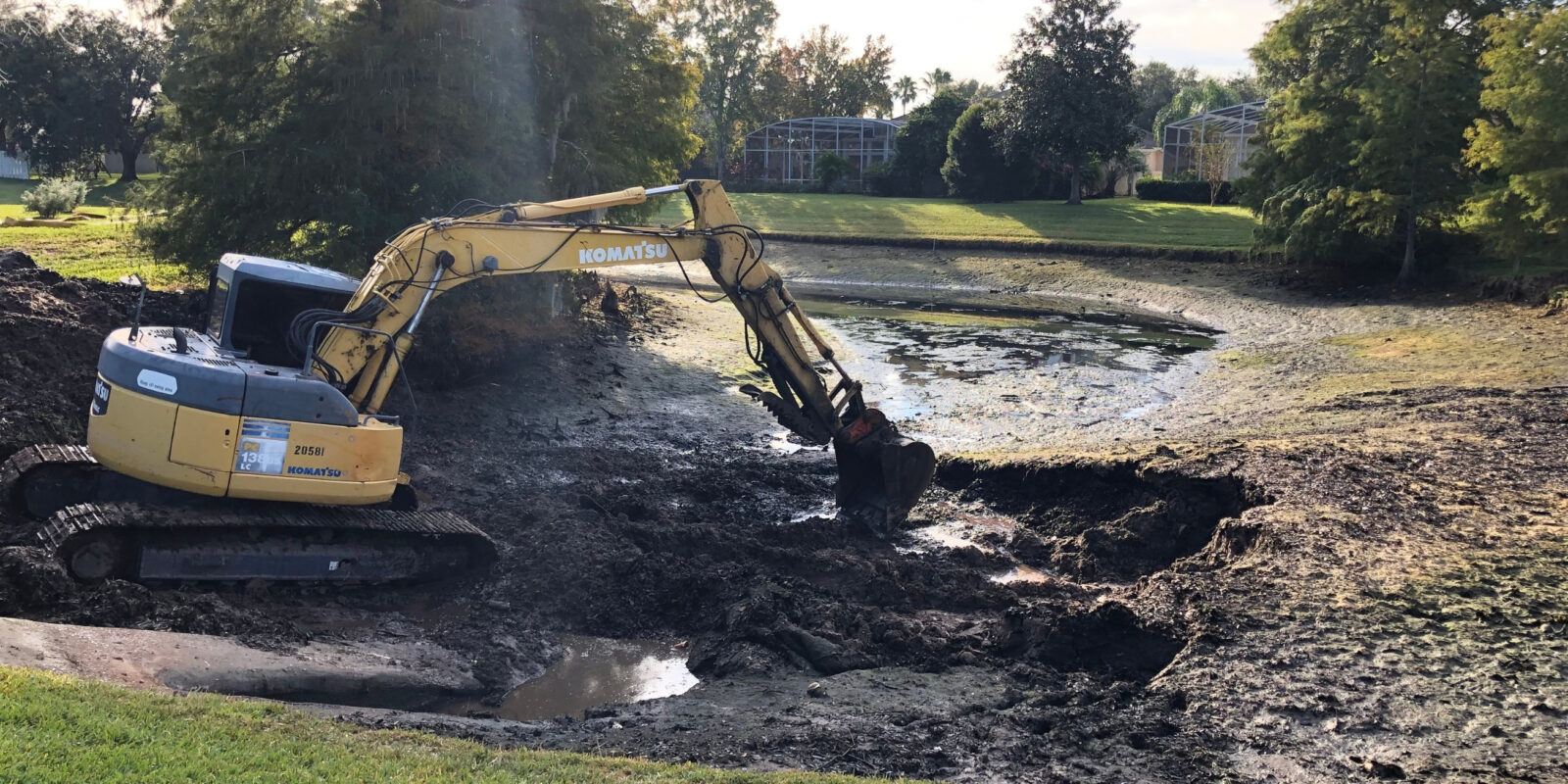
If erosion is ignored long enough, property owners face an even bigger challenge—dredging. This is the last resort to restore a stormwater pond’s original depth and volume, so it can function as designed. The process typically requires draining the pond and removing thousands of pounds of accumulated muck.
Dredging is one of the most costly and disruptive services a property owner, HOA, or golf course may ever encounter. Could your budget handle an expense of that magnitude on such short notice?
Shoreline Repair Solutions
Today, decision makers can choose from many shoreline restoration options. However, bioengineering is often considered the most effective, dynamic, and aesthetically pleasing solution.
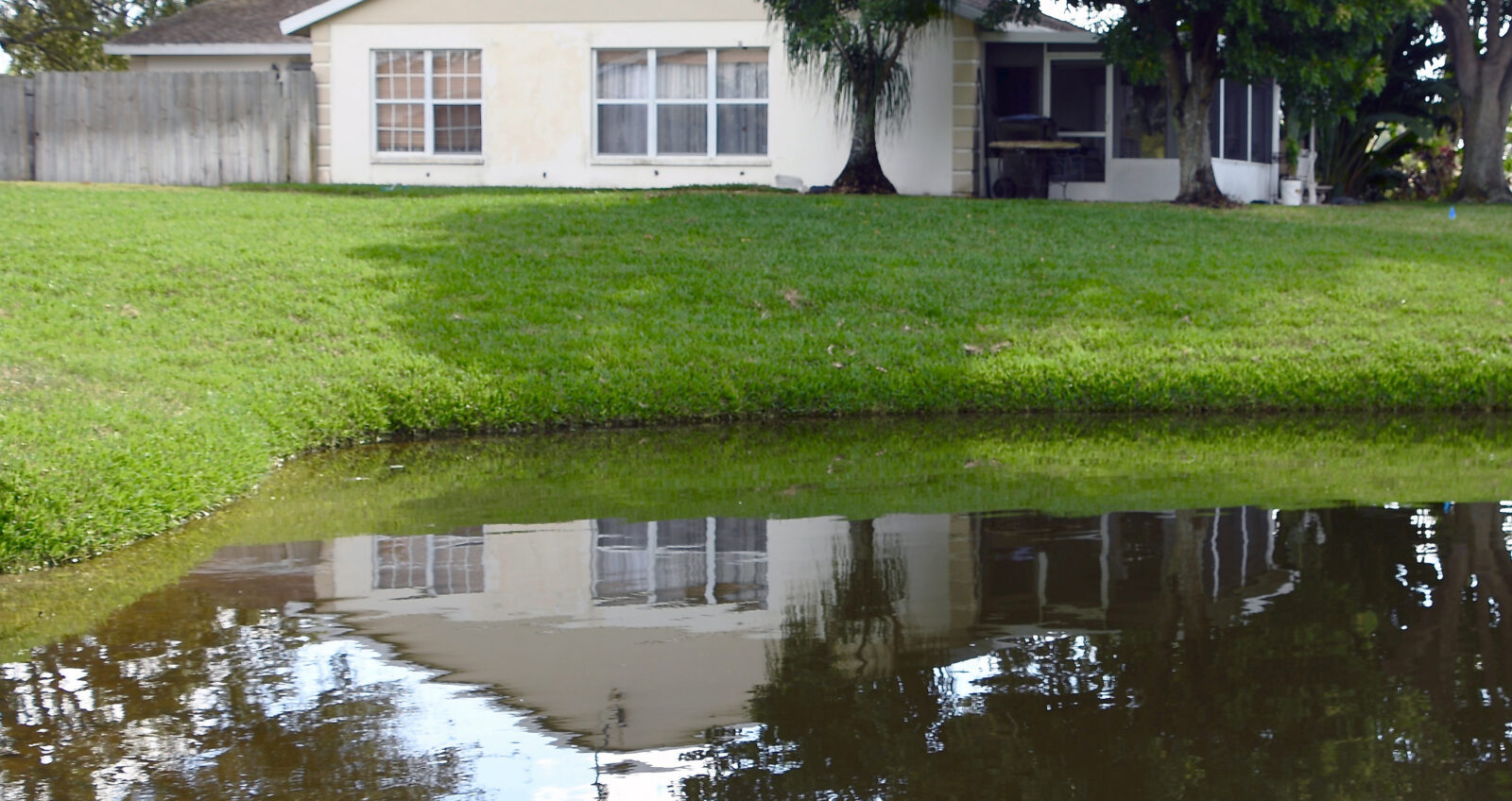
Bioengineered living shorelines are built by filling a flexible geotextile material with organic material, shaping it to the desired slope, and securely anchoring the system to the shoreline. In some cases, several feet of lost earth can be rebuilt, helping restore square footage—and value—to waterfront properties.
Depending on your unique situation, other solutions may be more appropriate. Consulting with an Aquatic Expert can help ensure you make the right selection for your property.
- Riprap: Large rocks strategically placed along the shoreline to absorb and deflect wave energy.
- Bulkheads: Solid vertical walls used in areas with strong waves or limited shoreline space.
- Erosion control logs: Long, natural-fiber tubes, also known as coir logs, that stabilize soil while encouraging native grasses and vegetation to grow.
- Silt fences: Temporary fabric barriers designed to capture sediment and organic materials.
SEE THE DIFFERENCE
Planning Ahead to Delay Dredging and Control Costs
No waterbody is completely immune to erosion, so every lake or pond will need to be dredged at some point. However, proactive management and early intervention can significantly extend the time before it becomes necessary.
By planning well in advance, Aquatic Experts can help stakeholders develop a practical budgeting strategy and navigate the regulations and permitting often required for stormwater ponds. Experts can also design a proactive management program to slow erosion, maintain shoreline stability, and promote healthy, clean water.
Cultivate Vegetative Buffers
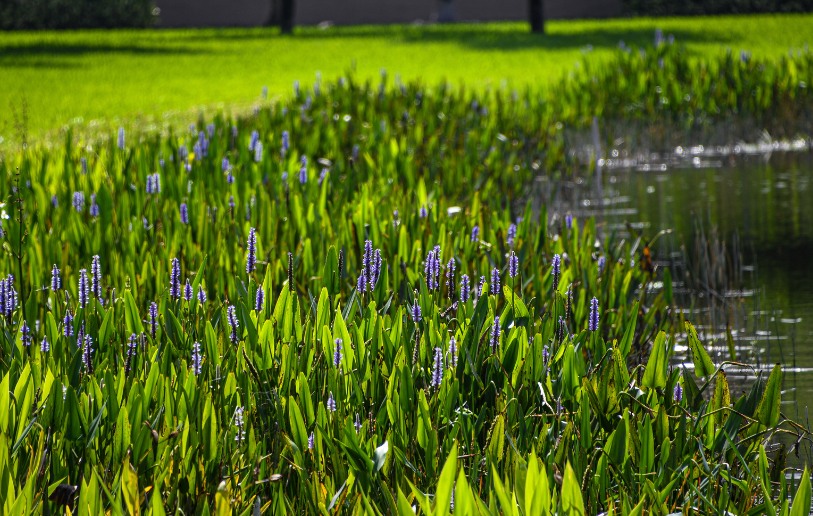
Planting native vegetation 3-5 feet around the perimeter helps hold soil in place, deters nuisance wildlife, and prevents people from directly accessing vulnerable shoreline areas. Experts have the knowledge to select native plants that blend seamlessly with landscaping.
Maintain Healthy Water
Balanced water conditions are less hospitable to weeds and algae, which contribute to muck as they grow, die, and decompose. Solutions may include nutrient remediation products like lanthanum-modified clay, which binds with and “deactivates” excess nutrients, helping to reduce weed and algae growth.
Utilize TryMarine To Reset The Ecosystem
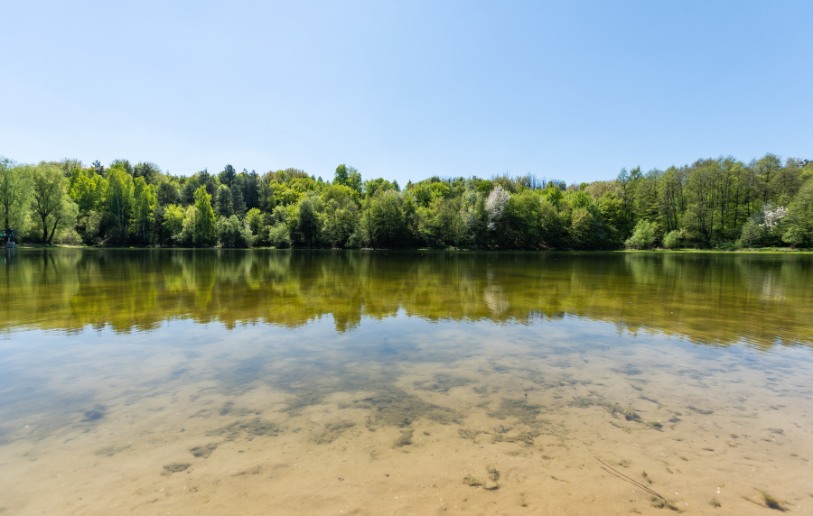
TryMarine helps improve water quality and enhance biodiversity by breaking down nutrient-rich muck and increasing oxygen in bottom sediments. Improvements in sediment composition and nutrient levels are typically seen in 2–6 months. Surface scum, bubbling, and cloudy water are early signs that TryMarine is working. This solution can help reduce pond nutrients by 50% or more.
Introduce Aeration Systems
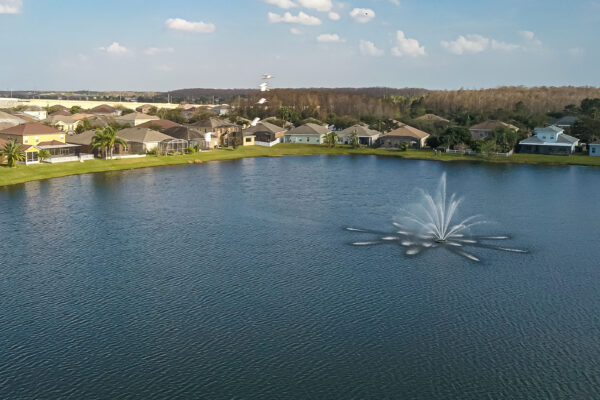
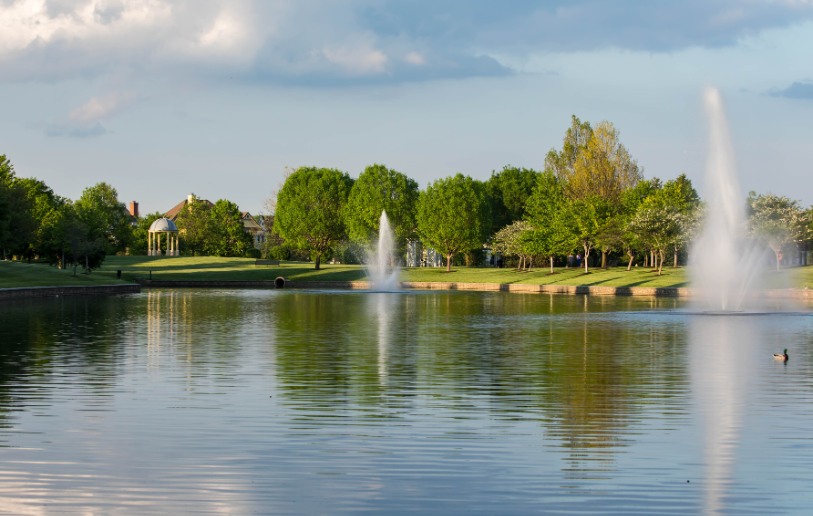
Floating fountains, surface aerators, or submersed aerators help create a more oxygen-rich environment that’s less hospitable to nuisance algae and weeds. Fountains also add beauty and elegance to stormwater ponds and small waterbodies.

Designate Access Points
Providing docks, gazebos, benches, and walking paths allows recreational use of your pond while protecting sensitive shoreline areas from trampling.
Plan Ongoing Inspections
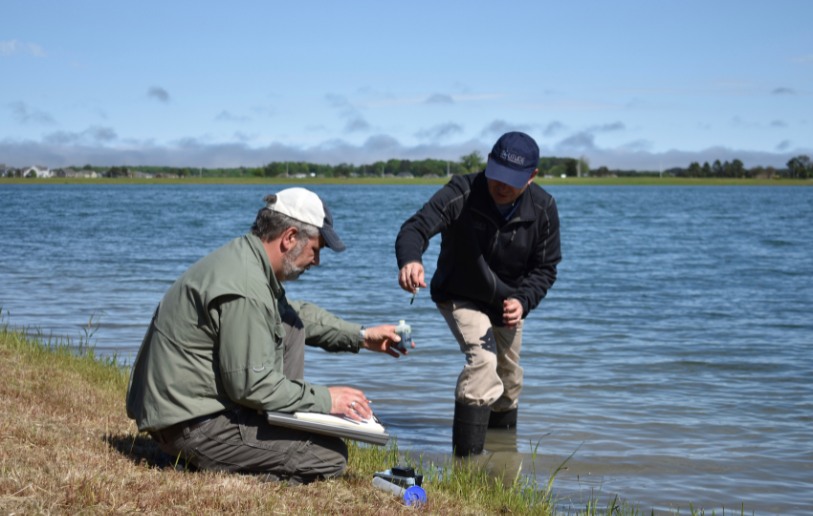
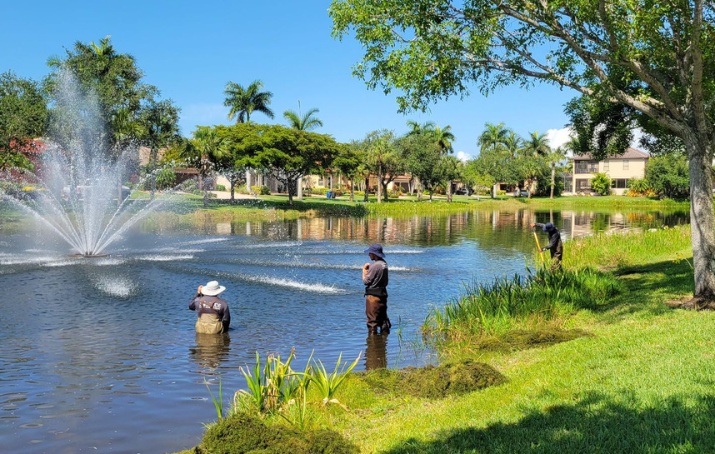
Professionals monitor shoreline conditions throughout the seasons, noting changes or potential areas of concern. Inspections also include water quality testing to detect issues early, before they become major problems.
Why Shoreline Health Is an Investment, Not an Expense
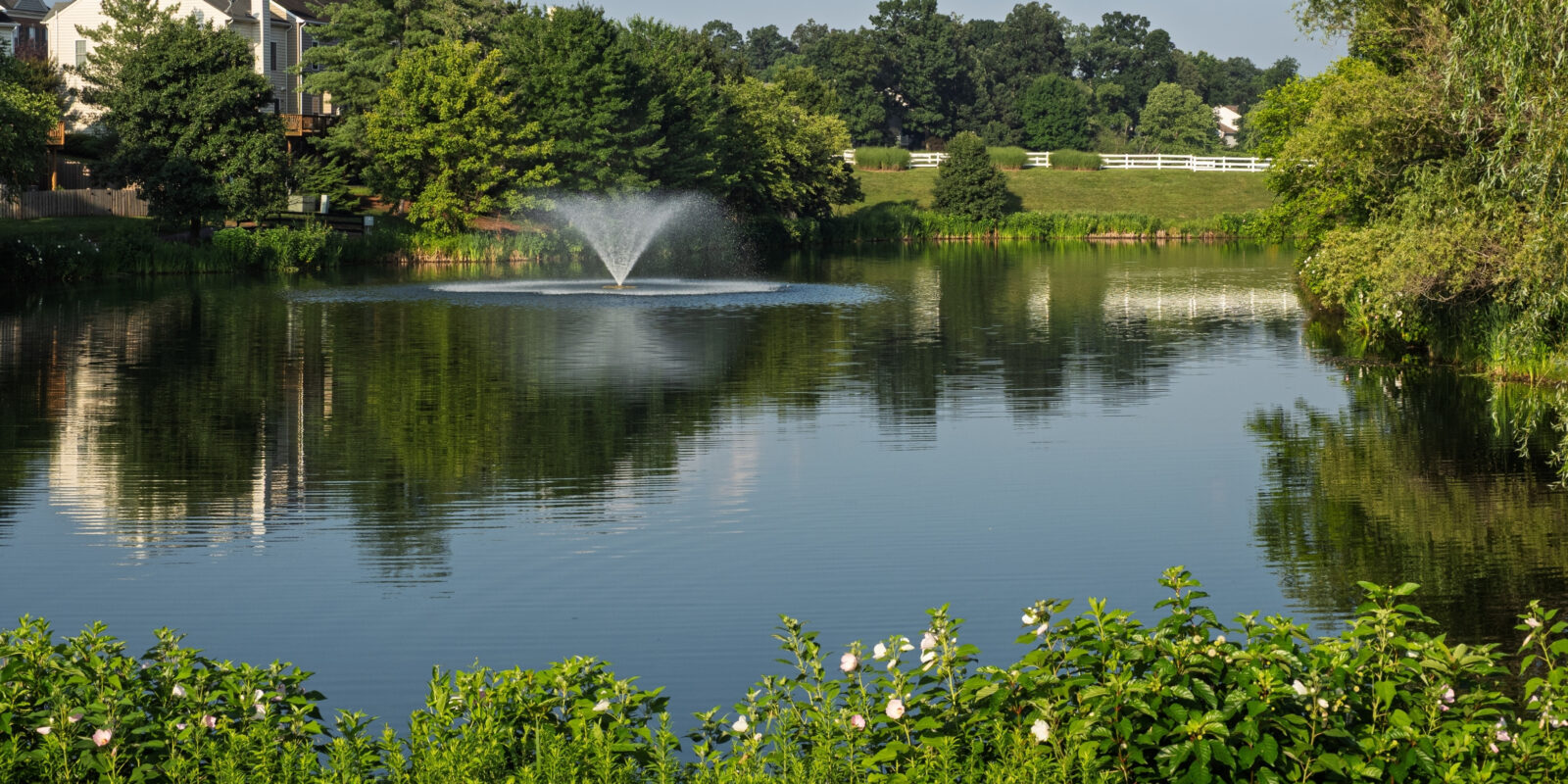
Just as an eroded shoreline can take a great financial toll on your property, a healthy, well-maintained shoreline may add substantial value by enhancing aesthetics, attracting residents or members, and creating a more desirable community or business. In fact, a study by the University of Michigan analyzing ~674,000 home sales near 1,632 lakes in 43 states found that for every 4 inches of improved water clarity, lakefront home values increased by $3,681(5). Whether your shoreline is showing early signs of wear or experiencing advanced deterioration, now is the time to take action.
SOURCES
(1) Coastal Erosion of Southern Lake Michigan | U.S. Geological Survey
(2) Hartwell Lake Study | Dr. David Wyman, Clemson University
(3) Bloom and bust: Toxic algae’s impact on nearby property values | Ecological Economics
(4) Lakeshore Property Values and Water Quality | Mississippi Headwaters Board, Bemidji State University
(5) Valuing water quality in the United States | Proceedings of the National Academy of Sciences
Shoreline Erosion: How to Repair AND Prevent It!
SOLitude Lake Management is a nationwide environmental firm committed to providing sustainable solutions that improve water quality, enhance beauty and preserve natural resources.
SOLitude’s team of aquatic scientists specializes in the development and execution of customized lake, stormwater pond, wetland and fisheries management programs. Services include water quality testing and restoration, algae and aquatic weed control, installation and maintenance of fountains and aeration systems, shoreline erosion control, muck and sediment removal and invasive species management. SOLitude partners with homeowners associations, golf courses, private landowners, businesses and municipalities. SOLitude Lake Management is part of Rentokil, a leading business services company, operating across the United States, Canada and Puerto Rico.
For more information, visit SOLitude Lake Management at solitudelakemanagement.com, and connect on Facebook, LinkedIn, and YouTube.