




Issues like pond algal blooms, aquatic weeds, foul odors, and poor water clarity are rarely the root problem in a lake or pond. These are symptoms of underlying imbalances. Water quality monitoring, laboratory testing, and targeted restoration form the backbone of any successful, long-term lake or stormwater pond management program.
Rather than relying on temporary, reactive chemical treatments, SOLitude’s certified aquatic biologists evaluate the exact chemical and biological demands of your waterbody. By establishing a precise baseline of water quality data, we develop customized lake or pond management plans that target and correct those imbalances, making your waterbody less hospitable to nuisance growth.
Comprehensive Water Quality Testing & Diagnostics

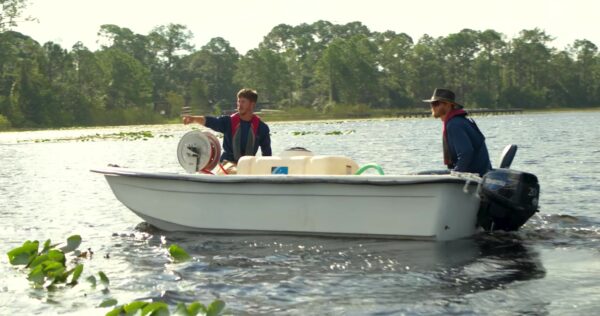
Every lake and pond has a unique chemical fingerprint shaped by stormwater runoff, sediment accumulation, and seasonal weather shifts. Our field biologists collect water samples from multiple depths and take real-time, on-site measurements to evaluate the core factors driving your waterbody’s health:
Nutrient Loading (Phosphorus & Nitrogen): Excess phosphorus and nitrogen act as fuel for aquatic weed growth and algal blooms. Identifying nitrogen levels and both free reactive phosphorus in the water column and legacy phosphorus bound in bottom sediments allows us to target nutrient pollution at its source.
Dissolved Oxygen (DO) & Temperature Profiles: Stratification during warmer months often depletes dissolved oxygen in deeper waters, stressing fish populations and triggering foul-smelling anaerobic muck decomposition.
pH, Alkalinity & Hardness: Alkalinity and hardness act as your waterbody’s natural stabilizing system. Proper balance prevents sudden pH swings that harm fish and wildlife, while ensuring any water quality treatments perform safely and predictably.
Oxygen Demand (COD/BOD): Measuring oxygen demand reveals how much organic matter is actively decomposing in your pond, allowing us to forecast future muck buildup and prevent sudden oxygen crashes before they occur.
Bacteria & Pathogen Screening: For recreational lakes, community beaches, or municipal stormwater compliance, certified laboratory testing screens for E. coli and coliform bacteria to help safeguard public health.
Water Quality Restoration Strategies

Once water quality tests identify where imbalances exist, SOLitude’s experts build a management plan to restore balance.
Nutrient Remediation: Targeted applications of alum (aluminum sulfate) and advanced phosphorus-locking technologies permanently bind excess nutrients, stripping algae and weeds of their primary food source and rapidly improving water clarity.
Biological Augmentation: Introducing beneficial bacteria and enzymes enhances the waterbody’s natural capacity to break down organic muck and excess nutrients.
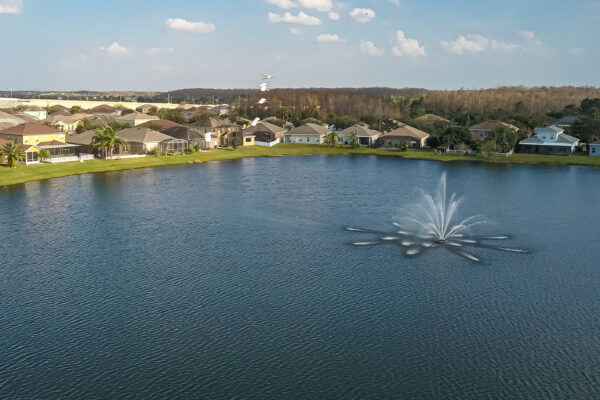
Aeration: Bottom-diffused aeration helps circulate stagnant water columns, prevents thermal stratification, and raises dissolved oxygen levels to help accelerate natural aerobic sediment digestion.
Proactive Watershed & Buffer Management: Establishing native buffer zones along the water’s edge and addressing shoreline erosion helps reduce nutrient-rich stormwater runoff and soil from entering your lake or pond.
These solutions can be a part of your annual management program, helping you maintain balanced water quality year-round.
Deep Dive: Nutrient Remediation Solutions for Lakes & Ponds
Are Water Quality Restoration Programs Different by Waterbody Type?
No two waterbodies face the exact same environmental pressures, which is why your water quality strategy should match how your property uses and relies on the water:
Community Stormwater Ponds: Engineered to capture neighborhood runoff, sediment, and pollutants, these basins require proactive nutrient and sediment control to prevent flooding and maintain local compliance.
Municipal & Recreational Lakes: High public use demands balanced dissolved oxygen, safe bacteria levels, and thriving fish habitats to support boating, fishing, and swimming.
Golf Course Ponds: Frequent irrigation use and turf fertilizer runoff create heavy nutrient loads that require targeted nutrient management and balanced oxygen levels.
Private Residential Ponds: Because smaller, closed ecosystems react quickly to seasonal temperature shifts and organic buildup, routine water quality testing helps catch chemical imbalances early, reducing algal blooms and protecting your property’s aesthetics.
Reviewing your property’s specific goals and daily water use with an aquatic specialist ensures your testing and restoration plan targets the exact demands of your system.