




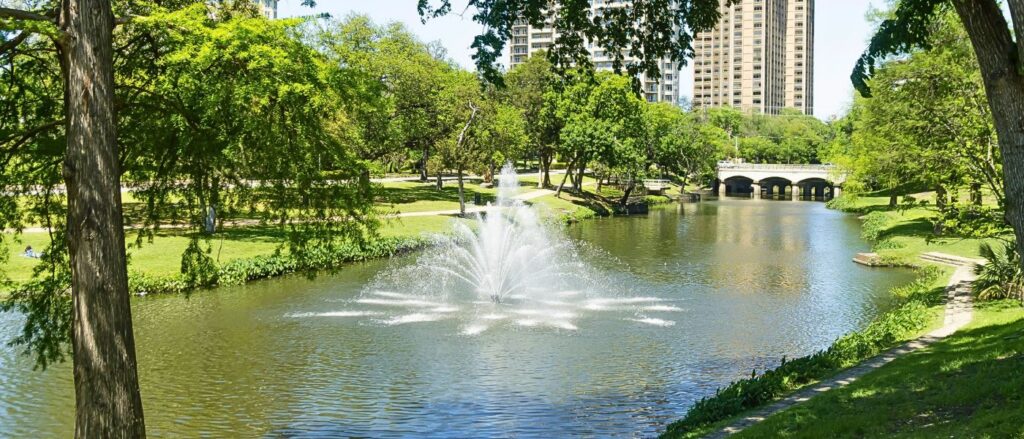
On a typical weekend, public lakes and ponds become gathering places, with people fishing, boating, picnicking, and simply enjoying time outdoors. While it may look effortless, those responsible for managing public waterbodies know that clean, healthy water is never by chance. It’s the result of ongoing planning, monitoring, and coordination behind the scenes. When everything is running smoothly, it often goes unrecognized. But when issues arise, they tend to draw immediate attention and can reflect directly on these decision makers.
Protecting Your Community with Proactive Lake and Pond Management
As a Parks & Recreation or Public Works Director, Stormwater Engineer, or other public servant, you have a lot on your plate, but also a lot on the line. When your focus is already divided across multiple priorities, responding to unexpected lake and pond issues can be overwhelming. Taking a proactive approach to waterbody management can help avoid urgent situations before they escalate, so you can protect both your community and your professional reputation.
The High Stakes of Lake and Pond Management
Public lakes and ponds are more than amenities. They can serve as recreational hubs, drinking water sources, and stormwater systems all at once. Water issues rarely emerge as glaring problems. They develop quietly over time until they can’t be ignored.
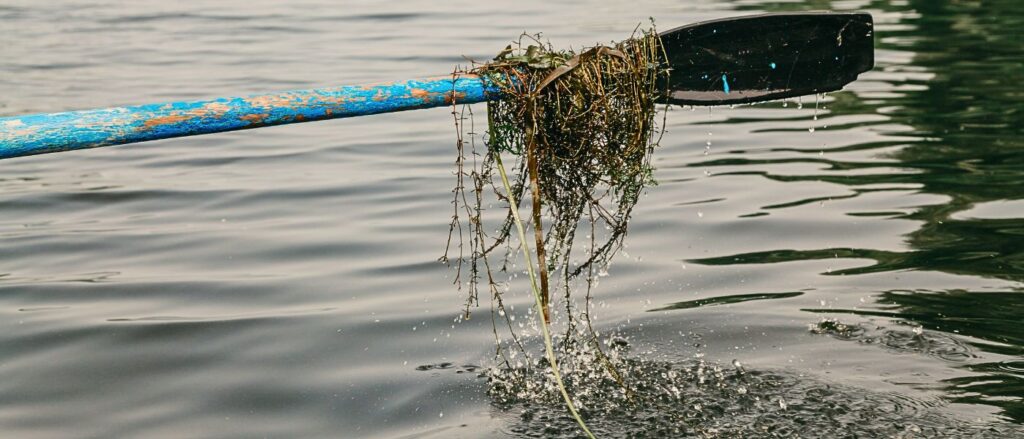
An invasive weed is introduced from another waterbody after hitching a ride on a boat propeller; the shoreline around a popular fishing spot becomes patchy and deteriorates; muck accumulates in swimming areas, obscured from the surface but slimy underfoot.
Over time, these once manageable issues can compound into visible, and sometimes dangerous, problems. If left to worsen, leaders may eventually face several consequences:
- Increased scrutiny and angry calls from residents
- Negative media attention
- Questions around regulatory compliance
- Long days spent away from other priorities
- Reactive fixes and time-consuming RFP processes
- Lawsuits related to death or injury
Water Quality Issues You Can’t Afford to Ignore in Ponds
Water quality issues, whether visible on the surface or hidden below, can pose significant risks to the public, the environment, and your reputation. Ignoring these developing problems is a costly gamble.
Here are four critical water quality issues you can’t afford to ignore:
Toxic Algal Blooms
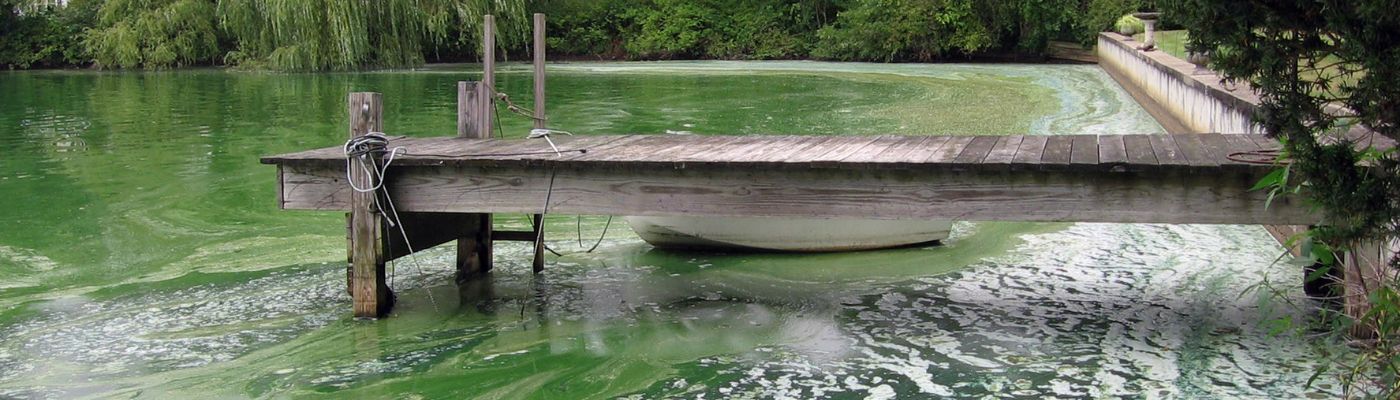
Algae aren’t just an eyesore. Certain species, like cyanobacteria (blue-green algae), can produce toxins that are harmful to people, pets, and wildlife. Exposure has been linked to symptoms ranging from skin irritation to more serious health concerns, and in some cases, the death of dogs. Public lake shut-downs are often necessary if a toxic bloom is identified. Cyanobacteria can also cause unpleasant taste and odor compounds in drinking water.
Invasive and Nuisance Aquatic Weeds
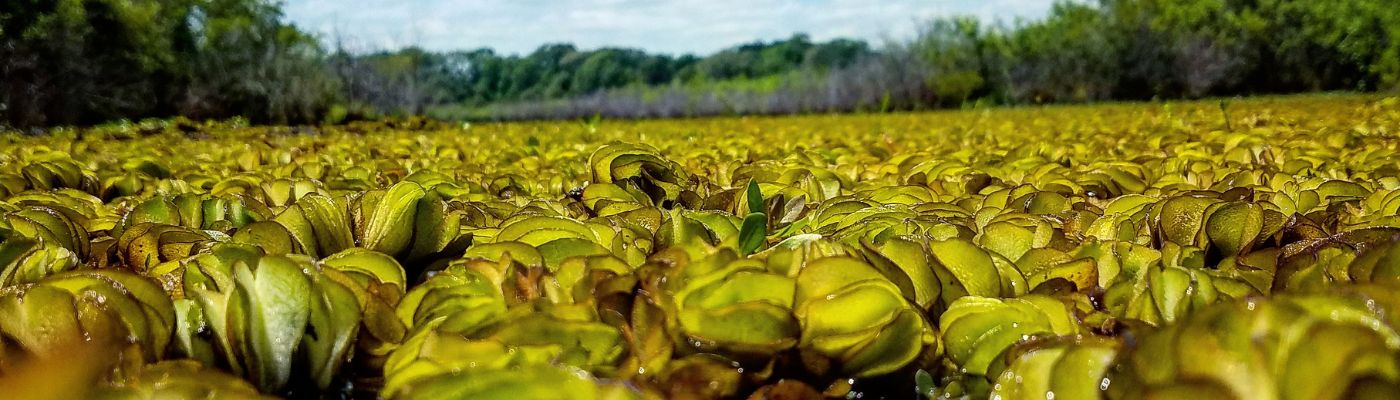
Submersed, floating, or emergent vegetation can disrupt how people use the water. Thick growth can tangle boat motors, interfere with fishing, and create hazards for swimmers. In dense patches, pond weeds block sunlight, potentially disrupting the natural balance of the ecosystem.
Muck Accumulation
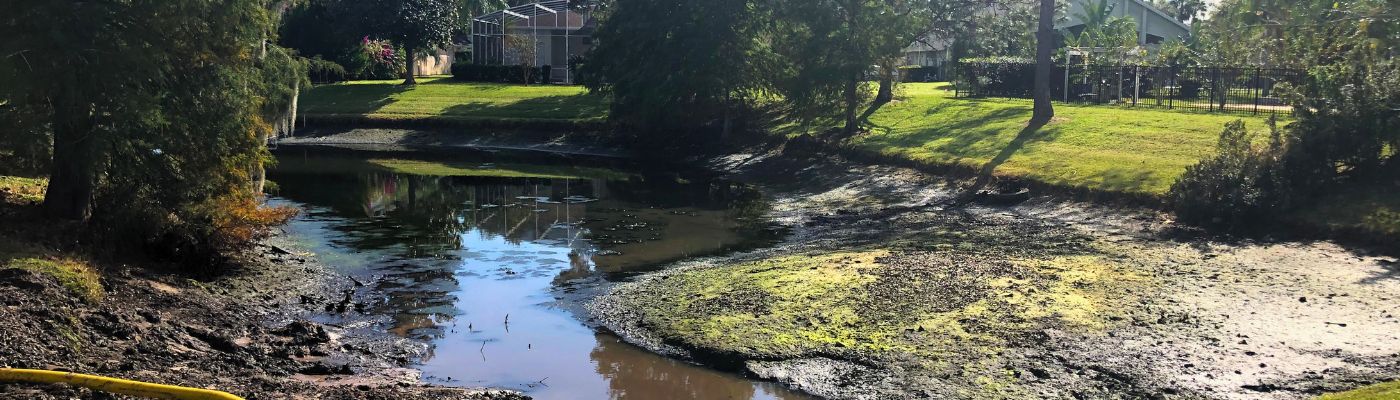
Slimy muck is both unpleasant and a sign of deeper issues. Muck accumulates when organic material, like dead plant matter, doesn’t fully break down. Over time, a waterbody can lose depth and volume, increasing the risk of flooding and shoreline deterioration during rainstorms.
Shoreline Erosion

Eroded shorelines increase slip and fall risks, leading to potential injuries or lawsuits. As eroded sediment builds up in the water, it also contributes to poor water quality, cloudiness, and loss of depth and volume.
The Role of Proactive Lake and Pond Management

The most effective lake and pond management strategies prevent problems, not chase them. A proactive approach used as part of Annual Management Programs focuses on maintaining balance within the ecosystem. That means monitoring conditions, addressing early signs of imbalance, and using solutions that target the root cause of issues.
Furthermore, a proactive approach helps:
- Keep costs predictable
- Avoid larger, more disruptive projects
- Free up your time to focus on other community priorities
- Ensure public waterbodies remain sources of pride, not concern
Proactive Strategies and Solutions for Healthy Ponds
Proactive lake and pond management is a holistic practice. It relies on a suite of integrated strategies and specialized solutions, all working together to maintain long-term ecological balance.
Uncover Imbalances with Lake Water Quality Testing

Ongoing water testing is one of the most effective ways to understand a waterbody’s health. By analyzing samples in a lab, aquatic experts can detect pollutants, algal toxins, and early signs of imbalance below the surface. This data helps guide the right solutions and, when collected consistently, reveals trends that can identify water quality changes before they become larger issues.
Restore Balance with Nutrient Remediation
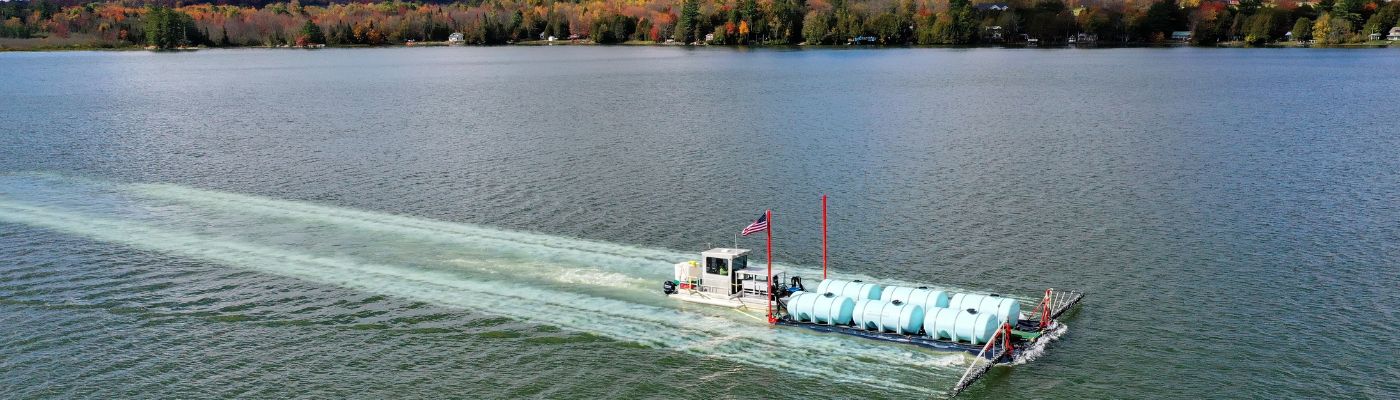
Nutrients play an important role in aquatic ecosystems. They serve as the foundation of the food chain and support healthy, diverse wildlife populations, providing valuable opportunities for fishing and nature watching.
Aquatic experts may use a number of nutrient remediation products, depending on the unique needs and characteristics of the waterbody.
Ecosystem Restoration Solutions in Lakes and Ponds
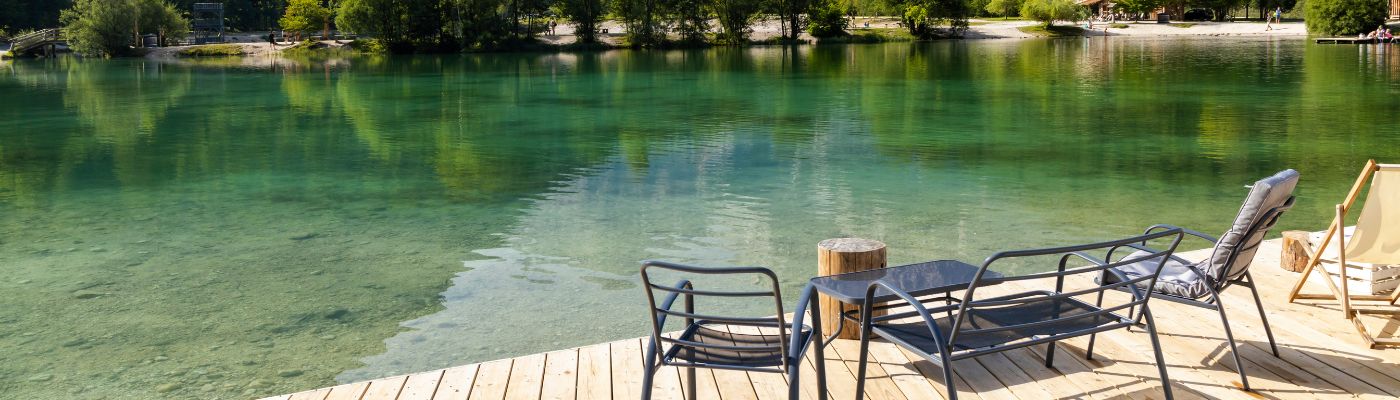
Ecosystem restoration solutions are designed to address dissolved oxygen and nutrient imbalances in tandem. By increasing oxygen levels in bottom sediments, beneficial bacteria can more effectively break down nutrient-rich muck, gradually improving substrate conditions and leaving behind a firmer, more stable bottom.
Protect Pond Banks with Shoreline Management
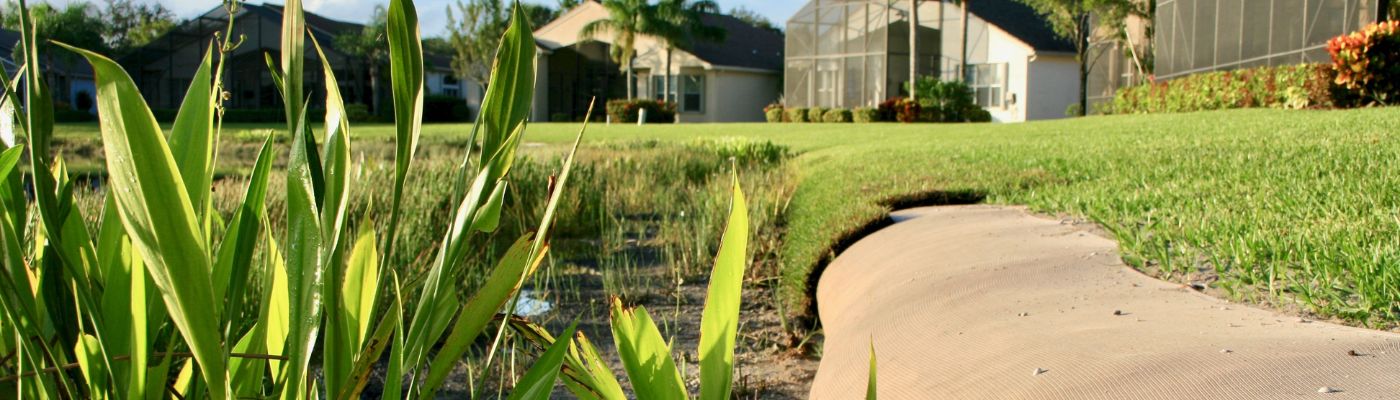
Shoreline erosion is a natural but often accelerated process influenced by weather events, recreational activity, shoreline design, and the natural aging of freshwater systems. A stable, healthy shoreline serves as the first line of defense in protecting overall water quality and ecosystem health.
Increase Dissolved Oxygen Levels with Pond Aeration Systems
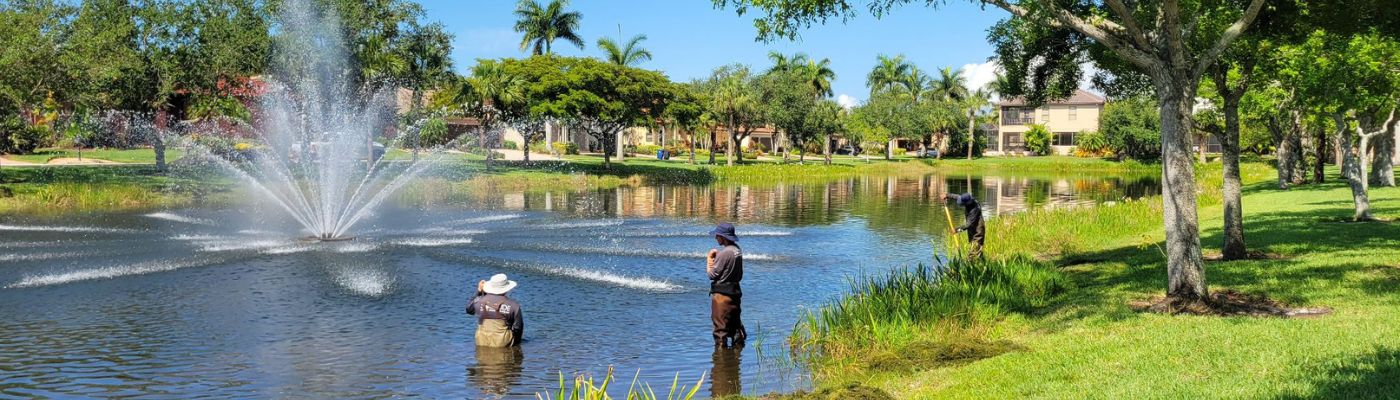
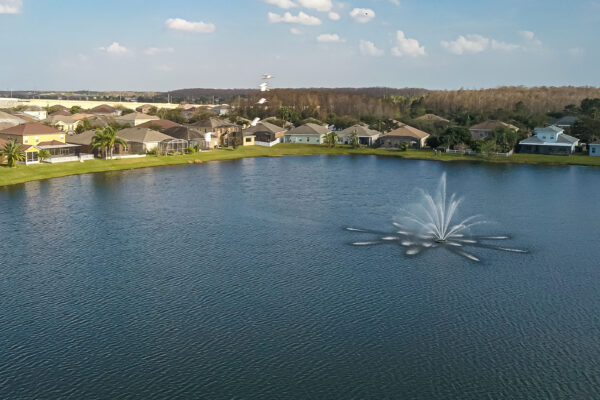
Maintaining adequate oxygen levels is essential for balanced waterbodies. Proper aeration helps discourage excessive weed and algae growth while supporting the natural breakdown of organic matter and bottom sediment.
Reclaim Depth with Pond Dredging and Mechanical Removal
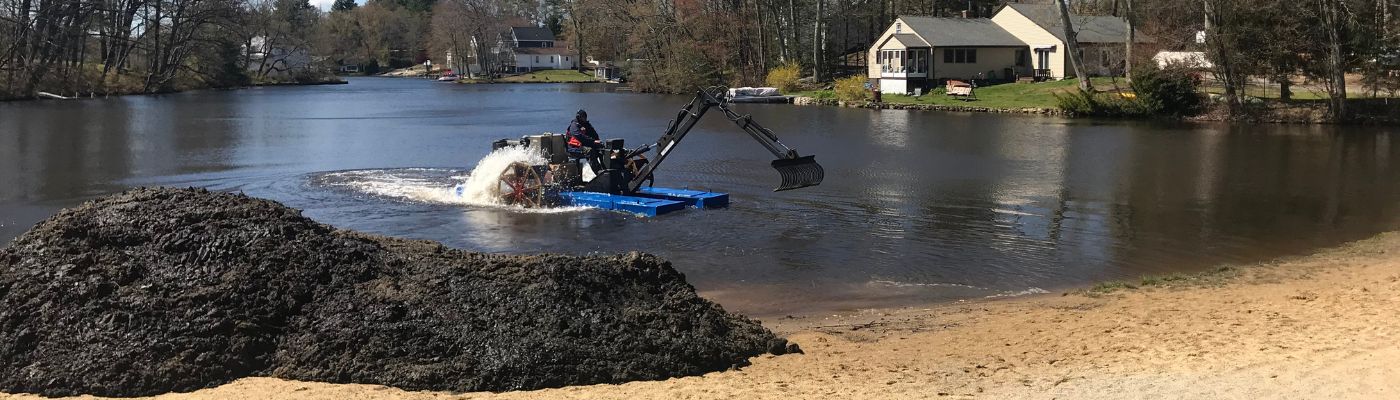
Like any natural system, lakes and ponds change over time. Without proper management, they gradually accumulate organic material from erosion and nutrient loading, leading to reduced depth, poor water quality, and increased flooding risk.
Long-Term Pond Algae Control and Prevention
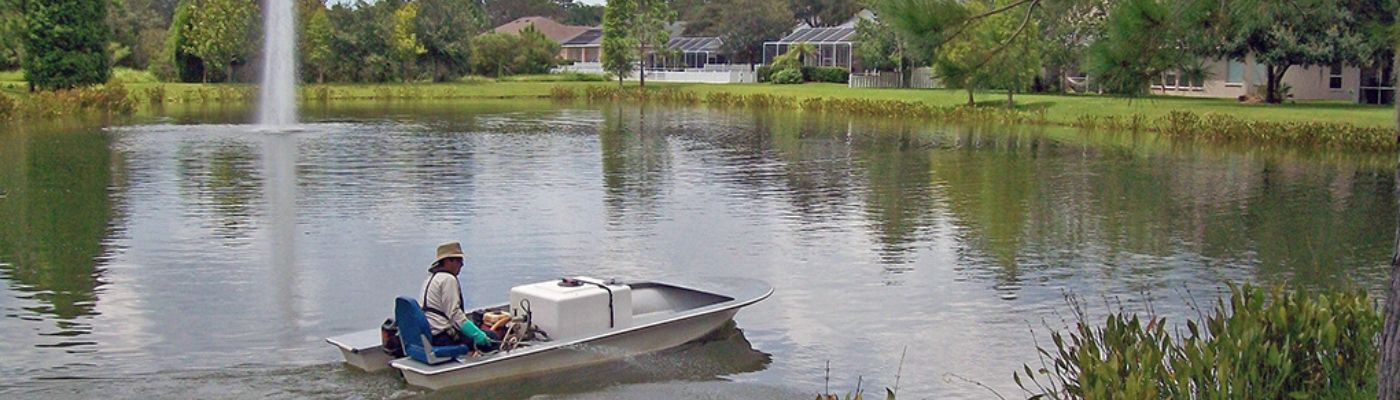
Routine monitoring allows early detection of invasive or nuisance weeds and emerging algal blooms before they escalate. While aquatic specialists may use herbicides or algaecides for rapid control when needed, long-term prevention strategies are key to reducing treatment frequency and maintaining balanced conditions.
Communicating Lake and Pond Management with Your Community
Proactive maintenance tools are essential, but informed residents play an equally important role. Water quality concerns—especially those tied to health risks like harmful algal blooms—require clear, transparent communication. Residents want to understand what’s happening, what it means for their safety, and how it’s being addressed.
Clear, proactive communication helps:
- Build trust with residents and stakeholders
- Reduce misinformation and unnecessary concern
- Demonstrate responsible use of public resources
Efforts such as posting signage, sharing social media updates, and partnering with local health departments can go a long way. When communities understand the complexity behind lake and pond management, they’re far more likely to support proactive strategies and recognize the value of ongoing maintenance, not just reactive fixes.
Additionally, informed citizens can help take steps in their daily lives to preserve the health of surrounding waterbodies:
- Reducing the use of garden fertilizers
- Bagging grass clippings and lawn debris
- Properly disposing of trash and pet waste
- Checking water equipment and boat propellers for weed fragments when entering and exiting the water

Achieving Peace of Mind Through Expert Lake and Pond Management
Effective public lake and pond management is about staying ahead of issues before they become visible problems. Through a proactive approach, communities can enjoy safer, cleaner, more beautiful water. And for those responsible for them, it means greater confidence, fewer emergencies, and more time focused on what matters most.
How to Achieve Clean, Healthy Ponds
SOLitude Lake Management is a nationwide environmental firm committed to providing sustainable solutions that improve water quality, enhance beauty and preserve natural resources.
SOLitude’s team of aquatic scientists specializes in the development and execution of customized lake, stormwater pond, wetland and fisheries management programs. Services include water quality testing and restoration, algae and aquatic weed control, installation and maintenance of fountains and aeration systems, shoreline erosion control, muck and sediment removal and invasive species management. SOLitude partners with homeowners associations, golf courses, private landowners, businesses and municipalities. SOLitude Lake Management is part of Rentokil, a leading business services company, operating across the United States, Canada and Puerto Rico.
For more information, visit SOLitude Lake Management at solitudelakemanagement.com, and connect on Facebook, LinkedIn, and YouTube.