


Understanding How Animals Accelerate Shoreline Erosion
Whether you’ve managed a lake for a year or a decade, you have probably noticed gradual changes in the condition of the shoreline. Cracks, drop-offs, patches of bare soil, and turbid (cloudy) water are just a few common signs of erosion. Beyond detracting from the beauty of a waterbody, lake erosion can hurt property values and create safety hazards that may lead to injuries and potential lawsuits.
Lake erosion is a natural phenomenon caused by wind, rain, and seasonal temperature fluctuations. However, nuisance and invasive animals can also accelerate shoreline deterioration. Keeping an eye out for the following species can help stakeholders intervene before long-term shoreline damage is inflicted.

SPECIES TO WATCH OUT FOR
Armored Catfish
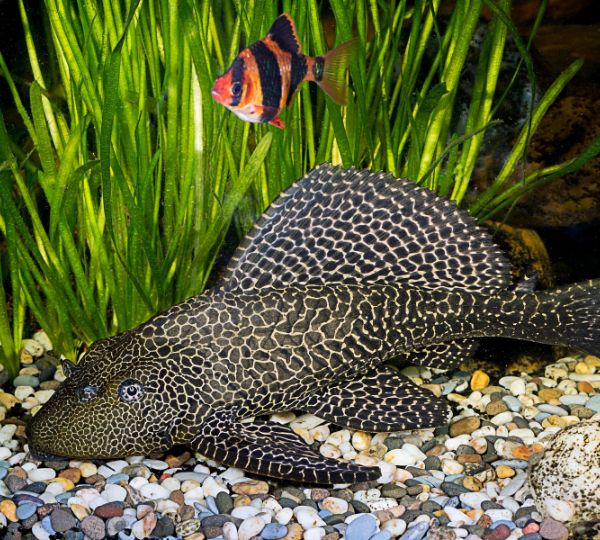
Invasive armored catfish (Pterygoplichthys sp.) are native to Central and South America. The males dig burrows along the edges of lakes and canals to create nesting sites for females. As their populations expand, so do the burrows. Eventually, the shoreline can become destabilized and collapse under its own weight.
How to safely manage armored catfish:
Armored catfish are very difficult to manage. SOLitude has developed a combination of effective strategies, including electrofishing and trapping, but recurring management is typically required to establish lasting control.
Muskrats
Muskrats are burrowing creatures that dig tunnel systems under lake shorelines. They are also known to chew on wiring, including power cables for fountains and aerators, which can pose additional safety risks and may require costly repairs or replacements.

How to safely manage muskrats:
Controlling shoreline vegetation, such as cattails and black willow seedlings, can reduce muskrat food sources and discourage muskrats from nesting in the area. In some cases, humane trapping and relocation may be necessary.
Beavers
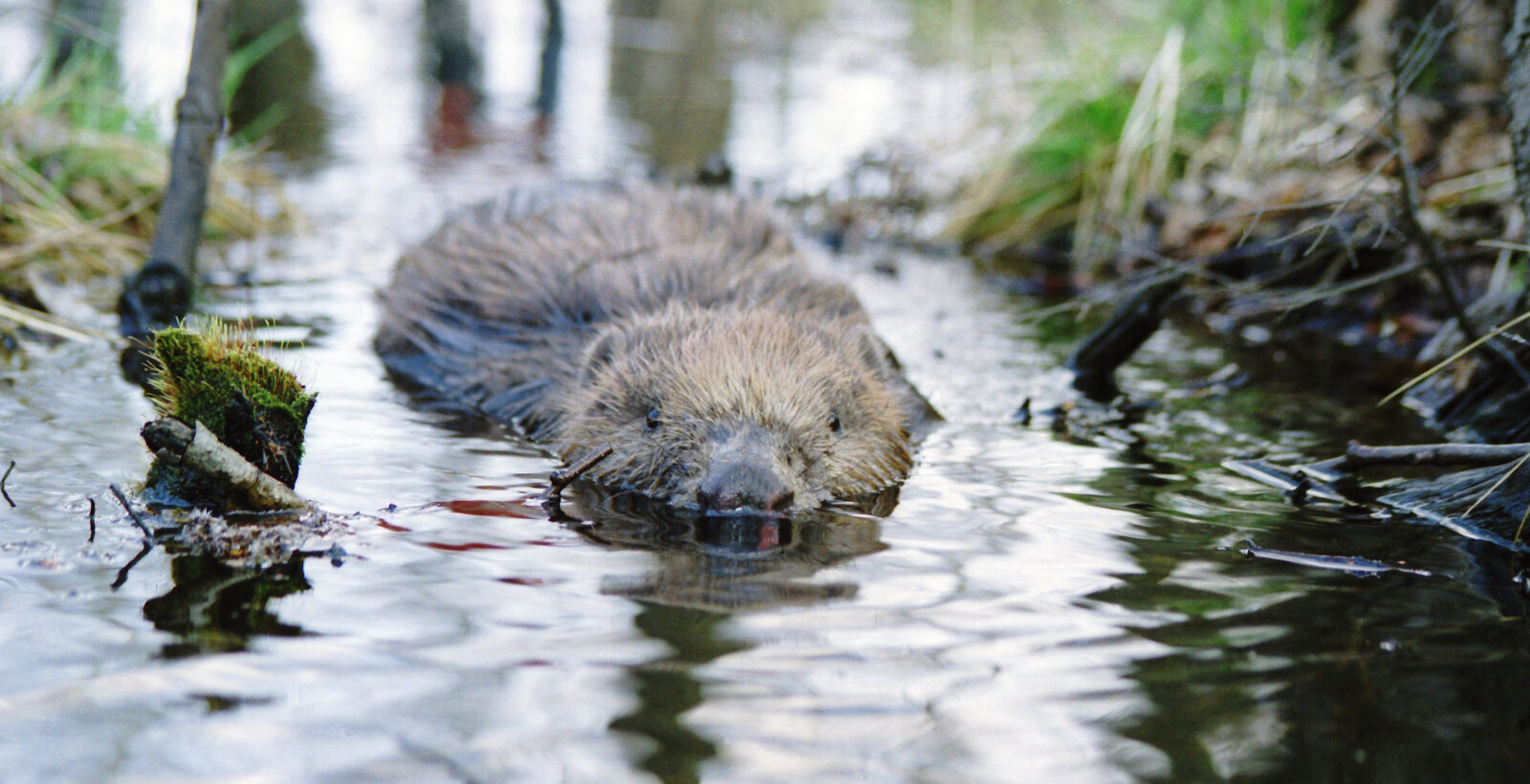
Beavers instinctively like to dam up water and will quickly gnaw down trees and other woody vegetation to accomplish their goal. Lake shoreline sediment can loosen when logs and branches are continuously dragged into the waterbody. By their very nature, dams also increase the likelihood of flooding during rainstorms, leading to additional deterioration around the perimeter.

How to safely manage beavers:
Wrapping trees and woody vegetation with wire cylinders or fencing can prevent beavers from gnawing and make your waterbody a less desirable habitat. In some cases, humane trapping and relocation may be necessary.
Geese
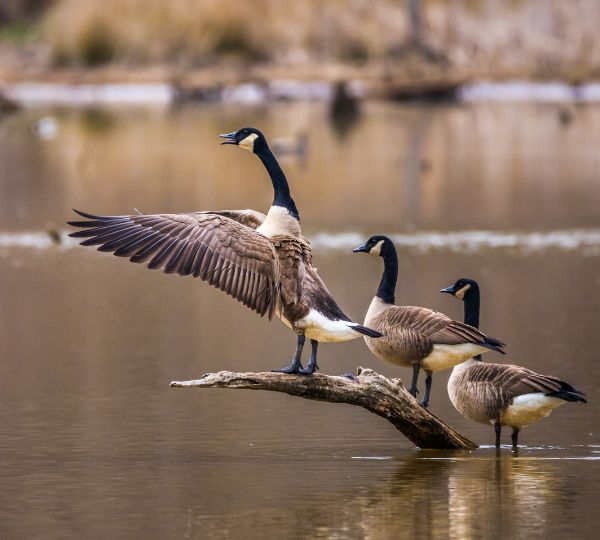
Geese frequently move in and out of ponds, and the shoreline can rapidly deteriorate under their constant trampling. They also nest near the water and reproduce quickly, which can significantly worsen their impact on the lake shoreline within a single breeding season.
How to safely manage geese:
Canada geese are protected by the Federal Migratory Bird Treaty Act and many state regulations, which limits management options. However, planting a dense buffer of native vegetation can help deter them from entering the water. Buffers should be allowed to grow approximately 18 inches high and extend 3-5 feet out around the perimeter. Installing ramps for geese to easily enter and exit can also help keep them from trampling the shoreline.
Snakes
Snakes can sometimes disturb lake erosion solutions like rip-rap—large rocks that are carefully placed around the shoreline to limit the effects of continuous wave action along the shoreline.
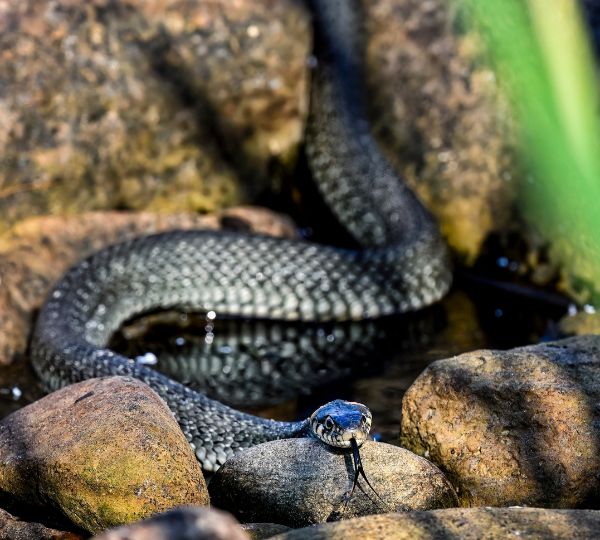
How to safely manage snakes:
Snakes often feed on small rodents, including muskrats. Taking care of muskrat populations may help eliminate a food source. Additionally, keeping rip-rap free of grasses, vegetation, and other preferred cover can help make the area a less appealing habitat for snakes.
Lake Erosion Impacts: What's At Stake?
Lake shoreline erosion affects far more than the appearance of the landscape. What starts as small cracks or animal disturbances along the shore can quickly develop into serious problems that are expensive to repair. Over time, erosion can weaken shorelines, damage equipment, and cause the gradual loss of valuable property. As sediment enters the water, it can also disrupt the natural balance of the ecosystem, leading to poor water quality, algae growth, and other long-term challenges. Taking early action to address these signs of erosion helps protect both your investment and the overall health of your lake.
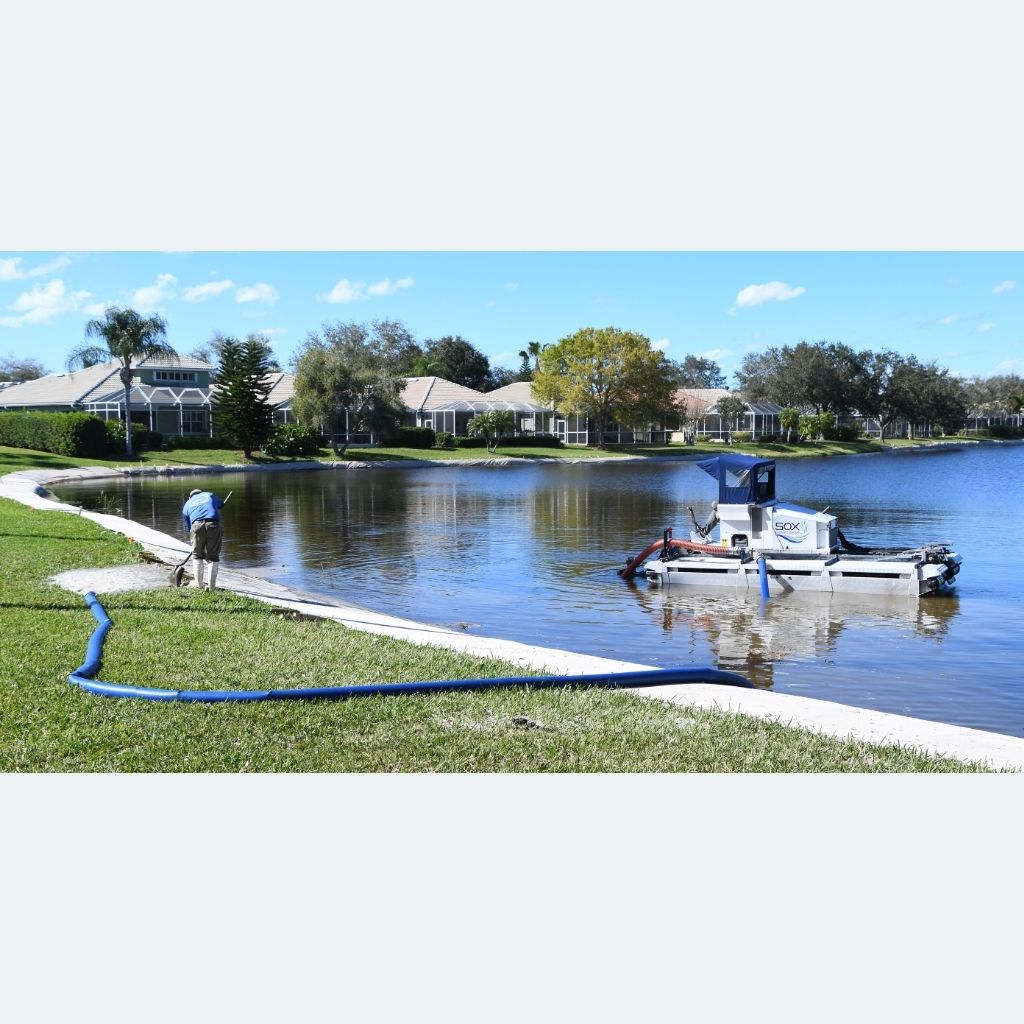
Equipment Damage:
The difference between catching nuisance animals early and catching them after they’ve become established is astounding. Once damage is inflicted, animal removal is only the beginning. Repairing unstable shorelines, replacing damaged equipment, and managing concerns from residents or stakeholders can quickly become costly and time-consuming.
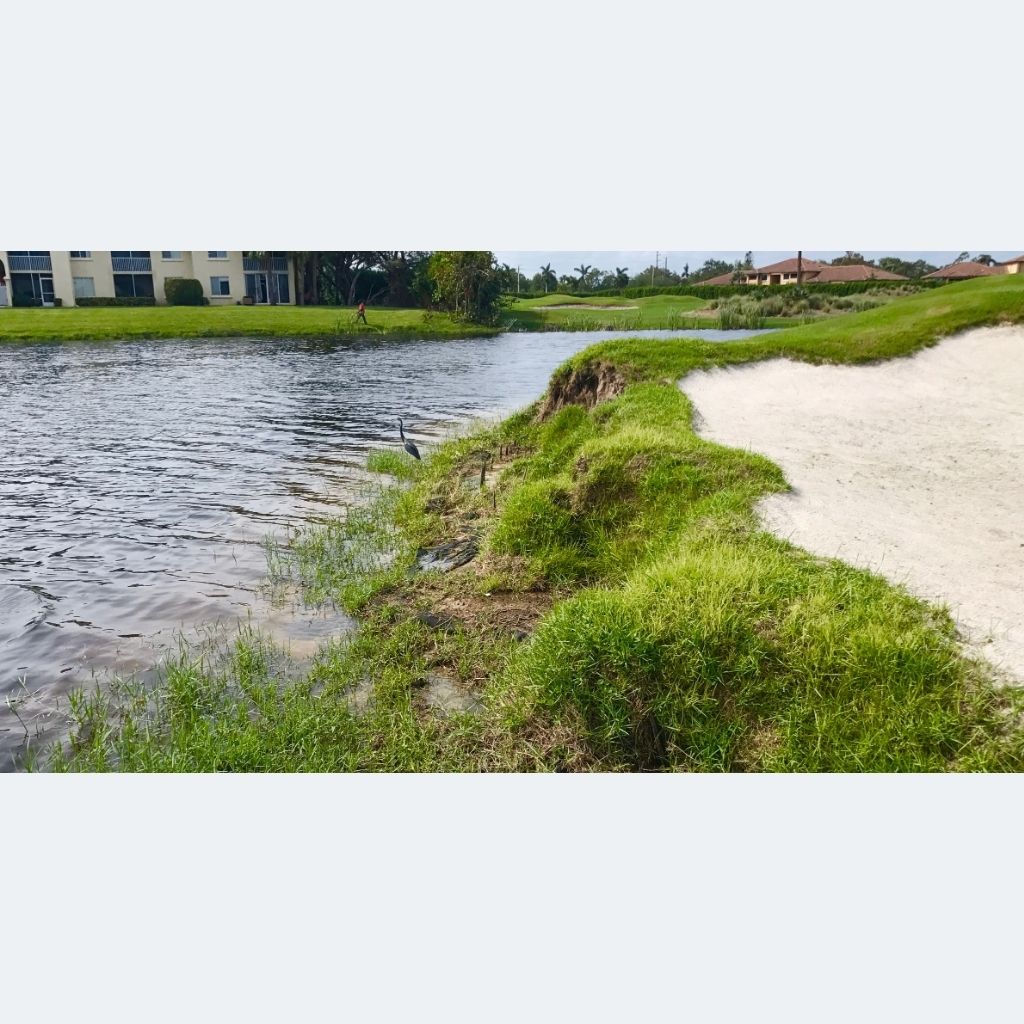
Property Loss:
Ongoing shoreline deterioration can result in the gradual loss of land. It’s not uncommon for waterfront properties to lose valuable square footage, which can reduce home values and diminish the overall appeal of a community.
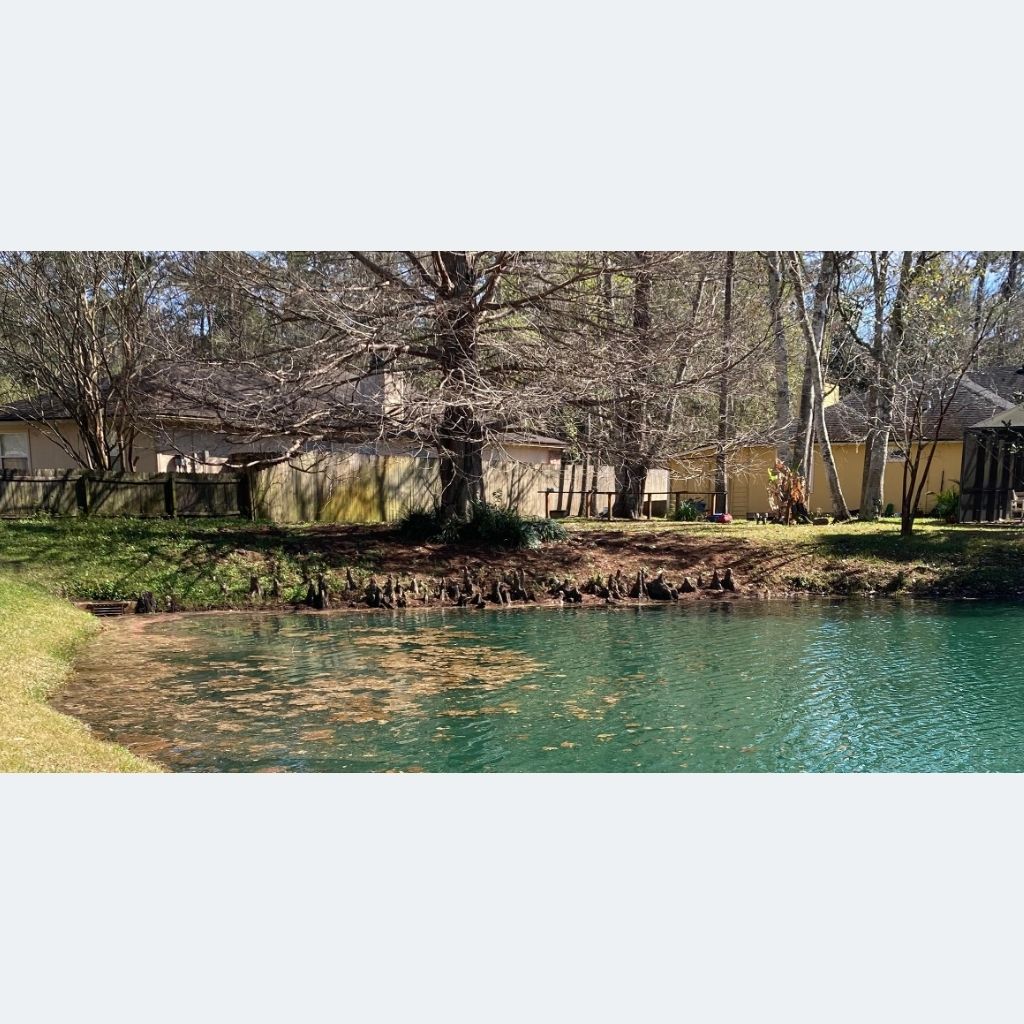
Water Quality Imbalances:
As eroded sediment accumulates in the water over time, it can form a layer of muck that upsets the natural balance of the ecosystem. When water quality conditions are imbalanced, nuisance algal blooms, toxic cyanobacteria (blue-green algae), and aquatic weeds are more likely to develop.
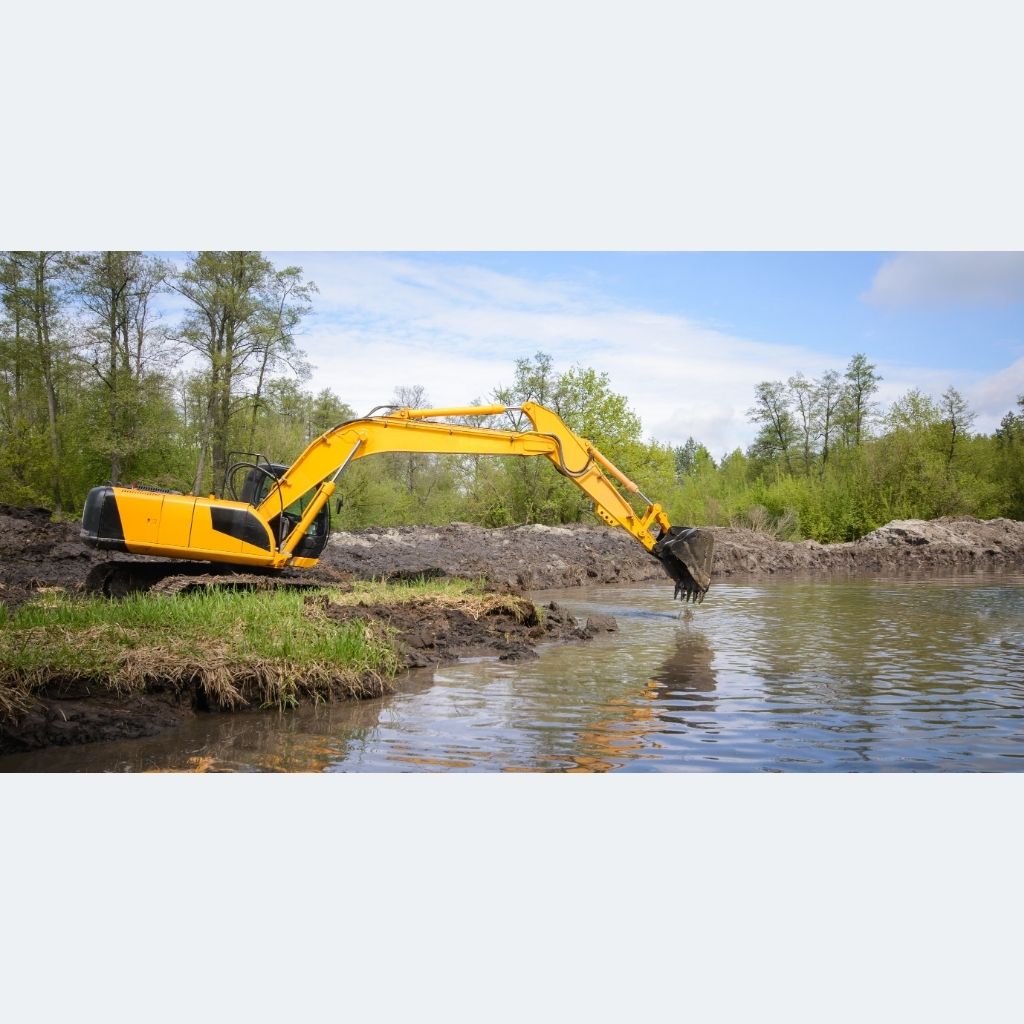
Costly Dredging:
In severe cases of sediment accumulation, dredging may be necessary to restore a waterbody to its original depth and volume. Dredging is one of the costliest projects a community or homeowner will have to tackle—and the last surprise expense anyone wants to face. Aquatic Experts recommend planning and budgeting for dredging 10–20 years in advance while delaying the need for as long as possible through proactive waterbody management.
Lake Erosion Restoration Solutions
There is a wide variety of strategies to restore and protect damaged shorelines. Your ideal solution depends on how the waterbody is used, your goals, and your budget. However, our recommended approach for both functional and aesthetic benefits is bioengineering.
Bioengineered Living Shorelines
Bioengineered living shorelines are constructed by filling geotextile materials with sediment, shaping them to the desired slope, and securely anchoring them to the bank. Native vegetation can be planted directly into the material to provide additional stability, prevent future erosion, and grow into a healthy buffer that prevents trampling and filters stormwater runoff.
This solution helps:
- Provide long-term stability and protection against erosion
- Restore up to several feet of land to waterfront properties
- Blend seamlessly into the surrounding landscape for a natural, visually appealing look
- Promote healthy, balanced water quality conditions

Alternative Options
A few other options are available for situations with budget constraints or property limitations:
- Rip Rap
- Large rocks are carefully stacked around the shoreline perimeter to help absorb wave action.
- Bulkheads
- Solid vertical structures designed to absorb heavier wave action; often used in waterbodies with limited horizontal space.
- Erosion Control Logs
- Long tubes composed of natural fibers that help stabilize soil and promote the growth of native vegetation.
- Silt Fences
- Temporary fabric barriers that are installed to capture eroded soil and organic materials; most often used as a short-term solution during construction projects.
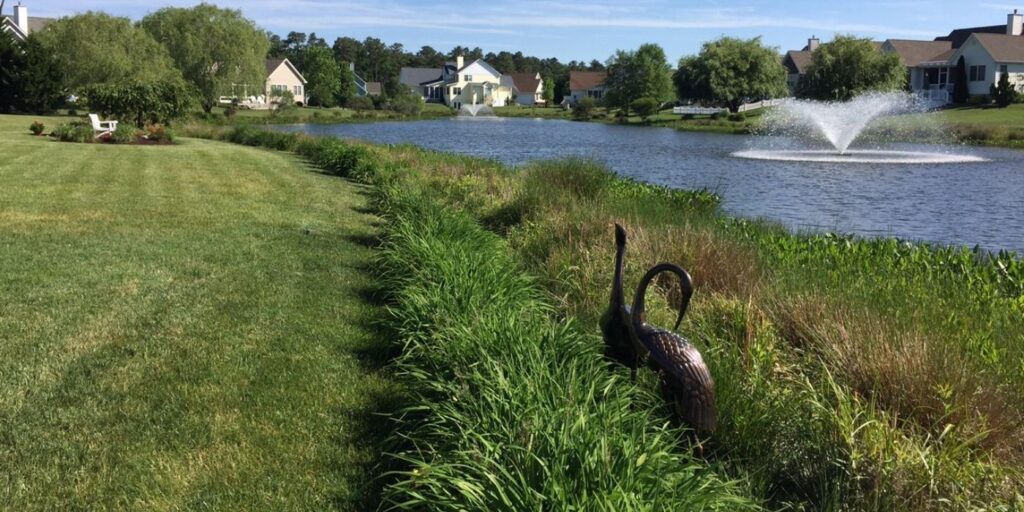
The Best Protection For Your Lake's Shoreline Is Prevention
Ultimately, prevention is the most effective way to protect your lake shoreline. Regular inspections by an Aquatic Expert can help identify problem species early, before they become difficult and costly to manage. At SOLitude, we care deeply for the environment and all animals—including those that are nuisance and invasive—and prioritize the most humane methods of removal when necessary.
No matter where you are located or the type of waterbody you oversee, it’s susceptible to destructive wildlife. Consulting with a lake and pond management provider now can help ensure it’s under the watchful eye of passionate, highly trained professionals. Contact us today to start designing your custom management program.
Shoreline Erosion: How to Repair AND Prevent It!
SOLitude Lake Management is a nationwide environmental firm committed to providing sustainable solutions that improve water quality, enhance beauty and preserve natural resources.
SOLitude’s team of aquatic scientists specializes in the development and execution of customized lake, stormwater pond, wetland and fisheries management programs. Services include water quality testing and restoration, algae and aquatic weed control, installation and maintenance of fountains and aeration systems, shoreline erosion control, muck and sediment removal and invasive species management. SOLitude partners with homeowners associations, golf courses, private landowners, businesses and municipalities. SOLitude Lake Management is part of Rentokil, a leading business services company, operating across the United States, Canada and Puerto Rico.
For more information, visit SOLitude Lake Management at solitudelakemanagement.com, and connect on Facebook, LinkedIn, Twitter, Instagram and YouTube.