




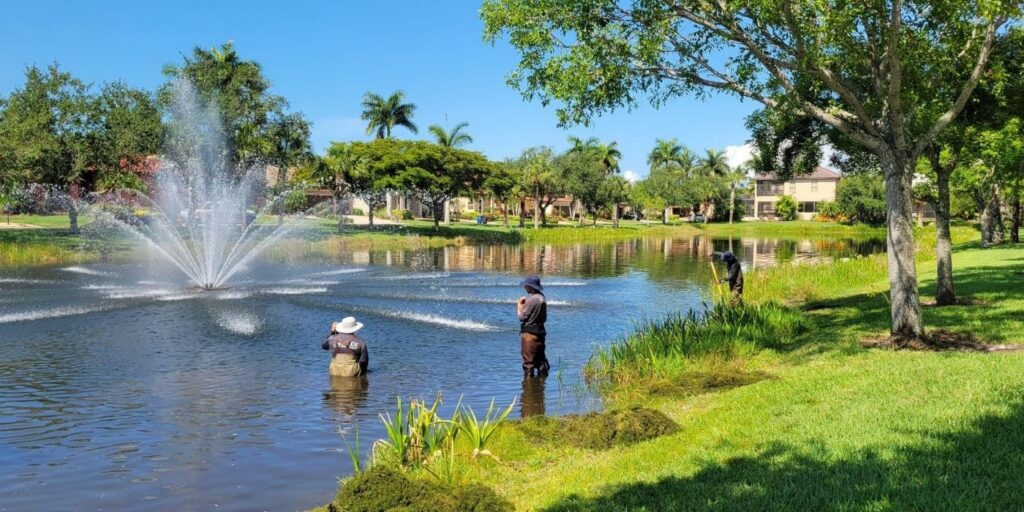
The True Cost of Waiting to Address Waterbody Issues
A healthy waterbody can transform the beauty and value of a property, but managing lakes and stormwater ponds is rarely as simple as it appears. Issues that seem like minor inconveniences, such as algae, a patchy shoreline, or cloudy water, are usually symptoms of underlying problems.
While professional maintenance may feel like something that can wait, reactive management could come at a much steeper cost. By understanding these hidden risk factors, you can make informed decisions that protect both your waterbody and the investments you’ve made in your property.
Nuisance and Invasive Species: An Ongoing Drain On Budgets
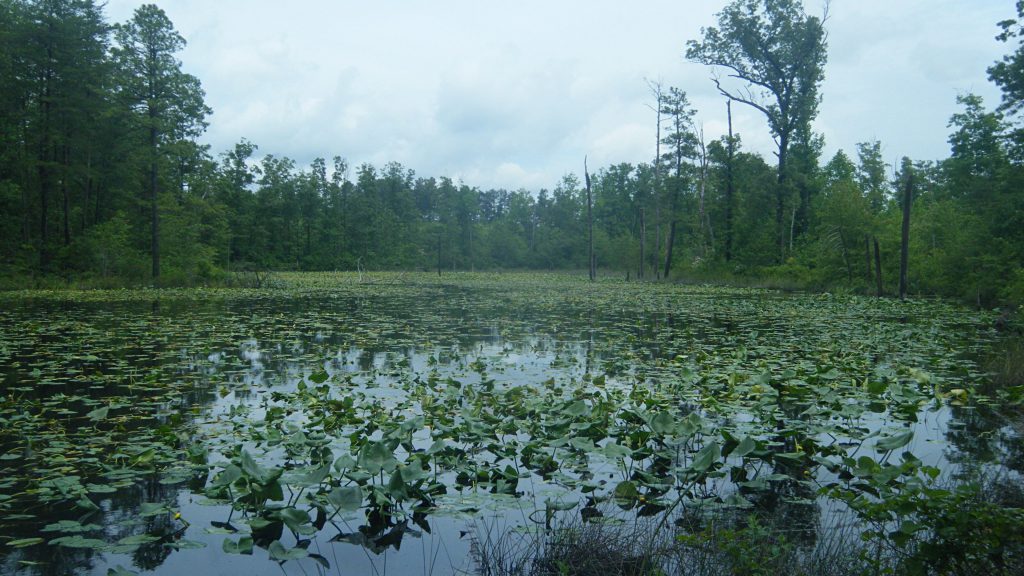
Aquatic Weeds and Algae
Because they detract from the appearance of a waterbody, weeds and algae are often the first issues property owners notice. They can quickly overtake a pond, clog stormwater equipment, and disrupt the delicate balance of the aquatic ecosystem.
Though herbicides and algaecides can be effective management tools, they are rarely one-and-done solutions. Reapplications are typically required, and what initially seems like an affordable, short-term fix can quietly add up over time.
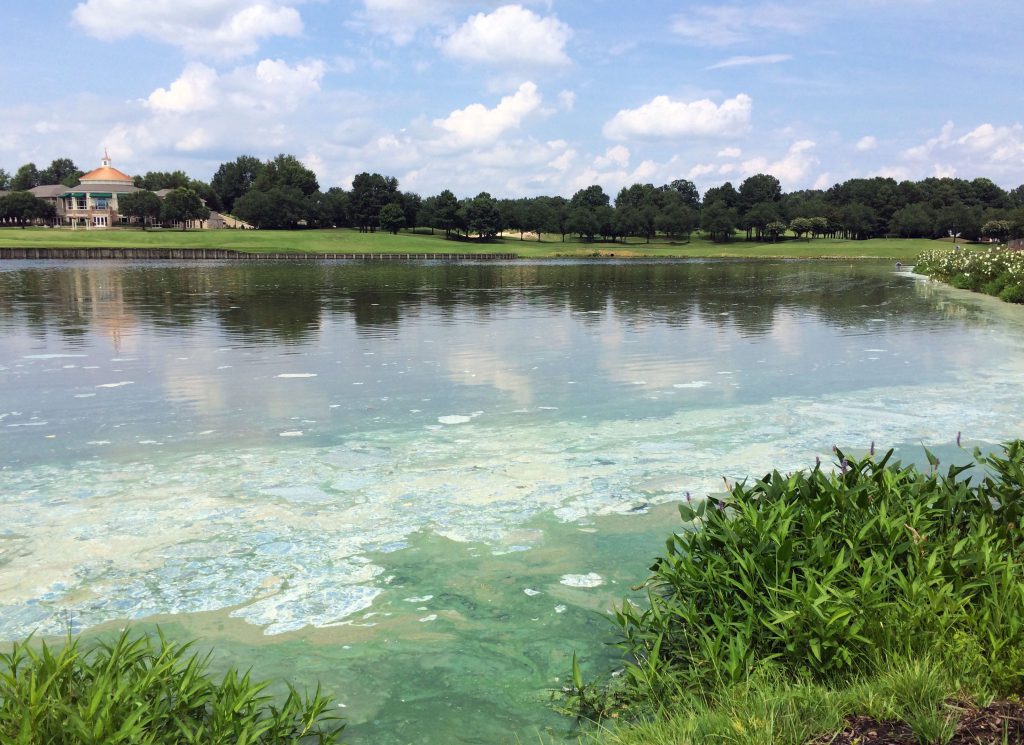
Toxic Cyanobacteria
Cyanobacteria, also known as blue-green algae, can release harmful toxins that cause fish kills and pose health risks to people and pets. Growing scientific evidence suggests that prolonged exposure to these toxins may be linked to neurological conditions such as Alzheimer’s disease and ALS(1).
Beyond health concerns, toxic algae blooms can also impact property values. A detailed multi-lake hedonic analysis found that homes located on lakes with frequent cyanobacteria blooms sold for 22% less than comparable homes on clear lakes(2). For communities built around waterfront appeal, that loss can be significant.
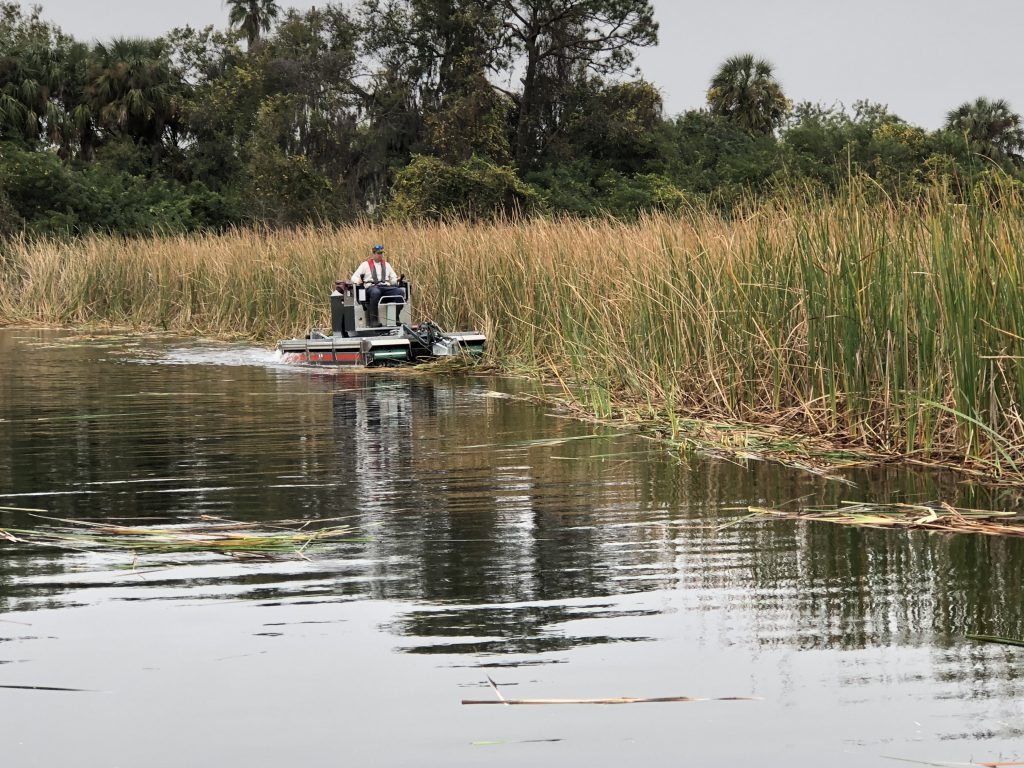
Shoreline Weeds
Invasive plants like phragmites and purple loosestrife can destabilize banks and displace essential native vegetation. Once these species are established, they typically require years of management and potentially thousands of dollars to fully eradicate. The longer they are allowed to spread, the more difficult and costly these efforts become.

Animals
Lake and pond issues aren’t limited to weeds and algae. Nuisance and invasive animals, including muskrats and armored catfish, burrow into shorelines. This can cause instability that often goes unnoticed until major damage or accidents occur.
Shoreline Deterioration: A Costly Problem Hiding In Plain Sight
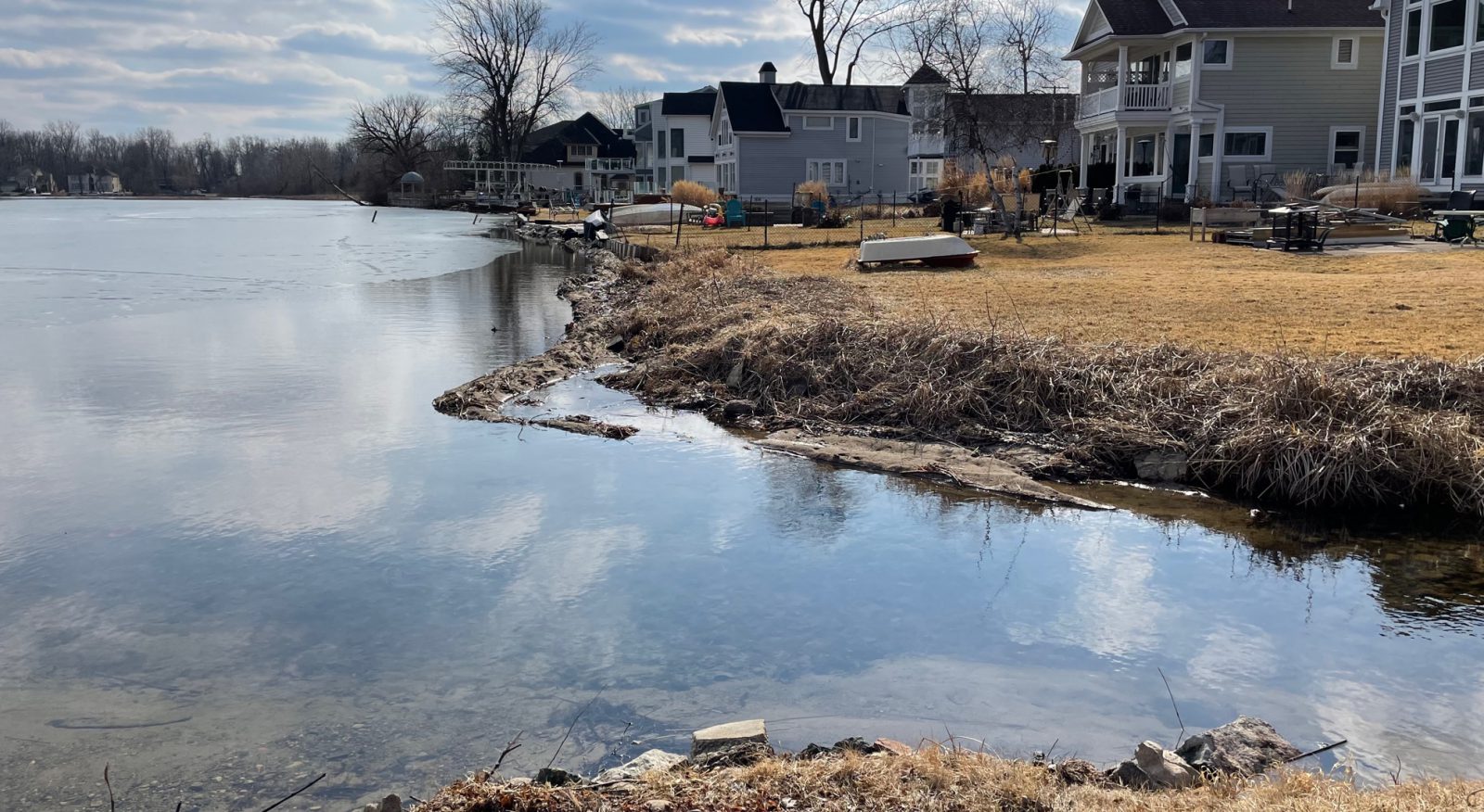
Shoreline deterioration is often a problem hiding in plain sight. Bare patches of soil, exposed tree roots, or emerging pipes may not seem urgent, but they rarely remain minor issues for long. What starts as a manageable repair can quickly escalate into a full shoreline rebuild.
Legal Risks:
Beyond the physical damage, neglected shorelines carry serious legal and financial risks. Property owners may be held liable for injuries or property damage tied to shoreline failure, and lawsuits can gain traction if neglect is demonstrated.
Lost Square Footage:
There’s also a direct impact on property value. Waterfront access is highly desirable, and the loss of a stable shoreline has measurable consequences. A U.S. Geological Survey study suggests property value losses of up to $10,000 per linear foot of shoreline when erosion and degradation go unaddressed(3).
Sedimentation: A Financial Risk That Quietly Builds
Bottom Muck:
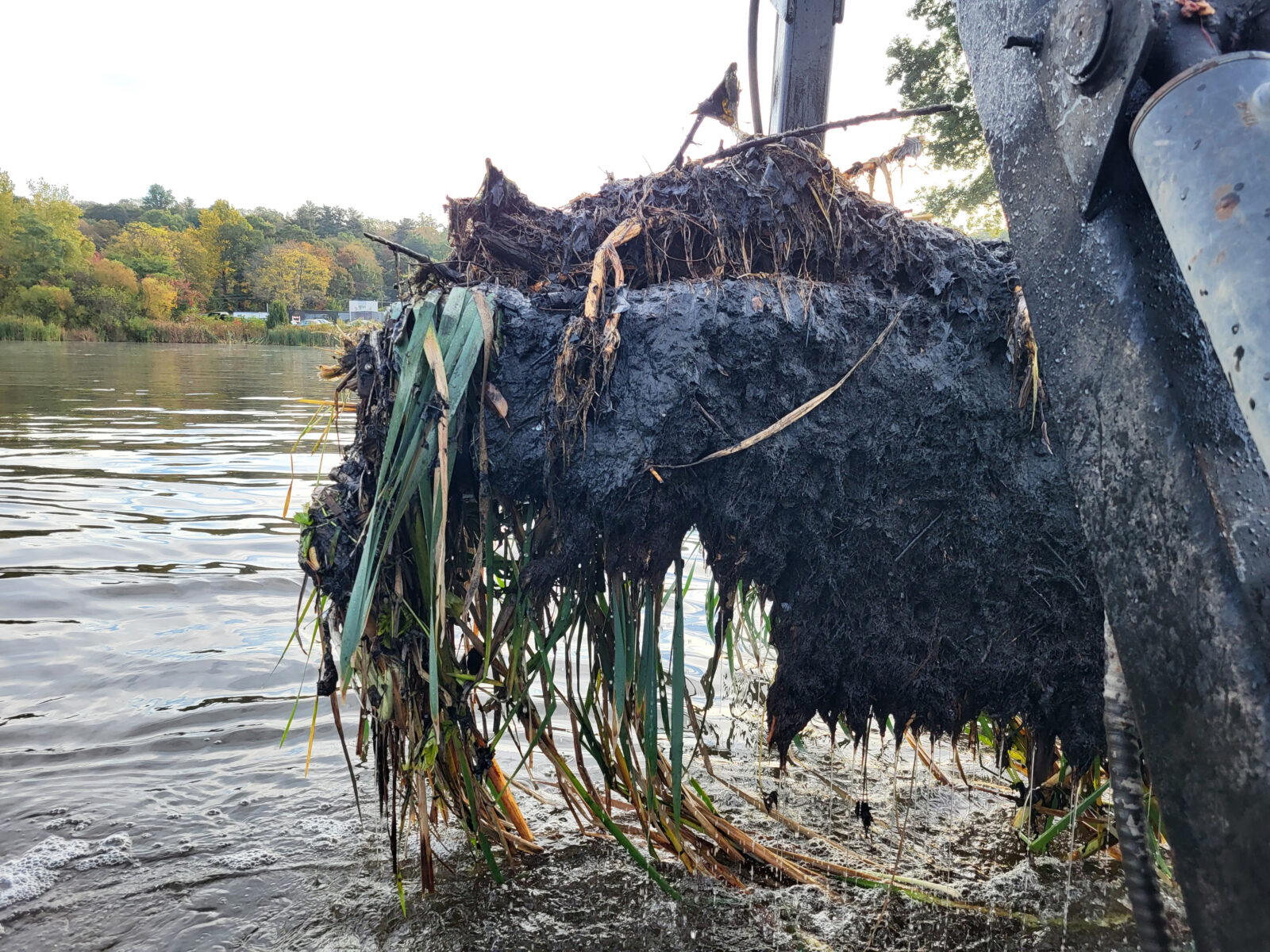
A stable shoreline alone does not guarantee clean or healthy water. Over time, erosion, decaying plant matter, and nutrient runoff contribute to the buildup of bottom muck.
Early warning signs often include foul, “rotten egg” odors and persistent cloudiness. These aren’t just aesthetic issues. One study found that a three-foot decrease in water clarity resulted in nearly $700 in lost value per foot of shoreline frontage(4). Such a decline may affect the reputation and long-term desirability of homeowners associations, golf courses, and other high-value locations.
Flooding:
As muck accumulates, it also reduces the pond’s capacity to hold water. Flood risks increase when a stormwater pond no longer functions as designed – to collect, filter, and slowly release water during rainstorms. The resulting damage often extends beyond the pond itself. Parking lots, landscaping, building foundations, and other infrastructure investments can be severely damaged.
These repairs are rarely budgeted for and often far more expensive than preventive measures that could have helped avoid flooding.
Over time, unresolved maintenance issues can escalate, and property owners may also find themselves facing increased scrutiny from regulatory agencies.
Regulatory Penalties: The Cost of Falling Out of Compliance
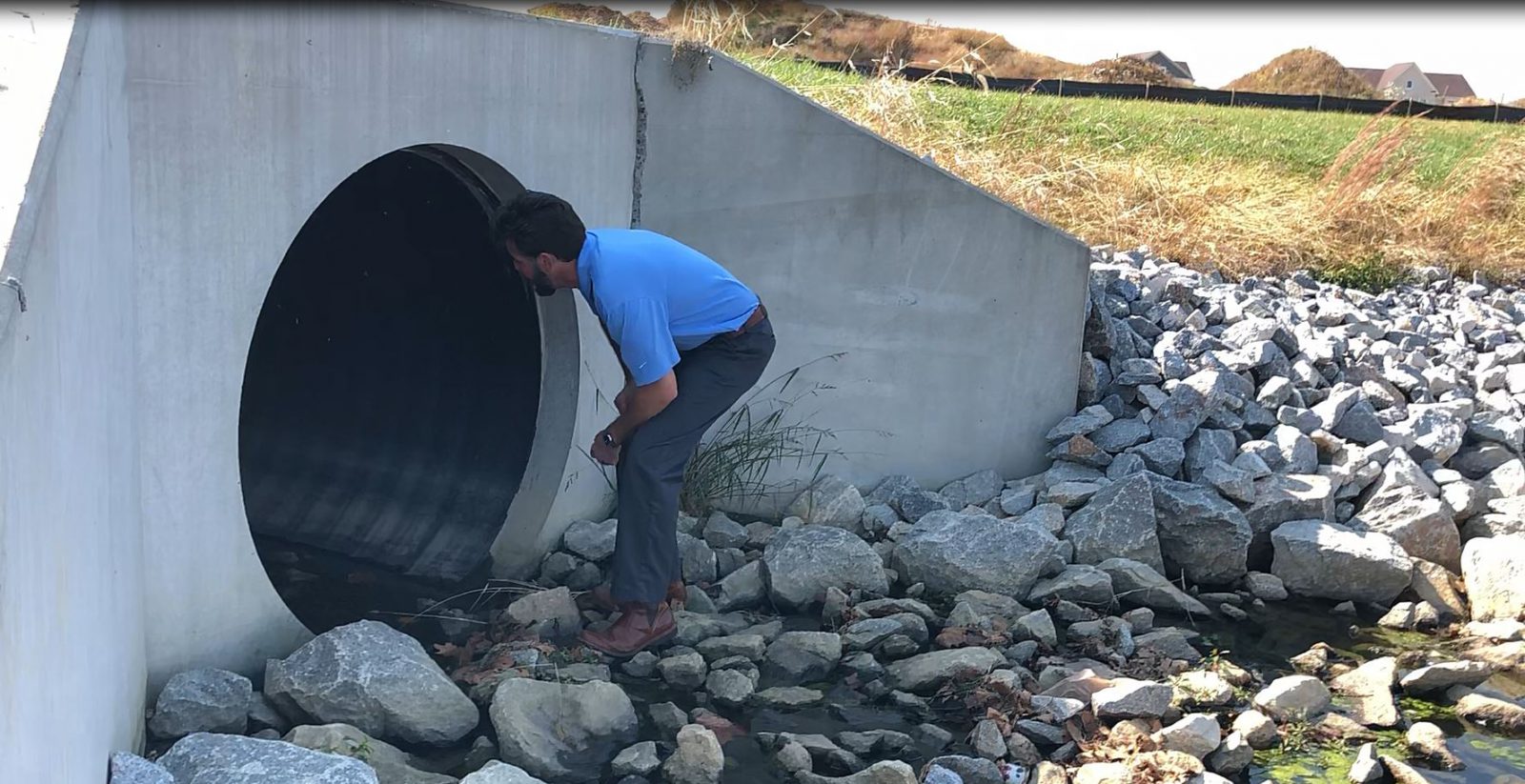
Properties responsible for stormwater ponds can face additional financial strain. These systems are regulated because of their role in flood prevention and water quality protection. When facilities are neglected or fail inspections, fines can accumulate quickly.
HOAs may face penalties ranging from $50–$100 per day to several thousand dollars per day, depending on the violation and municipality. Regulators may allow as little as 30 days to complete required repairs, forcing associations to dip into reserves or approve emergency spending.
Missing or inaccessible “as-built” plans further increase risk. Without proper documentation, compliance becomes more difficult, inspections take longer, and consulting or engineering costs rise.
Dredging: The Final and Most Expensive Solution
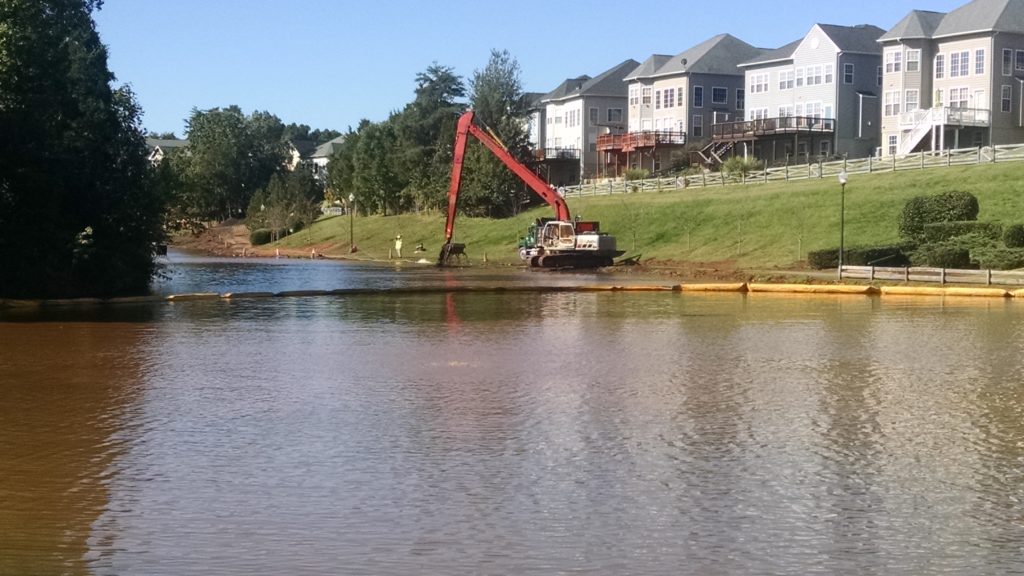
When these issues compound past the point of no return, dredging becomes the final and most expensive solution. Dredging projects can cost from hundreds of thousands to more than a million dollars, and most communities require 10 to 20 years to plan and budget for them.
When regulatory agencies deem dredging necessary, HOAs are legally obligated to comply, often with little flexibility on timing or cost. At that point, options are limited, and financial strain is unavoidable.
You Don’t Have to Manage These Risks Alone
What begins as a minor inconvenience can quickly turn into a financial and reputational burden. Are you prepared for these unexpected expenses? Would your community be able to absorb emergency costs without raising dues or facing resident frustration?
As professional lake and pond managers, we see these situations far too often. In most cases, the issue isn’t neglect—it’s lack of awareness. Lakes and ponds are complex, interconnected systems. When one element falls out of balance, others inevitably follow.
You shouldn’t have to manage these risks alone, especially while juggling countless other responsibilities. That’s where experienced partners like SOLitude come in. Through integrated lake and pond management programs, we help identify early warning signs, prioritize maintenance needs, and create practical, budget-conscious plans tailored to your property.
Our services often include routine inspections, water quality testing, invasive species management, shoreline stabilization, nutrient remediation, fountains and aeration, and solutions like TryMarine and hydro-raking to slow sediment accumulation. We also help stakeholders plan responsibly for future repairs, navigate permitting requirements, and maintain critical regulatory documentation.
Proactive management is often more affordable than reactive solutions and emergency repairs. With the right guidance and a clear plan, many of the most costly outcomes can be delayed or avoided altogether.
You don’t have to wait for problems to surface. Contact us today to learn what a SOL Pro Annual Management Plan could look like for your property, and how early action can protect both your investment and your peace of mind.
Sources:
1 Cyanobacteria, Cyanotoxins, and Neurodegenerative Diseases | International Journal of Molecular Sciences
2 Bloom and bust: Toxic algae’s impact on nearby property values | Ecological Economics
3 Coastal Erosion of Southern Lake Michigan | U.S. Geological Survey
4 Lakeshore Property Values and Water Quality | Mississippi Headwaters Board, Bemidji State University
How to Achieve Clean, Healthy Ponds
SOLitude Lake Management is a nationwide environmental firm committed to providing sustainable solutions that improve water quality, enhance beauty and preserve natural resources.
SOLitude’s team of aquatic scientists specializes in the development and execution of customized lake, stormwater pond, wetland and fisheries management programs. Services include water quality testing and restoration, algae and aquatic weed control, installation and maintenance of fountains and aeration systems, shoreline erosion control, muck and sediment removal and invasive species management. SOLitude partners with homeowners associations, golf courses, private landowners, businesses and municipalities. SOLitude Lake Management is part of Rentokil, a leading business services company, operating across the United States, Canada and Puerto Rico.
For more information, visit SOLitude Lake Management at solitudelakemanagement.com, and connect on Facebook, LinkedIn, and YouTube.