


The Importance of Protecting Floridas Wetlands
Florida’s wetlands are among the nation’s most valuable and complex ecosystems. From providing habitat for native wildlife to retaining stormwater and generating tourism, areas like the Everglades play a critical role in the state’s environmental and economic health. Yet, these areas face ongoing stress from development, pollution, and invasive species. With so much at stake, careful, ongoing care is crucial to preserve these incredible ecosystems.
What are Wetlands?
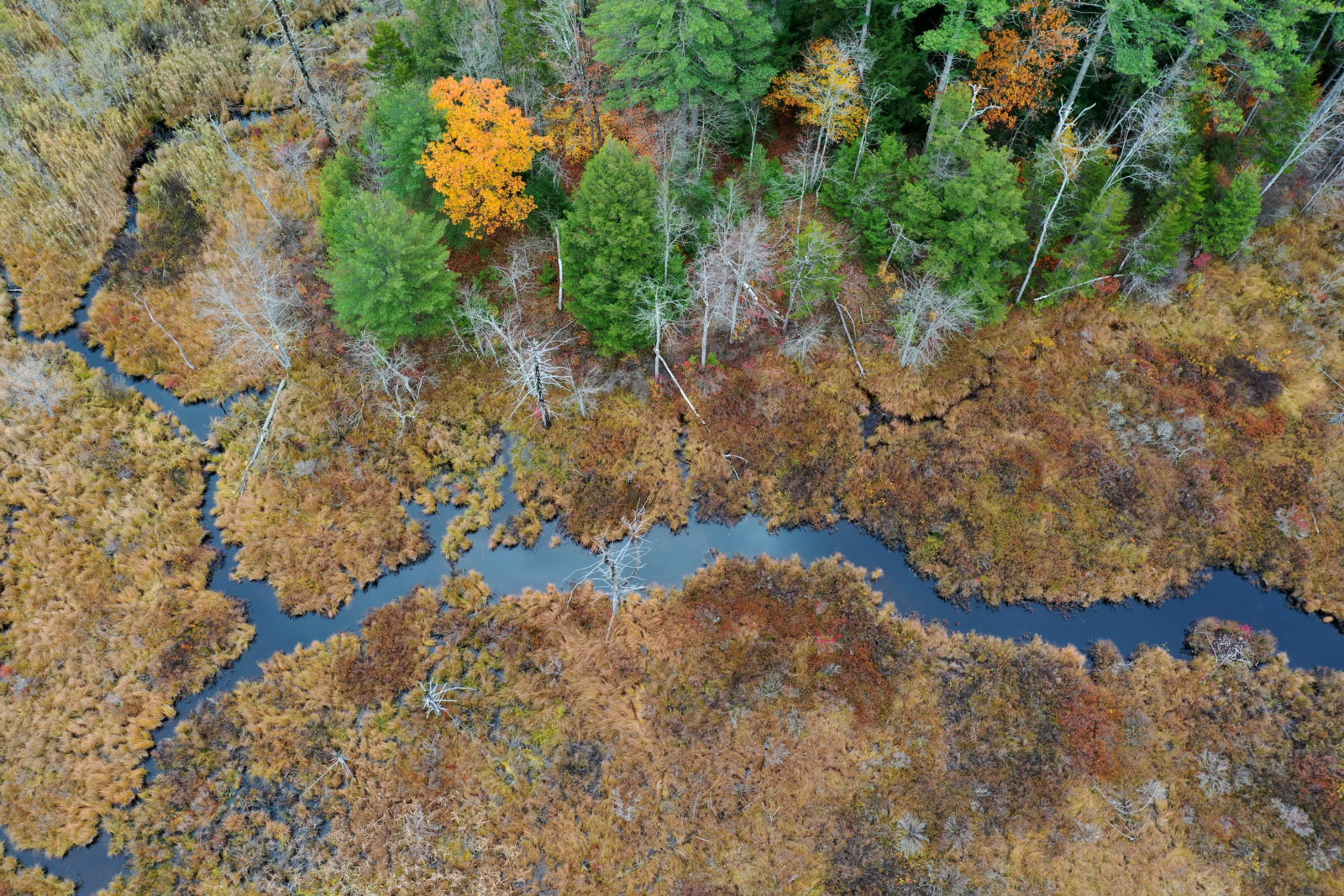
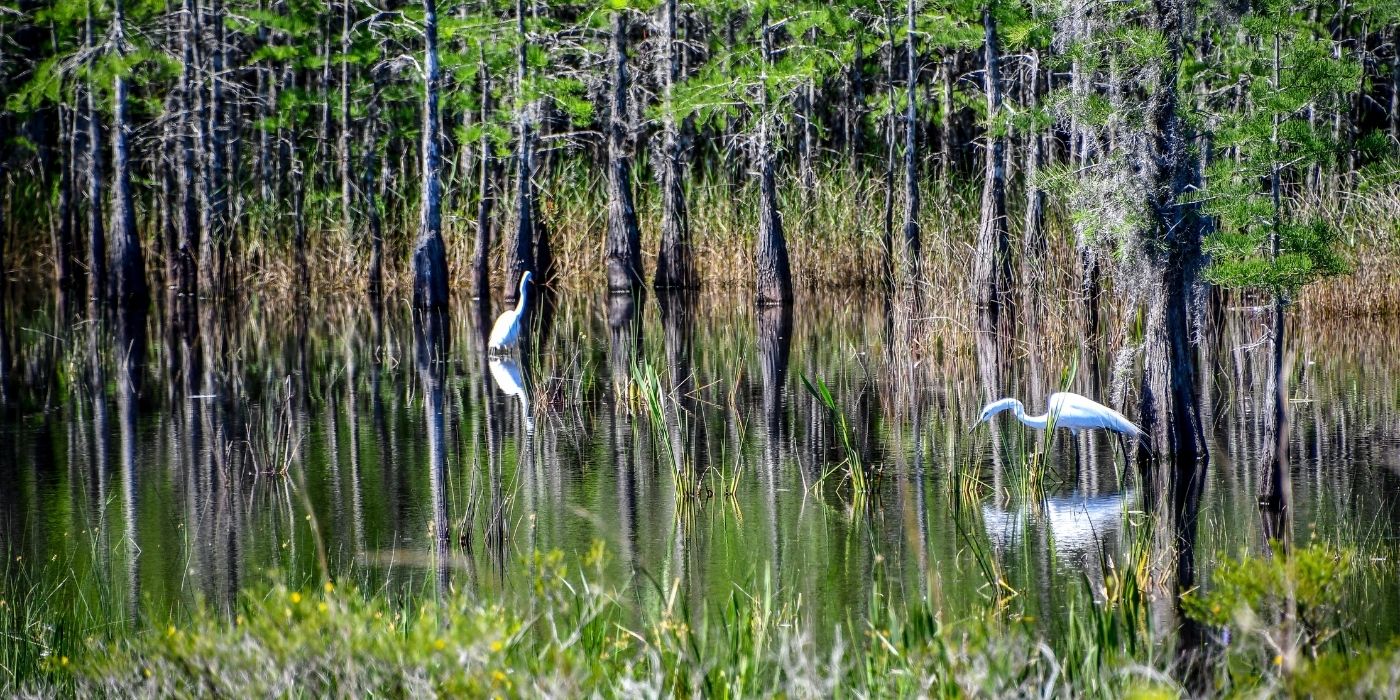
Wetlands are areas where land and water intersect, creating conditions that can sustain a diverse range of plants, birds, amphibians, fish, and other native species. Types of wetlands include:
Inland Wetlands:
- Marshes
- Lakes
- Rivers
- Floodplains
- Peatlands
- Swamps
Coastal Wetlands:
- Saltwater marshes
- Estuaries
- Mangroves
- Lagoons
- Coral reefs
Human-Made Wetlands:
- Fish ponds
- Rice paddies
- Salt pans
Historically, wetlands covered approximately 60% of Florida, but only 30% today(1). About 90% are freshwater wetlands, including marshes and swamps. Roughly 10% are coastal or saltwater systems(2).
How do Florida Residents Benefit from Healthy Wetlands?
In addition to providing vital food and habitat for Florida’s native species, the public benefits significantly from healthy wetlands:
- Absorb and store stormwater to help reduce flooding
- Act as natural filtration systems that protect Florida’s freshwater supply
- Provide spaces for boating, bird watching, photography, and other recreation
- Play a vital role in Florida’s tourism economy
The Biggest Threats to Florida Wetlands
Pollution:
Urban development activities can transport excess nutrients to wetlands. Though they’re naturally rich in nutrients, an overabundance can cause imbalances that make the ecosystems less resilient against nuisance weeds, harmful algal blooms, and other environmental threats.
Climate change:
Rising sea levels are slowly submerging coastal wetlands. Hurricanes and storms are becoming more frequent and destructive, leaving wetlands vulnerable to severe damage. Increasing fluctuations between hot summers and extreme winters put added stress on wetland ecosystems.
Invasive species:
Invasive species are one of the most dangerous threats to Florida’s wetlands. Non-native species are not inherently harmful, but because they evolved in vastly different environments, they don’t fit naturally into other food webs. They often have fewer predators and characteristics that allow them to outcompete native species for food and resources. This can reduce biodiversity and create imbalances that impact the entire ecosystem.
Most invasives are introduced unintentionally through global trade, travel, the aquarium industry, and recreation. Invasive weed fragments, for example, are commonly transported to new areas through boat propellers or by migrating birds. Human activities, particularly those that inundate wetlands with excess nutrients, create conditions for rapid weed growth.
Common Plants That Have Invaded Florida’s Wetlands
- Cuban bulrush
- Brazilian pepper
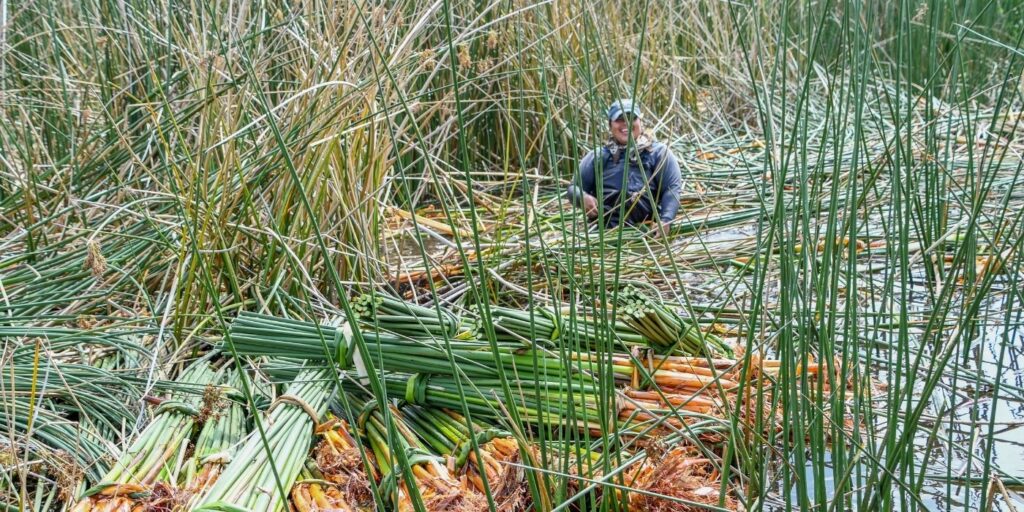
- Phragmites (common reed)
- Water hyacinth
- Water lettuce
- Common duckweed
- Hydrilla
- Wetland nightshade
Effective Invasive Plant Management
Managing invasive plants is critical to promoting balance in wetland ecosystems. Once established, invasive species can be extremely difficult to manage. In most cases, full eradication is not realistic, so the primary goal is to keep invasive plants in check so native species can safely reestablish.
Experts often start with aquatic herbicides to quickly reduce invasive growth that is choking out native vegetation. While essential for initial control, they should not be viewed as a long-term solution.
Because wetlands are delicate ecosystems, these applications are:
- Designed to disrupt specific growth mechanisms in many invasive plants while minimizing the impact on non-target species.
- Only conducted with products registered with the Environmental Protection Agency (EPA)
- Performed by licensed professionals according to precise label instructions
- Part of a holistic approach that includes many eco-friendly, proactive solutions
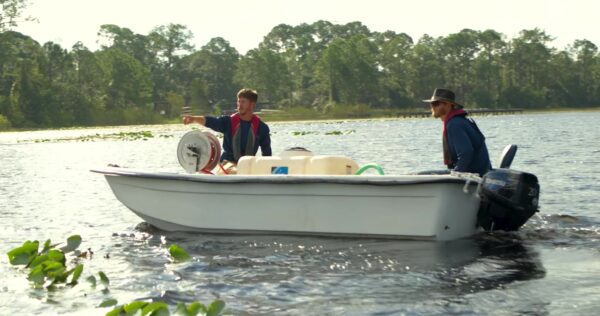
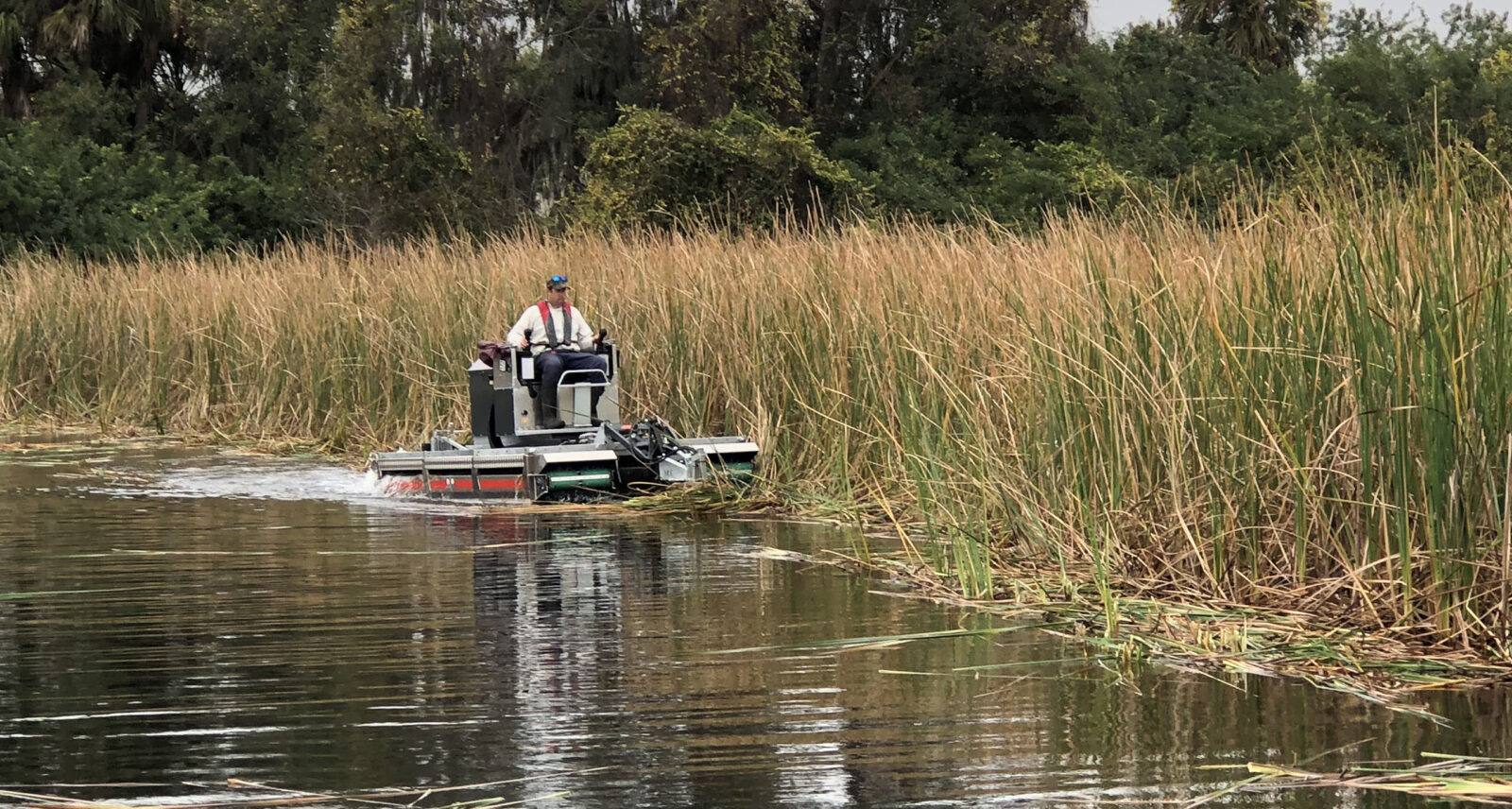
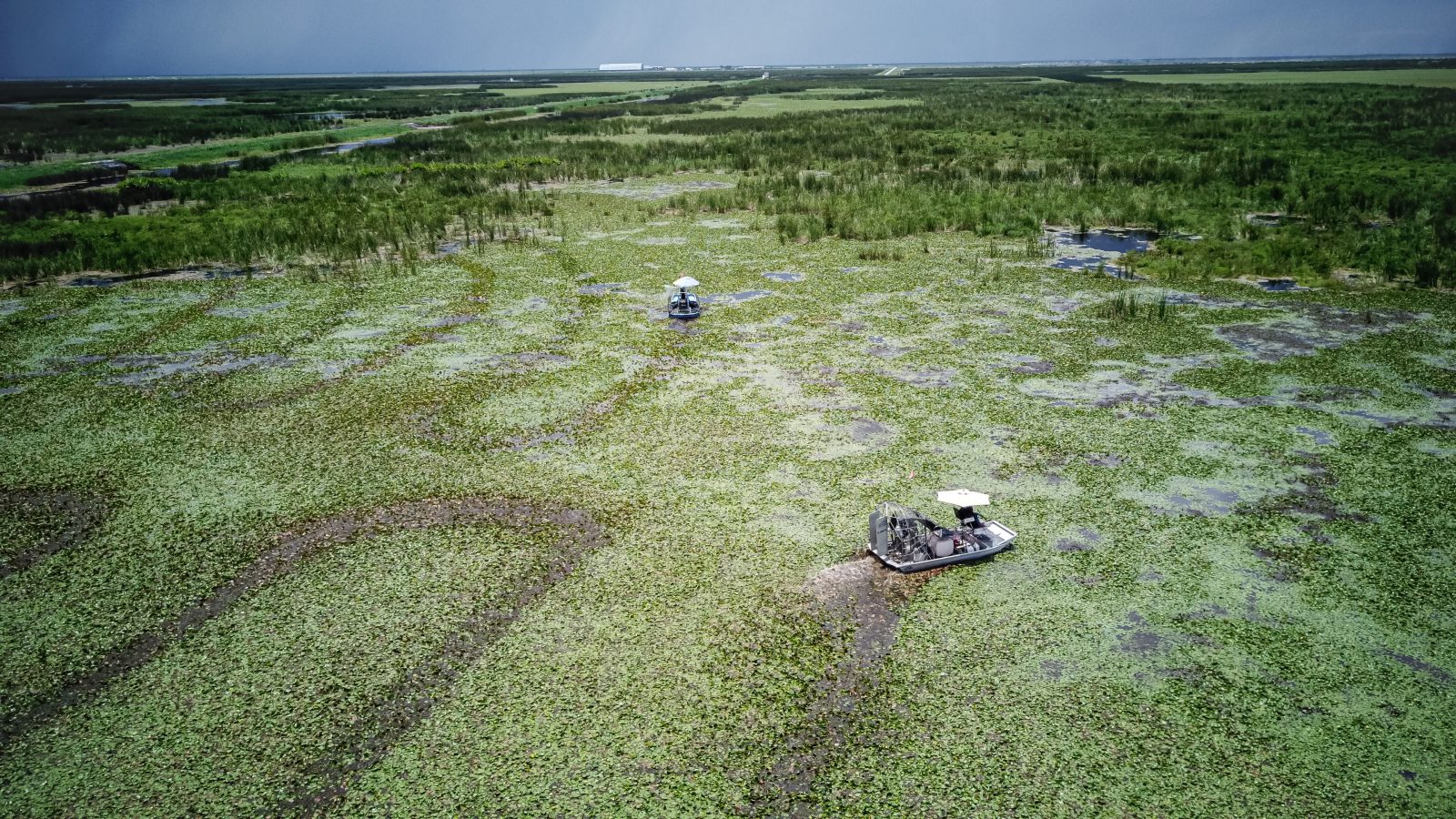
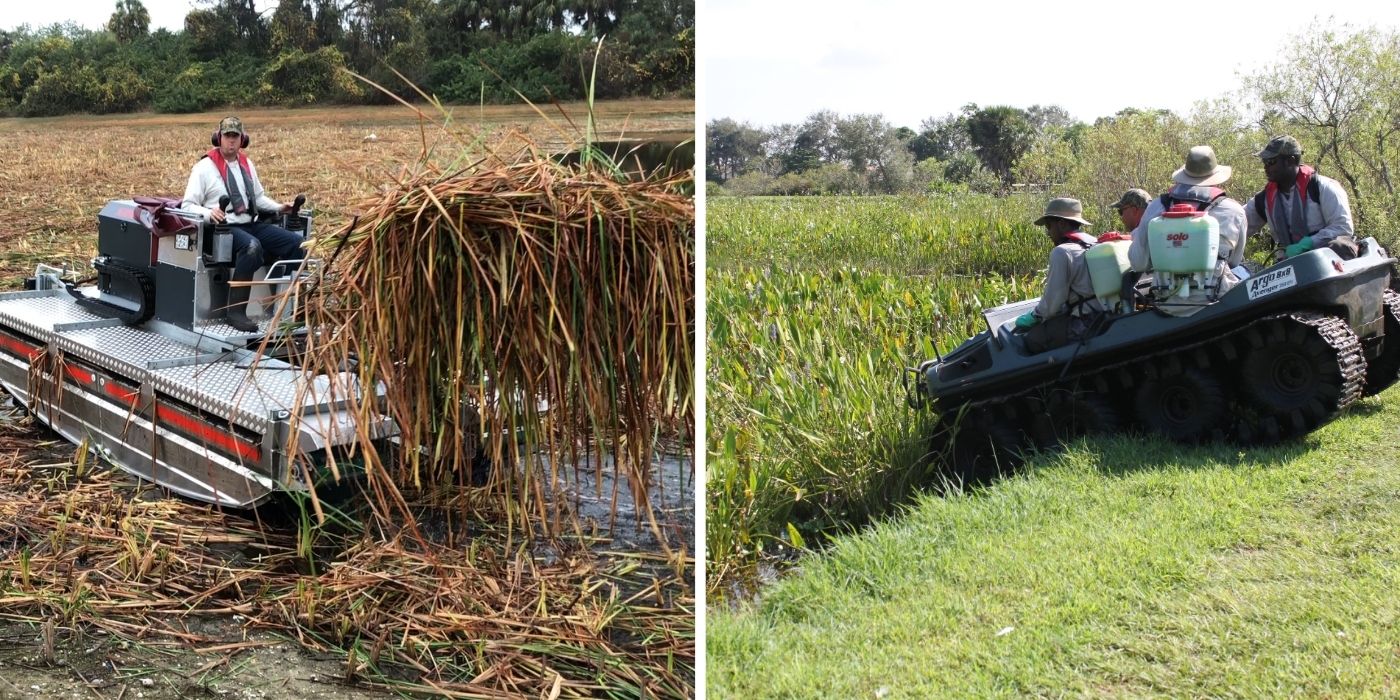
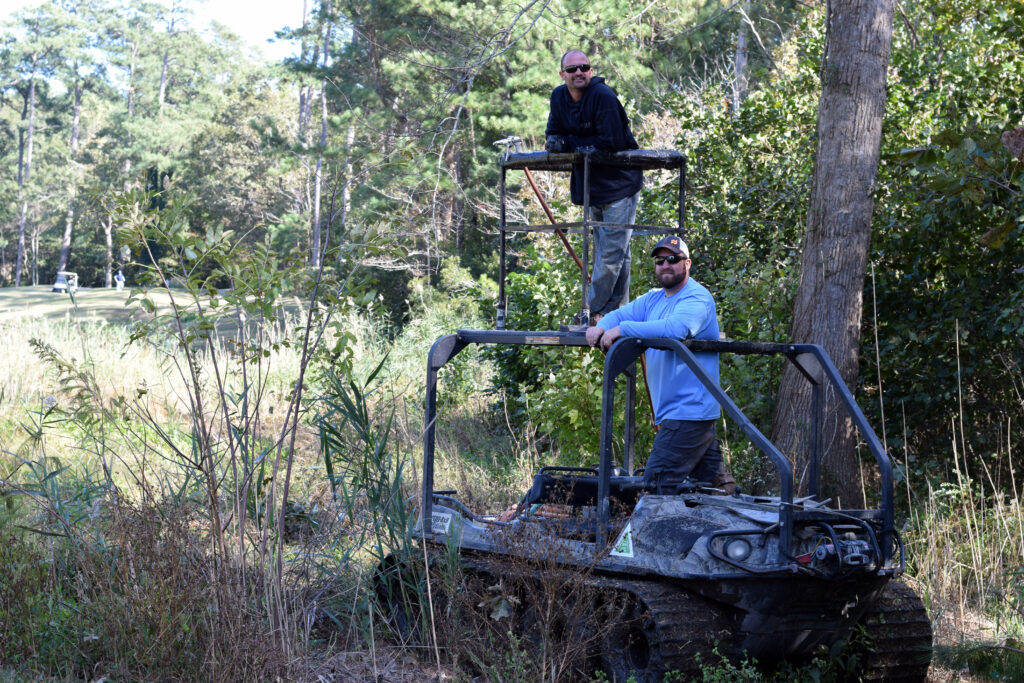
Careful planning and specialized equipment, including airboats, amphibious track vehicles, and low-ground-pressure machinery, help limit disturbances to the delicate habitats. Modern technologies like professional-grade drones are also used to apply herbicides in dangerous or hard-to-reach areas with safety and precision.
In some cases, invasive species may require multiple rounds of follow-up strategies to fully gain control. Phragmites, for example, grows deep roots and tubers that allow the weed to quickly repopulate. Cutting, mulching, or burning may be necessary over several years to ensure it is thoroughly managed.
Restoring Balance
For complex ecosystems like wetlands, minimal intervention helps the environment self-regulate. Communities, golf courses, and private property owners can follow simple best practices to help limit the human impact on surrounding wetlands:
- Reducing lawn and garden fertilizer use
- Properly disposing of trash and pet waste
- Bagging grass clippings and yard debris
- Thoroughly inspecting boat motors, fishing lines, and other water equipment for invasive weed fragments before and after use
Additionally, there may be opportunities to repair deteriorated shoreline areas. Bioengineering restoration techniques are the gold standard. Aquatic Experts fill knitted mesh materials with sediment, shaping them to the desired slope and contour, and anchoring them to the upper shoreline. Then, native plants and shoreline vegetation can be planted directly into the mesh.
Unlike common solutions like rip-rap or bulkhead, bioengineered shorelines become a living extension of the aquatic environment. Native vegetation helps stabilize soil and acts as a protective buffer around the perimeter. Healthy vegetative buffers play a key role in protecting shorelines from weather-related erosion. They also help filter out organic debris and pollutants as water flows into nearby waterbodies during rainstorms.
Regulatory Oversight
Wetland management is challenging, but regulatory oversight can add another layer of complexity. Permitting requirements are strict and often vary across local, state, and federal agencies.
SOLitude has the expertise to navigate permitting processes to ensure all management programs not only support healthy ecosystems but also meet regulatory standards.
The Importance of Ongoing Preservation
Florida’s wetlands are some of the most endangered ecosystems in the country and are always vulnerable to imbalances and invaders. Protecting these environments requires consistent, ongoing maintenance. Programs like SOL Pro Annual Management Plans support healthy, balanced aquatic ecosystems year-round through proactive, holistic care.
SOLitude Lake Management is a nationwide environmental firm committed to providing sustainable solutions that improve water quality, enhance beauty and preserve natural resources.
SOLitude’s team of aquatic scientists specializes in the development and execution of customized lake, stormwater pond, wetland and fisheries management programs. Services include water quality testing and restoration, algae and aquatic weed control, installation and maintenance of fountains and aeration systems, shoreline erosion control, muck and sediment removal and invasive species management. SOLitude partners with homeowners associations, golf courses, private landowners, businesses and municipalities. SOLitude Lake Management is part of Rentokil, a leading business services company, operating across the United States, Canada and Puerto Rico.
For more information, visit SOLitude Lake Management at solitudelakemanagement.com, and connect on Facebook, and LinkedIn.