



A Property Owner’s Guide to Spotting Invasive Aquatic Plants Before They Damage Your Waterbody, with Insights from SOLitude’s Lake and Pond Management Experts.
Aquatic ecosystems vary significantly across the United States. A lake in Florida may look and function much differently from a pond in the Midwest. However, no matter where a waterbody is located or what it’s used for, all are susceptible to the same problem – nuisance and invasive species.
Why Are Invasive Aquatic Weeds Bad for Ponds?
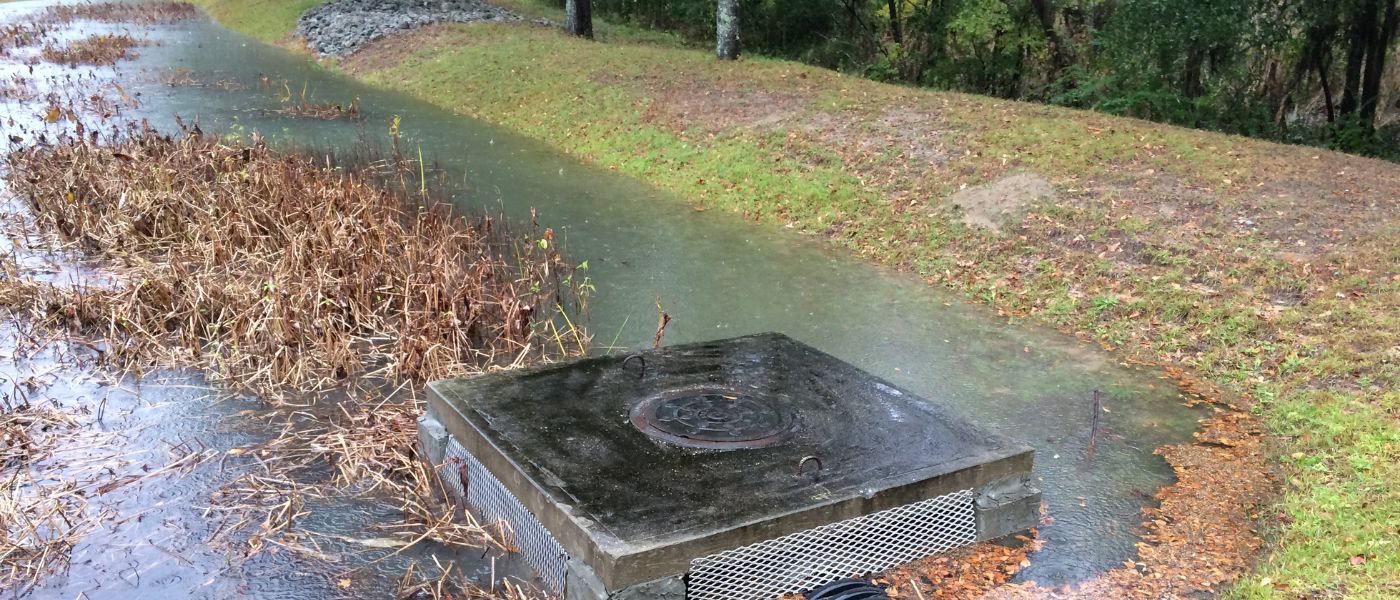
Whether it’s a decorative community pond or a large drinking water reservoir, invasive weeds can spread rapidly because they have few natural predators. In addition to outcompeting native species for habitat and resources, weed infestations can:
- Degrade water quality
- Impact aesthetics
- Interfere with recreation
- Damage stormwater equipment
- Increase flooding risks
- Deteriorate shorelines
- Accelerate muck accumulation
- Lead to potential injuries
- Require costly intervention
While the most problematic species differ by region, understanding what to look for is the first step toward effective management. Early detection and swift action are crucial to prevent pond weed infestations from escalating into larger, more expensive problems.
How Pond Weeds Spread in U.S. Lakes and Ponds
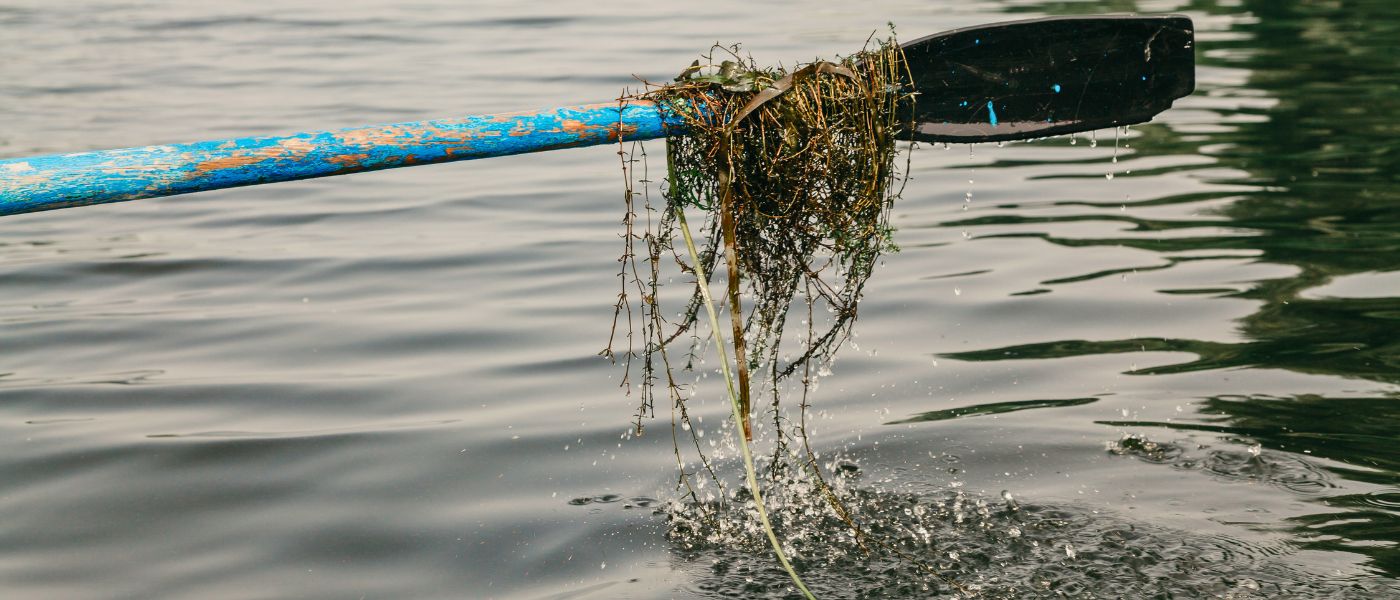
Many nuisance and invasive weeds reproduce through fragmentation, where small pieces of plants can regrow into infestations. This makes them particularly challenging to control.
These fragments may be transported in several ways:
- Intense Water Movement – Severe storms, hurricanes, flooding
- Wildlife – Birds and other migrating animals
- Recreation – Boats, trailers, and fishing equipment
- Commerce – Aquarium trade, ornamental use
The Four Categories of Invasive Aquatic Weeds
Aquatic weeds fall into four primary categories:
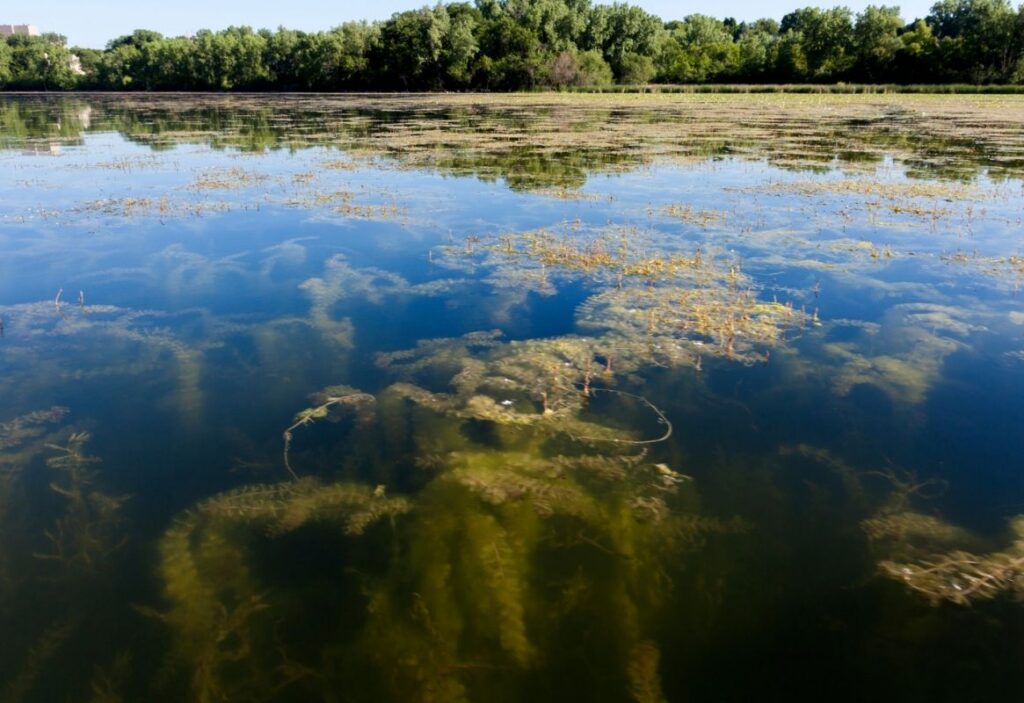
Submersed Weeds
Submersed weeds grow from the bottom of lakes and ponds, often staying hidden until infestations expand. Though rooted underwater, some species reach toward the surface and may snare fishing lines, tangle boat propellers, and create hazards for swimmers.
Floating Weeds
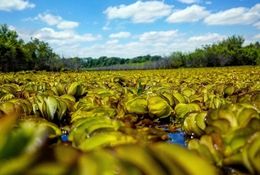
Floating weeds have roots in the water, but most of their plant material is visible on the surface. When they spread, they block sunlight, reduce dissolved oxygen levels, and restrict water movement.
Emergent Weeds
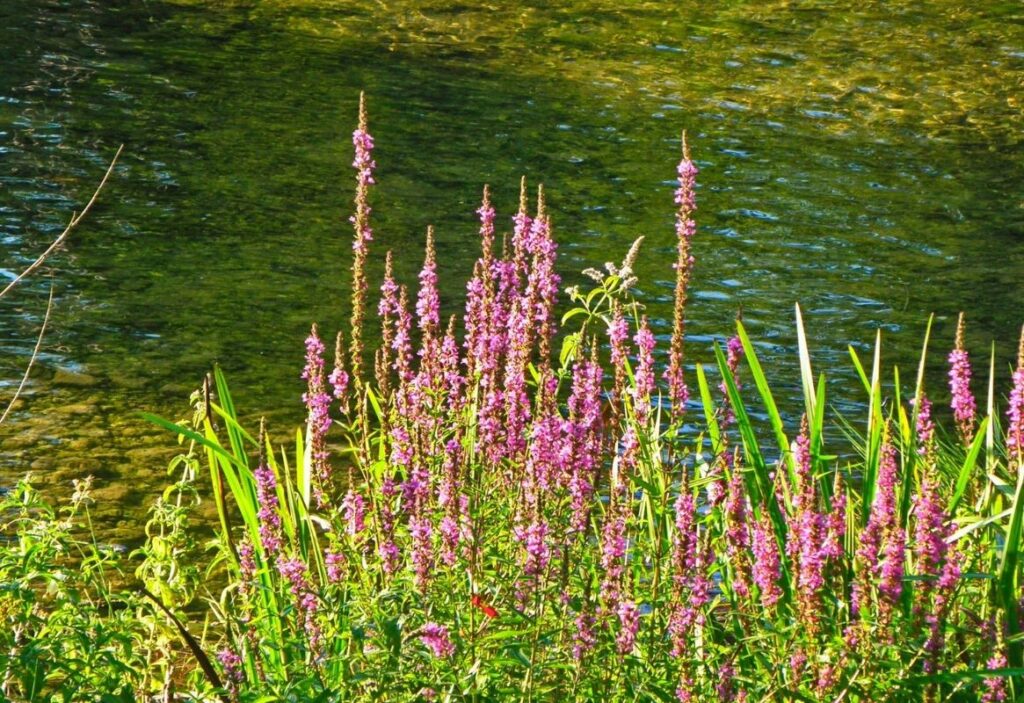
Emergent weeds grow in shallow water around a waterbody’s perimeter. Their stems and leaves typically extend above the surface.
Wetland Weeds
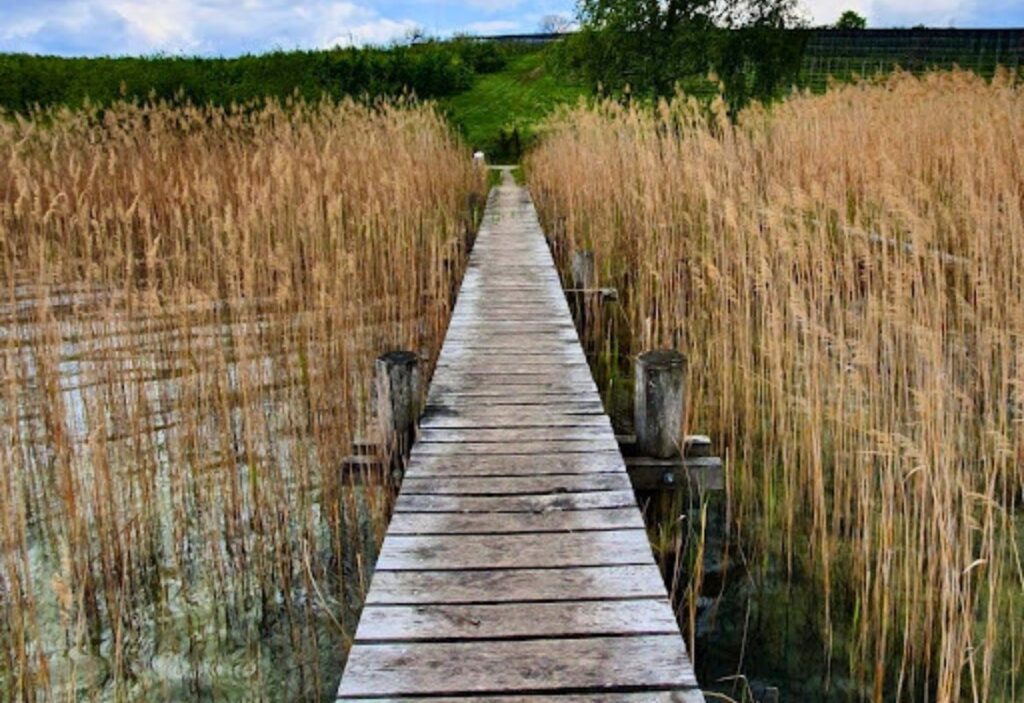
Wetland weeds can disrupt surrounding areas where land is covered by surface water. These ecosystems provide vital habitat and resources for diverse plants and animals.
Identifying Invasive Pond Weeds
In order to effectively control nuisance and invasive pond weeds, it’s vital to know which species you’re dealing with. Below are the most common types of aquatic weeds found in U.S. lakes and ponds.
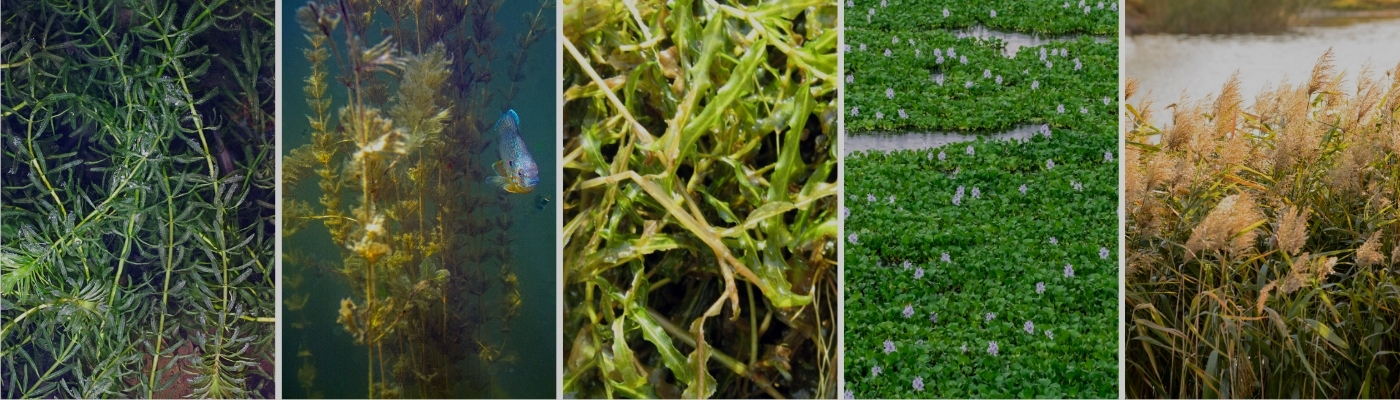
Hydrilla (Hydrilla verticillata) – Submersed Invasive Weed
What is hydrilla?
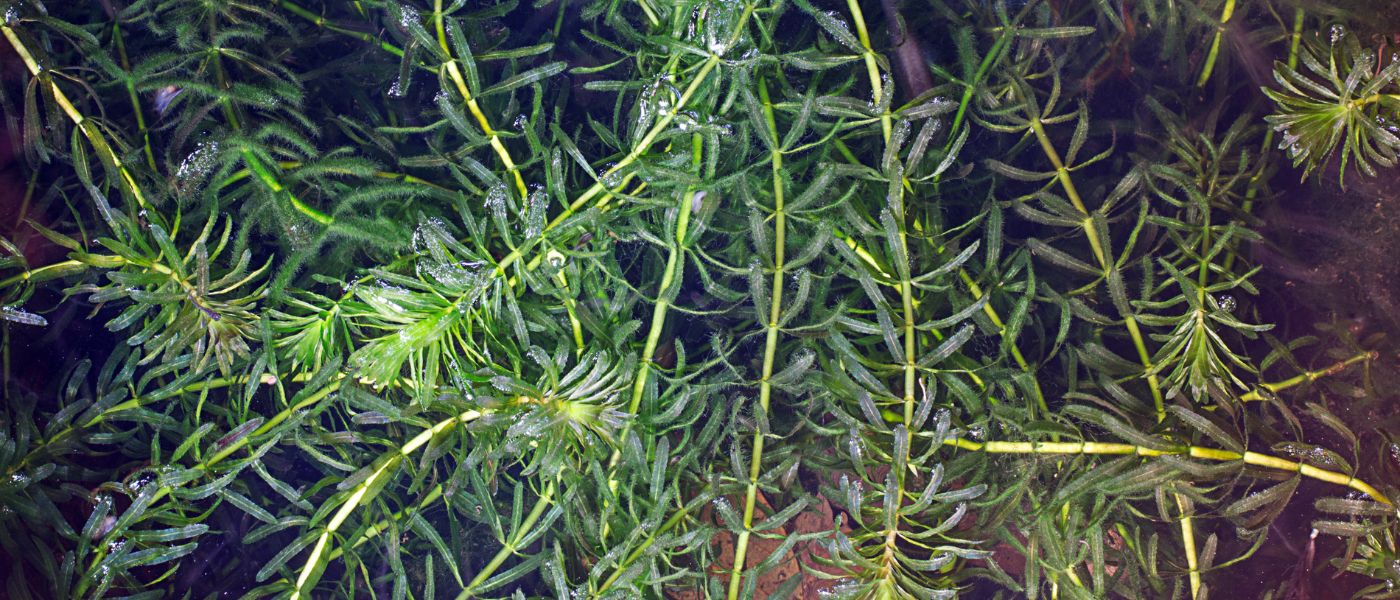
Hydrilla is a highly aggressive submersed plant known for its ability to thrive in nearly any freshwater system. Native to Asia, it forms dense underwater strands that block sunlight, clog waterways, and outcompete native vegetation. It grows rapidly, fragments easily, and can pose hazards to swimmers and boaters.
Invaded regions: Southeast, Southwest, Mid-Atlantic, Northeast
How to identify Hydrilla:
- Slender underwater stems reaching up to 25 feet in length
- Leaves in whorls of 4–8 with finely serrated edges and visible midrib spines
- Small white flowers occasionally visible near the water surface
- Turions at leaf axils and underground tubers that can remain dormant for years
According to SOLitude District Manager and ISA Certified Arborist, Adam Grayson,
Hydrilla is an invasive exotic aquatic submersed plant that can grow up to an inch a day in the Summer! Once established, this noxious weed can quickly form a monoculture, excluding native species and altering the aquatic ecosystem. Its rapid growth also displaces stormwater capacity, which can cause flooding during the rainy season, and especially during hurricane season. Early detection and rapid response are critical, but SOLitude can address Hydrilla at any stage with specialized aquatic herbicides that provide long-term control.
Eurasian Watermilfoil (Myriophyllum heterophyllum) – Submersed Invasive Weed
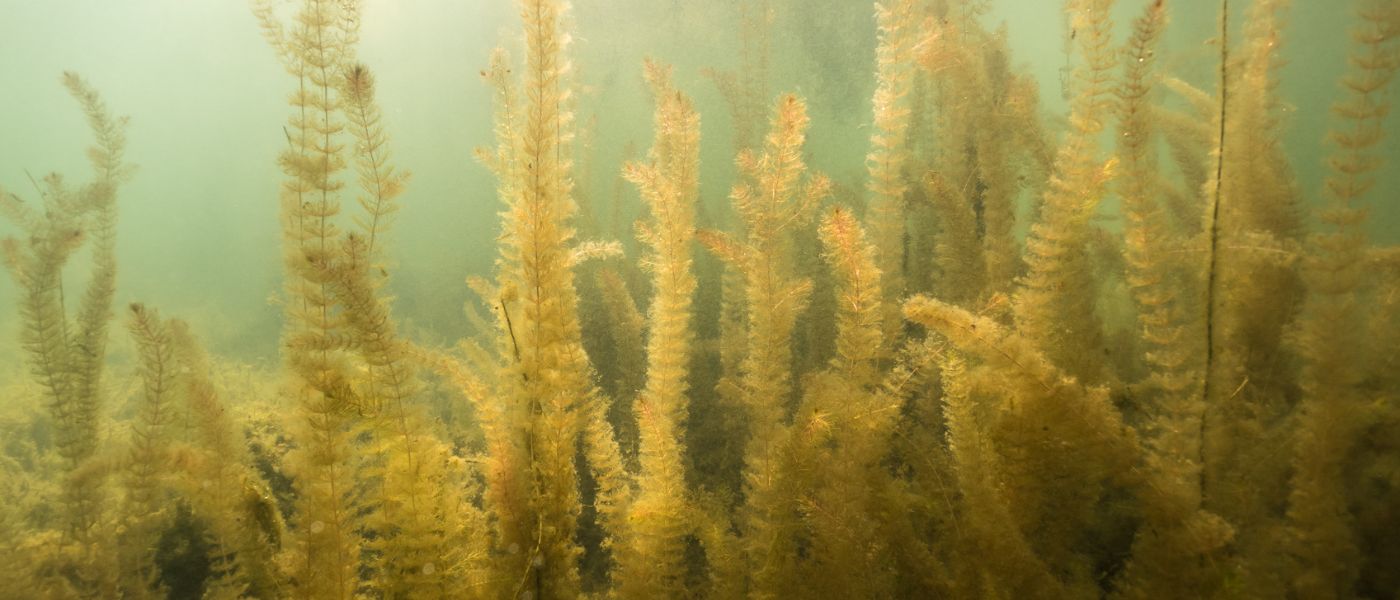
What is Eurasian watermilfoil?
Eurasian watermilfoil is a fast-growing invasive plant introduced from Europe. Its feathery, submerged leaves form thick underwater mats. It spreads easily through fragmentation and thrives in a wide range of conditions, making it difficult to manage once established.
Invaded regions: Nationwide
How to identify Eurasian Watermilfoil:
- Feather-like leaves with 12+ fine leaflets arranged around slender stems
- Dense underwater growth reaching up to 8 feet long
- Reddish flower spikes that may extend above the surface
- Stems that fragment easily
Curly-Leaf Pondweed (Potamogeton crispus) – Submersed Invasive Weed
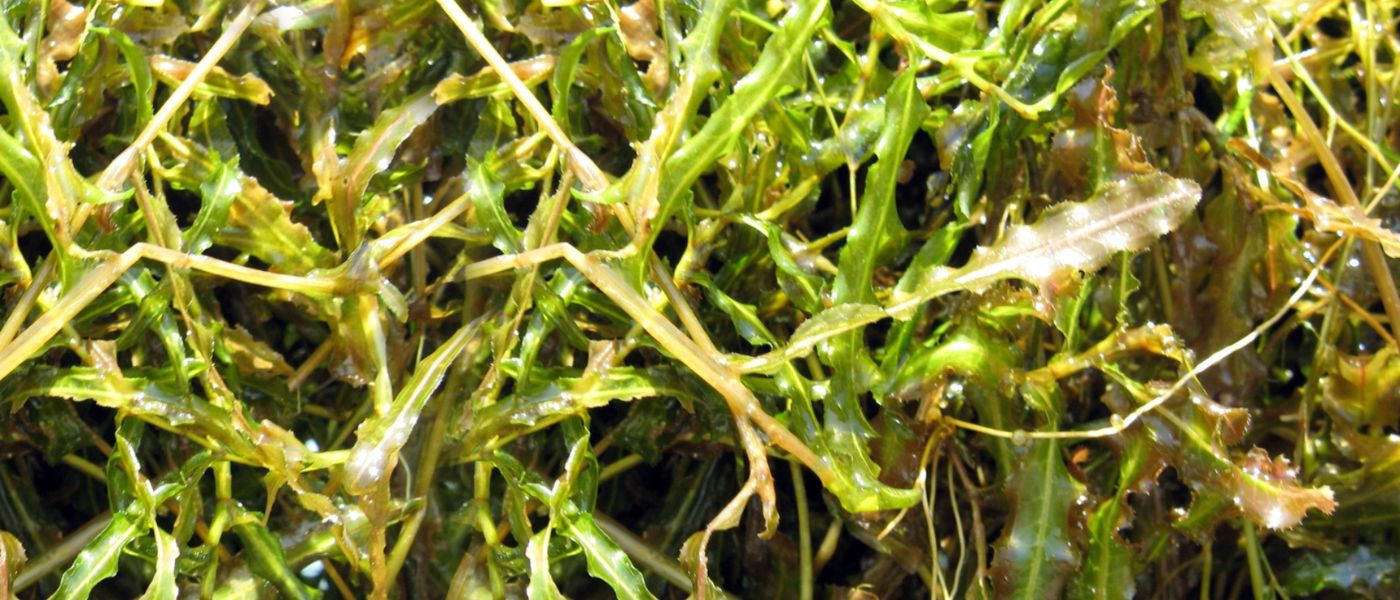
What is Curly-Leaf Pondweed?
Curly-leaf pondweed is an early-season invasive aquatic plant that gains a competitive advantage by growing before most native species. Native to Eurasia, it spreads rapidly in cool water conditions and forms dense surface mats that disrupt oxygen levels and crowd out native plants. Its growth cycle and ability to survive under ice make it especially persistent in northern and temperate waters.
Invaded regions: Nationwide
How to identify Curly-Leaf Pondweed:
- Oblong leaves with wavy, crinkled edges resembling lasagna noodles
- Glossy, dark-green foliage arranged alternately on stems
- Stems that grow up to 10 feet long in dense underwater beds
Water Hyacinth (Eichhornia crassipes) – Floating Invasive Weed
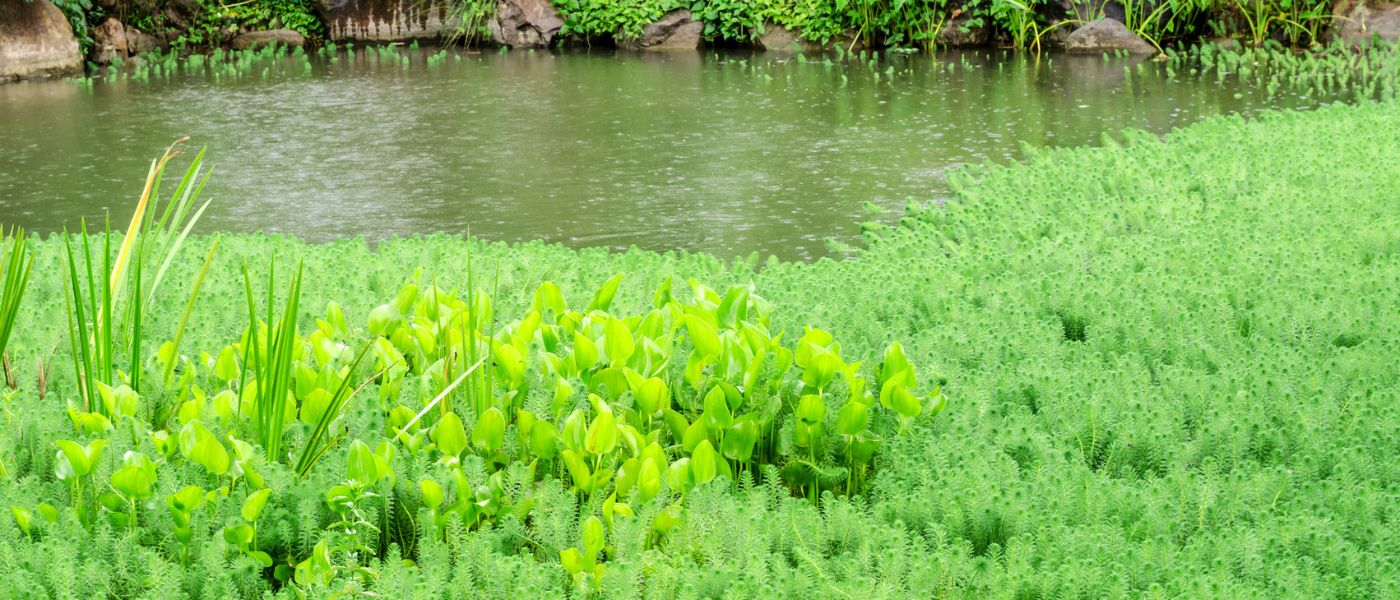
What is Water Hyacinth?
Water hyacinth is a fast-spreading floating aquatic plant native to the Amazon basin. It forms thick surface mats that block sunlight, reduce oxygen levels, and severely disrupt aquatic ecosystems. Its rapid reproduction allows it to cover entire waterbodies.
Invaded regions: Primarily Southeast and Southern U.S., expanding in warm climates
How to identify Water Hyacinth:
- Broad, rounded, waxy green leaves that float on the water surface
- Distinct purple-blue flower spikes that emerge above foliage
- Thick, spongy leaf stalks that provide buoyancy
- Long, fibrous root systems hang beneath floating mats
Common Reed (Phragmites australis) – Wetland Invasive Weed
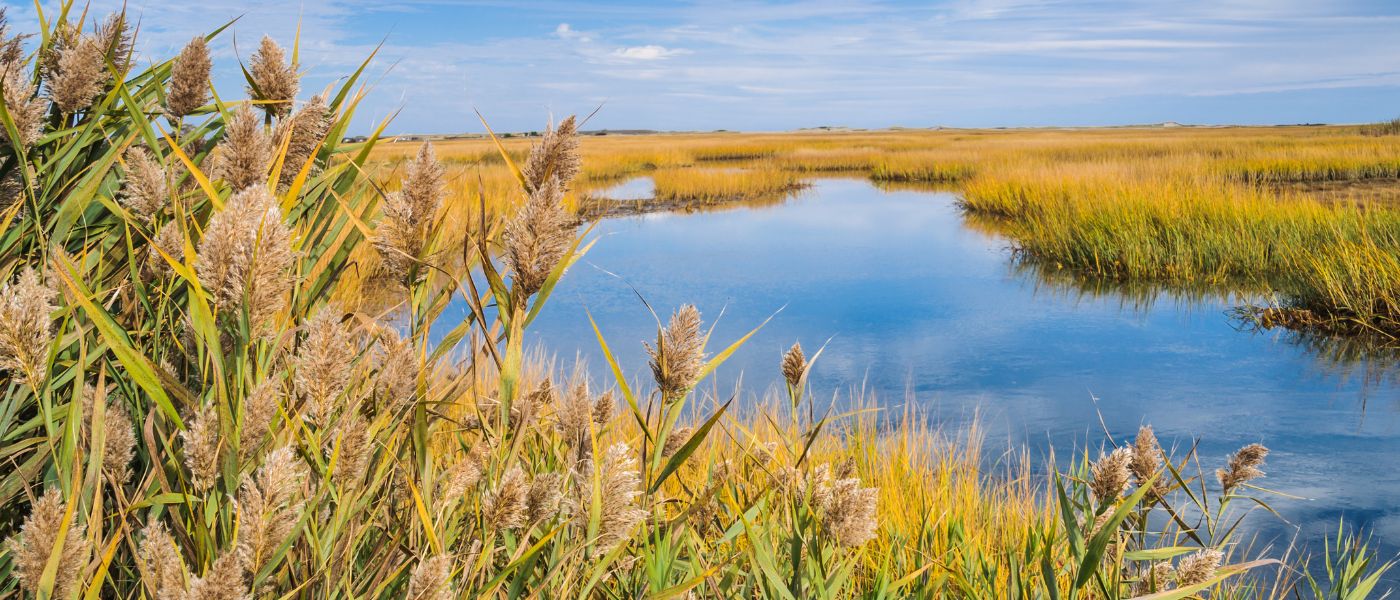
What is Common Reed?
Common reed is a highly invasive perennial grass that dominates wetlands, shorelines, and drainage areas. It forms dense monocultures up to 16–19 feet tall and outcompetes native plants through rapid rhizome expansion and soil chemistry changes. Once established, it can be incredibly difficult to eliminate, often requiring multi-year control efforts.
Invaded regions: Nationwide
How to identify Common Reed:
- Tall reed grass reaching up to 16–19 feet in height
- Dense, cane-like stems that form thick stands
- Large feathery purple-brown flower plumes in late season
- Extensive underground rhizome systems
How to Get Rid of Pond Weeds: Reactive vs Long-Term Management
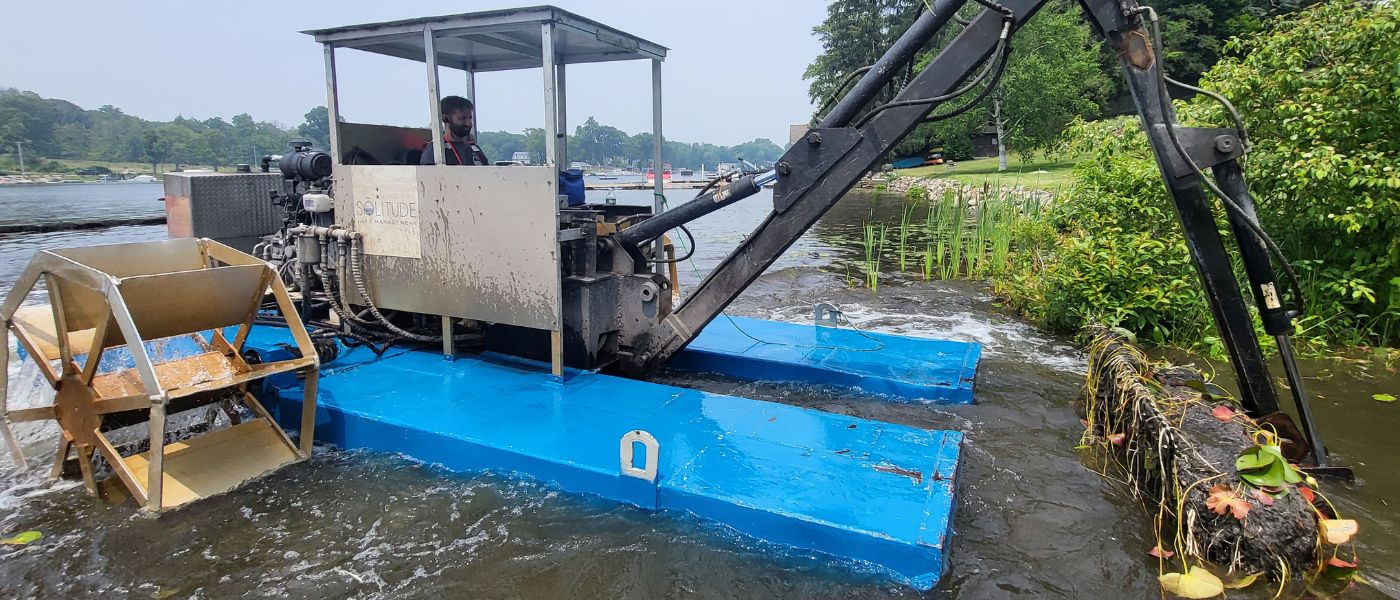
Effective weed control strategies typically require a combination of immediate treatments and long-term prevention efforts.
Reactive management strategies focus on addressing existing infestations but do not address the underlying conditions that allow weeds to flourish.
Reactive aquatic weed control services may include:
- Targeted Herbicides:
When applied correctly by licensed professionals, EPA-registered aquatic herbicides can selectively control invasive weeds while minimizing impacts on desirable species. Herbicides are often the first step in restoring ecological balance, but they should not be relied on long-term. - Mechanical Harvesting:
Harvesting is an effective method for controlling floating weeds. The floating harvester cuts and collects the weeds on a conveyor before moving them onshore for dewatering and removal. Because small plant fragments that are left behind after harvesting can regrow, additional harvests may be required throughout the year to keep growth to a minimum. - Mechanical Hydro-raking:
A hydro-rake can remove rooted submersed and emergent weeds. A hydro-rake is a floating backhoe capable of lifting up to 500 pounds of plant matter, buried tubers, seeds, and detritus in each scoop. Because it operates from the water, a hydro-rake can work near the shoreline without damaging it. Additionally, hydro-raking can help restore depth and volume to shallow waterbodies, reducing flood risks. - Biological Control:
Where permitted and appropriate, triploid (sterile) grass carp can be introduced as a natural, long-term weed control solution. These fish consume large amounts of aquatic vegetation and can help reduce recurring infestations over time. However, because they may also feed on desirable plants and are regulated in many states, professional guidance is essential before stocking.
Preventative Pond Weed Control Strategies
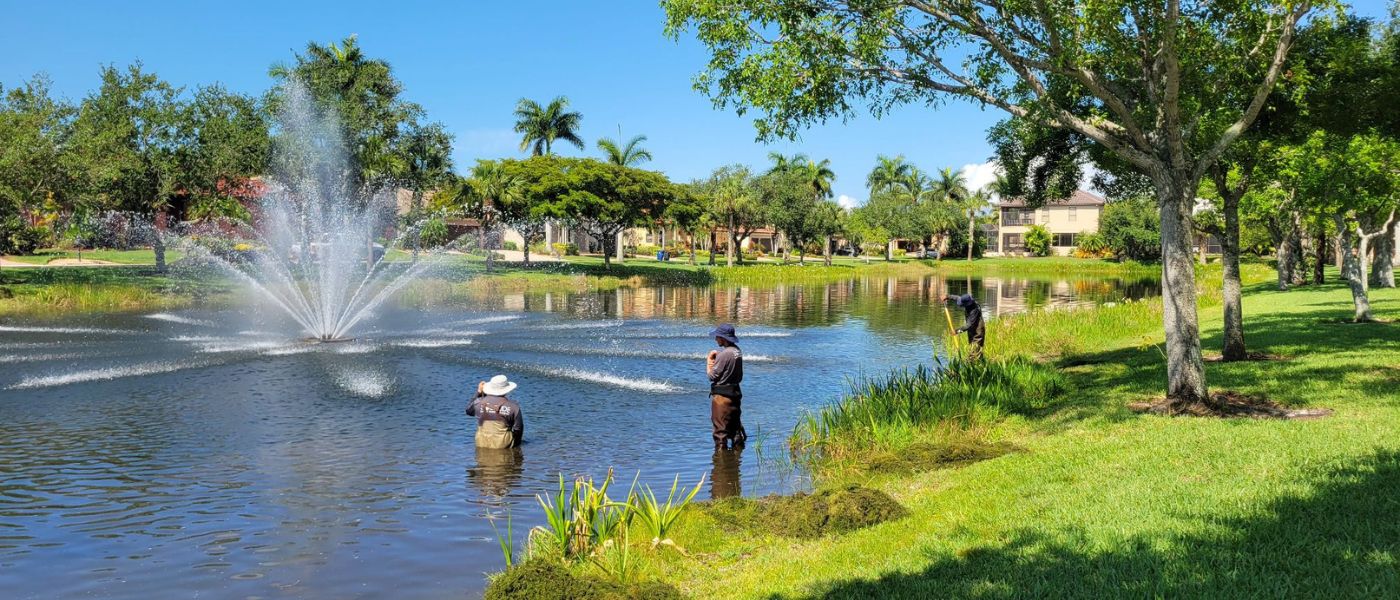
Preventative management focuses on improving waterbody health and reducing the conditions that allow invasive weeds to thrive. While these strategies do not typically provide immediate results, they are often the most effective way to minimize recurring infestations and reduce long-term management costs.
- Nutrient Management
Excess nutrients, particularly phosphorus, fuel weed growth. Nutrient remediation products can help bind or deactivate phosphorus so that it can no longer provide nutrients to undesirable plants. - Biological Bacteria
Healthy waterbodies require healthy levels of aerobic bacteria, which support the natural decomposition of organic matter like dead plants and nutrient-rich muck. - Ecosystem Restoration Solutions
Ecosystem restoration solutions increase oxygen in bottom sediments, helping break down organic matter, reduce nutrient levels, improve water quality, and restore lake depth over time. - Aeration
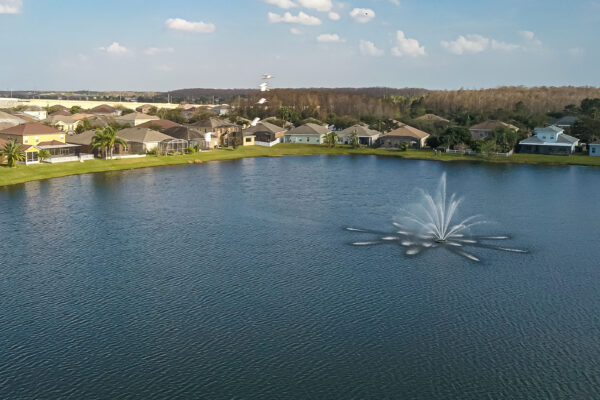
Pond fountains, surface aerators, and submersed aerators help improve water quality by increasing dissolved oxygen and circulating it throughout the water column. Waterbodies with balanced oxygen levels are more resilient to the conditions that support weed growth. - Shoreline Buffer Vegetation
When strategically introduced around the perimeter of the waterbody, native shoreline vegetation helps naturally filter out external nutrient sources, including lawn and garden fertilizers, grass clippings, leaves, and animal waste. - Water Quality Testing
Routine testing provides valuable insight into nutrient levels, dissolved oxygen, pH, and other indicators of waterbody health. Tracking these conditions over time allows potential issues to be identified and corrected before weed problems develop. - Routine Inspections and Monitoring
Regular monitoring is one of the most effective tools to prevent major infestations. Aquatic specialists can identify invasive species early and remove their growth while it’s still simpler and more cost-effective to control.
Tips to Prevent the Spread of Invasive Weeds
Preventing invasive aquatic weeds is far easier and more cost-effective than eliminating them once established. Because people often play an unintended role in their spread, awareness and proactive stewardship can go a long way in protecting our precious lakes, ponds, and wetlands.
Here are some tips to help prevent the spread of invasive weeds:
Clean Before You Leave
- Inspect and rinse boats, trailers, fishing gear, and recreational equipment after use
- Check footwear and clothing for seeds or plant fragments before visiting another site
Reduce Nutrient Inputs
- Pick up pet waste and limit fertilizer use
- Refrain from mowing native shoreline vegetation around the water
Choose Plants Carefully
- Ensure that any ornamental species you plant are native to your region
- Learn to identify invasive species before planting or relocating vegetation
- Do not release aquarium plants or animals into local waterways
Support a Healthy Waterbody
- Report suspected invasive species early to environmental professionals or local authorities
- Work with Aquatic Experts to design a proactive management program
Key Takeaways
- Invasive weeds are persistent because they thrive in nutrient-rich, imbalanced aquatic environments where they have few natural predators.
- While aquatic weed removal methods can provide short-term relief, long-term success can only be achieved through consistent preventative management.
- A healthy waterbody isn’t necessarily weed-free; it is ecologically balanced with a diverse range of native plants and animals.
Explore Lake Weed Control Solutions
SOLitude Lake Management is a nationwide environmental firm committed to providing sustainable solutions that improve water quality, enhance beauty and preserve natural resources.
SOLitude’s team of aquatic scientists specializes in the development and execution of customized lake, stormwater pond, wetland and fisheries management programs. Services include water quality testing and restoration, algae and aquatic weed control, installation and maintenance of fountains and aeration systems, shoreline erosion control, muck and sediment removal and invasive species management. SOLitude partners with homeowners associations, golf courses, private landowners, businesses and municipalities. SOLitude Lake Management is part of Rentokil Terminix, a leading business services company, operating across the United States, Canada and Puerto Rico.
For more information, visit SOLitude Lake Management at solitudelakemanagement.com, and connect on Facebook, LinkedIn, and YouTube.