



Article Summary
- Proactive lake and pond management before winter helps protect water quality while conditions are still easy to work in.
- Falling leaves, cooling water, and ice cover can all change how a waterbody behaves.
- Addressing root causes such as nutrients, oxygen, and shoreline stability now can reduce the likelihood of bigger problems in spring.
- A science-based, year-round plan keeps lakes and ponds healthy, functional, and enjoyable for the people who live near them.
When the weather cools, it’s tempting to treat your lake or pond as “done” until spring. In reality, the work you do before winter shapes how your waterbody comes through the cold months and how it looks when the season turns. Proactive lake and pond management means addressing the underlying causes of water quality problems instead of reacting to symptoms later. For community managers, municipalities, and property owners, fall is one of the best times to get ahead. If you’re building a year-round plan, our pond maintenance services are a good place to start.
How does fall affect lake and pond water quality?
Fall brings cooling water, dying vegetation, and falling leaves that add organic material to a lake or pond. As that material breaks down, it can use up oxygen and release nutrients, including phosphorus. Proactive lake and pond management helps balance these inputs before winter limits access and options.
What Happens in a Lake or Pond as Temperatures Drop?
Cooling air and water temperatures change how a waterbody moves and holds oxygen. Surface water cools, becomes denser, and can mix with deeper water as the season shifts. Plant material begins to die back, and falling leaves and debris settle into the water. Each of these changes can affect oxygen levels and nutrient availability well after the first frost.
Why Is Fall the Right Time for Proactive Management?
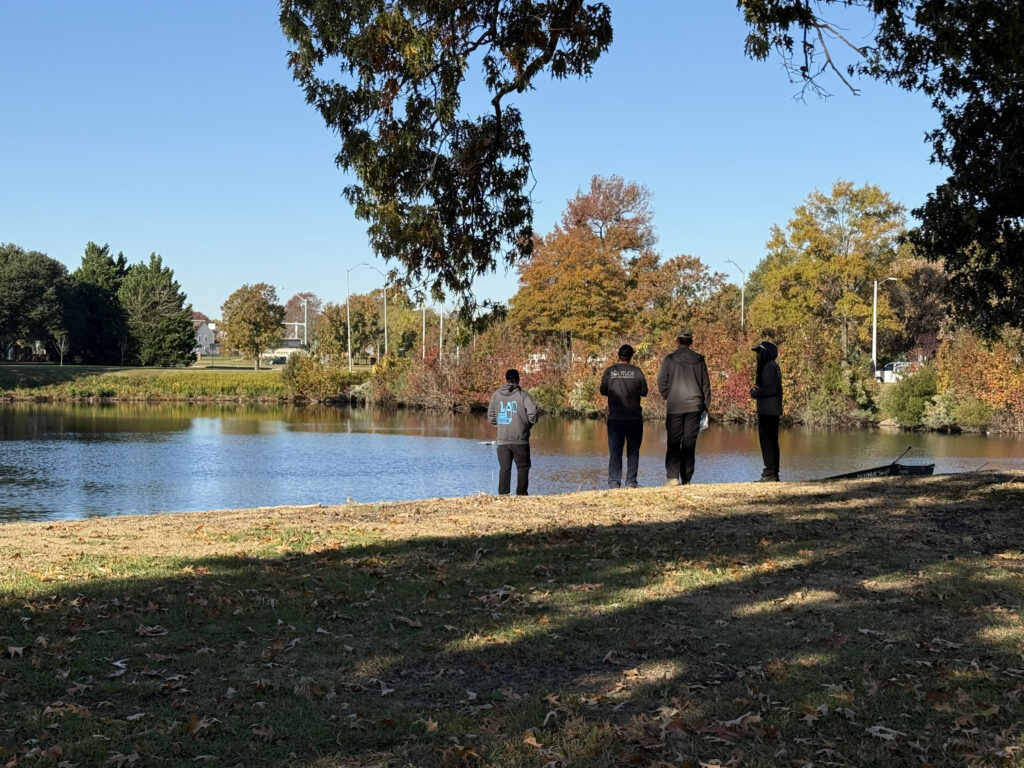
Fall gives you a window to act while the waterbody is still accessible and conditions are workable. Waiting until problems show up in spring often means a more reactive and more expensive response.
Acting before winter helps you:
- Address nutrient sources early. Nutrients that accumulate in water and sediment are a common root cause of water quality issues. Managing them at the source supports balance for the seasons ahead.
- Support oxygen levels. Circulation and aeration help keep oxygen available throughout the water column. They matter more once ice or cold conditions limit natural exchange. Our guide to how pond aeration supports water quality explains this in depth.
- Check shorelines and structures. Fall is a good time to look for erosion, sediment buildup, and inlet or outlet issues before freeze-thaw cycles and spring rain add stress.
- Remove muck buildup and rooted vegetation. Fallen leaves, plant material, and organic muck can accumulate on the bottom and contribute to nutrient loading over time. Hydro-raking physically removes muck and rooted vegetation, such as phragmites, helping reduce those nutrient sources or nuisance vegetation before the cooler months set in.
- Plan and budget ahead. Scheduling work and setting a program for next year avoids scrambling when the season changes.
How Does Winter Affect Water Quality, Fish, and Wildlife?
Cold weather slows biological activity, but it doesn’t pause everything. When ice or snow limits oxygen exchange, oxygen levels can decline, which can stress fish and other aquatic life. According to the University of Illinois Extension, snow and ice cover limit light and keep atmospheric oxygen from diffusing into the water, so what winter means for your pond is worth understanding before the cold sets in.
Decomposing organic material also continues to settle and accumulate in the background. The conditions you set up in the fall help determine how well the system holds up. The U.S. Environmental Protection Agency explains how excess nutrients affect water quality and why managing them matters.
What Does a Proactive Lake and Pond Management Plan Include?
A proactive plan looks at the whole waterbody over time, not just the part you can see from the shore. Depending on your site, it may include:
- Water quality monitoring to assess nutrient levels, oxygen levels, and overall balance.
- Nutrient management to help address root causes, such as phosphorus.
- Aeration and circulation to support oxygen and more stable conditions.
- Shoreline and erosion review to protect banks and reduce sediment entering the water.
- Seasonal planning so treatments and inspections happen at the right time of year.
When products are needed, they are applied according to the conditions and goals of each waterbody. The aim is lasting balance, not a quick fix.
How Does Healthy Water Benefit Your Community?
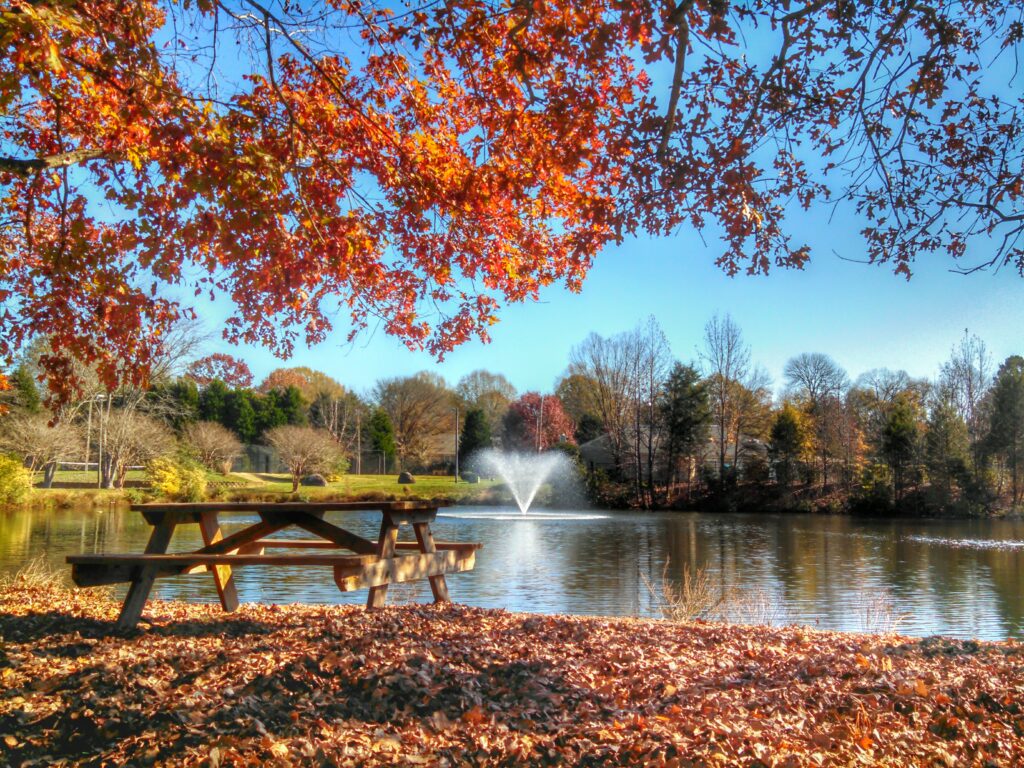
Lakes and ponds are more than infrastructure. They’re where people walk the shoreline, gather with neighbors, watch wildlife, and unwind after a long day.
“Blue Mind” is a term popularized by marine biologist Wallace J. Nichols to describe the calm, restorative feeling many people experience near water. That feeling is closely tied to how a waterbody looks, smells, and functions. This is why water quality matters well beyond the technical side.
A well-managed lake or pond can help support:
- Resident satisfaction. Walking paths, benches, and water views are often what people value most about a community, and a healthy waterbody helps them stay inviting.
- Property appearance. Balanced water and stable shorelines contribute to curb appeal and the overall impression of a property.
- Wildlife and habitat. Birds, fish, and pollinators depend on a balanced system. Fall preparation helps set them up for the colder months.
- Year-round enjoyment. A pond that comes through winter in good shape is ready to be enjoyed as soon as the weather warms.
For HOA boards, property managers, and municipal teams, this is also a practical point. A waterbody that residents feel good about reduces complaints and supports the property’s long-term value. Proactive care in the fall helps you protect that experience year-round, not just in summer.
Key Takeaways
- Proactive lake and pond management before winter helps protect water quality and reduces the likelihood of larger problems in spring.
- Fall leaf litter, cooling water, and ice cover can affect oxygen and nutrient levels.
- Addressing root causes, such as nutrients and circulation, supports long-term balance.
- Shoreline and structure checks in the fall help you plan and avoid reactive repairs.
- A year-round, science-based plan keeps your waterbody healthy and enjoyable for your community.
Ready to Plan Ahead for Winter?

A little planning in the fall can make a big difference when spring arrives. At SOLitude Lake & Pond Management, we take a proactive, science-based approach to caring for waterbodies of every size. We look at the whole waterbody, address underlying causes, and build programs that keep your water healthy through every season.
Whether you manage a community pond, a stormwater facility, or a larger lake, our team can help you build a plan that fits.
Contact SOLitude today to get started.
Watch: Worry Free Water Management
SOLitude Lake Management is a nationwide environmental firm committed to providing sustainable solutions that improve water quality, enhance beauty, and preserve natural resources.
SOLitude’s team of aquatic scientists specializes in developing and executing customized lake, stormwater pond, wetland, and fisheries management programs. Services include water quality testing and restoration, algae and aquatic weed control, installation and maintenance of fountains and aeration systems, shoreline erosion control, muck and sediment removal, and invasive species management. SOLitude partners with homeowners’ associations, golf courses, private landowners, businesses, and municipalities. SOLitude Lake Management is part of Rentokil, a leading business services company, operating across the United States, Canada, and Puerto Rico.
For more information, visit SOLitude Lake Management at solitudelakemanagement.com, and connect on Facebook, LinkedIn, and YouTube.