


A lake has the potential to be a remarkable asset with clear, inviting water, a healthy shoreline, and a balanced ecosystem where people can boat, swim, fish, and relax. But without proper care, it could just as easily become a source of frustration, complaints, and financial burden. If your waterbody is showing serious signs of imbalances, ecosystem restoration may be the right solution.

What is Ecosystem Restoration?
Lakes are dynamic, interconnected ecosystems. Oxygen levels, pH, nutrient concentrations, bacteria, and animal activity are all linked, each influencing the overall health of the waterbody.
When one factor falls out of balance, it can trigger chain reactions that may ultimately lead to:
- Floating and submerged weeds
- Algae / toxic cyanobacteria
- Cloudy or muddy water column
- Foul odors
- Bottom muck or sludge
- Shoreline deterioration
Ecosystem restoration is the process of returning a waterbody to a healthier, more balanced state. Rather than masking symptoms of imbalanced water quality, restoration targets the underlying issues.
What is The Underlying Cause of Imbalances?
Phosphorus and nitrogen are essential nutrients for healthy aquatic ecosystems, but elevated nutrient levels create ideal conditions for nuisance weeds and algae.
When excessive amounts of weeds and algae die-off and decompose, they create a layer of nutrient-rich bottom muck that fuels more growth. As muck accumulates over the years, the waterbody will lose depth, shrink, and become more prone to flooding.
This continuous process of decline is called eutrophication. Without intervention through more preventative solutions, dredging may become the final option to remove accumulated muck. However, this approach is typically a last resort. Beyond its significant cost, dredging disrupts the natural balance of the lake by removing not only the accumulated muck but also the beneficial plants, microbes, and aquatic organisms. In short, it resets the ecosystem entirely.

Don’t Reset Your Waterbody – Restore It!
A more holistic approach can help reverse eutrophication without disrupting the existing ecosystem. Although eutrophication occurs over many years, modern restoration solutions are designed to restore water quality rapidly while supporting long-term balance.
How it works:
This restoration approach helps slow eutrophication by increasing oxygen levels within the bottom sediments. This allows nutrient-rich matter to break down more efficiently, gradually transforming soft muck into a firmer, sandy lake bottom. In addition to restoring lake depth, nutrient levels in the water column and bottom sediments can be significantly reduced— from 50% to even 90%, depending on the specific solutions, waterbody conditions, and the level of restoration needed.
Restoration is The First Step
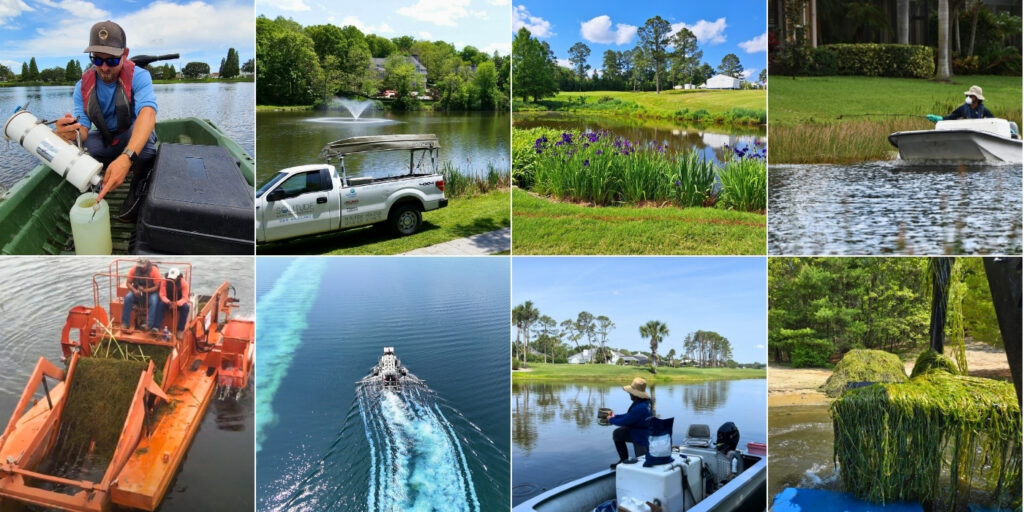
Ecosystem restoration can help slow or reverse eutrophication, but ongoing management is necessary to preserve the improvements and extend their benefits over time. Every lake is different. Lakes used for recreation or aesthetics have different goals than those used for drinking water, but all benefit from a combination of proactive strategies designed to support long-term ecosystem balance:
Take the First Step Toward a Healthier Lake Ecosystem
Is your waterbody living up to its full potential? Whether it’s experiencing consistent algal blooms or dangerous flooding during rainstorms, the root cause is likely an imbalance that can be addressed through ecosystem restoration and ongoing professional care.
Discover the benefits of a SOL Pro Annual Management Plan.
How to Achieve Clean, Healthy Ponds
SOLitude Lake Management is a nationwide environmental firm committed to providing sustainable solutions that improve water quality, enhance beauty and preserve natural resources.
SOLitude’s team of aquatic scientists specializes in the development and execution of customized lake, stormwater pond, wetland and fisheries management programs. Services include water quality testing and restoration, algae and aquatic weed control, installation and maintenance of fountains and aeration systems, shoreline erosion control, muck and sediment removal and invasive species management. SOLitude partners with homeowners associations, golf courses, private landowners, businesses and municipalities. SOLitude Lake Management is part of Rentokil, a leading business services company, operating across the United States, Canada and Puerto Rico.
For more information, visit SOLitude Lake Management at solitudelakemanagement.com, and connect on Facebook, LinkedIn, and YouTube.