



Supporting Balanced, Healthy Water with Proper Equipment Maintenance
Fountains and aeration systems play a vital role in maintaining balanced water quality, facilitating bottom muck decomposition, and supporting beneficial aquatic organisms. As with any type of equipment, floating fountains, surface aerators, and submersed aerators require recurring maintenance. Staying on top of maintenance, particularly during seasonal transitions, can help keep your systems in optimal condition for as long as possible.
Matching System Type to Pond Depth and Goals
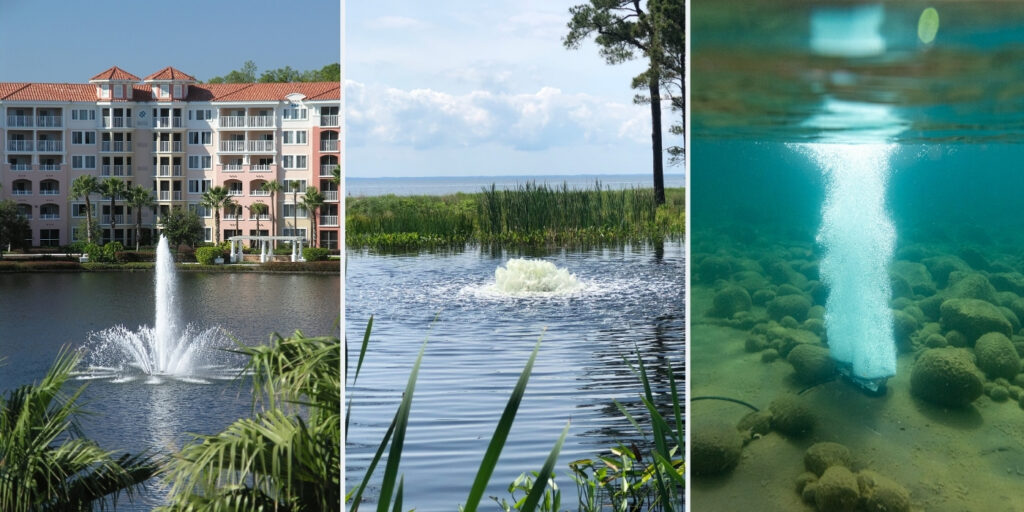
First, it’s important to understand the differences between these systems:
Floating Fountains
- Typically recommended for ponds with depths of approximately 4–6 feet in depth
- Primarily move and circulate water at the surface
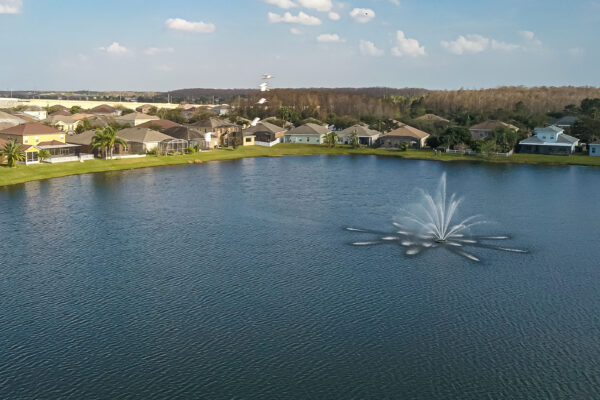
- Often selected for visual appeal, with decorative spray patterns and optional lighting
Surface Aerators
- Well-suited for ponds ranging from about 4–8 feet deep
- Built to move and mix large volumes of water efficiently
- Can incorporate lighting for added visual interest
- Can deliver significantly higher oxygen transfer—up to ten times more than traditional fountains
Submersed Aerators
- Ideal for deeper ponds and lakes exceeding 6 feet
- Work by circulating and oxygenating the entire water column, from the bottom upward
- Frequently paired with floating fountains or surface aerators to enhance overall oxygenation performance
WINTERIZATION
Because seasonal climates vary across the country, winterization and spring startup efforts tend to vary from region to region.
The winterization process typically begins when water temperatures approach 60 degrees F. In most areas, this occurs during the last few months of the year.
Deciding Whether to Remove Equipment:
Whether equipment stays in the water or is removed for winter depends on several factors, including seasonal weather conditions and the depth of the waterbody.
Northern U.S.
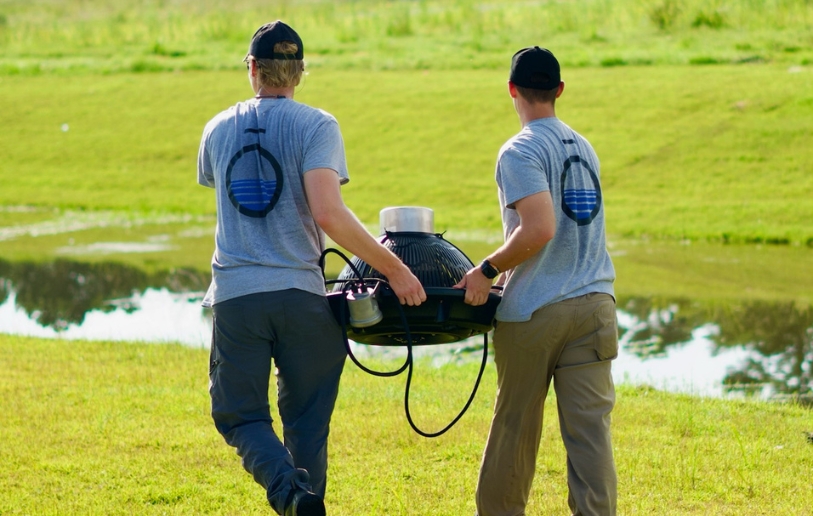
In northern regions where winters are characterized by consistent freezing, experts recommend removing fountains and surface aerators from the water. Storing them in a dry, protected area will help prevent ice-related damage.
In some cases, submersed aerators may continue operating from the bottom of the pond to circulate dissolved oxygen throughout the ecosystem. This can help prevent fish kills, which are more likely when ponds freeze over, and oxygen becomes depleted.
Southern U.S.
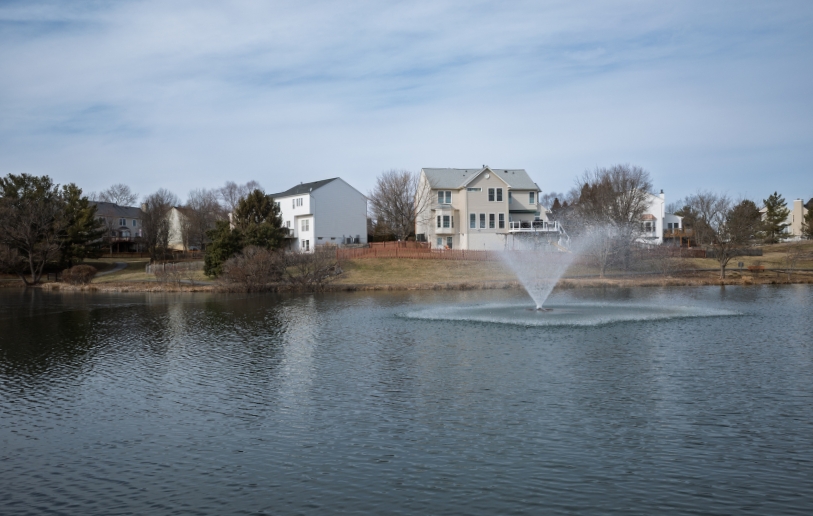
In regions with milder winters, fountains and aerators can safely remain in the water. It’s important to run these systems continuously to help prevent occasional freezing.

Oil and seal changes:
Regardless of region, Aquatic Experts may use this time to change the oil that keeps the motor running smoothly. Aging or damaged seals will also be replaced to prevent water from leaking into the internal system.
Manufacturers generally recommend that oil and seals should be changed every 2-3 years, depending on the size of the unit. For waterbodies located in warm climates, like Florida, oil and seal changes are recommended once a year. These maintenance tasks will help ensure equipment performs at its best during the spring and summer months.
Other maintenance activities include:
- Inspecting electrical components
- Cleaning spray nozzles and lighting features
- Examining subsurface tubing and diffusers
- Removing debris and buildup
- Identifying other signs of wear
As part of maintenance, a professional may also keep records of all controls and motor functions. This history can be used to analyze trends that help predict when equipment may need to be replaced, so stakeholders can create a realistic budgeting plan.
SPRING STARTUP
As seasonal conditions shift from winter to spring, it’s important to start the season off on the right foot. Snowmelt and seasonal rainfall can carry sediment, yard debris, and even road salts into nearby waterbodies, disrupting the balance of these ecosystems. Additionally, rising temperatures and longer days trigger photosynthesis, which can quickly accelerate the growth of algae and aquatic weeds.
Keeping your pond well-circulated and oxygenated at the start of the growing season helps create a more stable, resilient waterbody. Although the schedule and maintenance practices will vary by region, a successful spring startup helps lay the groundwork for healthy water quality in the year ahead.
Northern U.S.
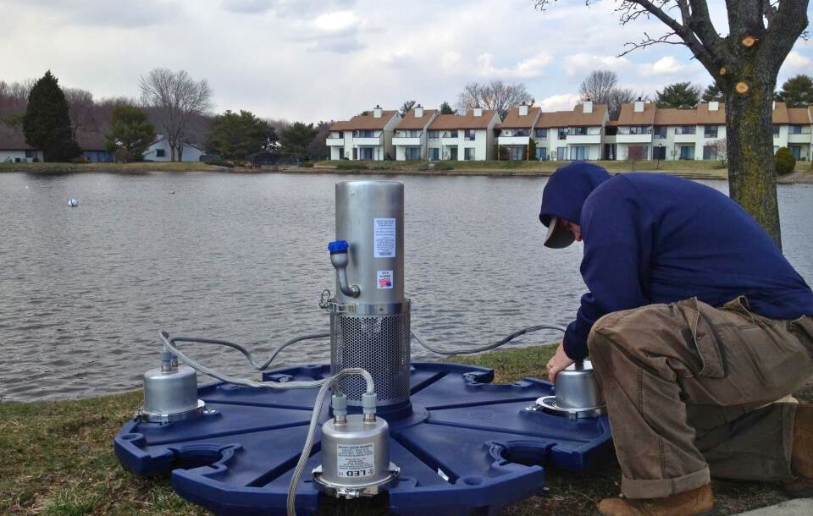
When winterization efforts are performed thoroughly, spring startup can be a breeze. When the time comes, Aquatic Experts will conduct a brief inspection and install the equipment that was removed for winter. This process may involve:
- Flushing air hoses
- Balancing air stations for optimal output
- Activating on-shore control panels
Southern U.S.
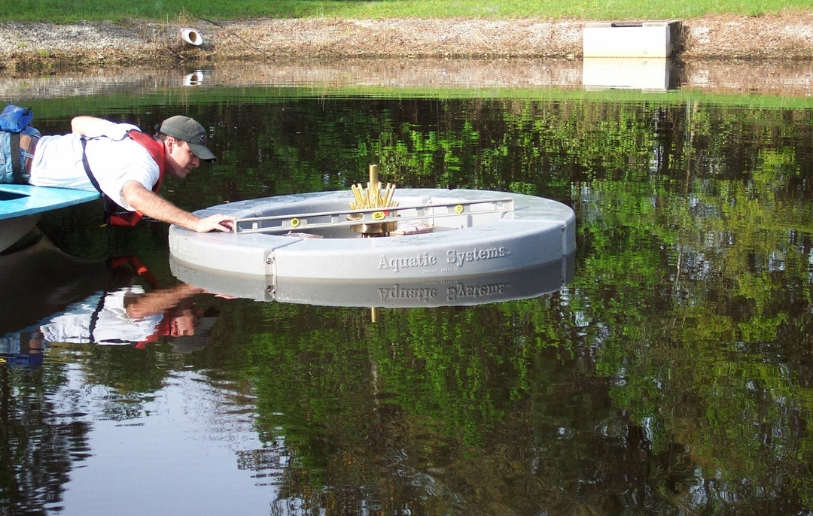
For ponds that operate aeration systems year-round, Aquatic Experts may follow a maintenance schedule similar to standard monthly and preventive quarterly inspections. These routine visits typically include:
- Removing debris from intake screens and spray nozzles
- Evaluating cables and electrical components for animal damage
- Checking tubing for air leaks or pressure loss

Maximizing Results Through Integrated Lake Management
Ultimately, fountains and aeration systems are just one part of a comprehensive lake or pond management program. When used in conjunction with other strategies such as ongoing water quality testing, nuisance weed and algae prevention, consistent shoreline maintenance, nutrient remediation, and ecosystem restoration solutions, you can maximize the health and appearance of your waterbody for many seasons to come.
Discover the benefits of a SOL Pro Annual Management Plan.
Pond Fountain and Aerator Benefits
SOLitude Lake Management is a nationwide environmental firm committed to providing sustainable solutions that improve water quality, enhance beauty and preserve natural resources.
SOLitude’s team of aquatic scientists specializes in the development and execution of customized lake, stormwater pond, wetland and fisheries management programs. Services include water quality testing and restoration, algae and aquatic weed control, installation and maintenance of fountains and aeration systems, shoreline erosion control, muck and sediment removal and invasive species management. SOLitude partners with homeowners associations, golf courses, private landowners, businesses and municipalities. SOLitude Lake Management is part of Rentokil Terminix, a leading business services company, operating across the United States, Canada and Puerto Rico.
For more information, visit SOLitude Lake Management at solitudelakemanagement.com, and connect on Facebook, LinkedIn, and YouTube.