


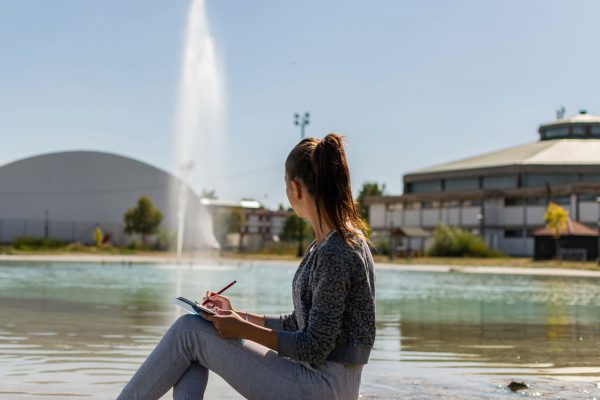
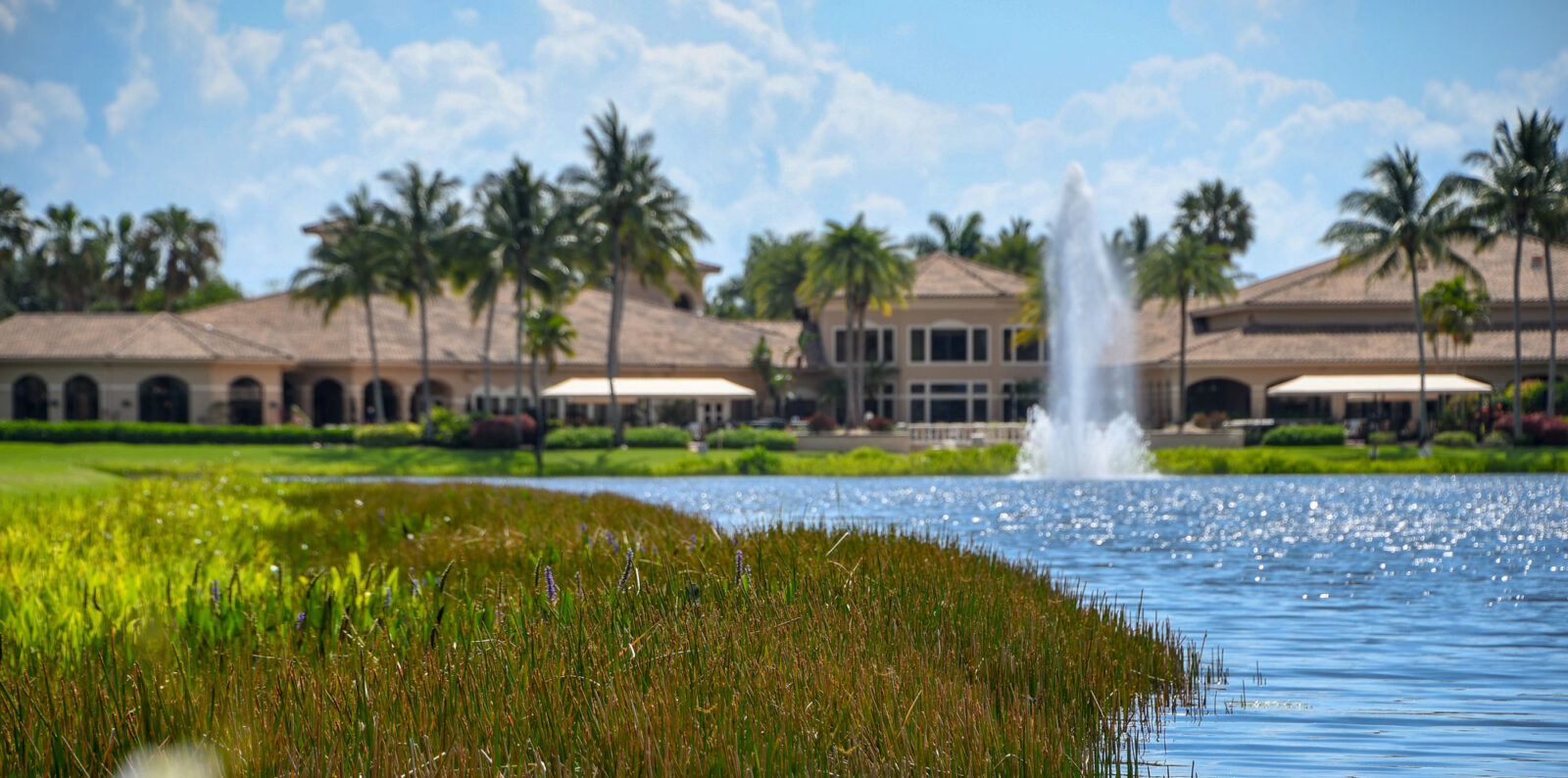
Florida is known for many things, from theme parks, golf courses, and tourism to its unique history and culture. But it is perhaps best known for its aquatic ecosystems. In addition to its world-renowned wetlands and 1,350 miles of ocean coastline, its lakes, ponds, canals, and springs all shape the state’s identity. Yet, as some of the most complex ecosystems in the world, keeping these iconic waterbodies clear of pond weeds and algae is far from simple.
The state’s high seasonal temperatures, abundant sunlight, and nutrient-rich environments create perfect conditions for continuous photosynthesis and rapid vegetation growth. While the natural food web has evolved into a delicate balance over centuries, urbanization, agriculture, and other human activities can disrupt that natural equilibrium.
Nutrients like phosphorus and nitrogen are naturally found in waterbodies, but levels can become elevated when nutrients from external sources enter the ecosystem. Animal waste, grass clippings, fertilizers, and other organic materials often wash in during rainstorms, accelerating nuisance growth.
Learn about the types of aquatic pond weeds and pond algae found in Florida waterbodies.
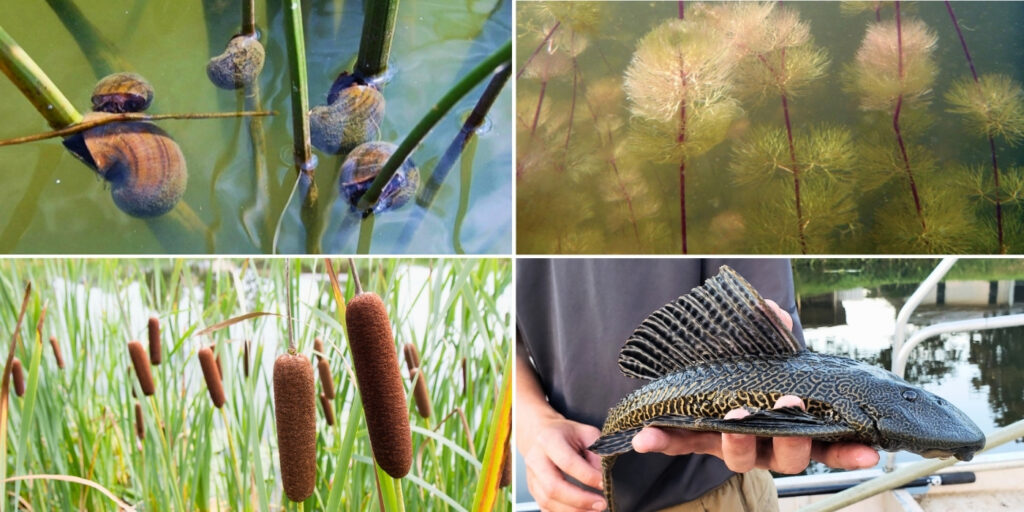
Invasive Species Found in Florida
Compounding these challenges, Florida has become one of the country’s biggest hotspots for invasive species; an estimated 1,400 plant species are non-native. International travel and trade—paired with Florida’s highly interconnected ecosystems and extreme weather events—have contributed significantly to this spread.
As most Floridians know well, invasive species can wreak havoc by outcompeting native plants and animals for resources and habitat. Non-native species are not inherently bad, but because they evolved in different environments, they often lack the natural predators to keep them in check.
Additionally, it’s possible for native species to reach nuisance levels if conditions allow. Keeping a pond clear requires understanding how these forces interact and managing the waterbody as a living ecosystem.
Learn about common invasive animals affecting ponds in Florida.
Florida’s Growing Season
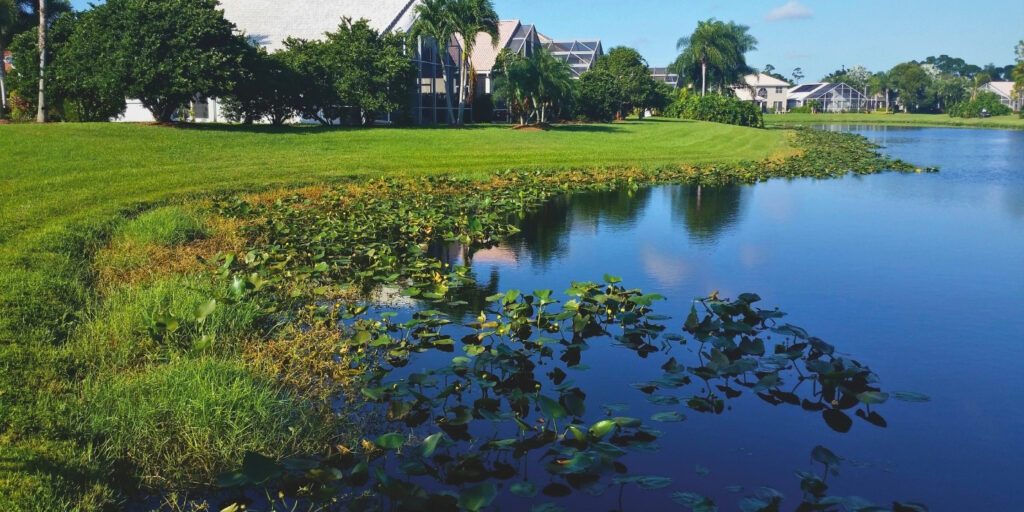
In most parts of the country, winter provides a natural break in pond weeds and pond algae, allowing lake and pond owners to get ahead of spring growth with proactive management strategies. However, due to Florida’s subtropical climate and mild, wet winters, pond weeds and algae typically persist year-round. As such, using EPA-registered herbicides and algaecides is typically the first step before proactive solutions can be implemented.
While these products shouldn’t be the sole solution used to control aquatic growth, they are invaluable, highly targeted tools to help get a waterbody on the right track as quickly as possible.
The Risks of Poor Pond Management or Neglect
Aquatic weeds and pond algae aren’t just aesthetic issues; they are symptoms of more serious imbalances, such as dissolved oxygen deficiency, elevated nutrient levels, stagnation, and years of muck build-up. Failure to intervene could potentially result in:
- Clogged stormwater equipment, causing costly damage
- Increased flood risks during storms, leading to infrastructure damage
- Shoreline deterioration and collapse, potentially resulting in falls and injuries
- Reduced property values, decreased community desirability, and a poor reputation
- Regulatory fines or lawsuits
- Harmful algal blooms – Many Florida waterbodies, such as Lake Okeechobee and Yale Lake, have experienced toxic cyanobacteria blooms for decades; cyanotoxins have been linked to pet deaths, serious health issues, and neurological diseases
- Unexpected dredging – completely resetting the waterbody by removing several feet of bottom muck and sediment; eliminates all native plants and animals; one of the most expensive projects a community will ever face, and typically budgeted for over the course of 10-20 years
Learn more about the potential financial consequences of delaying waterbody management.
Achieving Healthy Ponds in Florida
Florida has innumerable challenges that most of the country does not have to face at the same level of difficulty. Nonetheless, every waterbody can benefit from a combination of proactive solutions and best practices:
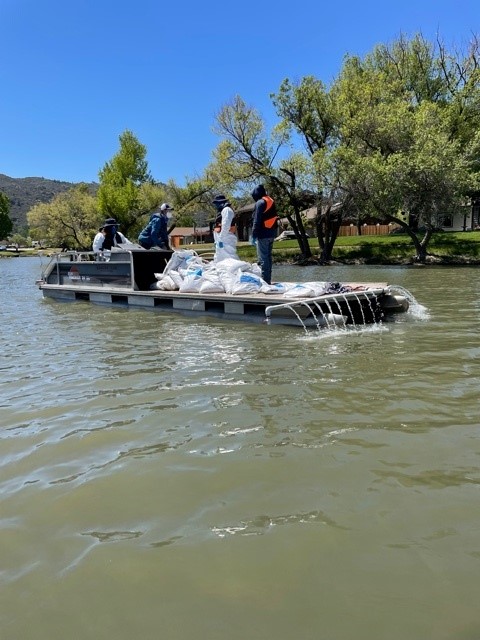
Nutrient Remediation
Professionals can apply eco-friendly products that bind with or “deactivate” excess phosphorus in the water column and in the bottom sediments, making it unavailable for uptake by pond weeds and algae.

Biological Bacteria
Biological bacteria play a central role in decomposing plant debris and organic materials. Comparable to probiotics for your waterbody, supplementing these beneficial bacteria can help make the decomposition process more efficient and limit the accumulation of nutrient-rich muck.
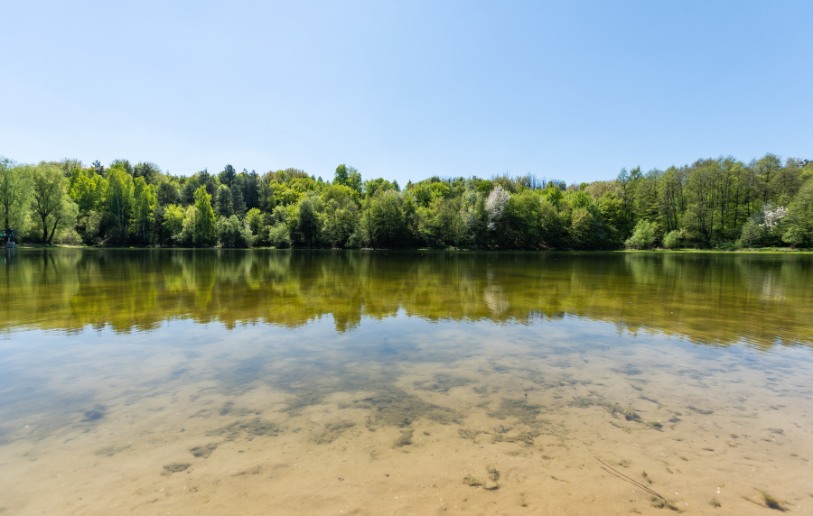
Ecosystem Restoration
This restoration method increases oxygen in the bottom sediments, helping nutrient-rich muck to break down more efficiently and gradually creating a firmer, sandy lake bottom. In some cases, nutrient levels can be reduced by 50–90%.
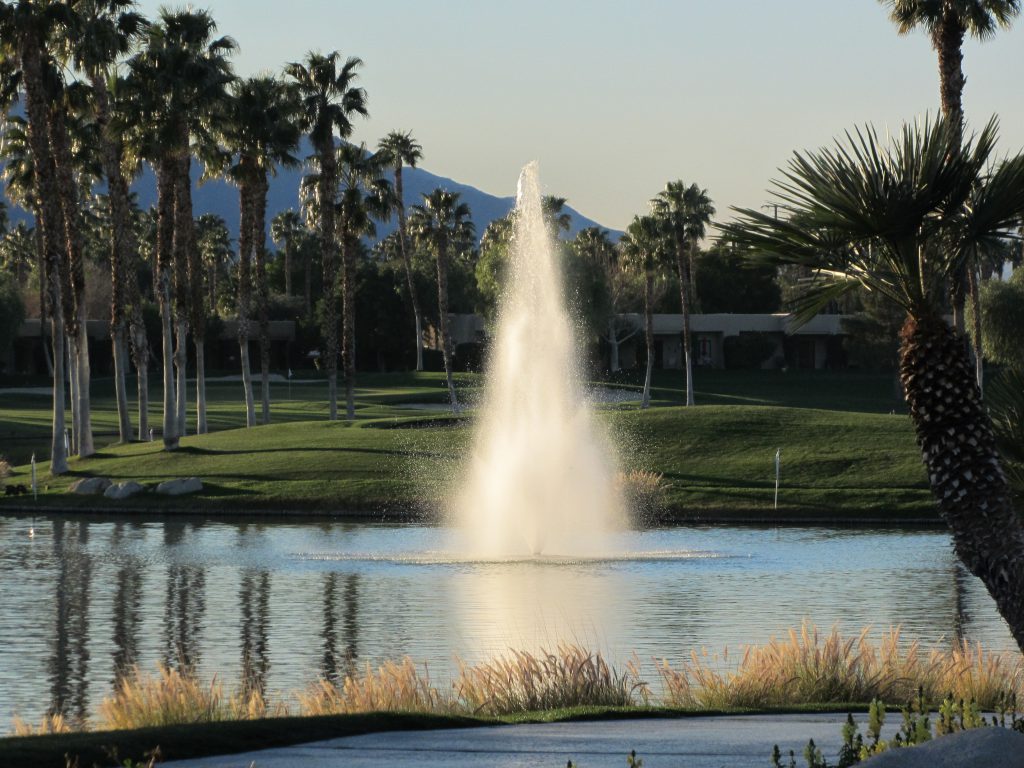
Fountains and Aeration
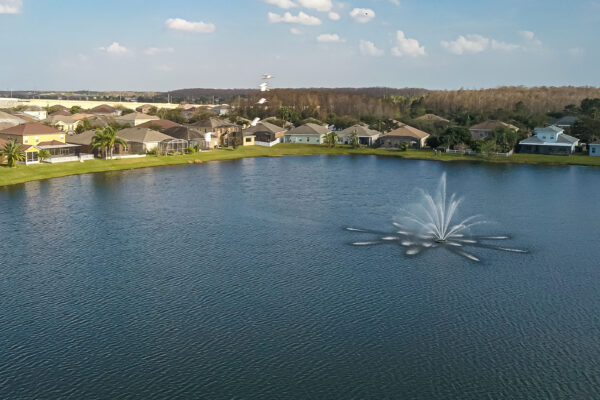
Pond weeds and algae thrive when water quality is imbalanced, and imbalanced waterbodies are often deficient in dissolved oxygen. Floating fountains, surface aerators, and submersed aerators can help restore balance by oxygenating and circulating the water column.
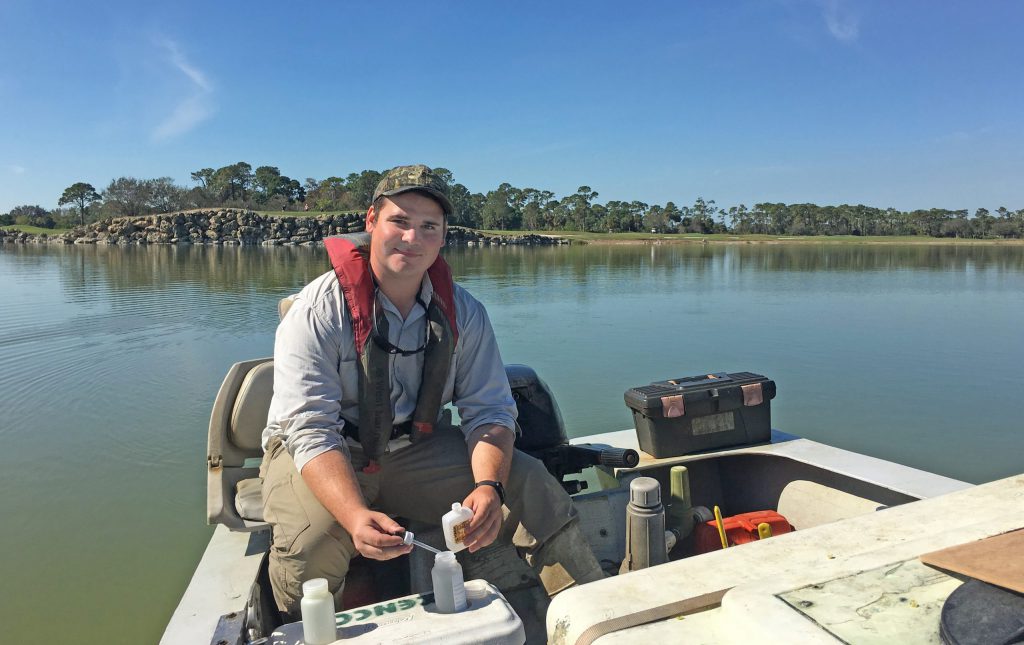
Water Quality Monitoring
Water quality imbalances can usually be identified before they manifest. Consistent water quality testing helps track nutrients, dissolved oxygen, and other parameters, allowing experts to intervene early on.
Shoreline Management
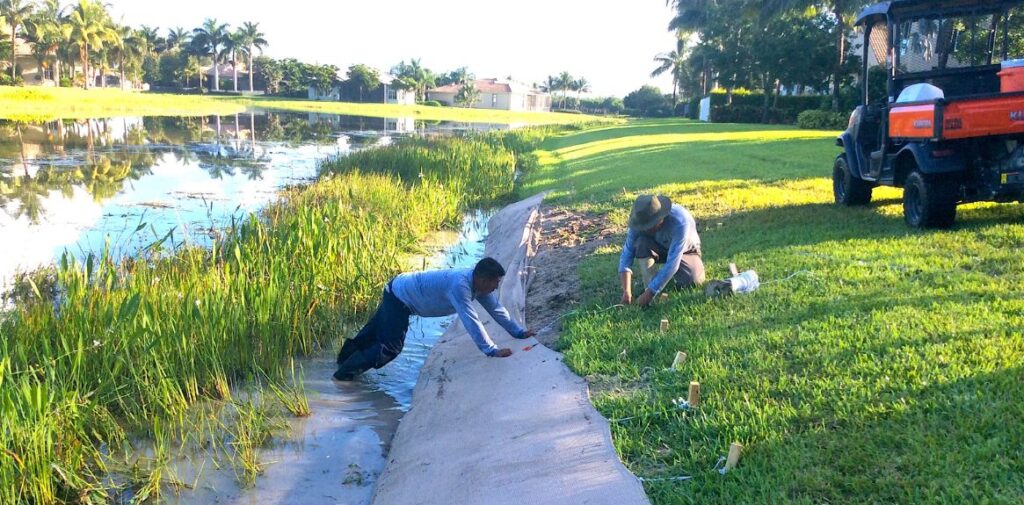
All waterbodies experience erosion due to human activities and natural weather conditions, but Florida is particularly susceptible to deterioration due to recurring tropical storms and hurricanes.
Modern restoration solutions like bioengineered living shorelines help restore the stability and aesthetics of damaged areas. Cultivating a buffer of native, deep-rooted vegetation around the perimeter can enhance overall stability while filtering debris and pollutants when rainwater flows into the ecosystem.
Discover the best buffer vegetation for Florida waterbodies.
Mechanical Hydro-Raking
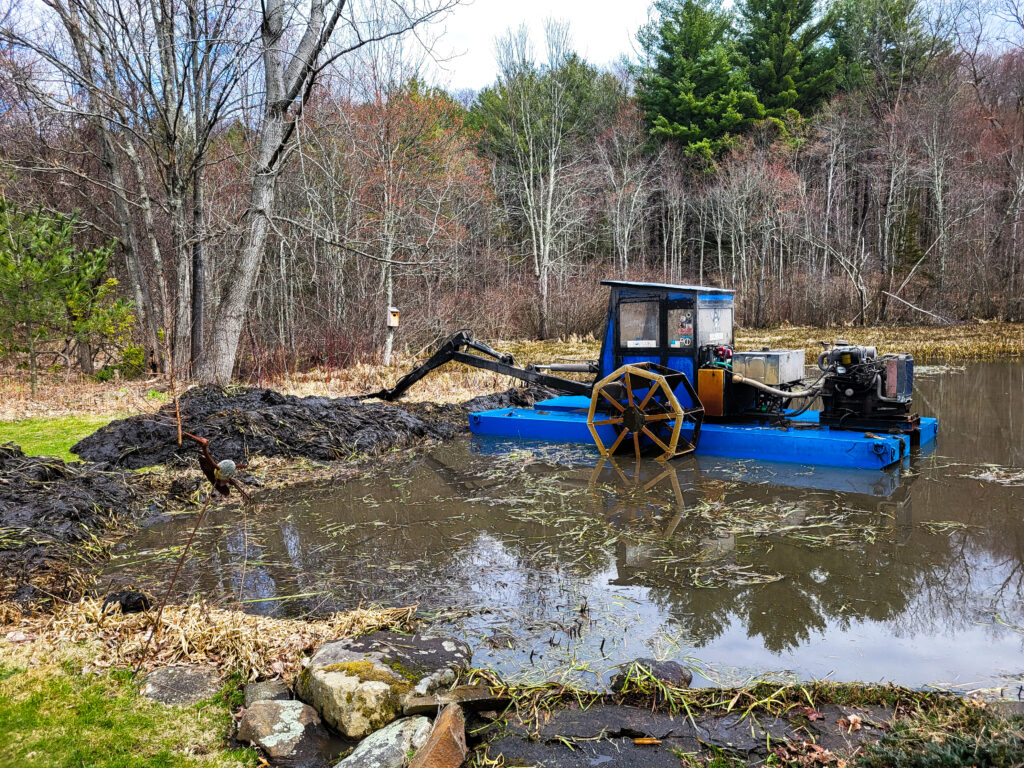
Depending on the situation, a pond may benefit from removing decayed plant matter and built-up sediment with a hydro-rake (similar to a floating backhoe). This can help restore depth, allowing the system to hold more water during the next storm and delaying the need for dredging.
Best Management Practices for Florida Ponds
Florida golf courses and homeowners’ communities can make a significant impact on the health of nearby waterbodies by following simple best practices.
- Reducing turf and garden fertilizer use
- Bagging grass clippings and yard debris
- Maintaining native shoreline and emergent vegetation around the water
- Properly disposing of trash and pet waste
- Inspecting boat motors, fishing lines, and other water equipment for invasive weed fragments before and after use
Keeping Florida’s Waterbodies Healthy for Years to Come
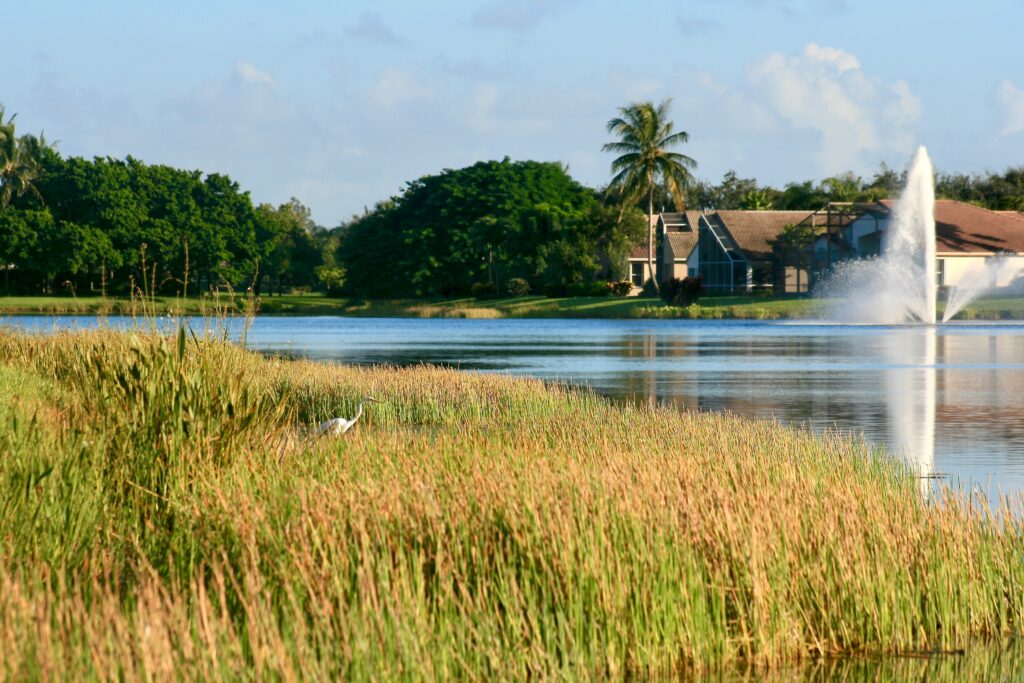
Florida’s aquatic ecosystems are truly one-of-a-kind and deserve the utmost conservation and care. No matter the size, function, or location of your waterbody, year-round maintenance can help preserve its health and beauty for years to come. Discover which SOL Pro Annual Management Plan is right for your pond.
Keep Your Florida Water Beautiful with SOLitude
SOLitude Lake Management is a nationwide environmental firm committed to providing sustainable solutions that improve water quality, enhance beauty and preserve natural resources.
SOLitude’s team of aquatic scientists specializes in the development and execution of customized lake, stormwater pond, wetland and fisheries management programs. Services include water quality testing and restoration, algae and aquatic weed control, installation and maintenance of fountains and aeration systems, shoreline erosion control, muck and sediment removal and invasive species management. SOLitude partners with homeowners associations, golf courses, private landowners, businesses and municipalities. SOLitude Lake Management is part of Rentokil, a leading business services company, operating across the United States, Canada and Puerto Rico.
For more information, visit SOLitude Lake Management at solitudelakemanagement.com, and connect on Facebook and LinkedIn.