



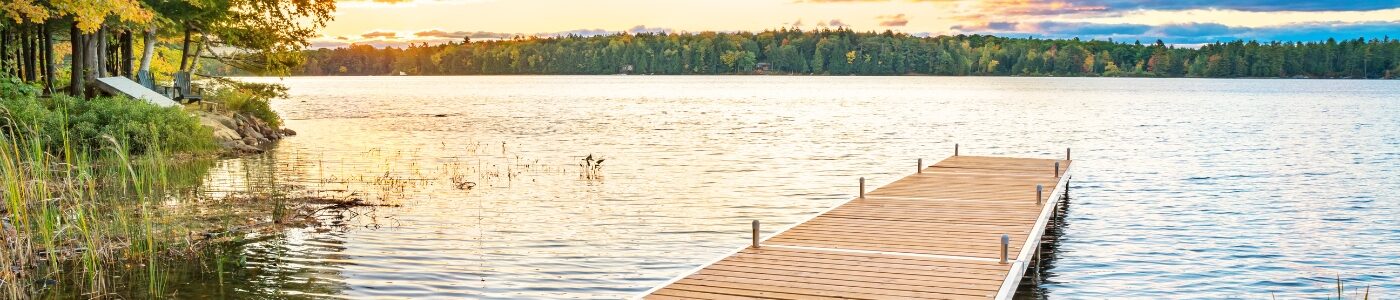
After a heavy storm or hurricane, or a stretch of extreme drought or freezing, a waterbody rarely looks the same. Weather is one of the most powerful forces that can impact water quality and shoreline health—and one of the few factors that cannot be avoided. Worse still, the weather is becoming more extreme and unpredictable as the climate changes.
Pond and lake restoration following a major weather event can be costly and time-consuming. Luckily, many tools and strategies are available to help lessen the impact of severe weather and prevent surface-level issues from escalating into serious long-term problems.
The Impact of Storms, Ice, and Drought in Lake and Pond Management
Extreme weather events significantly impact the health and physical appearance of lakes and ponds. These effects, including shoreline erosion, pond turnover, and the spread of invasive species, to name a few, present key challenges that lake and pond owners and managers must be aware of to best protect their waterbody.
Shoreline Erosion and Nuisance Plant Growth From Storms
Severe storms, hurricanes, and heavy rainfall can dramatically erode a shoreline in a short amount of time. Wind and wave action wash away sediment, which can destabilize the bank and expose roots and important stormwater pond equipment. As sediment enters the water, it also contributes to murky conditions and muck accumulation.
If sediment and muck build-up go unchecked, it can lead to more severe issues:
Flooding Risks
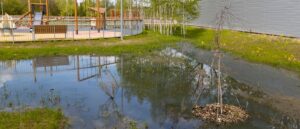
Lakes and ponds become shallower as they fill with muck and sediment. As a result, flood risks increase during large storms as waterbodies lose depth, further accelerating shoreline deterioration and creating hazards that endanger people and may damage infrastructure.
Nuisance Weeds
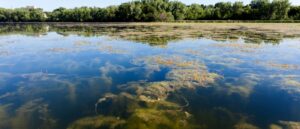
Bottom muck is filled with nutrients like phosphorus and nitrogen. While nutrients are essential to healthy aquatic life, excessive nutrient levels can create water quality imbalances that leave the ecosystem vulnerable to unnatural weed and algae growth. Nuisance weeds can create stagnant conditions, clog vital stormwater equipment, and create hazards for swimmers.
Harmful Algal Blooms
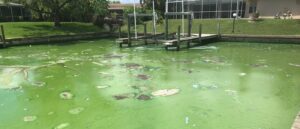
Algae are not just an eyesore but can also threaten the health of people, pets, and wildlife. Harmful algal blooms like cyanobacteria (blue-green algae) can produce toxins that cause severe sickness and commonly kill fish and dogs. Growing evidence suggests that prolonged exposure to these cyanotoxins may increase the risk of neurological diseases, such as Alzheimer’s, Parkinson’s, and ALS (Lou Gehrig’s disease).
Pond Turnover and Oxygen Imbalance
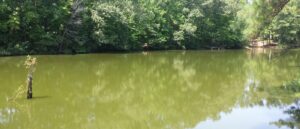
Storms and temperature fluctuations can trigger pond turnover—a process in which oxygen-depleted water from lower depths rapidly mixes with oxygen-rich surface water. This phenomenon is dangerous for fish, which require stable oxygen levels to respire. Mass fish kills are common following heavy rainfall.
Invasive Species Spread After Storms
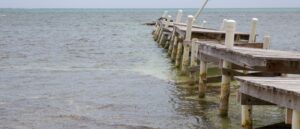
Major storm events, particularly hurricanes, can also transport invasive plants and animals into new waterbodies. Non-native species rarely have natural predators and are able to outcompete native aquatic life for food and resources.
Infestations are challenging to manage and often go unnoticed until the problem has become severe. The U.S. is vast, and invasive species problems vary across different regions.
However, common invaders include:
- Invasive aquatic weeds: Hydrilla, Eurasian watermilfoil, water hyacinth, Phragmites, Brazilian elodea
- Invasive aquatic animals: Armored catfish, island apple snails, zebra mussels, quagga mussels, bufo (cane) toads, some mosquito species
Drought, Evaporation, and Shoreline Deterioration
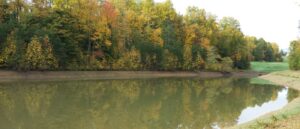 Prolonged heat and drought conditions bring their own set of challenges:
Lowered water levels – Evaporation lowers water levels and exposes shorelines, leaving them dry, cracked, and more vulnerable to erosion.
Vegetation loss – Without water, vegetation along the bank often struggles to survive, which removes a critical natural buffer that helps stabilize shoreline sediment.
Fish kills – Extreme temperatures can also put stress on fish. Warm water holds less dissolved oxygen, and fish kills are common after a string of hot, sunny days.
Ongoing Freezing and Thawing
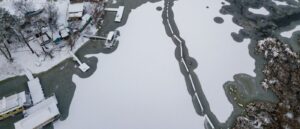
Freezing conditions can take a serious toll on shorelines. As ice forms along the edges of lakes and ponds, it expands and puts pressure on the surrounding soil and sediment. When temperatures rise and the ice melts, that pressure is released, often leaving the shoreline weakened and unstable. Over time, repeated freeze-thaw cycles increase the risk of erosion, crumbling banks, and structural loss.
Proactive Lake and Pond Management Strategies That Work
Although weather events are unpredictable, their impact can be minimized. Proactive waterbody management can help it better withstand extreme events and bounce back more quickly.
Vegetated Buffer Zones: A Shoreline Erosion Control Strategy:
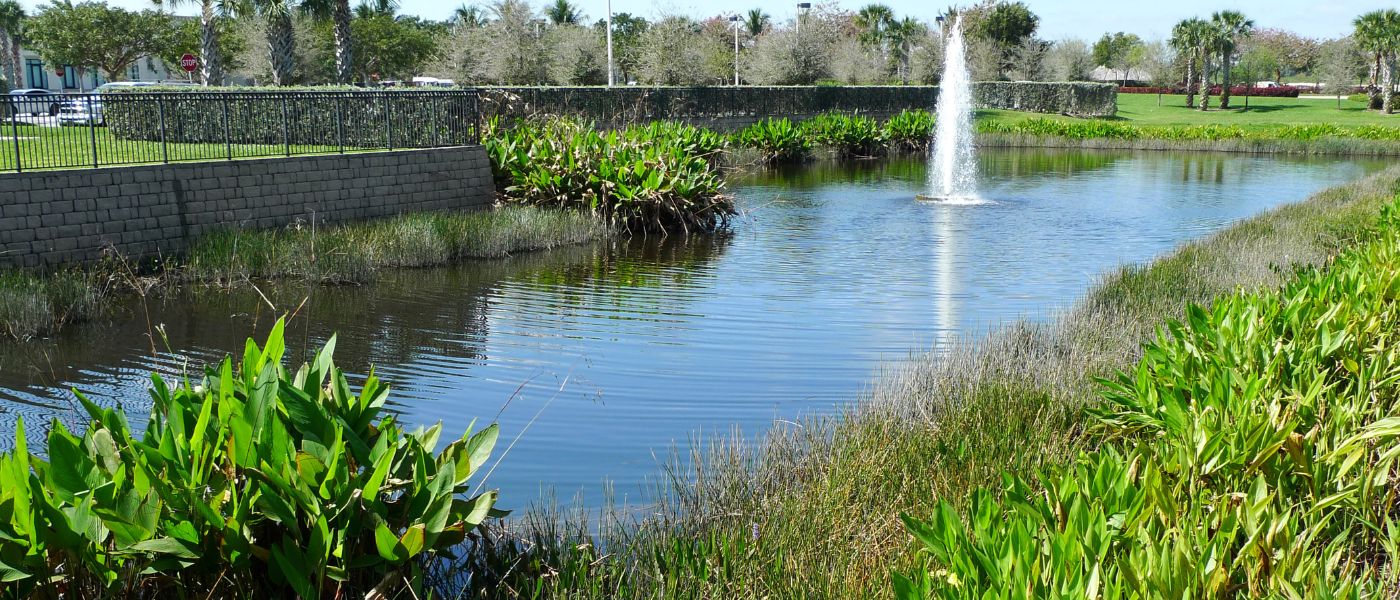
One of the most effective strategies to protect your pond bank is establishing vegetated buffer zones along the shoreline. Native plants and grasses serve as a protective barrier that helps absorb wave energy, reduce sediment loss, and preserve water quality balance by filtering excess nutrients from stormwater runoff.
These aquatic plantings also help maintain a more stable shoreline through seasonal changes. Though drought negatively impacts native plants, a well-maintained buffer zone is often more resilient to prolonged lack of rain.
Pond Aeration Systems for Healthy Dissolved Oxygen Levels:
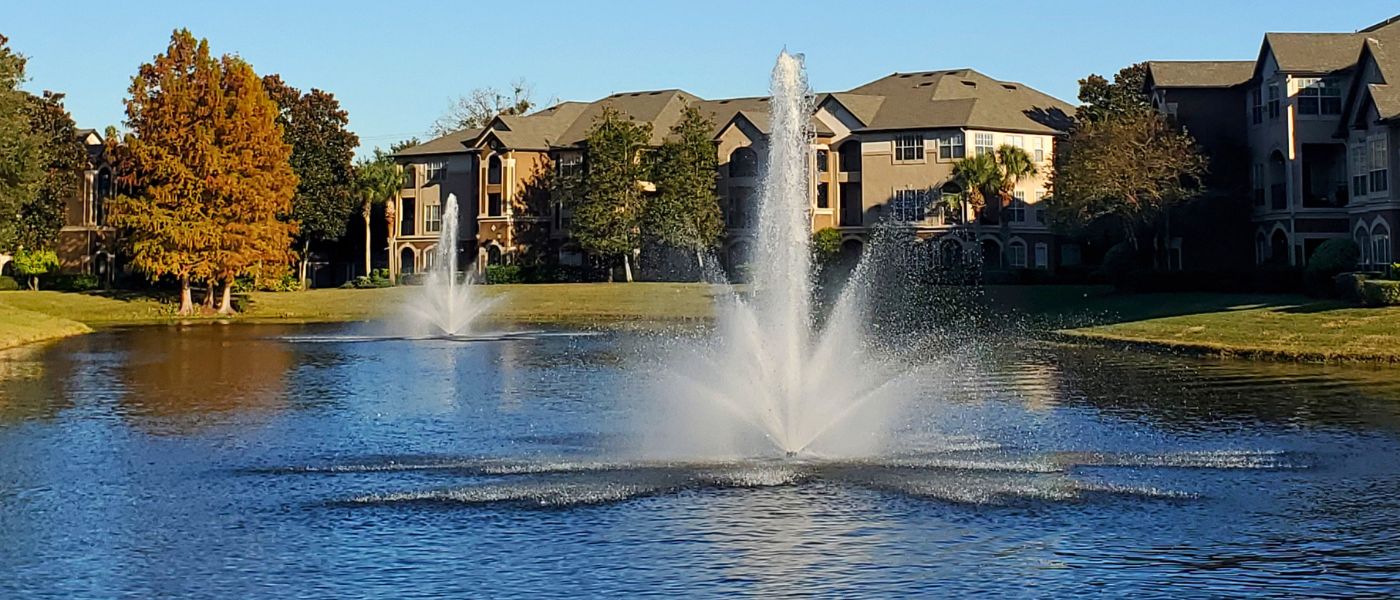
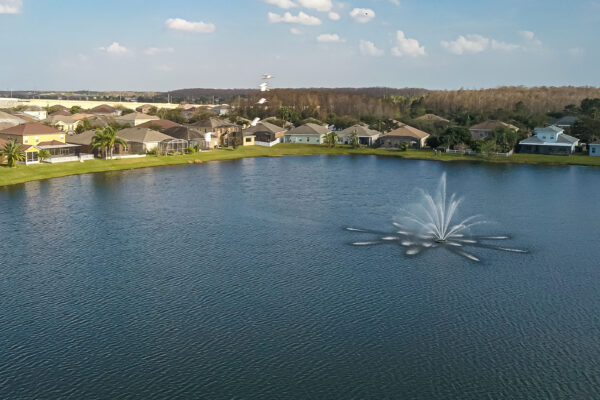
Floating fountains, surface aerators, and submersed aerators support healthy oxygen levels and help reduce stress on fish if pond turnover occurs.
Furthermore, aeration also helps support the beneficial bacteria that naturally break down nutrient-rich muck and organic matter. These bacteria thrive in oxygen-rich environments; without oxygen, these materials cannot decay properly, creating ideal conditions for excessive weeds, algae, and toxic cyanobacteria.
Nutrient Management for Balanced Water Quality:
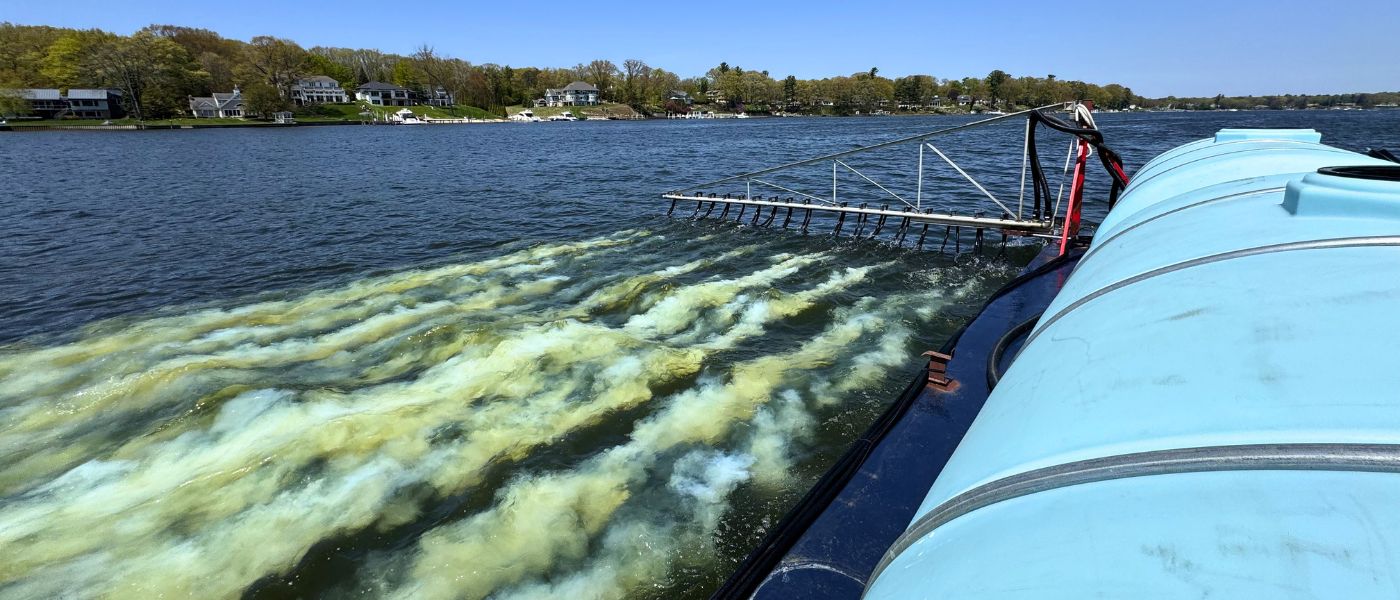
Maintaining balanced water quality conditions is essential to managing pond weeds and algae growth. A range of solutions is available to address excess nutrients like phosphorus and nitrogen.
- Lanthanum-modified bentonite
This phosphorus-binding solution helps restore balance by “deactivating” excess phosphorus suspended in the water column and bottom sediments. It is commonly applied in smaller ponds and stormwater systems. - Aluminum sulfate (alum)
Alum binds with phosphorus in the water column and permanently locks it in the bottom sediments. Water clarity improvements can be seen almost immediately, and the positive benefits continue to improve over time. Alum water treatment is typically used in larger lakes and reservoirs. - Beneficial bacteria
Beneficial biological bacteria can be supplementally added to improve the decomposition of bottom muck, dead plant matter, and other organic materials.
Ecosystem Restoration Solutions:
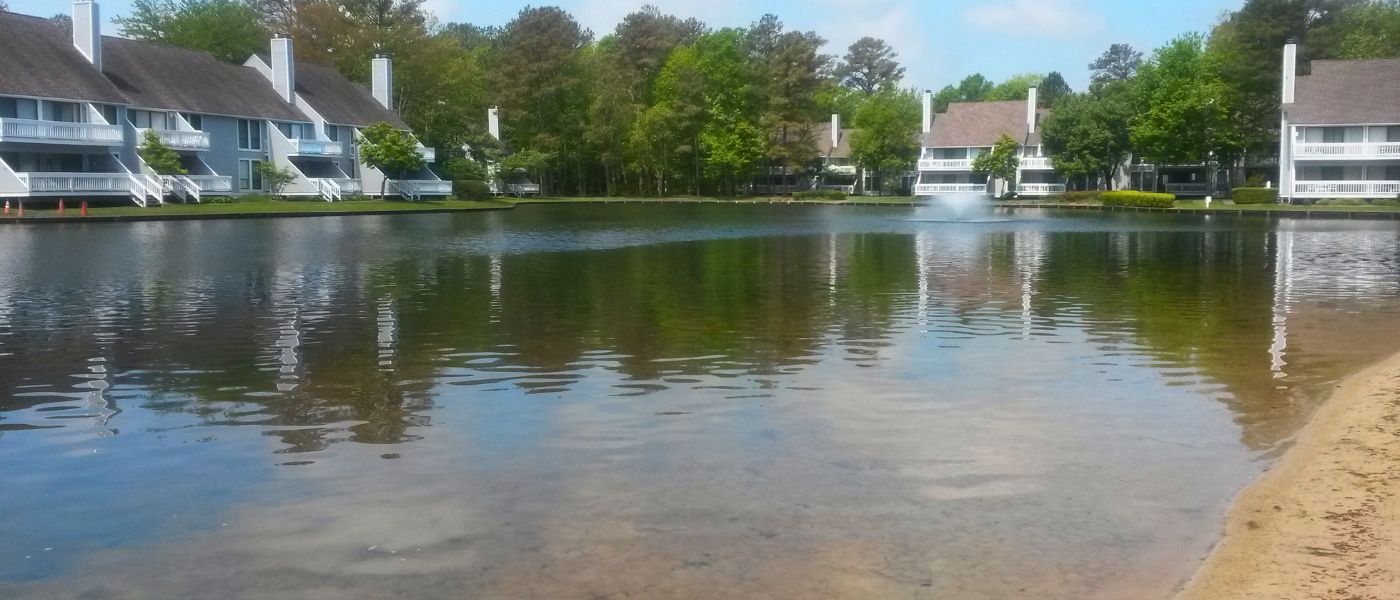
Emerging ecosystem restoration technologies work to correct dissolved oxygen and nutrient imbalances together. By boosting oxygen levels in bottom sediments, these solutions encourage beneficial bacteria to digest accumulated organic matter more efficiently, leaving behind a cleaner, firmer lake or pond bottom.
Mechanical Hydro-raking for Muck Removal:
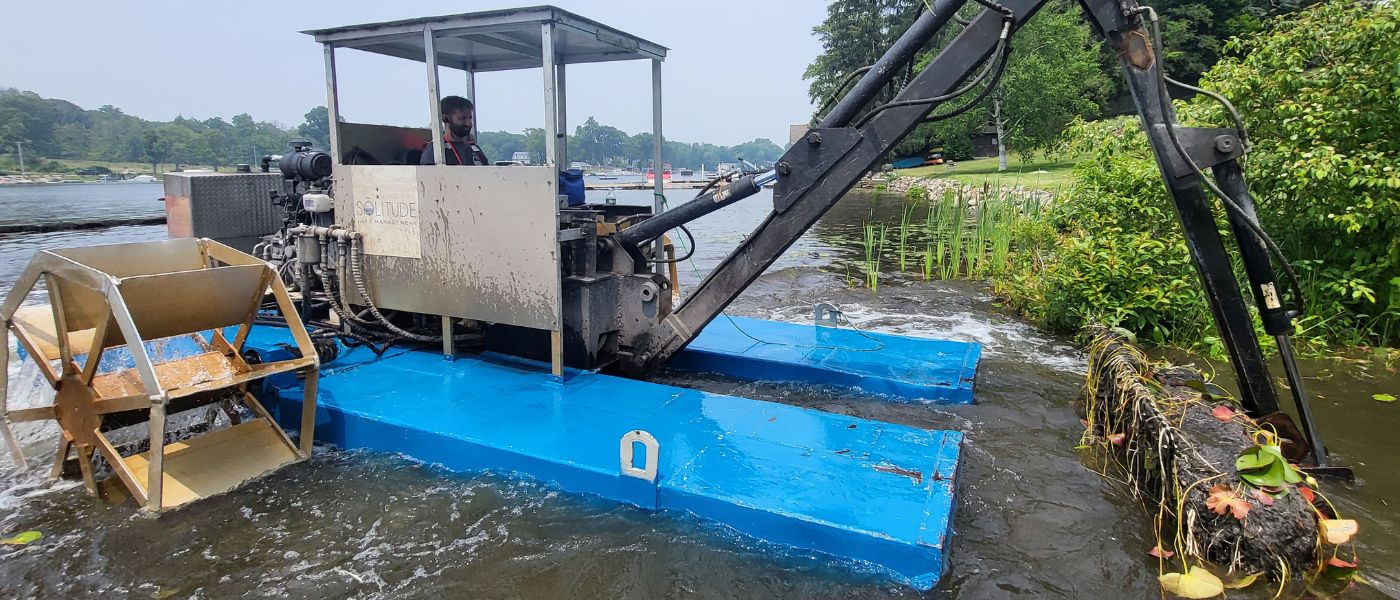
A hydro-rake is a floating barge with a back-hoe attachment that can scoop hundreds of pounds of plant matter and debris from the bottom of lakes and ponds. Hydro-raking can help improve depth, remove nutrient-rich decay, and reduce flood risks during heavy storms.
The Importance of Ongoing Inspections in Lake and Pond Management
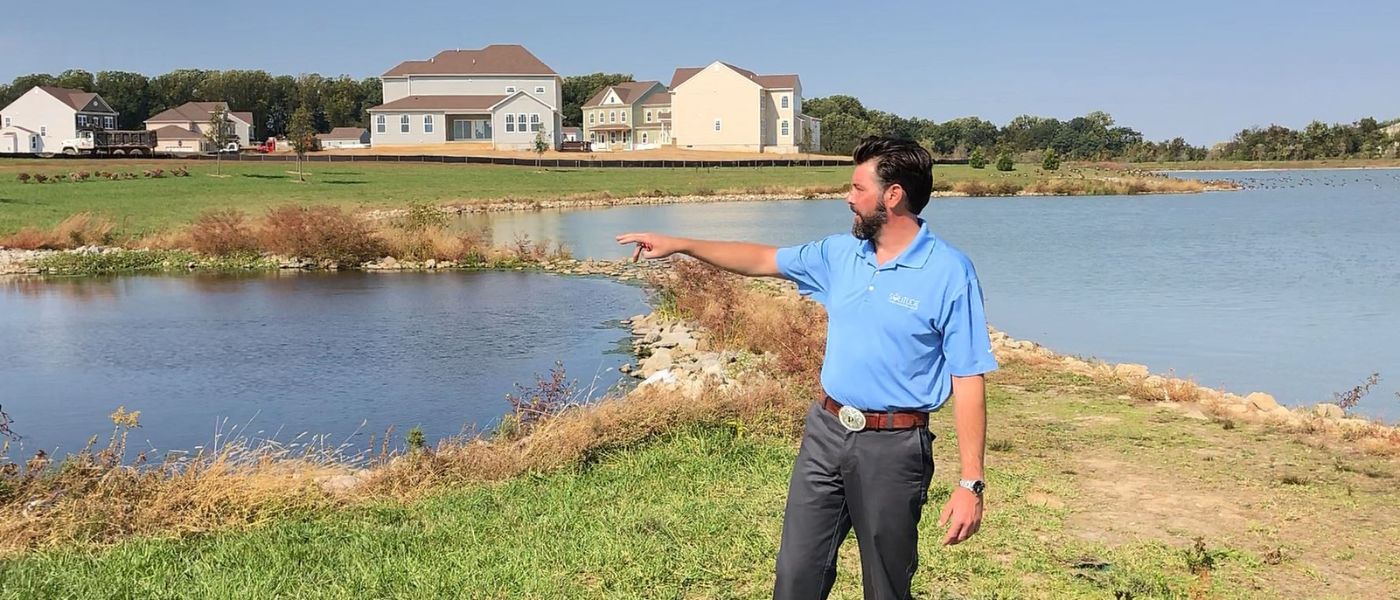
The reality is that even well-managed waterbodies change quickly after a major weather event. While initial issues can usually be corrected, they will compound over time without intervention. That’s why regular assessments are a critical part of effective lake and pond management.
By establishing an initial baseline of health, experts can more successfully identify changes to your waterbody after heavy rain, wind events, or drought conditions. These may include:
- Early signs of shoreline erosion
- Reduced depth and volume
- Imbalanced water quality, such as nutrient spikes or low dissolved oxygen
- Signs of invasive species introduction
Addressing these issues early can help you avoid costly pond and lake restoration projects. More intensive projects like rebuilding eroded shorelines, invasive species control, and removing muck through dredging are effective, but often require careful budgeting and long-term planning.
Make Sure Your Waterbody Can Withstand the Unexpected
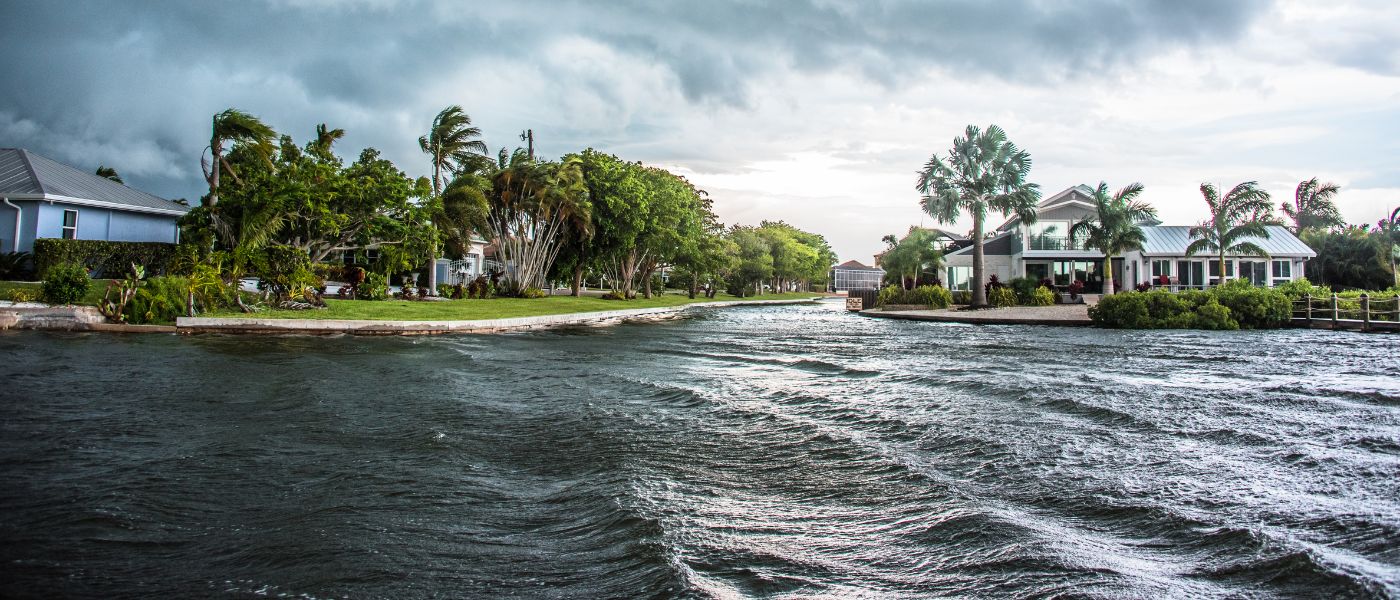
Nature is powerful and unpredictable. Storms will come, temperatures will shift, and water levels will rise and fall. But your waterbody doesn’t have to be at the mercy of every weather event. A proactive lake and pond management plan can help you stay ahead of what nature brings next. And when challenges do appear, timely intervention can make the difference between short-term disruption and long-term damage.
Key Takeaways
- Extreme weather significantly impacts lake and pond management.
Storms, drought, and freezing conditions can all affect water quality, shoreline stability, and aquatic ecosystem health. This can lead to issues like erosion, pond turnover, and fish kills. - Shoreline erosion and nutrient buildup drive most long-term water quality problems.
Sediment loss and organic muck accumulation reduce water depth in lakes and ponds, increase flood risk in stormwater systems, and fuel nuisance algae and invasive plant growth. - Proactive pond management strategies help protect water quality.
Tools like vegetated buffer zones, pond aeration systems, and nutrient management treatments help improve dissolved oxygen levels, manage phosphorus levels, and support more balanced water quality. - Post-storm lake inspections are essential for preventing costly damage.
Regular assessments after major weather events help identify early signs of erosion, oxygen imbalance, and invasive species. This allows for faster lake restoration and stormwater pond maintenance.
Maintain A Safe, Healthy Waterbody
SOLitude Lake Management is a nationwide environmental firm committed to providing sustainable solutions that improve water quality, enhance beauty and preserve natural resources.
SOLitude’s team of aquatic scientists specializes in the development and execution of customized lake, stormwater pond, wetland and fisheries management programs. Services include water quality testing and restoration, algae and aquatic weed control, installation and maintenance of fountains and aeration systems, shoreline erosion control, muck and sediment removal and invasive species management. SOLitude partners with homeowners associations, golf courses, private landowners, businesses and municipalities. SOLitude Lake Management is part of Rentokil Terminix, a leading business services company, operating across the United States, Canada and Puerto Rico.
For more information, visit SOLitude Lake Management at solitudelakemanagement.com, and connect on Facebook, LinkedIn, and YouTube.