




Article Summary
- Stormwater pond maintenance before fall helps prepare ponds for seasonal leaf litter, heavier rainfall, and changing water conditions.
- Learn the key inspections and maintenance tasks that can help support water quality and long-term pond performance.
- Discover why a proactive maintenance plan can help property managers address small issues before they become larger concerns.
As summer comes to an end, fall is one of the most important times to evaluate your stormwater pond maintenance program. Seasonal leaf drop, cooler temperatures, and heavier rainfall can all influence water quality and the overall performance of a stormwater pond.
Taking a proactive approach before fall helps property managers identify developing issues early and implement management solutions that both protect water quality and support the long-term functionality of their stormwater system.
Whether you manage an HOA, apartment community, commercial property, or municipal facility, preparing your pond now can make seasonal maintenance more manageable.
What stormwater pond maintenance should be completed before fall?
Stormwater pond maintenance before fall should include inspecting shorelines, removing debris, evaluating water quality, checking stormwater structures, and assessing aquatic vegetation. Completing these tasks before seasonal leaf drop and increased rainfall helps support water quality and maintain the pond’s long-term performance.
Why Is Stormwater Pond Maintenance Important Before Fall?
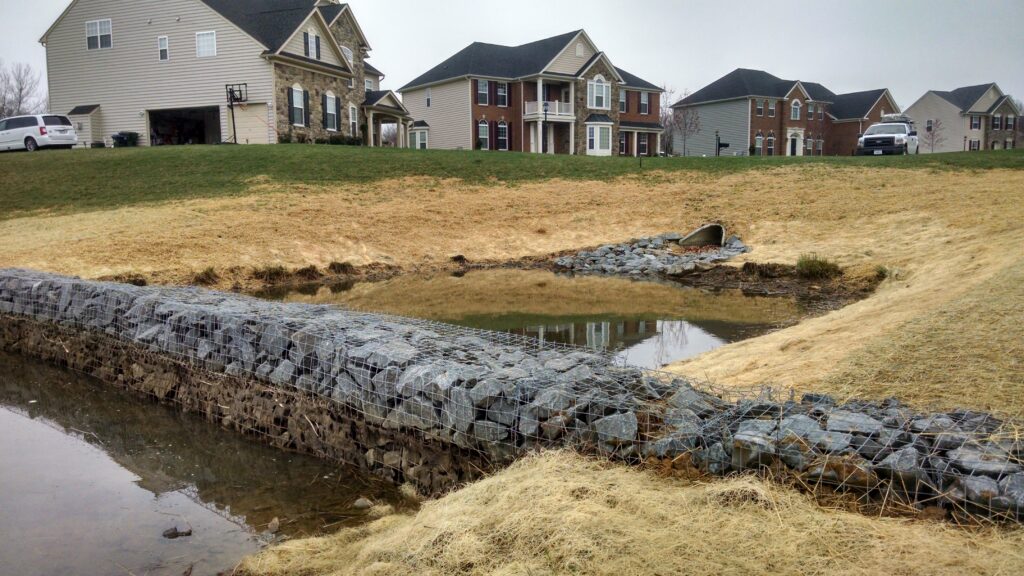
Stormwater ponds are designed to meet specific local and state stormwater management requirements, making routine fall maintenance an important part of regulatory compliance. Addressing maintenance needs proactively can help property managers identify potential issues early and reduce the risk of compliance violations or costly penalties.
As fall approaches, leaves, grass clippings, and other organic debris begin accumulating in and around the pond. As these materials break down, they release nutrients that may affect water quality over time and contribute to muck development. Increased rainfall can also carry sediment and pollutants into the pond, reducing storage capacity and placing additional stress on the system.
Addressing these maintenance needs before seasonal changes occur helps property managers stay ahead of potential issues rather than reacting after they develop.
Proactive maintenance also helps preserve the pond’s ability to manage stormwater runoff by maintaining storage capacity and keeping inlet and outlet structures clear, supporting both flood mitigation and ongoing regulatory compliance.
To better understand how stormwater ponds function and why maintenance is so important, learn about the differences between detention and retention ponds.
What Should Property Managers Inspect Before Fall?

A seasonal inspection provides an opportunity to identify developing concerns before they become more difficult or expensive to address.
Look for:
- Shoreline erosion
- Sediment accumulation
- Excess aquatic vegetation or algae
- Floating debris and fallen branches
- Clogged inlet and outlet structures
- Damaged fountains or aeration equipment
- Signs of possible embankment instability
Even small issues can become larger, more costly maintenance concerns if left unaddressed.
What Stormwater Pond Maintenance Services May Be Recommended?
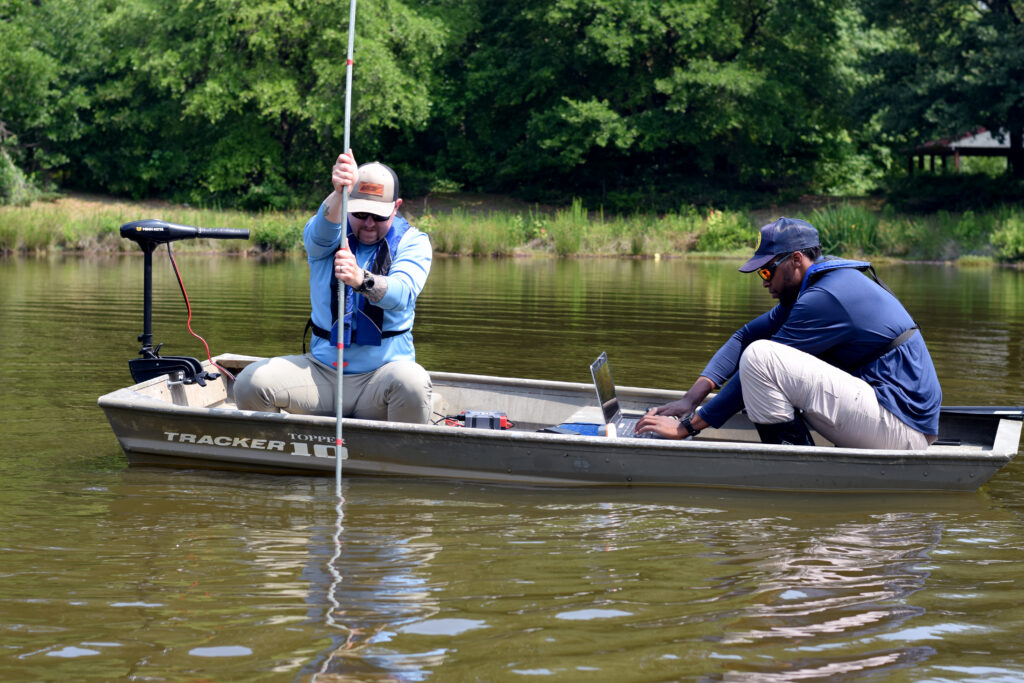
Every stormwater pond has unique management needs depending on its primary function. Below are several proactive services that can help prepare ponds for fall.
Water Quality Testing
Professional water quality testing measures indicators such as dissolved oxygen, nutrient levels, and pH. These results help aquatic professionals identify trends and recommend management strategies that support a balanced aquatic ecosystem.
Sediment Assessments
Sediment naturally accumulates over time as runoff carries soil and organic material into the pond. Monitoring sediment levels helps determine whether future maintenance or restoration may be needed.
Shoreline Inspections
Erosion can introduce additional sediment into the pond while affecting shoreline stability. Identifying erosion early allows property managers to consider repair options before conditions worsen.
Fountain and Aeration Maintenance
If your pond includes fountains or aeration equipment, fall is an ideal time to inspect and perform motor maintenance on these systems before seasonal changes arrive. Properly functioning equipment helps improve water circulation and supports overall water quality throughout the year. SOLitude’s pond fountains and aeration systems can be incorporated into a proactive management program designed to support long-term water quality goals.
Aquatic Vegetation Management
Managing nuisance aquatic vegetation before plants naturally die back can help reduce the amount of organic material entering the pond and contributing to bottom muck and overall nutrient levels.
Can Property Managers Perform Stormwater Pond Maintenance Themselves?
Routine visual inspections are an important part of good property management. Removing trash, monitoring water levels, and watching for obvious erosion or damaged structures can help identify concerns between professional visits.
However, comprehensive stormwater pond maintenance often requires specialized knowledge and equipment to assess water quality, detect ecological changes, and recommend long-term management strategies that will keep your pond compliant and functional.
Working with aquatic professionals also helps ensure maintenance decisions are based on the pond’s specific conditions and management goals.
How Often Should Stormwater Pond Maintenance Be Performed?
Stormwater ponds benefit from ongoing monitoring rather than waiting until problems become obvious.
While maintenance schedules vary depending on pond size, surrounding land use, management goals, and environmental conditions, many properties benefit from seasonal inspections combined with an annual management program. Regular evaluations help identify changing conditions early and allow management strategies to evolve as the pond changes over time.
The U.S. Environmental Protection Agency (EPA) also recommends routine inspections and maintenance to help stormwater systems continue functioning effectively.
How Does Proactive Stormwater Pond Maintenance Benefit Your Property?
Stormwater ponds are designed to do more than collect runoff. They help reduce flooding, filter pollutants, and enhance the overall appearance of a property.
Taking a proactive approach to stormwater pond maintenance before fall can help:
- Support healthier water quality
- Protect stormwater infrastructure
- Reduce excess debris and sediment accumulation
- Identify developing shoreline issues early
- Promote long-term pond performance
- Eliminate compliance fines
Rather than responding to problems after they occur, proactive maintenance focuses on preserving balance throughout the year.
Increased rainfall can also carry sediment and pollutants into the pond, reducing storage capacity and affecting overall performance. According to the U.S. Environmental Protection Agency (EPA), routine inspection and maintenance help stormwater management systems continue functioning properly while supporting water quality and regulatory compliance.
Key Takeaways
- Stormwater pond maintenance before fall helps prepare ponds for seasonal leaf litter, rainfall, and changing water conditions.
- Routine inspections can identify shoreline erosion, sediment buildup, and infrastructure concerns before they become more significant.
- Water quality testing provides valuable information that supports proactive management decisions.
- Maintaining fountains, aeration systems, and aquatic vegetation helps support overall pond health throughout seasonal transitions.
- Partnering with an experienced aquatic management company helps property managers protect water quality and maximize the long-term performance of stormwater ponds and ensure systems meet state and local compliance laws.
What’s the Next Step for Maintaining a Healthy Stormwater Pond?

Preparing your stormwater pond before fall is one of the most effective ways to support long-term water quality and system performance. By addressing seasonal maintenance needs early, property managers can better prepare their ponds for changing weather conditions while helping maintain a functional, attractive waterbody that meets compliance regulations.
At SOLitude Lake Management, we provide science-backed, proactive stormwater pond maintenance programs tailored to each property’s unique goals. From water quality testing and shoreline evaluations to customized annual management plans, our experts help property managers maintain healthy, balanced waterbodies throughout every season.
Contact SOLitude today to schedule a consultation and learn how proactive stormwater pond maintenance can support your property.
Watch: Worry-Free Pond Maintenance and Lake Management Services
SOLitude Lake Management is a nationwide environmental firm committed to providing sustainable solutions that improve water quality, enhance beauty, and preserve natural resources.
SOLitude’s team of aquatic scientists specializes in developing and executing customized lake, stormwater pond, wetland, and fisheries management programs. Services include water quality testing and restoration, algae and aquatic weed control, installation and maintenance of fountains and aeration systems, shoreline erosion control, muck and sediment removal, and invasive species management. SOLitude partners with homeowners’ associations, golf courses, private landowners, businesses, and municipalities. SOLitude Lake Management is part of Rentokil, a leading business services company, operating across the United States, Canada, and Puerto Rico.
For more information, visit SOLitude Lake Management at solitudelakemanagement.com, and connect on Facebook, LinkedIn, and YouTube.