




Article Summary
- Pond maintenance services help improve water quality through proactive monitoring, routine inspections, and customized management plans.
- Professional maintenance programs may include water quality testing, aquatic weed and algae management, fountain and aeration maintenance, shoreline inspections, and nutrient management.
- Routine pond maintenance helps identify potential issues early, supporting a healthier, more balanced aquatic ecosystem over time.
- Every pond has unique needs, making a customized maintenance plan one of the most effective ways to protect its long-term beauty, function, and value.
A healthy pond doesn’t happen by accident. It requires consistent care, ongoing monitoring, and a proactive approach to managing water quality.
Whether you oversee a homeowners association, golf course, commercial property, municipality, or private pond, investing in pond maintenance services can help protect your waterbody long before small concerns become costly problems. Rather than simply responding to algal blooms or aquatic weeds after they appear, professional maintenance focuses on improving the health and balance of the aquatic ecosystem.
At SOLitude Lake Management, we believe healthy, well-balanced waterbodies create more enjoyable places for people to live, work, and gather. Our science-backed approach emphasizes proactive management designed to help improve water quality while supporting the long-term beauty and functionality of your pond.
What do pond maintenance services include?
Professional pond maintenance services typically include water quality monitoring, aquatic weed and algae management, fountain and aeration maintenance, shoreline inspections, and customized management recommendations. A proactive maintenance program helps improve water quality, supports a balanced aquatic ecosystem, and reduces the likelihood of larger water quality issues developing over time.
What Are Pond Maintenance Services?
Pond maintenance services are ongoing management programs designed to keep ponds and lakes healthy year-round. Unlike one-time treatments that address the symptom of unbalanced water quality, professional maintenance focuses on proactively monitoring your waterbody to identify changing conditions and implement strategies that can address any water quality imbalances before they get out of control.
A comprehensive maintenance program may include:
- Routine water quality monitoring
- Aquatic weed and algae management
- Fountain and aeration maintenance
- Nutrient management strategies
- Shoreline inspections
- Seasonal recommendations
Every pond is unique. Factors such as pond size, depth, nutrient inputs, surrounding land use, and how the waterbody is utilized all influence the maintenance plan that’s right for your waterbody.
Rather than treating symptoms alone, proactive pond maintenance focuses on identifying any underlying conditions that may contribute to future water quality challenges.
What Is Typically Included in Professional Pond Maintenance Services?
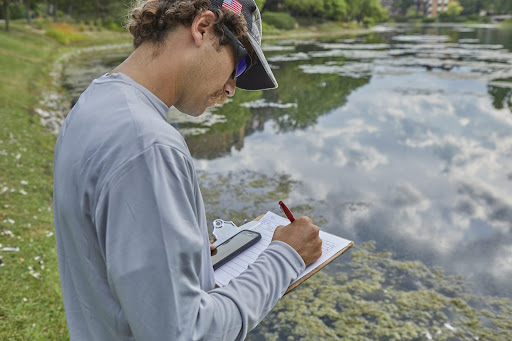
While every maintenance program is customized, most professional pond maintenance services include several core components that work together to support a healthier aquatic ecosystem.
| Service | Purpose |
| Water Quality Testing | Monitors nutrients, dissolved oxygen, pH, and other important indicators. |
| Aquatic Weed & Algae Management | Helps manage nuisance vegetation and algae while supporting overall water quality. |
| Fountain & Aeration Maintenance | Helps improve circulation and oxygen distribution throughout the water body. |
| Nutrient Management | Helps address excess nutrients that can contribute to water quality imbalances. |
| Shoreline Inspections | Identifies erosion concerns before they become more significant. |
Each of these services plays a critical role in maintaining a balanced ecosystem. Together, they provide a proactive approach that supports healthier water throughout the year by helping identify potential issues early, protecting water quality, and addressing changing conditions before they become more significant.
This preventative approach aligns with conservation best practices promoted by the U.S. Department of Agriculture’s Natural Resources Conservation Service (NRCS), which emphasizes protecting water resources through proactive land and water management.
Why Is Routine Pond Maintenance Important?
Many water quality issues develop gradually over time.
Excess nutrients can accumulate unnoticed. Organic debris settles to the bottom. Shorelines slowly erode. Equipment experiences normal wear and tear. Left unchecked, these changes can affect both the appearance and function of the pond.
Routine pond maintenance services help identify these changes early, allowing property owners and managers to make informed decisions before larger issues develop.
Professional maintenance may help:
-
- Improve overall water quality
- Support a balanced aquatic ecosystem
- Maintain healthy dissolved oxygen levels
- Protect fountains and aeration equipment
- Identify shoreline erosion concerns early
- Reduce the likelihood of emergency repairs
- Enhance the appearance of the waterbody
- Support long-term property value
- Extend the lifespan of the waterbody
A proactive approach can help address developing concerns before they require more extensive or costly repairs.
That’s why SOLitude Lake Management emphasizes proactive, customized maintenance programs that help improve water quality and support long-term ecosystem balance.
How Often Should Pond Maintenance Be Performed?
There isn’t a one-size-fits-all schedule.
The ideal maintenance frequency depends on several key factors, including:
- Pond size
- Water depth
- Surrounding landscape
- Stormwater runoff
- Seasonal weather patterns
- Nutrient inputs
- How the pond is used
Many commercial and community ponds benefit from year-round management because water conditions continually change throughout the seasons.
For example:
- Spring often focuses on preparing the pond for increased biological activity.
- Summer may require closer monitoring as warmer temperatures affect dissolved oxygen and nutrient cycling.
- Fall is an ideal time to address leaf litter and organic debris before winter.
- Winter provides an opportunity to evaluate the pond and prepare for the following growing season.
Regular visits allow aquatic professionals to observe trends over time rather than reacting to isolated events.
Can Pond Maintenance Help Improve Water Quality?
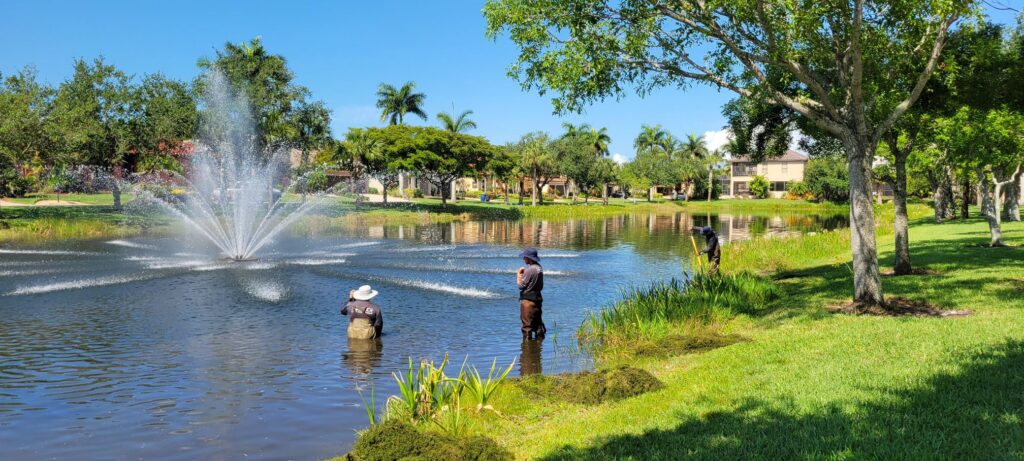
Healthy water starts with balance.
Professional pond maintenance services focus on improving overall water quality through a combination of monitoring, preventative maintenance, and customized management strategies.
Rather than relying on a single solution, aquatic professionals evaluate the entire ecosystem to determine which tools may best support your goals.
These strategies may include:
- Regular water quality monitoring
- Nutrient management
- Aeration and circulation improvements
- Biological management tools
- Shoreline stabilization
- Responsible aquatic plant management
By addressing water quality proactively, property managers and owners can help create conditions where nuisance algae and aquatic weeds are less likely to develop, while supporting healthier aquatic ecosystems over time.
Should You Hire Professional Pond Maintenance Services?
If your pond supports your property’s appearance, functionality, stormwater needs, or recreational value, professional maintenance can help protect its long-term performance.
Regular maintenance benefits a wide range of properties, including:
- Homeowners Associations (HOAs) or Community Development Districts (CDDs)
- Apartment and Multifamily Communities
- Golf Courses
- Commercial Properties
- Municipalities
- Corporate Campuses
- Private Landowners
- Colleges and Universities
Whether your pond serves as a stormwater management feature, an irrigation source, a recreational amenity, or an aesthetic focal point, routine maintenance supports long-term performance while reducing unexpected maintenance challenges.
What Are the Signs Your Pond Needs Professional Maintenance?
Many pond problems begin gradually, making them easy to overlook until they become more significant.
Consider scheduling a professional evaluation if you notice:
- Recurring algal blooms
- Increasing aquatic weed growth
- Cloudy or discolored water
- Excessive leaf litter or bottom muck
- Fish stress or fish kills
- Foul odors
- Shoreline erosion
- Poor fountain or aeration performance
- Sediment accumulation
- Flooding or drainage concerns around the pond
These symptoms don’t always indicate a major problem, but they can signal changes in water quality that deserve attention.
A professional assessment can help determine what’s happening beneath the surface and identify management strategies that support your long-term goals.
How Does Proactive Pond Maintenance Compare to Reactive Treatments?
Proactive and reactive strategies can both play important roles in lake and pond management. Reactive treatments, such as EPA-registered algaecide and herbicide applications, can help manage nuisance algae and aquatic weeds when they develop, even when an ongoing maintenance program is already in place.
However, relying solely on reactive treatments may not address the underlying water quality conditions contributing to recurring issues.
| Proactive Pond Maintenance | Reactive Treatments |
| Monitors conditions over time | Addresses issues as they arise |
| Focuses on long-term water quality | Provides targeted management of immediate concerns |
| Helps identify changes early and implements solutions to maintain balance | Helps manage nuisance algae, weeds, and other visible issues |
| Incorporates customized, ongoing strategies | Can be incorporated as needed within an annual management program |
| Supports overall ecosystem balance | Complements proactive management when conditions require intervention |
A proactive maintenance program provides a more comprehensive approach by monitoring changes over time and adjusting management strategies as conditions evolve.
When reactive treatments are needed, they can complement these ongoing strategies while helping manage immediate concerns. Together, proactive and reactive tools allow aquatic professionals to respond to current conditions while continuing to support the waterbody’s long-term health.
One important part of proactive management is identifying and managing excess nutrients before they contribute to larger water quality issues. Based on research by the U.S. Environmental Protection Agency, nutrient pollution is one of the most widespread and challenging environmental problems affecting waterways.
By monitoring nutrient levels as part of a routine maintenance program, aquatic professionals can make informed recommendations that support long-term water quality and ecosystem balance.
Frequently Asked Questions About Pond Maintenance Services
How often should pond maintenance services be scheduled?
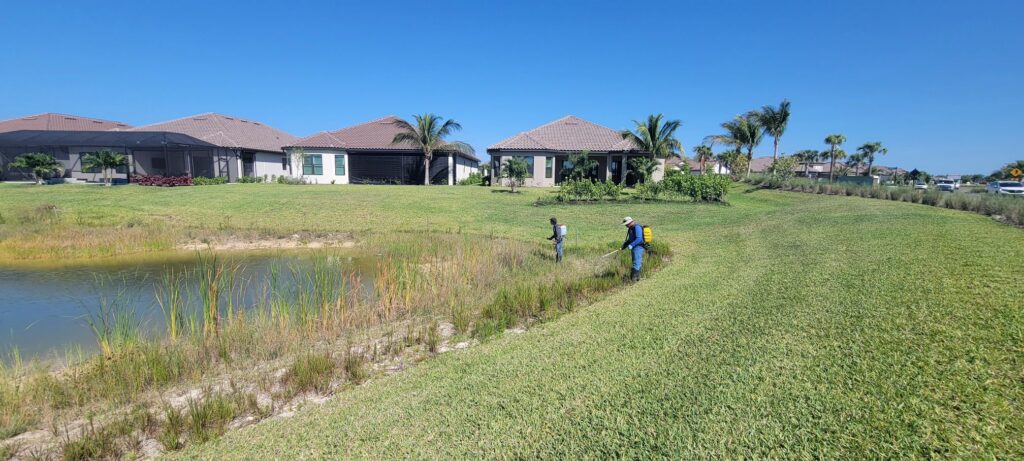
Most ponds benefit from routine maintenance throughout the year. The exact schedule depends on the pond’s size, purpose, surrounding landscape, and seasonal conditions. An aquatic professional can recommend a maintenance plan based on your property’s specific needs.
Can pond maintenance services help improve water quality?
Yes. Professional pond maintenance services focus on improving overall water quality through monitoring, preventative management, and customized recommendations. Healthy water quality creates conditions that support a balanced aquatic ecosystem and reduce the likelihood of nuisance water quality issues over time.
What is included in pond maintenance services?
Most maintenance programs include water quality monitoring, aquatic weed and algae management, fountain and aeration maintenance, shoreline inspections, nutrient management strategies, and seasonal recommendations. Services are typically customized for each property.
Are pond maintenance services only for large lakes?
No. Professional maintenance benefits lakes and ponds of many sizes, including small stormwater ponds in residential communities, golf course water features, large recreational lakes, and small private ponds. The maintenance program is tailored to the size and function of the waterbody.
Why is routine pond maintenance important?
Routine maintenance helps identify changes in water quality early, supports a balanced ecosystem, protects equipment, improves appearance, and helps property managers and owners to make informed management decisions before larger issues develop.
Key Takeaways
- Pond maintenance services focus on proactive care that supports long-term water quality rather than simply responding to visible problems.
- Professional maintenance programs may include water quality monitoring, aquatic vegetation management, algae control, fountain and aeration maintenance, shoreline inspections, and nutrient management strategies.
- Routine maintenance helps identify changes early, allowing property owners to make informed decisions before more significant issues develop.
- Every pond is unique, so maintenance programs should be customized based on the property’s goals, surrounding environment, and intended use.
- Investing in proactive pond maintenance helps protect the beauty, function, and long-term value of your waterbody.
Protect Your Pond with Professional Pond Maintenance Services
Healthy ponds require more than occasional treatments. They benefit from consistent monitoring, science-based management, and a proactive approach to water quality.
At SOLitude Lake Management, we provide customized pond maintenance services designed to help improve water quality, maintain functionality, and enhance the beauty of your waterbody. Whether you manage a community pond, golf course, municipality, commercial property, or private lake, our experienced aquatic professionals can develop a maintenance program tailored to your goals.
Ready to protect your pond for the long term? Contact SOLitude Lake Management today to schedule a consultation and learn more about our customized pond maintenance services.
Watch: Worry-Free Pond Maintenance and Lake Management Services
SOLitude Lake Management is a nationwide environmental firm committed to providing sustainable solutions that improve water quality, enhance beauty, and preserve natural resources.
SOLitude’s team of aquatic scientists specializes in developing and executing customized lake, stormwater pond, wetland, and fisheries management programs. Services include water quality testing and restoration, algae and aquatic weed control, installation and maintenance of fountains and aeration systems, shoreline erosion control, muck and sediment removal, and invasive species management. SOLitude partners with homeowners’ associations, golf courses, private landowners, businesses, and municipalities. SOLitude Lake Management is part of Rentokil, a leading business services company, operating across the United States, Canada, and Puerto Rico.
For more information, visit SOLitude Lake Management at solitudelakemanagement.com, and connect on Facebook, LinkedIn, and YouTube.