



6 Tips to Prevent Summer Fish Kills & Improving Pond Water Quality
July 20th, 2017
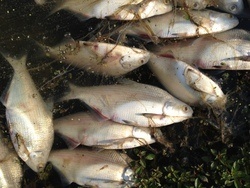
Hot summer temperatures can put a strain on aquatic environments and often push animals, such as fish, to their limits. As temperatures increase, so does the possibility of a fish kill. When a fish kill is discovered, it’s common for communities to fear the worst – from chemical spills to foul play. However, most fish […]
Hydro-raking: A Lakefront Management Tool
June 26th, 2017
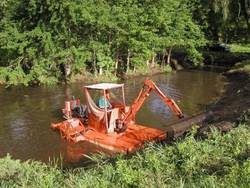
Written by Industry Expert Emily Walsh, Environmental Scientist “Cowabunga!!” shouts Jimmy as he splashes in the crystal refreshing water and laughs to his friends to the side of the rope swing. “Come on in, lunch is ready!” yells mom as she smiles happily at the thought of the memories currently in the making. Ten years later […]
The Importance of Monitoring Before Active Lake and Pond Management
June 8th, 2017
Written by Industry Expert Brea Arvidson, Aquatic Biologist Natural or man-made, big or small, freshwater lakes and ponds are all aquatic ecosystems that serve an important role in our environment. So, they’re all the same? Water is water, right? Not quite. The individual characteristics, uses and management goals can vary drastically from waterbody to waterbody. […]
Sustainable Lake and Pond Solutions Through Nutrient Remediation
May 2nd, 2017
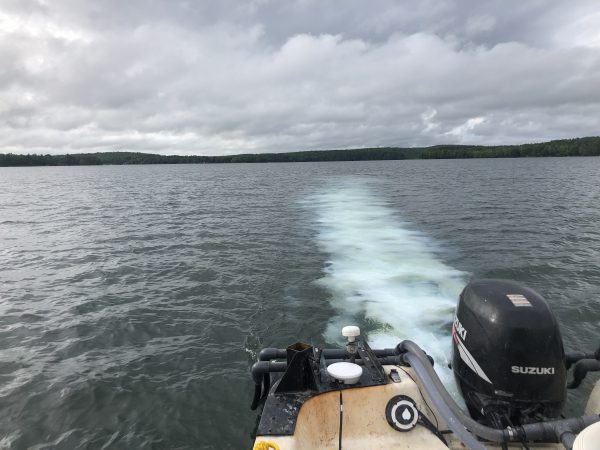
Reducing excess nutrients in a waterbody has proven to be an effective means of managing harmful algal growth and shifting the remaining algae population towards more beneficial species. Nutrients enter lakes and ponds from a multitude of vectors including watershed inflow, stormwater runoff and accumulated bottom sediment. As management practices are refined and better strategies […]
How Often Should Water Quality be Tested?
April 13th, 2017
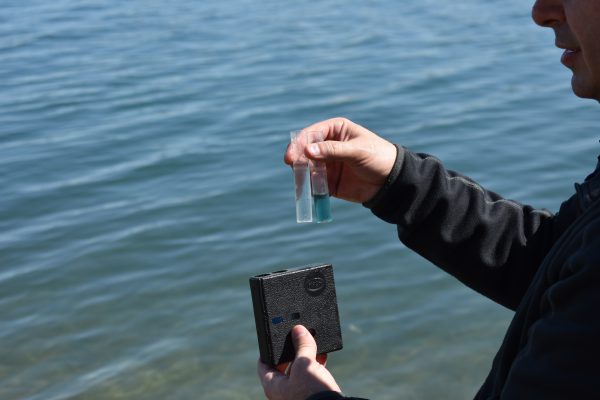
Written by Industry Expert, Brea Arvidson, Aquatic Biologist Healthy water quality is extremely important for all lakes and ponds, and proactive testing and monitoring is vital when it comes to helping prevent water quality problems in recreational lakes, stormwater ponds and drinking water reservoirs. Lake and pond owners often wait until an algae bloom, fish […]
Sustainable Solutions for Lake and Pond Management
March 28th, 2017
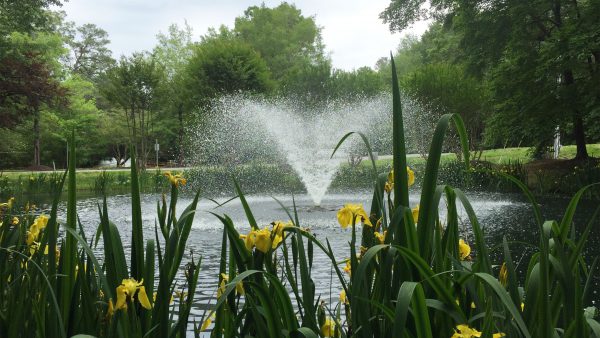
AS SEEN IN Various Community Associations Institute Chapter Newsletters: Written by Industry Expert, Shannon Junior, Aquatic Ecologist and Senior Business Development Consultant As lakes and ponds age, they are continually impacted by sedimentation and nutrient enrichment. Eventually, sediment and nutrient overload can lead to poor water quality and increased algae and nuisance aquatic vegetation blooms. […]
Five Irrigation Water Management Tips For Golf Course Superintendents
March 21st, 2017
Written by Industry Expert Trent Nelson, Aquatic Specialist and former Assistant Golf Course Superintendent Whether the golf season is just getting started or already in full swing, it’s important to address the growing irrigation needs of your course. Turf health is highly dependent on the irrigation source and delivery system. While there are a multitude […]
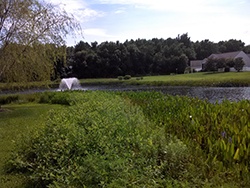
Bank Erosion Control, the Importance of Buffer Zones and Buffer Plants
March 14th, 2017
Written by Industry Experts Brandon Tindley and Greg Blackham, Aquatic Specialists Have you seen the banks of your lake or pond slowly recede and retreat year after year? Have you noticed soil and silt deposits building up along the shoreline? Does the average water depth of your waterbody get shallower each year? The erosion you […]
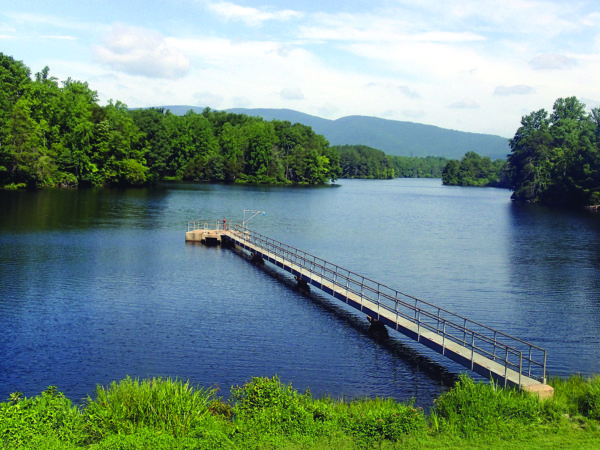
Drinking Water Reservoir Management
February 7th, 2017
Written by Industry Expert, Shannon Junior, Aquatic Ecologist and Senior Business Development Consultant We are fortunate in the United States that our country has the technology and resources to provide clean and palatable drinking water to our citizens. However, the recent catastrophic situations in Flint, Michigan earlier this year and in Lake Erie in 2014 […]
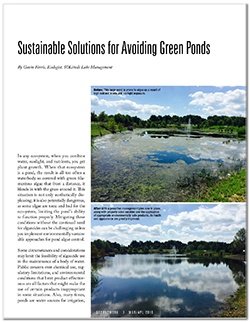
Pond Management: Sustainable Solutions for Avoiding Green Ponds
January 4th, 2017
AS SEEN IN Groundwork Magazine: Written by Industry Expert, Gavin Ferris, Ecologist In any ecosystem, when you combine water, sunlight, and nutrients, you get plant growth. When that ecosystem is a pond, the result is all too often a waterbody so covered with green filamentous algae that from a distance, it blends in with the […]