




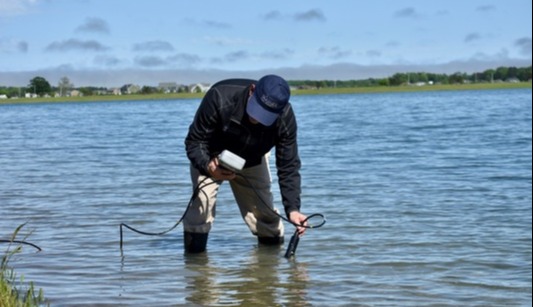
Water Quality Testing: A Balancing Act
April 16th, 2019
AS SEEN IN Parks and Rec Business Magazine: Written by Trent Nelson, Aquatic Specialist and Business Development Consultant Most people have heard the adage that no two snowflakes are the same, but did you know this truth also applies to bodies of water? No two lakes or ponds are the same—and location, the size, water […]
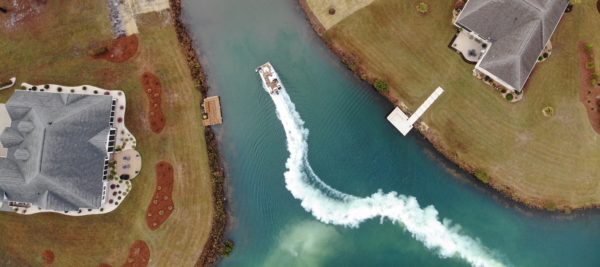
Case Study: Managing Aquatic Weeds & Algae in a Complex Canal System
February 20th, 2019
Written by Industry Expert Nic Butler, Aquatic Specialist Aquatic management plans vary as no two waterbodies or properties are alike, and there is no “one-size-fits-all” approach to lake and pond management. Several years ago, we came across a particularly interesting opportunity that exemplifies how our team is able to successfully utilize a variety of aquatic […]
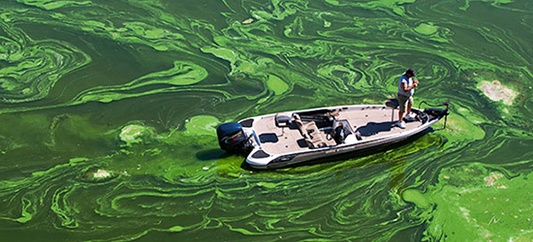
Top 10 Ways: How to Prevent Harmful Algal Blooms and Cyanobacteria
January 10th, 2019
AS SEEN IN Common Ground™ magazine: Written by Industry Expert Brea Arvidson, Aquatic Biologist In communities with lakes and ponds, managers need to be vigilant to prevent cyanobacteria – also known as blue green algae. Algae is a natural component of any lake or pond system. But in more and more communities that include water features, […]
The Importance of Understanding Your Watershed
October 25th, 2018
Written by Industry Expert Greg Blackham, Aquatic Specialist Did you know that everyone on this planet lives in a watershed? A watershed, defined, is any amount of land that collects water through precipitation and transports it to a common outlet. That common outlet could be a stream, river, reservoir, lake or even a large bay […]
FAQ: Frequently Asked Pond Questions
August 27th, 2018
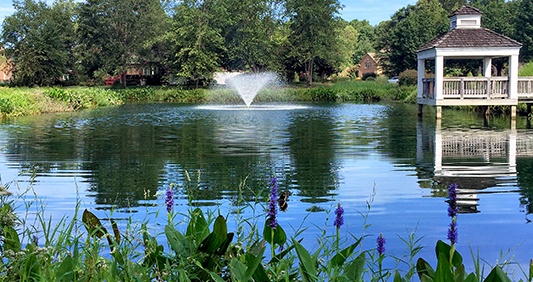
Whether your waterbody is a stormwater management facility constructed for nutrient removal and flood mitigation, an irrigation or livestock pond, or an amenity feature created for recreation, there are many ecological problems that can affect the health and appearance of the pond and its suitability for the intended water use. Below are answers to some […]
Fertilizer in Your Pond: Managing Nutrients to Change the Game
August 1st, 2018
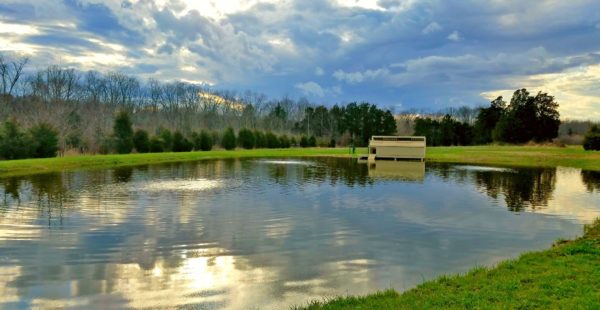
Written by Industry Expert Matthew Ward, Fisheries Biologist If you own or manage a body of water long enough, you will experience invasive vegetation and algae growth. This growth can be associated with bad smells and dead fish, converting an otherwise pristine waterbody into an ugly mess. Often, a manager’s first reaction is to identify […]
Stormwater Management Trends: Eco-friendly Pond Maintenance
July 30th, 2018
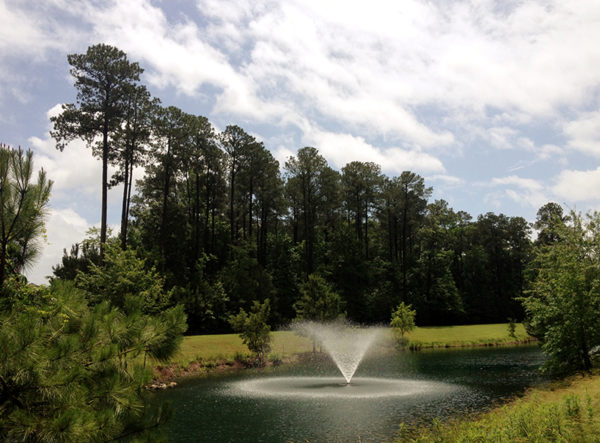
AS SEEN IN Quorum, Washington Metropolitan Chapter and Community Associations Institute: Written by Industry Expert Shannon Junior, Aquatic Ecologist The last decade has brought major changes to the pond and lake management industry. Every community that has privately maintained ponds, lakes or stormwater best management practices has responsibilities to manage the structural, functional and aesthetic […]
Use Water Quality Testing to Customize Your Lake Management Strategy
June 11th, 2018
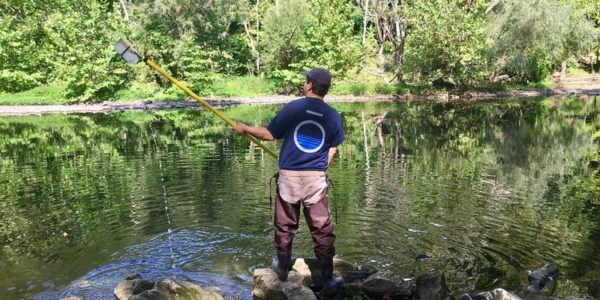
Written by Industry Expert Trent Nelson, Business Development Consultant & Aquatic Specialist Everyone has heard the adage that no two snowflakes are the same, but did you know this truth also applies to your waterbody? No two lakes or ponds are the same—and location, size, water use, aquatic vegetation coverage and type, pond nutrient levels […]
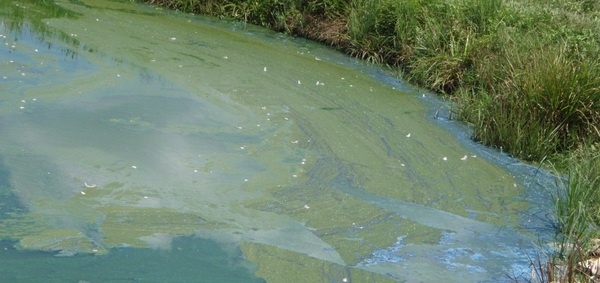
Nutrient Management: Say No to Cyanobacteria if You Want Big Bass
May 29th, 2018
AS SEEN IN Pond Boss Magazine: Written by Industry Experts David Beasley, Fisheries Biologist & Director of Fisheries and West M. Bishop, Ph.D., Algae Scientist & Water Quality Research Manager at SePRO Corporation Several decades ago, pioneers of the trophy Largemouth Bass industry began connecting the dots on how to consistently grow big bass. Over the years, these […]
How Can There Be ‘Too Many Pond Nutrients’?
March 15th, 2018
Written by Industry Expert Paul Conti, Environmental Scientist Lakes and ponds are home to many aquatic plant species that function as food sources for fish and animals, and provide aesthetic beauty to onlookers. In order to maintain this kind of life in any pond, nutrients must be present. Among many types of nutrients found in […]