




Is Your Stormwater Management Pond Ready for Spring?
Spring is an ideal time to evaluate the health and compliance of a stormwater management pond. Debris, nutrient buildup, and reduced biological activity can quietly affect performance on your pond before problems become noticeable. Proactive inspections and maintenance can help protect water quality, reduce risk, and support long-term functionality. Addressing issues early can reduce the need for reactive fixes later in the season.
Although stormwater ponds are designed to manage runoff, winter conditions can subtly change how they function.
Changes in a pond don’t always stand out right away. Sediment and organic material that decayed in the water over the cooler months can accumulate quietly and start causing issues once spring rains increase pressure on the system.
Checking conditions early gives property managers and communities a chance to catch minor issues before they turn into bigger headaches later on.
What Should Be Inspected in a Stormwater Management Pond Before Spring?
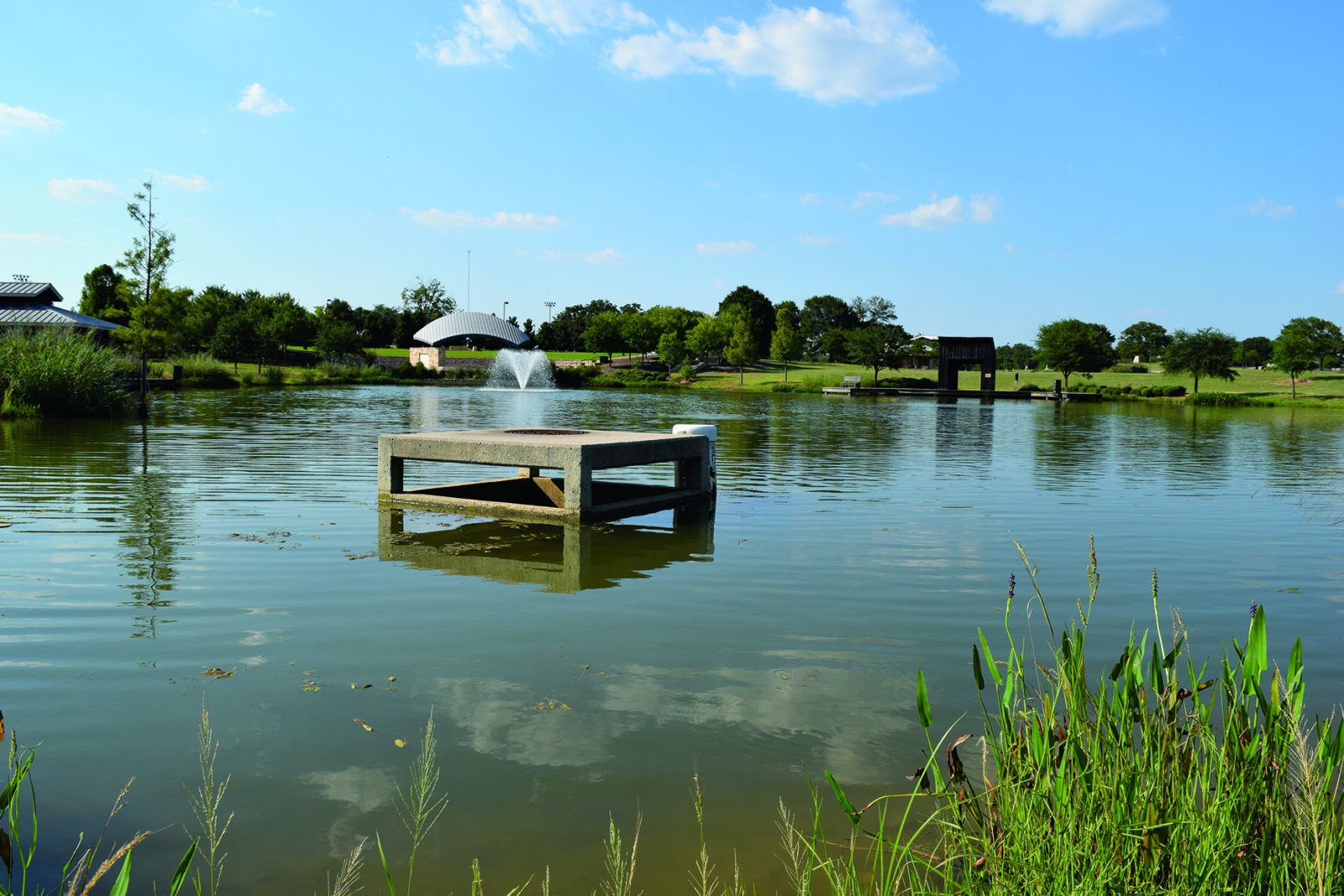
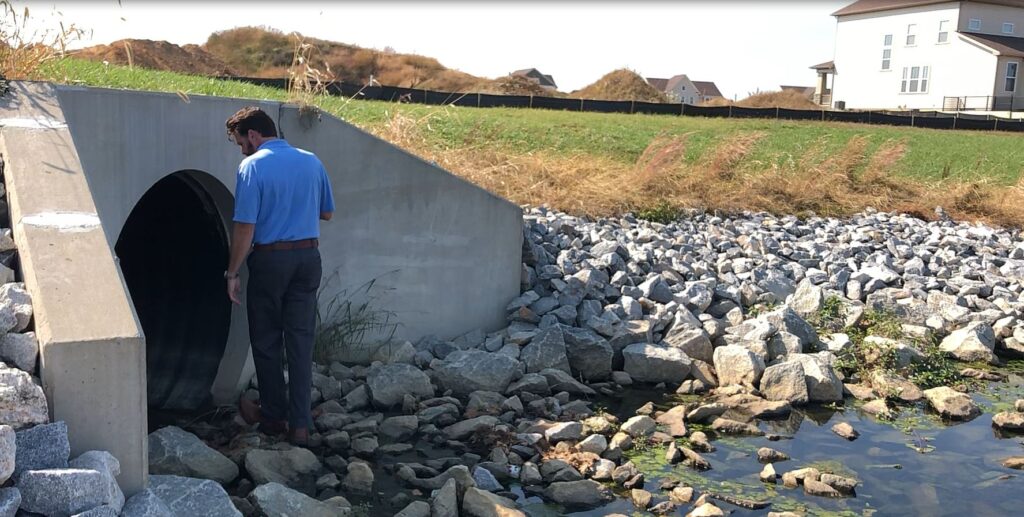
Spring inspections don’t need to be complicated. They’re an opportunity to walk the pond, notice what may have shifted over the winter, and observe how water is moving through the system. Inlets and outlets are usually a good place to start, as debris, erosion, or structural wear often shows up there first.
It’s important to look beyond blockages alone. Cracks, corrosion, or damage to inlet and outlet structures can also interfere with flow and reduce a pond’s ability to function as designed. When left unaddressed, these issues may affect compliance and can lead to hefty fines and more costly repairs over time.
Paying attention to sediment and organic material is also important, especially along the bottom and edges of the pond. As this material accumulates, it can reduce available storage capacity and place added strain on the system during rainfall events.
Shorelines and embankments deserve a closer look as well. Soft spots, exposed soil, or uneven edges may indicate erosion beginning to take hold. Finally, vegetation around the pond should be evaluated to ensure buffers remain established and growth stays managed, as both support filtration and shoreline stability.
How Do Nutrients and Sediment Affect Stormwater Pond Compliance?
Excess nutrients and sediment are common root causes behind many stormwater pond challenges.
When phosphorus-rich sediment and organic matter accumulate, they can:
- Reduce available water storage
- Block inlet and outlet flows
- Increase oxygen demand within the water column
- Fuel algae and aquatic weed growth
Over time, these changes can affect how well a pond performs its job. The U.S. Environmental Protection Agency states that stormwater ponds need regular inspection and maintenance as sediment and pollutants build up.
What Is the Difference Between Reactive and Proactive Pond Maintenance?
Understanding the difference between short-term fixes and long-term strategies is essential for sustainable compliance.
What Are Reactive Solutions in Stormwater Pond Management?
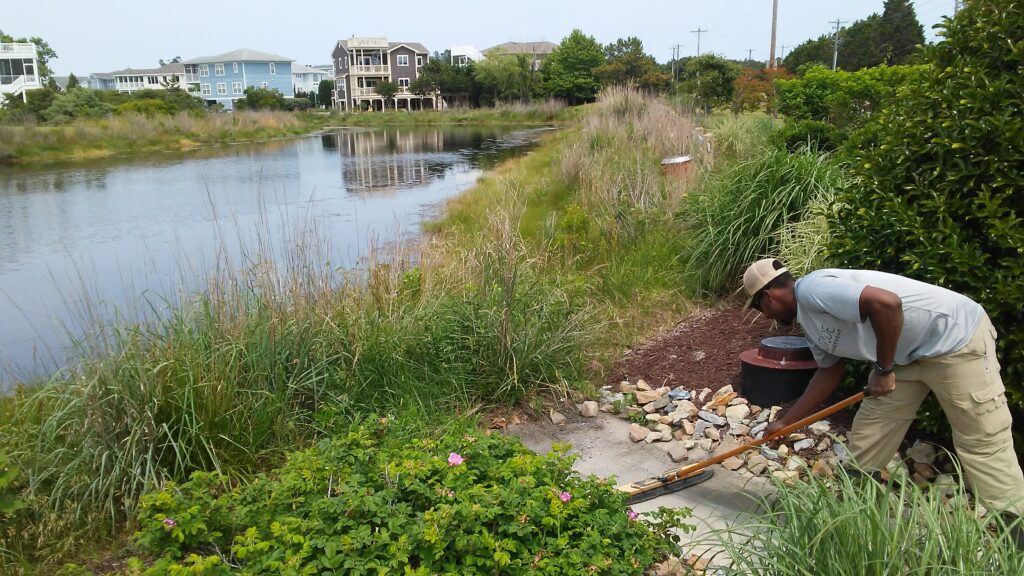
Reactive approaches address problems after they show up. They’re useful when something needs to be fixed quickly, but they don’t correct the underlying conditions that caused the issue.
In real-world situations, reactive work may involve:
- Removing built-up debris or vegetation
- Applying products to address nuisance growth
- Repairing erosion after storm damage
These approaches can provide temporary improvement but are most effective when paired with proactive planning.
Proactive solutions (long-term prevention)
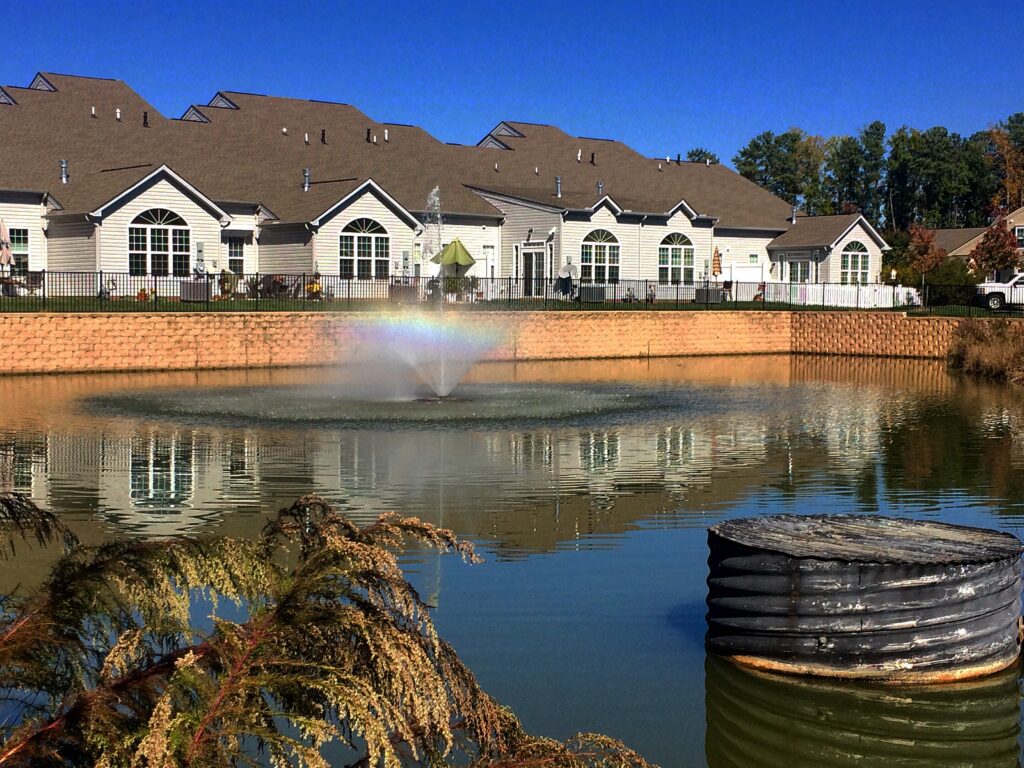
Proactive management focuses on addressing root causes and supporting system health:
- Routine inspections and water quality monitoring
- Nutrient management strategies that address phosphorus at the source
- Aeration to support oxygen balance and improve circulation
- Beneficial buffer shoreline plantings that filter excess nutrients and stabilize the shoreline
Together, these strategies help reduce the likelihood of recurring issues and support consistent performance.
Why Does Proactive Planning Matter for Long-Term Pond Compliance?
Taking a planned approach helps ponds function more consistently and limits the need for reactive work later on.
Proactive planning supports compliance by:
- Identifying minor issues before they escalate
- Supporting consistent water quality and storage capacity
- Reducing reliance on emergency or reactive services
- Aligning maintenance efforts with regulatory expectations
Many communities and property managers find that ongoing management plans provide greater clarity, fewer surprises, and improved confidence in pond performance.
What Maintenance Should Be Performed On My Stormwater Management Pond In the Spring?
A stormwater management pond should be evaluated each spring to ensure it can manage runoff and support balanced water quality. Debris, sediment accumulation, and nutrient buildup can reduce performance. Proactive inspections, nutrient management, and circulation strategies help address root causes before seasonal rainfall increases demand on the system.
Key Takeaways
- Spring is the ideal time to evaluate where your stormwater management pond meets compliance requirements
- Nutrient and sediment buildup can lead to performance issues
- Reactive maintenance offers short-term relief but does not prevent recurrence
- Proactive management supports long-term functionality and regulatory alignment
- Early planning helps reduce costs and avoid hefty fines
What’s Your Next Step for Proactive Stormwater Pond Management?
Preparing your stormwater management pond for spring starts with understanding how it functions today. SOLitude Lake Management partners with communities, municipalities, golf courses, commercial properties, and private landowners to support compliant, functional ponds through science-backed, proactive care.
From inspections and nutrient management to customized long-term plans, our team helps address issues at the source—before they become disruptions. Schedule a consultation to prepare your stormwater pond for spring and beyond.
Watch: See How Nutrient Management Helps Support Healthier Stormwater Ponds
SOLitude Lake Management is a nationwide environmental firm committed to providing sustainable solutions that improve water quality, enhance beauty and preserve natural resources.
SOLitude’s team of aquatic scientists specializes in the development and execution of customized lake, stormwater pond, wetland and fisheries management programs. Services include water quality testing and restoration, algae and aquatic weed control, installation and maintenance of fountains and aeration systems, shoreline erosion control, muck and sediment removal and invasive species management. SOLitude partners with homeowners associations, golf courses, private landowners, businesses and municipalities. SOLitude Lake Management is part of Rentokil, a leading business services company, operating across the United States, Canada and Puerto Rico.
For more information, visit SOLitude Lake Management at solitudelakemanagement.com, and connect on Facebook, LinkedIn, and YouTube.