





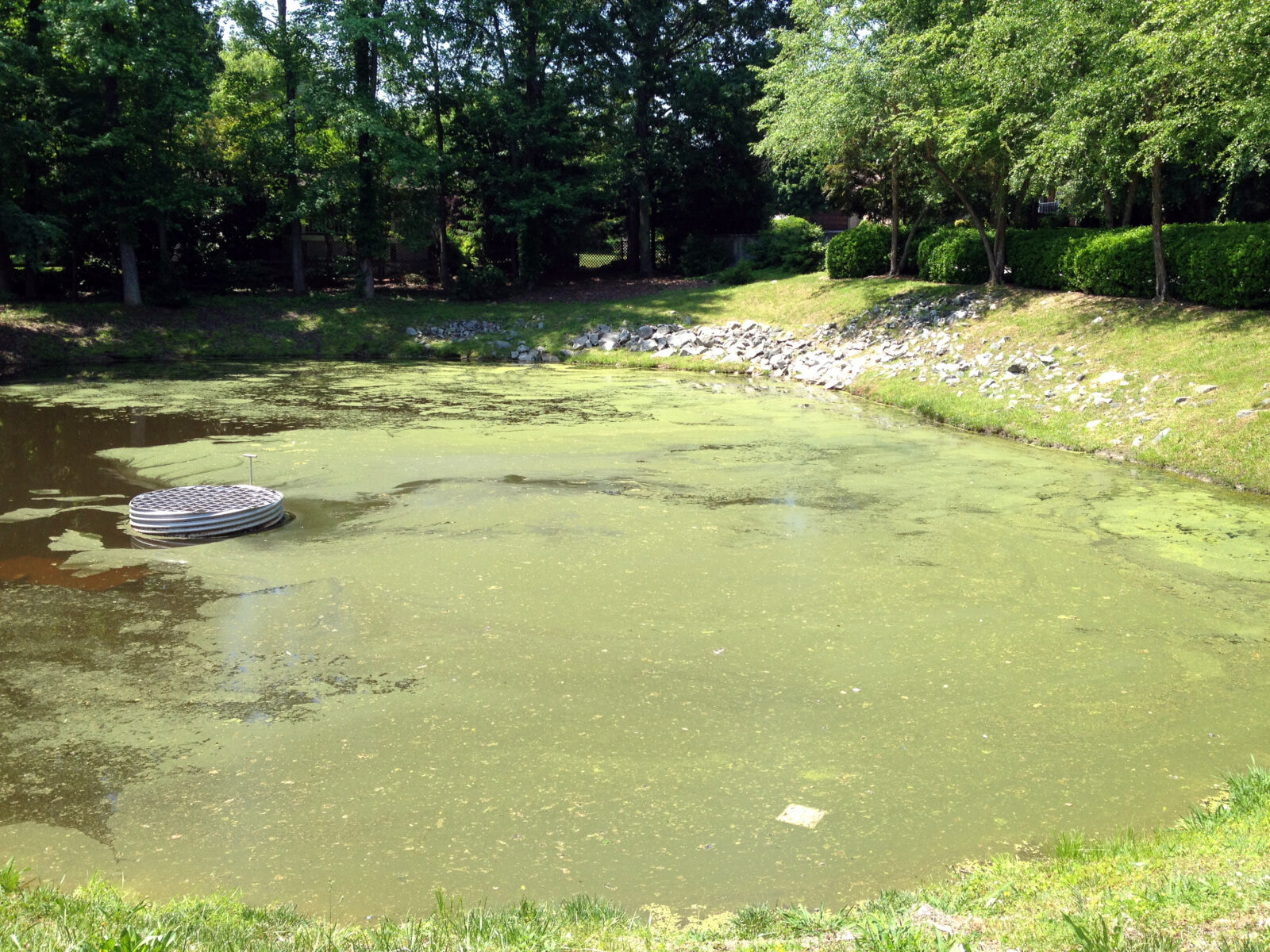
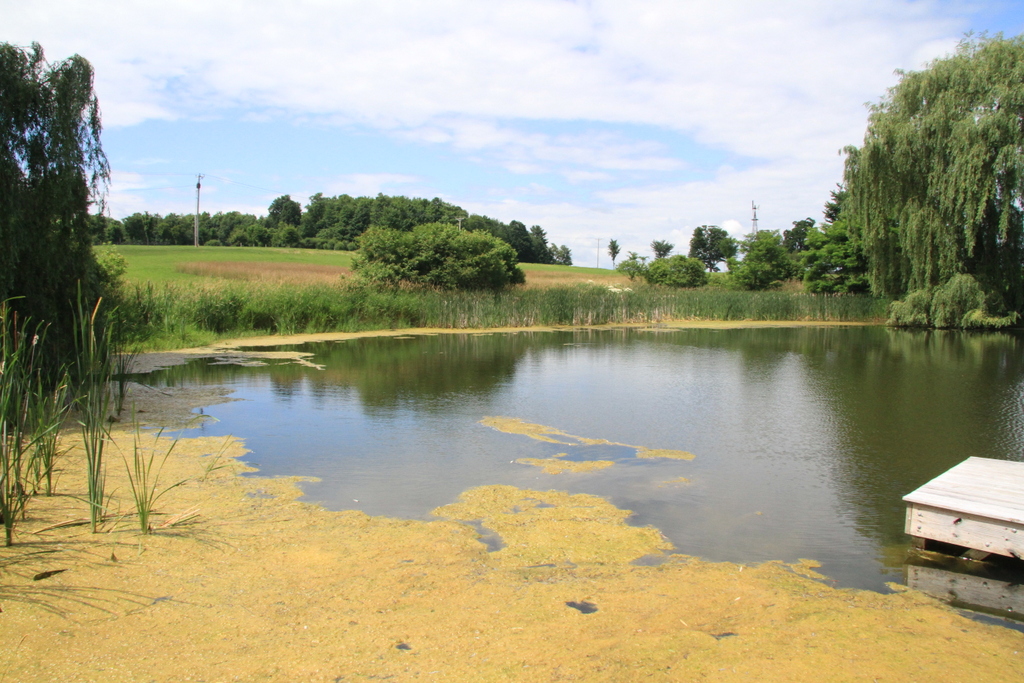
If algae keeps coming back no matter what you try, the issue likely isn’t the algae itself; it’s what’s happening in the water and bottom sediments.
Pond algae control goes beyond treating what’s visible on the surface. When nutrients build up and oxygen levels are low, algae can take hold. Focusing on water quality—through improved circulation, balanced nutrient levels, and consistent monitoring—can help reduce the likelihood of blooms developing over time while supporting a healthier, more balanced waterbody.
What is the best approach to pond algae control?
The best approach to pond algae control is addressing the root causes of algae growth, primarily excess nutrients, low oxygen, and poor circulation, rather than relying only on short-term fixes.
Algal blooms don’t appear randomly. They are a symptom of an imbalance in the waterbody. When nutrients like phosphorus and nitrogen build up, they fuel rapid algae growth.
Instead of relying on a single solution, effective pond management focuses on a few key areas—limiting nutrient inputs, supporting oxygen levels, improving water movement, and keeping an eye on overall water quality. When these factors are working together, it becomes much easier to maintain balance and reduce the chances of recurring algal blooms.
What causes algal blooms in ponds?
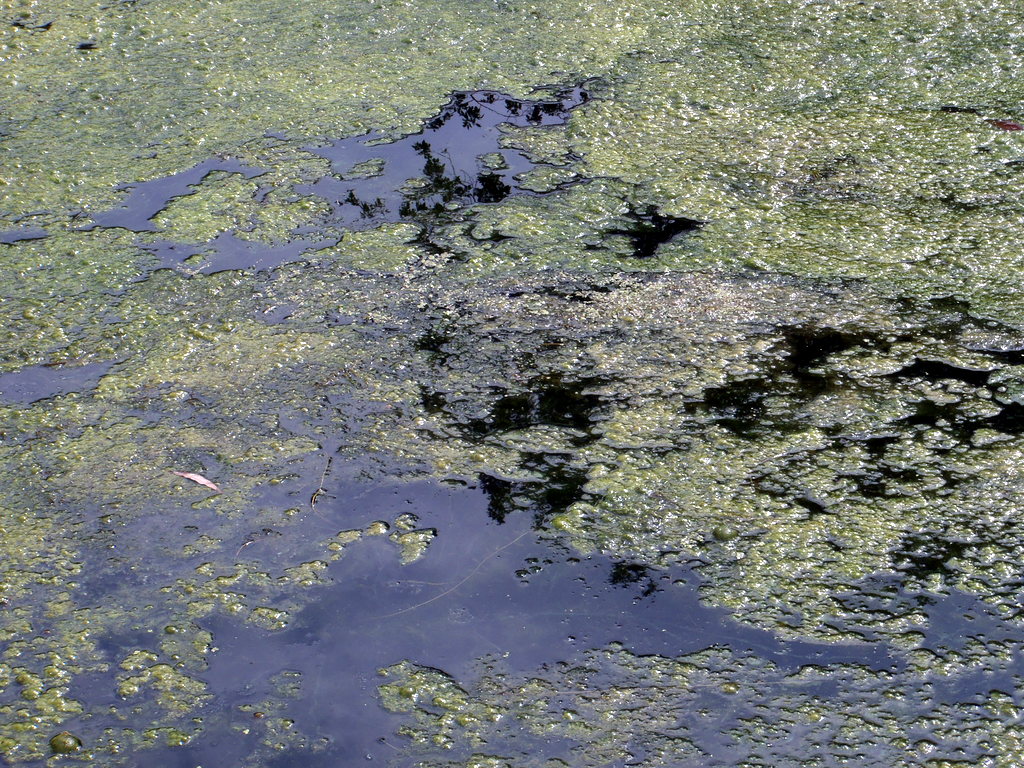
Algal blooms are most often caused by excess nutrients entering the water.
Common sources include:
- Lawn fertilizers washing into the pond
- Pet waste and wildlife activity
- Decaying leaves and organic debris
- Eroded sediment from shoreline instability
The U.S. Environmental Protection Agency (EPA) reports that excess nutrients are a key driver of water quality challenges in freshwater environments.
When these nutrients accumulate, they create ideal conditions for algae to grow quickly, especially during warm, sunny months.
How can you proactively reduce algae growth?
Algae is less likely to become a problem when the overall water quality is in good shape. Instead of relying on one solution, it helps to look at a few key areas that influence how your pond functions day to day.
- Start with what’s entering the pond
In many cases, algae is linked to nutrients that make their way into the pond from nearby areas. Fertilizers, organic debris, and runoff are all common sources. Steps like adding native vegetation along the shoreline, adjusting how fertilizers are used nearby, and paying attention to how water moves across the property can all help limit what reaches the pond in the first place. - Support healthy oxygen levels
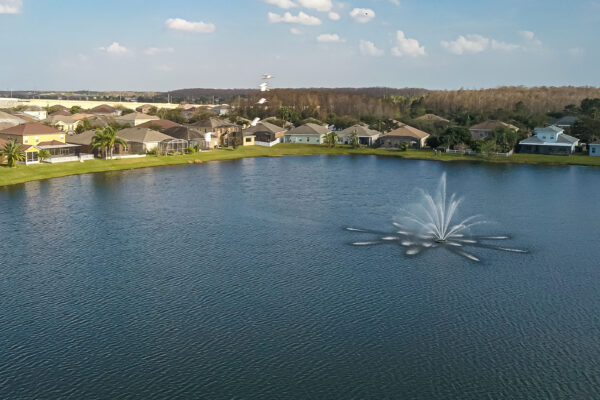
Oxygen is a key part of keeping a pond balanced. When water is properly circulated, dissolved oxygen levels improve, which supports beneficial bacteria that naturally break down organic material. Over time, that process can help reduce the buildup of nutrient-rich muck that algae tend to feed on. - Work on what’s already in the water
When nutrients have built up over time, improving pond conditions becomes an important next step. Certain solutions, like alum or lanthanum-modified clay, can help manage excess phosphorus in the water, while others support the natural breakdown of organic material already present.By focusing on these underlying factors, water quality can gradually become more balanced—helping reduce the conditions that allow algae to develop, rather than just improving surface appearance. - Keep an eye on changes over time
Conditions in a pond can shift gradually or as quickly as overnight, which is why regular monitoring matters. Tracking oxygen levels, nutrient concentrations, and pH can help catch small changes early—before they turn into more noticeable issues like algal blooms.
What are reactive algae control methods?
Once algae is present, short-term solutions can help manage it. Options like targeted algaecide applications or physical removal can improve conditions quickly, but they work best as part of a broader approach focused on long-term water quality.
While these methods can quickly improve aesthetics and usability, they do not address the underlying causes of algae growth.
That’s why they are best used as part of an integrated management plan, not as a standalone solution. This aligns with SOLitude’s approach of balancing water quality to reduce the likelihood of future issues.
How long does it take to control algae in a pond?
There isn’t a set timeline. In situations where algae is already present, reactive approaches can help bring things under control fairly quickly.
But lasting change usually takes more time. As nutrient levels, oxygen, and overall water quality improve, the pond becomes less prone to repeat blooms.
Proactive strategies, on the other hand, take more time because they focus on improving water quality and restoring balance below the surface. Most ponds benefit from using both approaches together—starting with reactive treatments for short-term relief, then transitioning to proactive management to support more stable, long-term results.
What is pond algae control, and how does it work?
Pond algae control is less about reacting to what you see and more about improving the conditions beneath the surface. By managing nutrient levels, increasing dissolved oxygen levels, and keeping water moving, it becomes harder for algae to develop. While short-term treatments can help when blooms appear, lasting results come from addressing the underlying imbalances in the pond.
Why is proactive pond algae control more effective?
A proactive approach focuses on the conditions that allow algae to develop in the first place, rather than reacting after a bloom has already formed. When nutrient levels, oxygen, and circulation are consistently managed, the pond is better able to maintain balance on its own.
Over time, this can lead to fewer recurring algae issues, more stable water quality, and less reliance on short-term fixes. Instead of addressing symptoms as they appear, proactive management supports the overall health of the ecosystem, helping the waterbody function more naturally and predictably.
How can SOLitude help with pond algae control?
Reducing algal blooms starts with understanding what’s happening in your specific pond. Every waterbody responds differently depending on nutrient levels, oxygen, and surrounding conditions, which is why a one-size-fits-all approach rarely works.
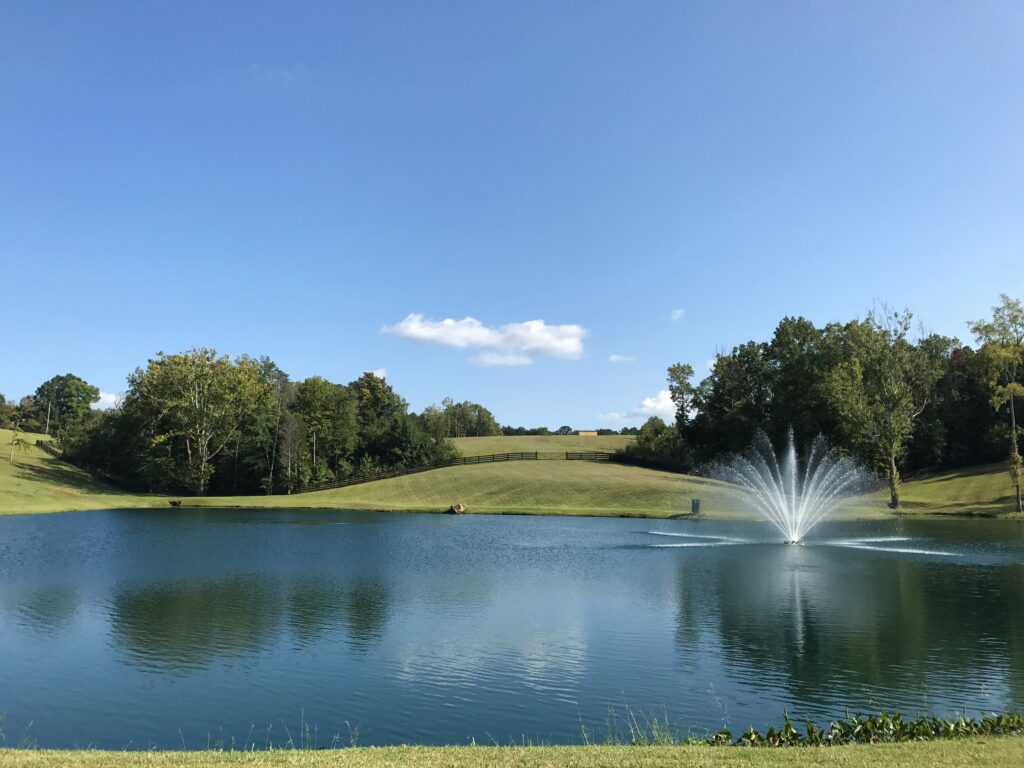
At SOLitude Lake Management, we take a closer look at those factors to build a plan that fits your goals. That might include aeration, nutrient management, and ongoing monitoring—working together to support more balanced, consistent water quality over time.
If you’re ready to take a more proactive approach to pond algae control, schedule a consultation and explore a plan tailored to your waterbody’s needs.
Key Takeaways
- Pond algae control is most effective when focused on root causes like nutrients and oxygen levels.
- Excess nutrients from runoff and organic debris are the primary drivers of algal blooms.
- Proactive strategies help reduce the likelihood of recurring algae issues.
- Reactive treatments provide short-term relief but should be part of a broader plan.
- Ongoing monitoring and integrated management support long-term water quality.
Watch: How to Get Rid of Pond Algae and Lake Weeds
SOLitude Lake Management is a nationwide environmental firm committed to providing sustainable solutions that improve water quality, enhance beauty and preserve natural resources.
SOLitude’s team of aquatic scientists specializes in the development and execution of customized lake, stormwater pond, wetland and fisheries management programs. Services include water quality testing and restoration, algae and aquatic weed control, installation and maintenance of fountains and aeration systems, shoreline erosion control, muck and sediment removal and invasive species management. SOLitude partners with homeowners associations, golf courses, private landowners, businesses and municipalities. SOLitude Lake Management is part of Rentokil, a leading business services company, operating across the United States, Canada and Puerto Rico.
For more information, visit SOLitude Lake Management at solitudelakemanagement.com, and connect on Facebook, LinkedIn, and YouTube.