


Ecosystem restoration solutions focus on slow eutrophication by increasing oxygen levels within the bottom sediments. This allows nutrient-rich matter to break down more efficiently, gradually transforming soft muck into a firmer, sandy lake bottom. In addition to restoring lake depth, nutrient levels in the water column and bottom sediments can be significantly reduced, depending on the specific solutions, waterbody conditions, and the level of restoration needed.
Explore our case studies below to learn how these solutions have helped restore water quality in lakes and ponds nationwide.
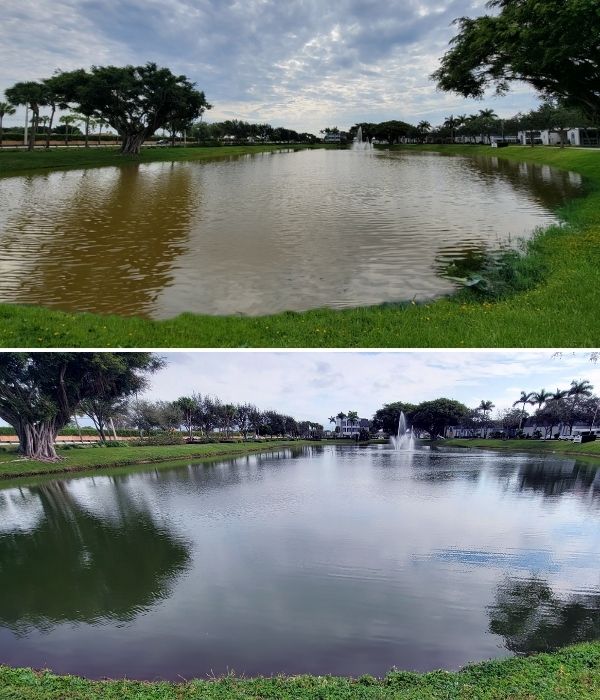
Turning A Brown Lake into A Beautiful Community Asset
“Chocolate Lake” – so called because it was an unnatural brown color – had been an eyesore in a residential community in Delray Beach for years. After utilizing several lake management solutions and strategies with no success, the community decided to try an innovation called TryMarine Restore.
Discover how TryMarine helped reduce muck buildup and restore more balanced water quality.
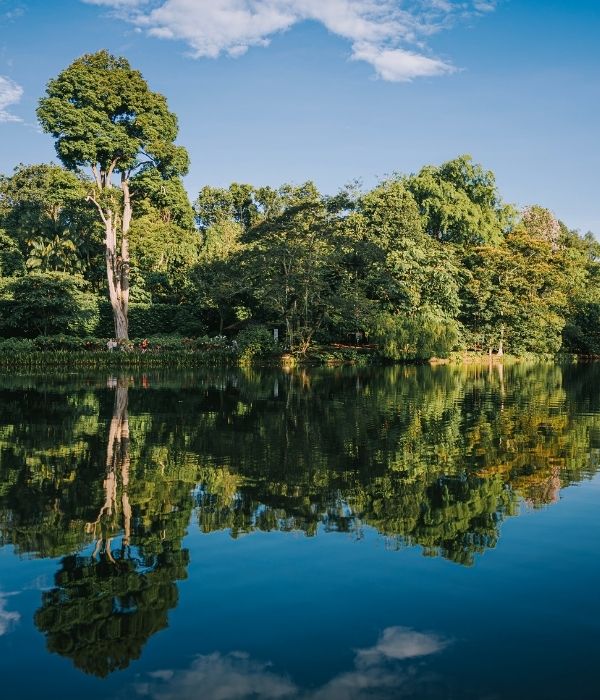
Restoring a Nutrient Overloaded Campus Pond
A hypereutrophic pond on the main campus of Stony Brook University had experienced years of nutrient accumulation, excessive muck buildup, and declining aesthetics. In partnership with the Coastal Ecology and Conservation Department at Stony Brook University, a TryMarine restoration program was implemented to help reduce phosphorus, process accumulated sediment, and restore more balanced water quality conditions.
Discover how TryMarine helped improve water quality, reduce sediment buildup, and restore valuable pond capacity.
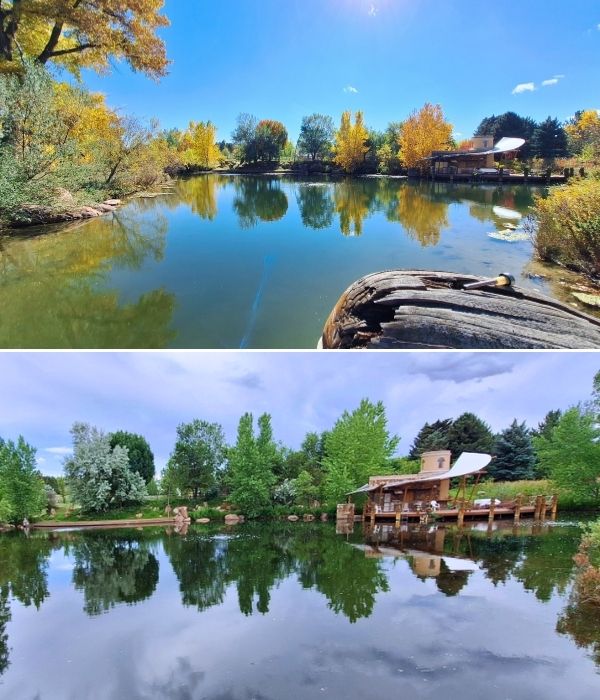
Reversing Years of Ecological Decline in a Private Pond
After years of nutrient accumulation and heavy muck buildup, a private pond in Colorado was in need of restoration. A TryMarine Water Quality program was implemented to help reduce phosphorus, improve water clarity, and restore more balanced conditions throughout the pond ecosystem.
Explore how TryMarine helped transform a nutrient-impacted pond into a clearer, healthier waterbody.
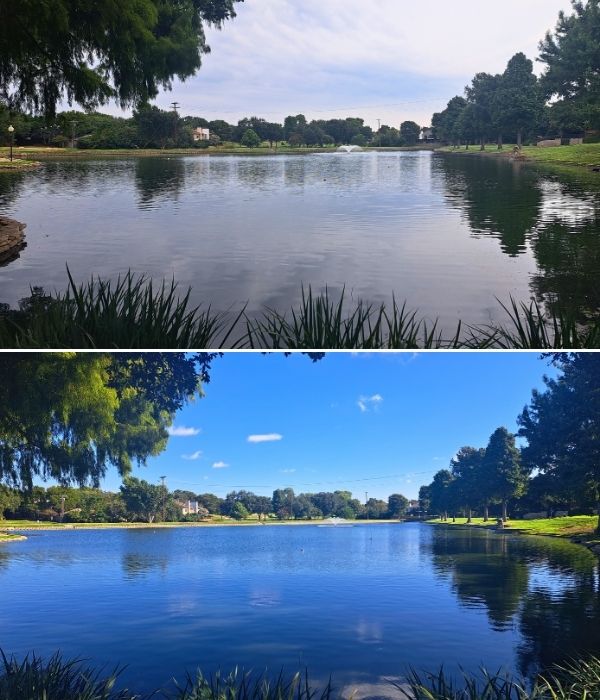
Supporting Better Fishing and Water Quality in a Community Lake
An HOA recreational lake in Texas was experiencing elevated nutrient levels, excessive organic matter, and declining bottom conditions that threatened long-term water quality and fishing success. A biweekly TryMarine Rapid Muck Reduction program was applied to target organic matter in the sediment, helping convert the lake bottom to a firmer, sand-like texture.
Learn how TryMarine helped improve lake bottom conditions while supporting a stronger recreational fishery for the community.
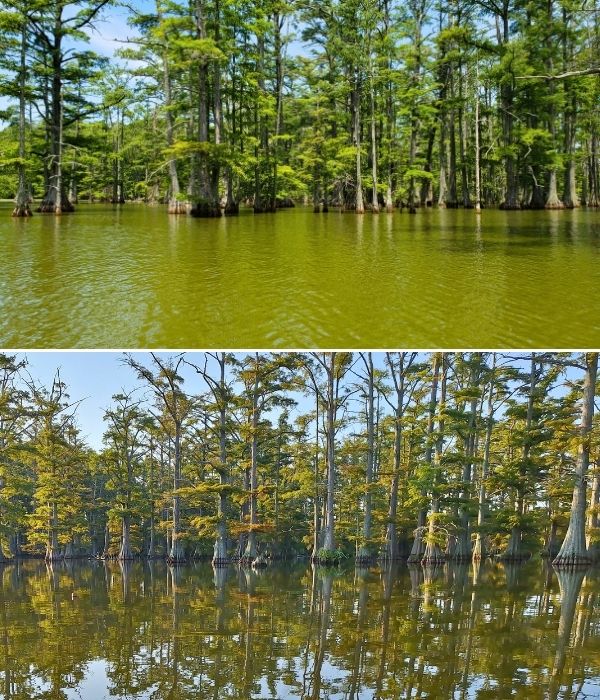
Restoring Balance Across a Connected Three Lake System
A 750-acre private fishing club in Arkansas faced ongoing water quality instability, nutrient fluctuations, and low dissolved oxygen levels that impacted both fisheries and surrounding cypress trees. A customized TryMarine restoration strategy was developed to help stabilize conditions, process accumulated debris, and improve overall ecosystem balance across the connected lake system.
Discover how TryMarine helped restore healthier water quality conditions and support a stronger trophy fishery environment.
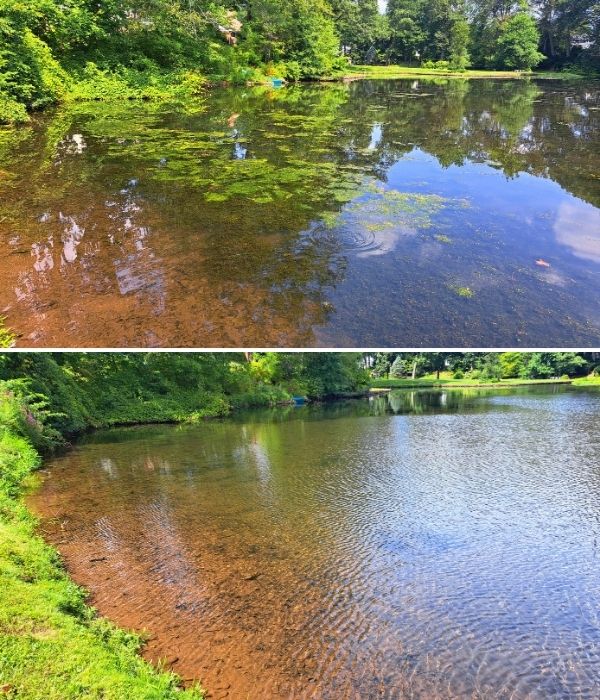
Helping an HOA Pond Recover from Muck and Water Quality Decline
A shallow HOA pond in Connecticut struggled with nuisance growth, accumulated organic muck, and recurring low oxygen conditions that impacted aesthetics and recreational fishing. By combining traditional vegetation management with a TryMarine Muck Reduction program, the community was able to improve pond conditions while supporting a more balanced ecosystem.
Explore how TryMarine helped restore water quality, improve fishing conditions, and reduce the impacts of accumulated organic debris.
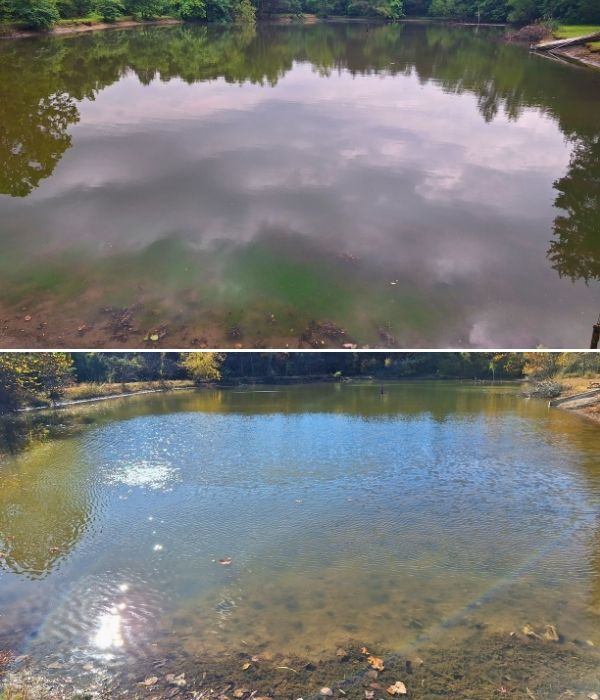
Improving Water Clarity and Reducing Muck Accumulation
A private pond in Missouri suffered from poor clarity, excessive muck buildup, and ongoing water quality concerns. A TryMarine Water Quality program was implemented to help process organic sediment, reduce phosphorus, and support healthier dissolved oxygen conditions throughout the pond.
Discover how TryMarine helped improve water clarity, enhance pond bottom conditions, and support long-term ecosystem balance.
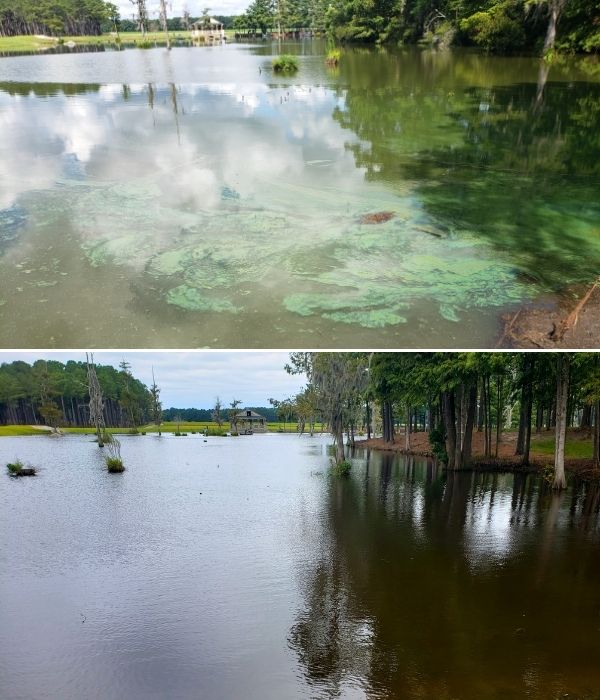
Accelerating the Restoration of a Hurricane Impacted Lake
After Hurricane Florence destroyed a dam and left a North Carolina lake as a wetland for several years, extensive vegetation and organic debris accumulated throughout the lake bed. Following reconstruction and refilling, a TryMarine restoration program was implemented to help process coarse muck, improve dissolved oxygen levels, and support the development of a healthier fishery.
Learn how TryMarine helped accelerate restoration efforts and improve habitat conditions in this recovering coastal lake.
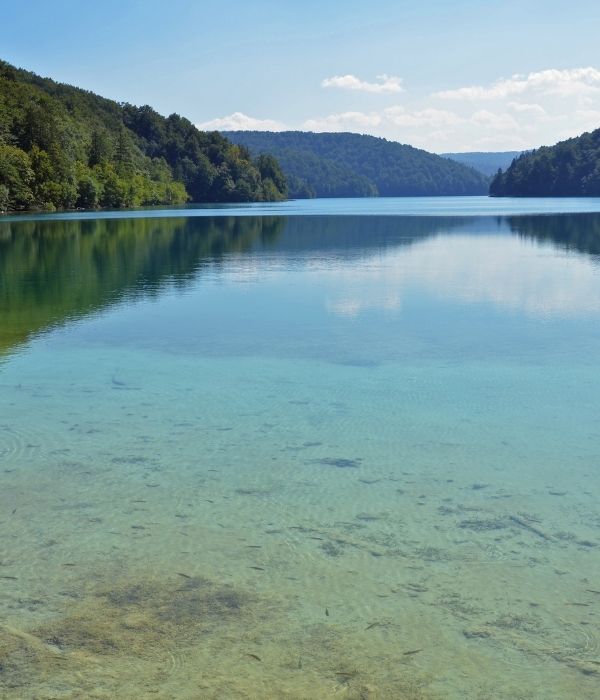
Measuring the Long Term Impact of TryMarine Restoration
Seven independently monitored restoration projects across the United States were evaluated over two full seasons to measure the long-term performance of TryMarine restoration. The program focused on reducing phosphorus in the water column and sediment while processing accumulated organic muck across a range of waterbody sizes and environmental conditions.
Discover how TryMarine delivered measurable phosphorus reduction and sustained restoration results across multiple aquatic systems.