




Hot summer temperatures can put a strain on aquatic environments and often push animals, such as fish, to their limits. As temperatures increase, so does the possibility of a fish kill.
When a fish kill is discovered, it’s common for communities to fear the worst – from chemical spills to foul play. However, most fish kills are a natural occurrence that can happen as the water warms and dissolved oxygen levels become depleted. While nature is often to blame, communities can take action to improve the summer conditions of their waterbodies.
The risk of a fish kill can remain high over time unless steps are taken by property owners to break the cycle. It’s important for communities to understand the cause and introduce proactive lake and pond management strategies before a fish kill occurs.
– SOLitude Fisheries Biologist
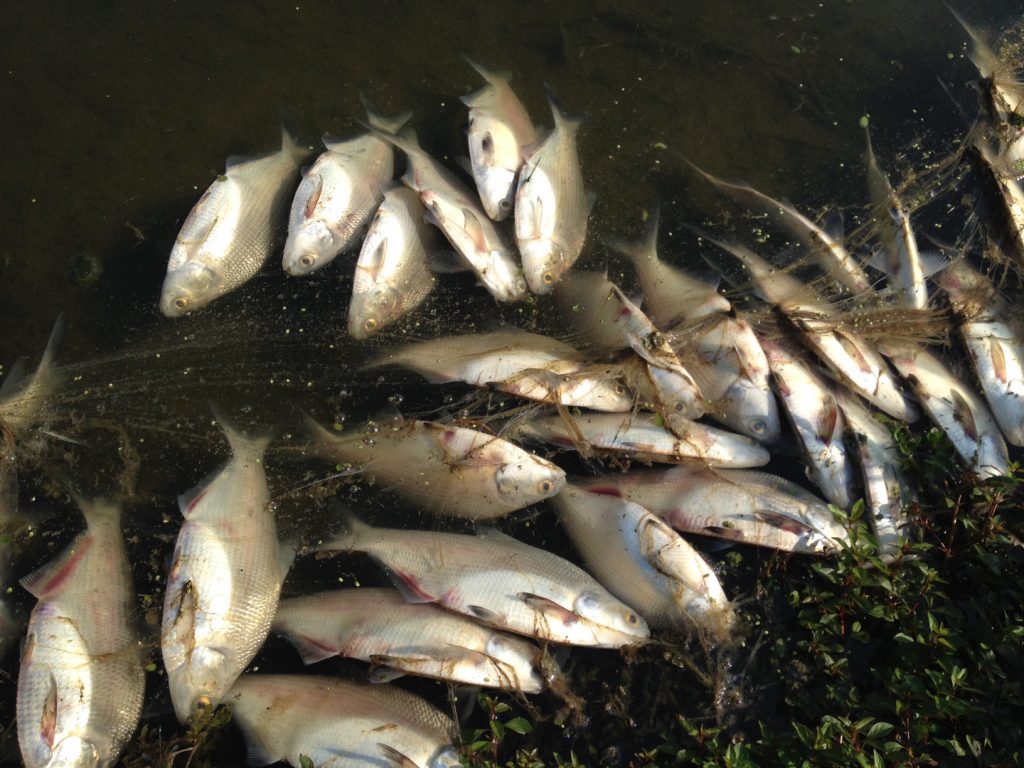
#1: Be Observant
Fish respire through their gills and require oxygen to survive—and warm summer water retains less oxygen than colder water. If dissolved oxygen levels become too low, fish will often gather at inflow areas as well as near the surface of the water where oxygen is most saturated.
Fish will also exhibit stressed behavior, and quickly startle in mass when you approach the waterbody. If these signs are recognized early on, it is possible to take steps that may prevent an imminent fish kill.
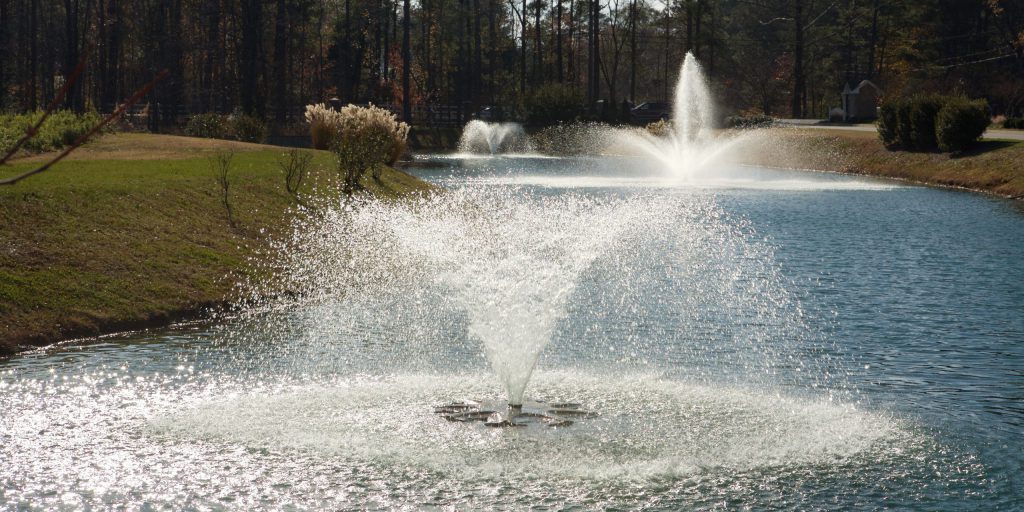
#2: Introduce An Aeration System
Without suitable circulation, the water column can become stratified by temperature and dissolved oxygen levels that cannot effectively sustain life.
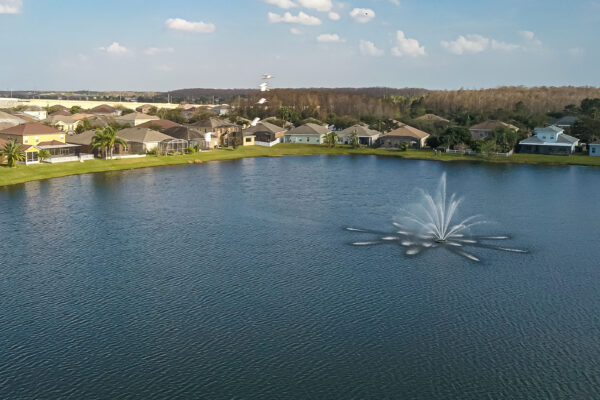
- Floating fountains may help distribute oxygen in the upper water column by spraying water across the surface.
- Submersed aerators can also help oxygenate the water body by pumping air through weighted tubing at the bottom of the pond so that bubbles circulate the water column as they rise to the surface.
- Depending on your water body’s unique needs, a new innovation called Oxygen Saturation Technology may be used to directly inject dissolved oxygen into the water column.
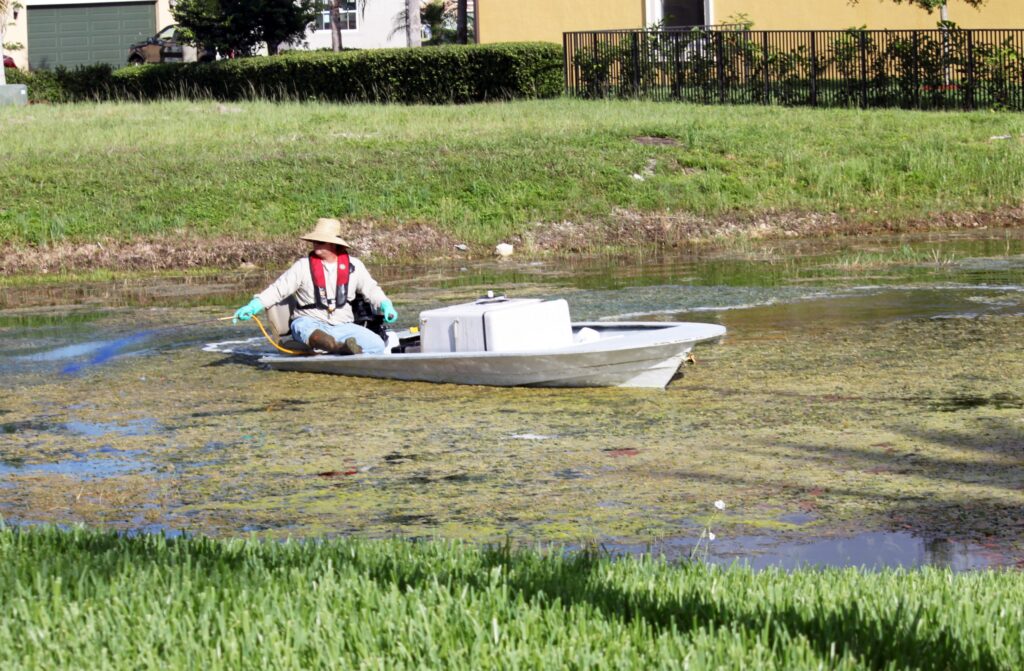
#3: Prevent Pond Algae And Nuisance Vegetation Growth
When nuisance aquatic algae and plants like duckweed, watermeal, and hydrilla are left unmanaged, they may form dense blooms or mats on the surface of a lake or pond, blocking sunlight, impeding water circulation, and depriving native plants and fish of necessary oxygen.
Nutrient management measures like beneficial buffers, biological augmentation, and the application of phosphorus-locking technologies can help limit excess nutrients in the waterbody that are known to promote undesirable algae and vegetative growth.
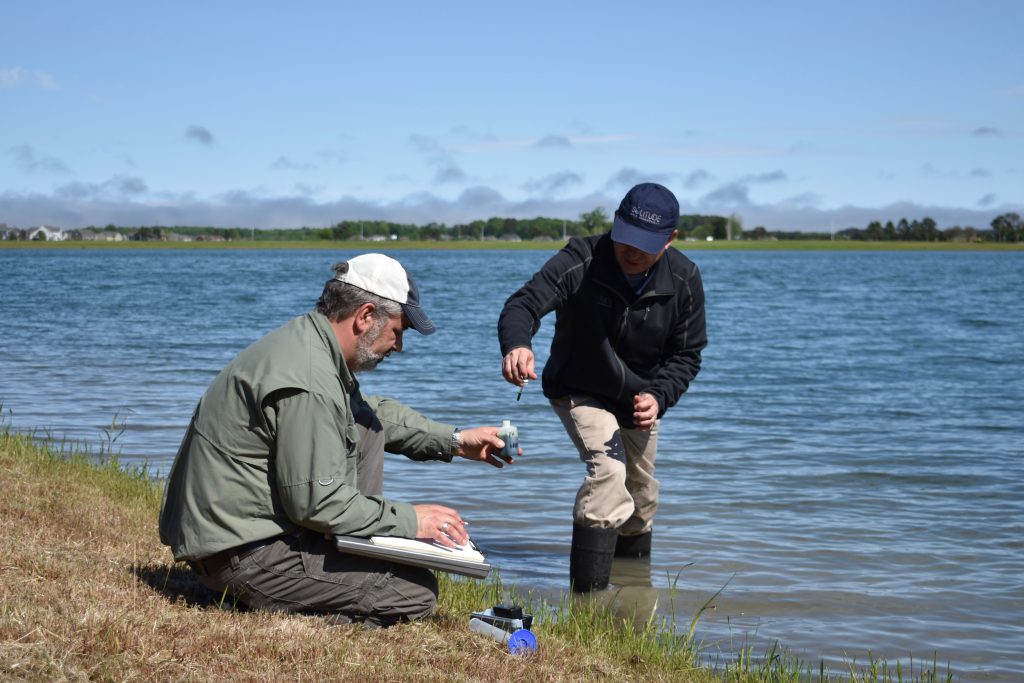
#4: Conduct Regular Water Quality Tests
Lake and pond owners often wait until after a fish kill occurs to conduct water quality tests, but a proactive water quality testing program can help identify water quality impairments, like dissolved oxygen, pH, and nutrient levels, before they get out of hand and ensure the most effective management methods are being utilized to maintain balance in the waterbody.
#5: Acknowledge The Unpredictability Of Nature
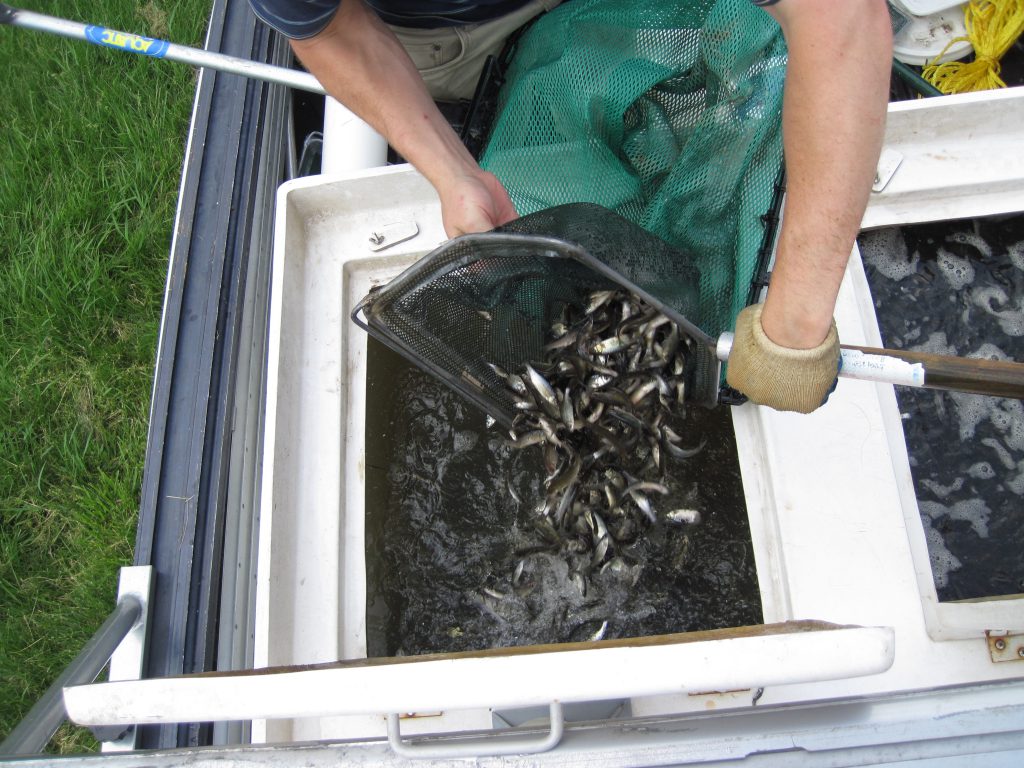
No matter the steps that are taken to protect the fish in your waterbody, Mother Nature sometimes throws curveballs. Large thunderstorms and natural disasters can create lake and pond turnover, where water chemistry changes rapidly, suddenly trapping fish in stressful conditions. As a result, the waterbody may experience a fish kill that is very difficult to prevent.
Your fisheries management professional can help you design a stocking plan to replenish fish populations in these instances.
#6: Consider An Integrated Management Plan
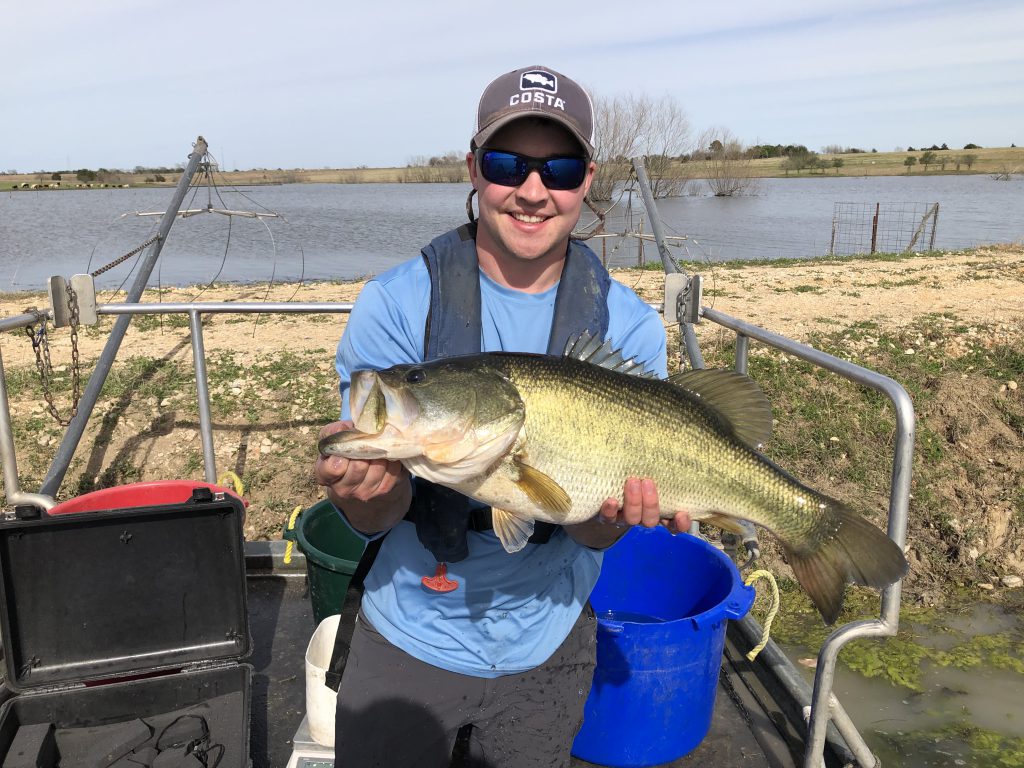
While fish kills are typically a natural occurrence, knowledge, and diligence can help prevent them from happening—or help your pond bounce back if one has occurred. If your waterbody is susceptible or has sustained a recent fish kill, consider consulting with a fisheries management professional to implement new preventive strategies. A professional can help you develop a unique long-term management plan and recommend the most suitable types of aeration, beneficial plants and vegetation, fish species, and management methods to enhance your waterbody.
SOLitude Lake Management is a nationwide environmental firm committed to providing sustainable solutions that improve water quality, enhance beauty, preserve natural resources and reduce our environmental footprint. SOLitude’s team of aquatic resource management professionals specializes in the development and execution of customized lake, pond, wetland, and fisheries management programs that include water quality testing and restoration, nutrient remediation, algae, and aquatic weed control, installation and maintenance of fountains and aeration systems, bathymetry, shoreline erosion restoration, mechanical harvesting and hydro-raking, lake vegetation studies, biological assessments, habitat evaluations, and invasive species management. Services and educational resources are available to clients nationwide, including homeowners associations, multi-family and apartment communities, golf courses, commercial developments, ranches, private landowners, reservoirs, recreational and public lakes, municipalities, drinking water authorities, parks, and state and federal agencies. SOLitude Lake Management is a proud member of the Rentokil Steritech family of companies in North America.