




As lake and pond management experts, we’re intrigued by the capabilities of Artificial Intelligence (AI) to make our work more efficient, accurate, and impactful. New and exciting capabilities are on the horizon to aid in monitoring, laboratory analysis, and much more. AI has also become an empowering learning tool for community managers, golf course superintendents, private property owners, and other stakeholders to gain immediate answers to any question they may have about caring for their lake or pond.
We applaud anyone who takes a deeper interest in their waterbodies, but it’s essential to remember that lake and pond management is filled with countless nuances, considerations, and exceptions. We decided to ask ChatGPT, an AI platform, one of the most common questions we receive from our clients and unpack what we got back. How accurate is AI?
The following is the full answer we received from AI in blue, with commentary from our experts interspersed:
What is the Best Way to Manage Algae in a Pond?
Managing algae in a pond involves a combination of preventive measures and active treatments.
What the experts say: This is correct! Prevention or addressing the underlying causes of unbalanced algae growth is key, but if nuisance algae does develop, incorporating a variety of solutions can help safely and effectively control it.
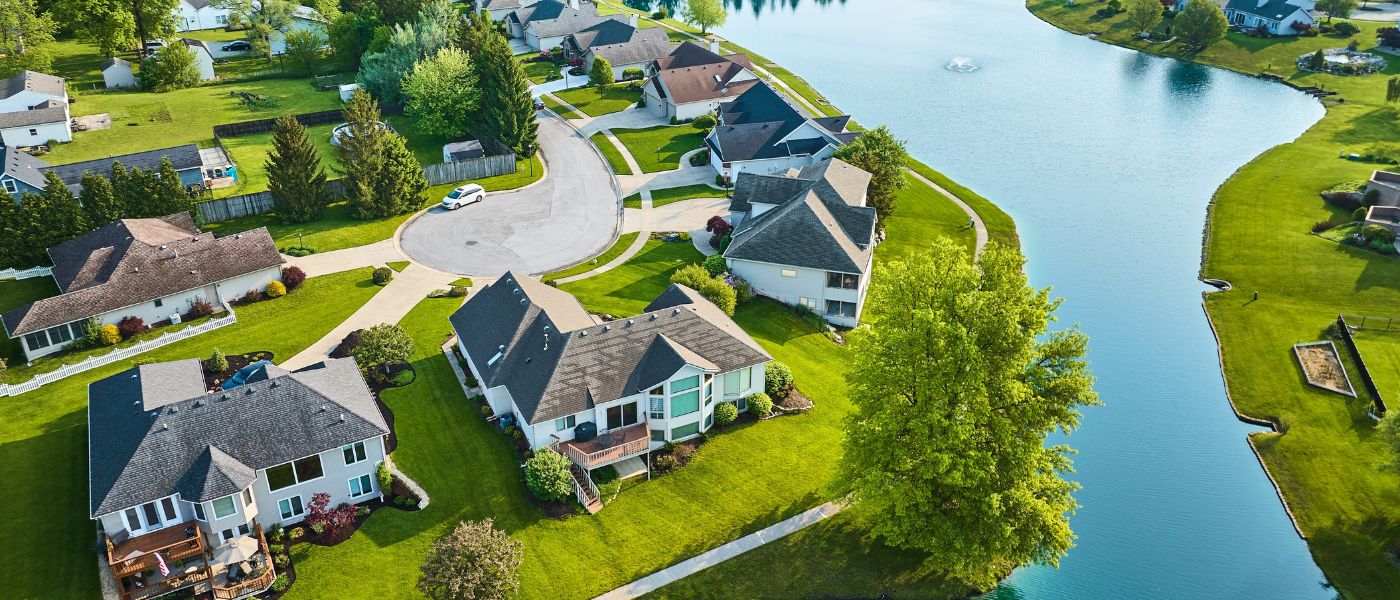
Here are the best strategies to effectively manage algae:
Preventive Measures
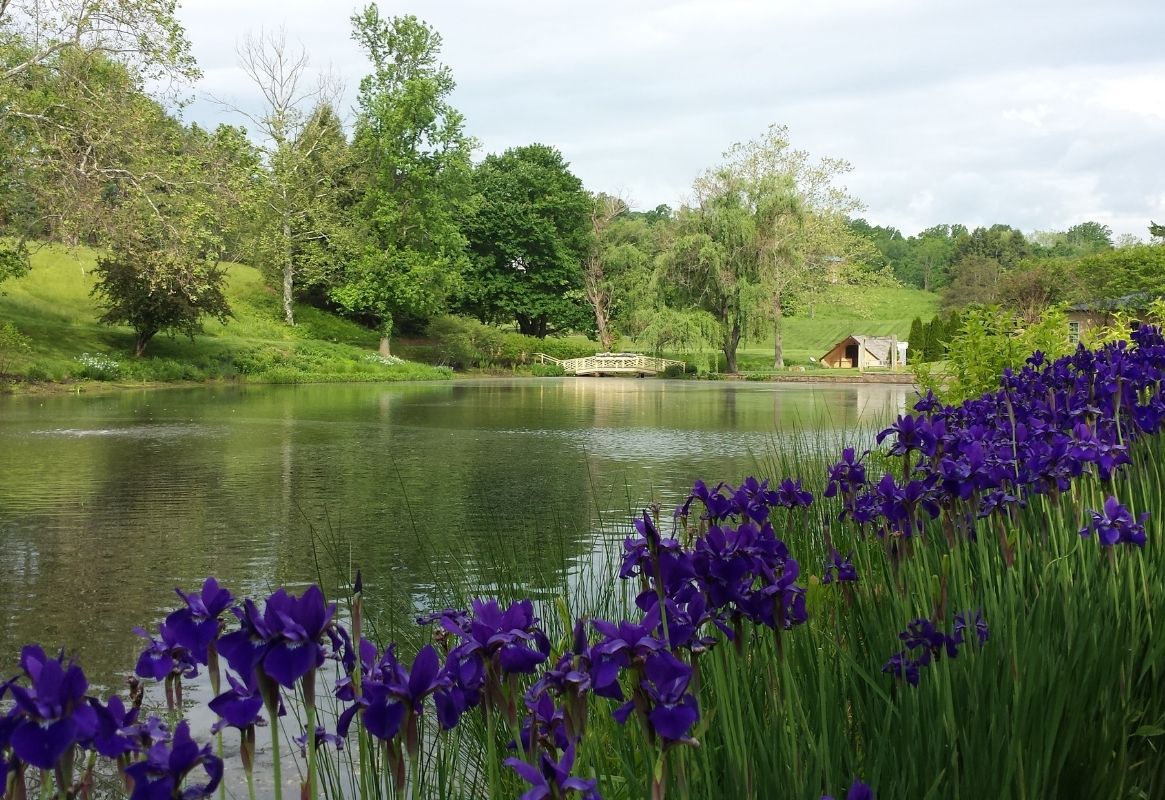 Limit Runoff: Prevent fertilizers, animal waste, and other nutrient-rich materials from entering the pond. Use buffer strips of vegetation around the pond to filter runoff.
What the experts say: Correct. Limiting the introduction and transport of nutrient sources like fertilizers and animal waste, as well as other organic materials like grass clippings and yard debris, in the watershed can limit phosphorus loading to the system. Nuisance algae thrive in water that contains elevated phosphorus levels. Cultivating a buffer of native vegetation not only helps filter these nutrient-rich materials, but may also help stabilize the shoreline to prevent premature erosion.
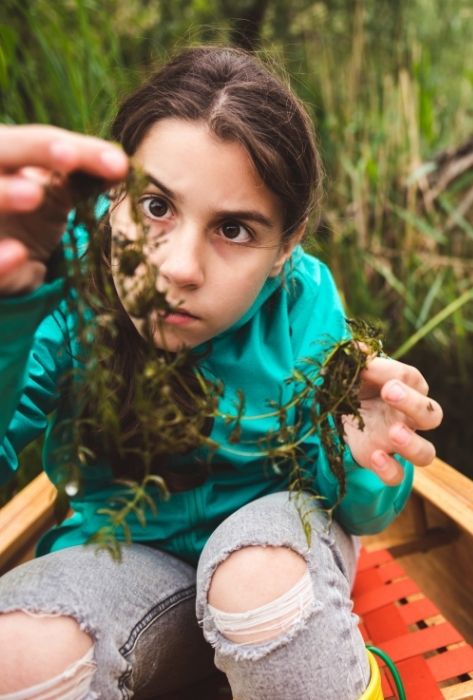 Shade the Pond: Plant a tree or introduce floating plants like water lilies or submerged plants like anacharis to provide shade, which reduces sunlight penetration and thus limits algae growth.
What the experts say: At face value, this AI recommendation makes perfect sense; however, this is where over-reliance on AI can pose a problem.
First and foremost, the recommendation to add the submersed plant anacharis is irresponsible and potentially illegal. Anacharis is a common name that encompasses both North American native waterweed species (Elodea sp.) and non-native South American varieties (Egeria sp.). Because there is no federal restriction on the non-native varieties, plants like Brazilian Elodea (Egeria densa) are available for purchase in the US, but many individual states have prohibited the sale, trade, purchase, distribution, and importation of this invasive species.
Although this specific AI recommendation is an extreme example of a potential pitfall, the introduction of any new element to the aquatic ecosystem, even a shoreline tree, requires careful consideration of a large number of variables. As a result, consulting with an expert is crucial because understanding both the benefits and potential consequences to the ponds’ natural or designed functions, dissolved oxygen, nutrient load, and general water chemistry is needed to make a properly informed management decision. Aquatic Biologists rely on lab tests, specialized equipment, and years of experience to accurately identify plants and offer appropriate recommendations.
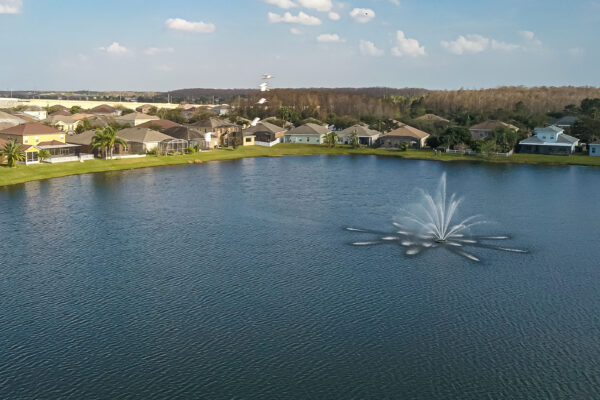
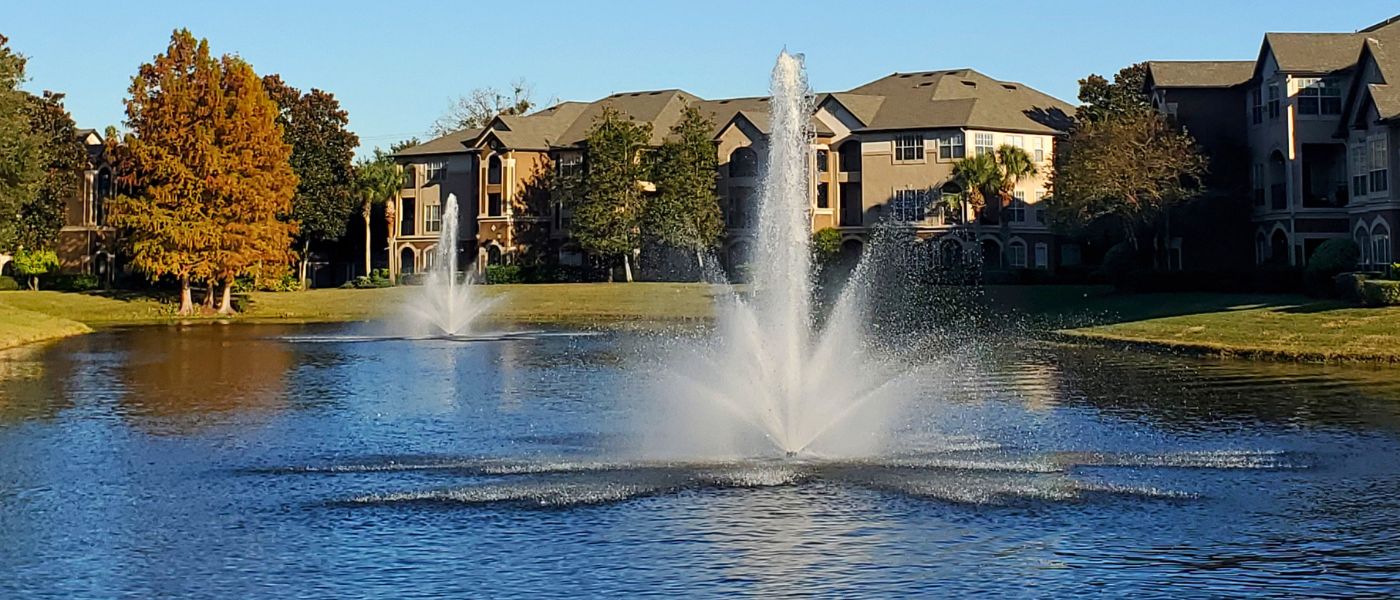
Aeration: Use aerators or fountains to improve water circulation and oxygen levels, which discourages algae growth and promotes a healthy ecosystem for beneficial bacteria.
What the experts say: That’s correct, but it’s not that simple. Fountains, surface aerators, and submersed aerators are excellent tools to help circulate, oxygenate, and support beneficial fish, plants, and bacteria. However, there’s much more to aeration than simply dropping a fountain in your waterbody. Aquatic Experts base their recommendations on the shape, depth, acreage, and function of your waterbody. Equipment size, type, and horsepower are key considerations when choosing and placing the most appropriate system.
In many cases, several types of equipment may be used, such as placing a submersed aerator under or near a fountain to maximize the positive effects. Professionals may also recommend advanced oxygenation solutions, such as Oxygen Saturation Technology (OST), to address the pond’s specific oxygen needs. Rather than creating turbulence and water movement, they inject dissolved oxygen directly into the water column where it spreads throughout the waterbody and bottom sediments. Ultimately, consulting with a professional will help ensure you achieve your desired outcomes.
 Biological Controls
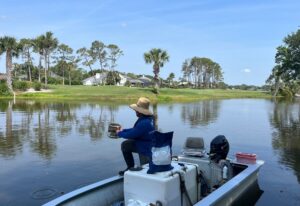 Biological Controls
Beneficial Bacteria: Add beneficial bacteria products that consume nutrients and compete with algae.
What the experts say: Yes, similar to probiotics, bacteria help make the decomposition of nutrient-rich plant matter, animal waste, and other organic materials more efficient. In some cases, experts recommend biologicals as a natural, more cost-effective alternative to dredging.
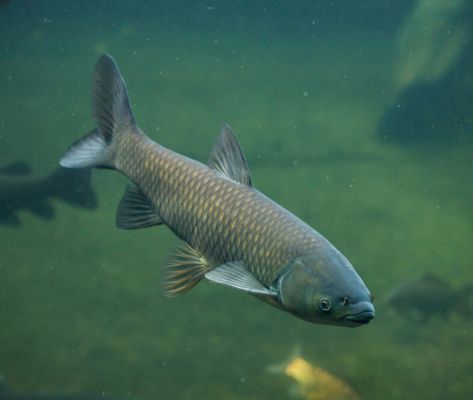 Algae-Eating Fish: Introduce grass carp to eat algae.
What the experts say: This isn’t quite accurate. Grass carp can be an excellent option for stakeholders who prefer a natural management approach. However, grass carp primarily favor aquatic plants, not algae. With that said, they are voracious eaters, but will not stop once all nuisance weeds are eliminated. If you wish to maintain a few healthy, native plants for aesthetic or recreational purposes, grass carp may not be the right choice.
In addition, it’s absolutely essential to purchase carp from a reputable source. Grass carp are not native to the U.S., but are safe when sterilized (triploid grass carp). Furthermore, grass carp are not legal to stock in every jurisdiction and may require a permit. If you desire to eliminate aquatic weeds and plants, a professional Fisheries Biologist can help ensure you obtain and stock the carp legally, so you can avoid fines or other penalties.
Active Treatments
 Active Treatments
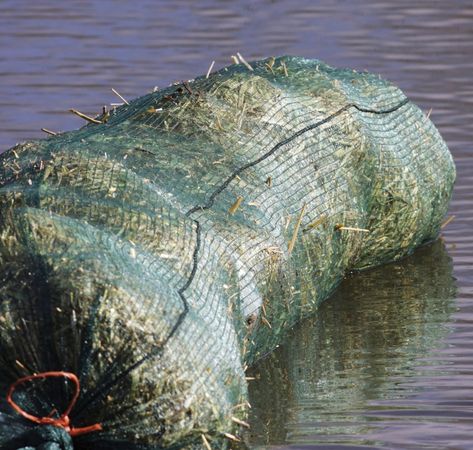
Barley Straw: Adding barley straw to the pond can inhibit algae growth as it decomposes and releases natural compounds that limit algae proliferation.
What the experts say: We do not recommend this approach. While we occasionally encounter stakeholders who have tried this “do-it-yourself” solution, we have yet to witness the desired outcome. In fact, we’re usually contacted because something went awry—whether a fish kill occurred due to depleted DO levels or algae growth actually accelerated as the barley decomposed and released excess phosphorus into the water.
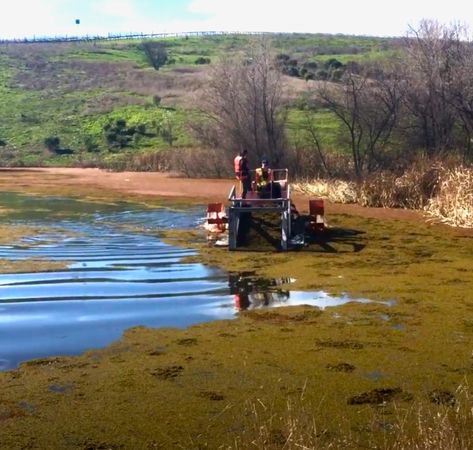 Manual Removal: Regularly skim and remove algae manually using a rake or net. This is especially effective for filamentous algae.
What the experts say: True, but there’s more you should know. Manual removal is a common management method for filamentous algae, which form dense, floating mats on the water’s surface. Many floating aquatic weeds, such as invasive Water Chestnut (Trapa natans), can also be removed with this method or using specialized mechanical equipment.
Keep in mind that many algae and weed species reproduce through fragmentation. This means that any small fragments left behind can quickly repopulate. To remove large infestations, professionals often recommend using a floating mechanical harvester, which contains a cutting mechanism and steel conveyor belt to transfer the cut materials onto shore for off-site disposal. Harvesting once or twice a year can help keep undesirable growth in check on most waterbodies.
Chemical Treatments
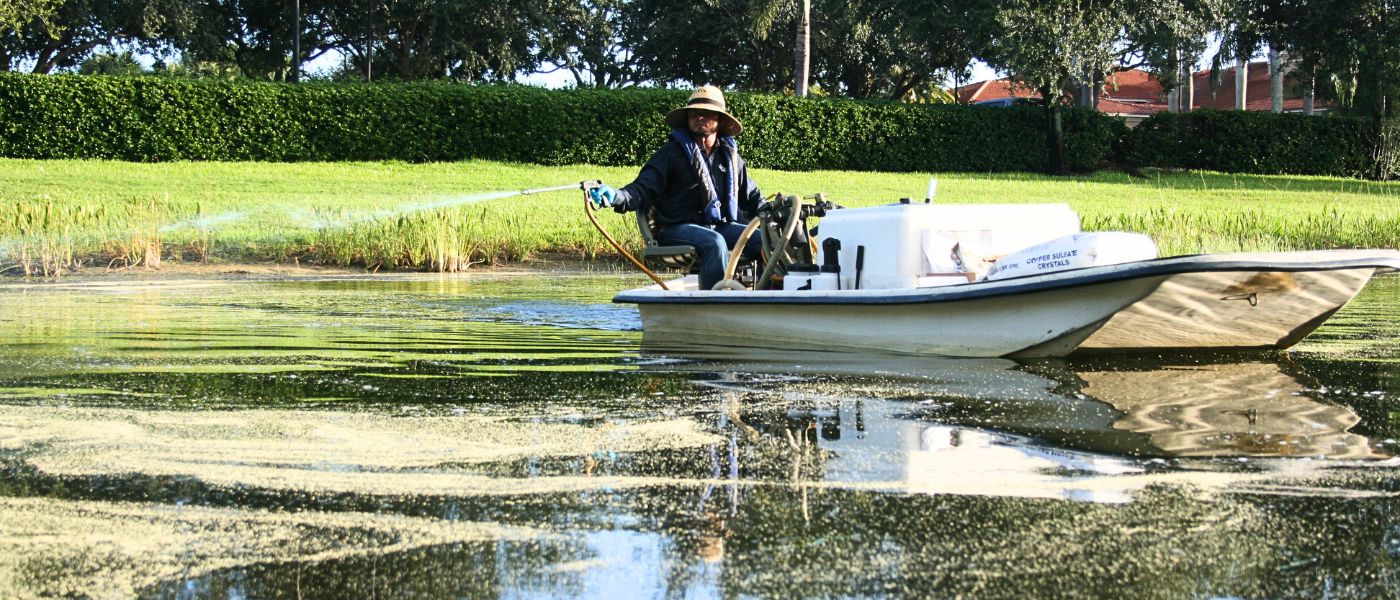
Algaecides: Use algaecides specifically designed for pond use. Be cautious with chemical treatments as they can harm fish and plants if not used properly.
What the experts say: This is accurate, but we can’t stress the importance of leaving this to the professionals enough. While many algae control products are available to the public, Aquatic Experts have access to the latest, most highly targeted products that are not available to consumers.
Second, Aquatic Experts are well-trained and licensed in proper application techniques using the appropriate personal protective equipment (PPE). Though EPA-registered algaecides are highly researched and safe for use when the label is followed, they can cause bodily and environmental harm when used improperly.
Likewise, professionals have a deep understanding of the permitting process, which must be strictly followed in many states and jurisdictions. Attempting to navigate the complex process without professional guidance can be difficult and may lead to financial penalties and other consequences.
Furthermore, the growth you wish to eliminate may not be what you think it is. Many types of algae resemble aquatic weeds, and vice versa. Watermeal, for example, is an aquatic plant that’s often mistaken for algae due to its minute size and lack of stems or root systems. Applying the wrong product can have detrimental effects on your waterbody.
Algaecides are excellent tools to quickly and safely eliminate nuisance algae, but they are used to treat the symptoms of poor water quality. Algae are likely to return if proactive management solutions are not implemented after a treatment to manage the root cause. When working with a professional, you can rest assured that the long-term health of your waterbody is being prioritized.
Long-Term Solutions
 Long-Term Solutions
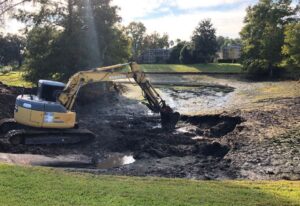
Dredging: Over time, organic material accumulates at the bottom of the pond, releasing nutrients as it decomposes. Periodically dredging the pond can remove this nutrient-rich sediment.
What the experts say: Yes. Dredging is highly effective for removing muck and debris that have accumulated, as well as restoring a waterbody back to its original depth and volume. It’s important to note that dredging is one of the most expensive projects a homeowners community or property owner will ever face. Be prepared to save funds for several years.
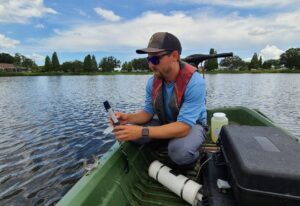
Monitoring: Regularly test the water for nutrient levels (especially phosphorus) and monitor algae growth. Early detection and intervention can prevent major outbreaks.
What the experts say: Absolutely. Water quality testing is one of the most powerful tools Aquatic Experts use to assess what’s going on below the surface of your waterbody. When tracked over time, these tests can help identify water quality imbalances early on, allowing intervention before problems like algae and weeds become widespread. For example, if trends suggest nutrient levels are steadily rising, professionals may apply natural nutrient-binding products to restore balance.
 Educate Users: Ensure everyone involved understands the importance of proper pond management practices.
What the experts say: We wholeheartedly agree! Education is the backbone of an effective lake or pond management program. Taking small steps, such as properly disposing of trash and pet waste, bagging grass clippings and yard debris, and reducing fertilizer use, can have a significant positive impact on the health and longevity of our water resources.

Our Final Thoughts
While, in general, many of these answers provide good directionally accurate recommendations, there is no one-size-fits-all approach, and no two stakeholders have the same goals, budget, and property conditions. AI learns from a vast array of web sources, which include both accurate and inaccurate information. The way you phrase a question can significantly influence the response generated. Additionally, asking the same question at different times can yield varying—and sometimes contradictory—answers.
Though it’s a fantastic and exciting learning tool, it’s important to use discretion when asking AI questions about lake and pond management, and check with an expert before implementing any solutions you learned through AI.
Most importantly, AI simply can’t replicate the passion and expertise of a professional. As humans, we have an innate connection to the water—a concept coined Blue Mind—and this connection informs everything we do as Aquatic Experts. We want to understand the “why” behind your goals, and we take pride in educating you about your waterbody, breaking down costs, and ensuring you have accurate knowledge to make informed decisions.
This blog was reviewed by Keith Gazaille, Director, Technical Services for SOLitude Lake Management. Keith is an aquatic ecologist with more than 25 years of experience designing and implementing lake and pond management programs, including invasive species control, water quality enhancement, nutrient management, aeration, dredging, fisheries and wildlife habitat improvement, and watershed management.
Experience Expert Pond Care with SOLitude
SOLitude Lake Management is a nationwide environmental firm committed to providing sustainable solutions that improve water quality, enhance beauty and preserve natural resources.
SOLitude’s team of aquatic scientists specializes in the development and execution of customized lake, stormwater pond, wetland and fisheries management programs. Services include water quality testing and restoration, algae and aquatic weed control, installation and maintenance of fountains and aeration systems, shoreline erosion control, muck and sediment removal and invasive species management. SOLitude partners with homeowners associations, golf courses, private landowners, businesses and municipalities. SOLitude Lake Management is part of Rentokil, a leading business services company, operating across the United States, Canada and Puerto Rico.
For more information, visit SOLitude Lake Management at solitudelakemanagement.com, and connect on Facebook, LinkedIn and Twitter.