




What Is That Film on Your Water?
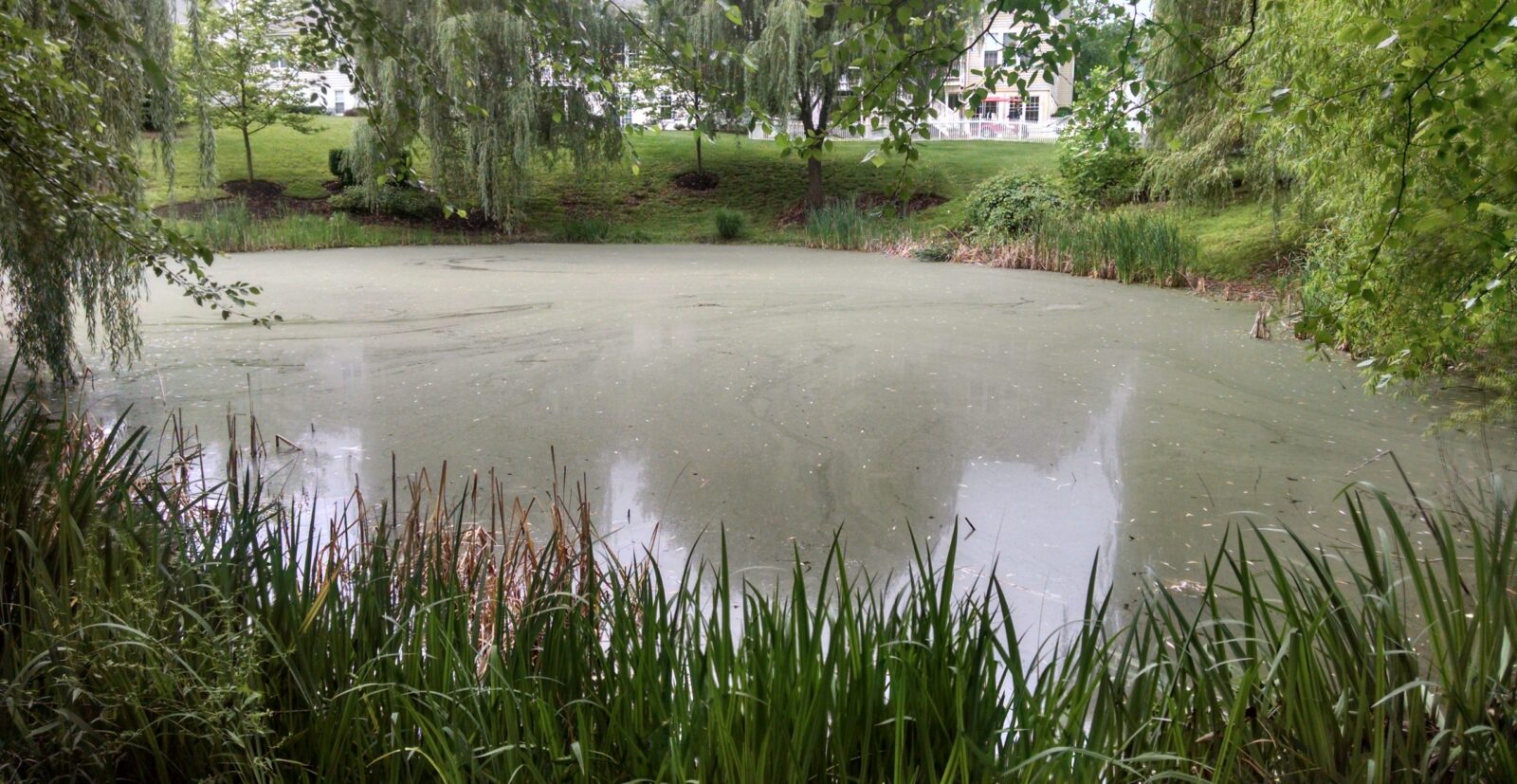
It seems each year during the transitional times of Spring and Fall, we receive calls from lake and pond owners concerned about a strange film or sheen that has developed on the surface of their waterbody. The iridescent and oily-looking sheen raises concerns about the aesthetic appearance, with many people worried about the safety of the water. While some surface substances can sometimes be a cause for alarm, it may be as simple as a harmless biofilm bloom.
Below are some common questions we receive and what you can do if you notice a film on your waterbody.
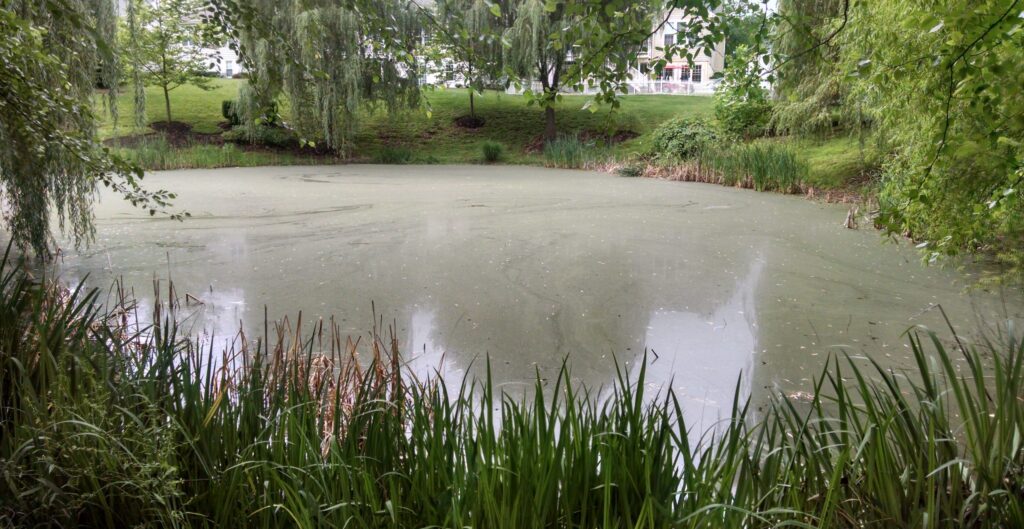
What is Biofilm?
Biofilm usually appears as an oily white or yellow layer formed by proteins, lipids, and organic compounds like terpenes. A floating layer is formed when these materials accumulate on the water’s surface.
What Causes a Biofilm Bloom?
The proteins and lipids that form a biofilm are often released by nearby trees, decomposing organic matter, fish feed, or certain algae with high lipid content. Biofilms are most common during the spring and fall seasons, particularly in waterbodies near treelines. You may also notice biofilm forming after a fish kill when large populations of fish are decomposing.
Is Biofilm Dangerous?
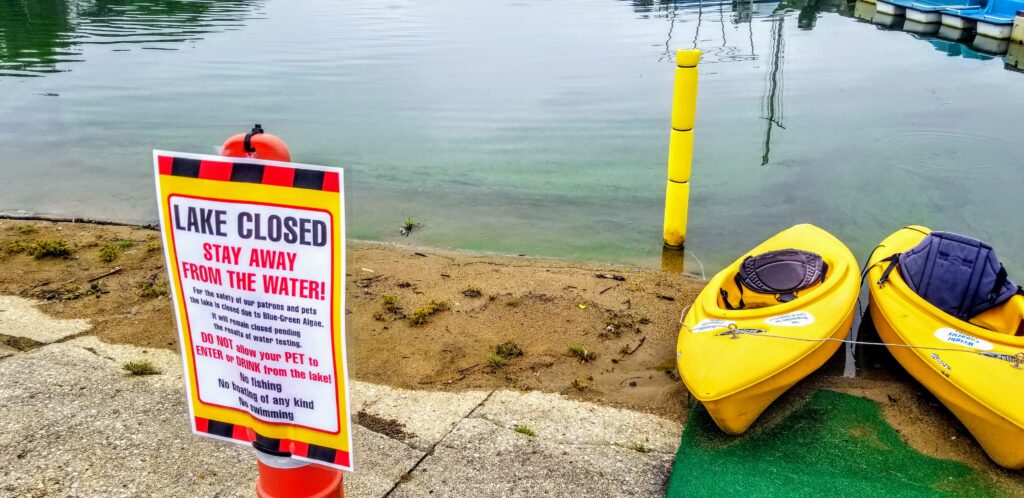
Biofilm is not dangerous to humans, pets, fish, birds, or other wildlife. However, biofilm can closely resemble cyanobacteria, a toxin-producing algae that often looks like blue, green, or white paint or oil on the surface of the water. It’s important to consult with a professional who can rule out the presence of cyanobacteria, which can cause severe health issues and harm people and pets if not addressed quickly.
How Can I Manage A Biofilm Bloom?
Because biofilm is not a plant or algae, algaecides and herbicides treatments are not effective in controlling this natural phenomenon. Physical removal methods like skimming are usually unsuccessful because biofilm easily disperses on the pond’s surface. However, biofilms are usually temporary and often resolve on their own. In the meantime, fountains and surface aerators can help reduce the visual impact by pushing the film toward pond edges until it breaks down and disappears.
Proactive Steps to Maintain a Healthy Waterbody
You work hard to keep your waterbody looking its best, so it can be frustrating to notice a film on the surface. While biofilm forms naturally from proteins and lipids and can be difficult to prevent, waterbody owners and managers can take proactive steps to reduce the risk of aquatic weeds, cyanobacteria, and other algal blooms.
Nutrient Remediation
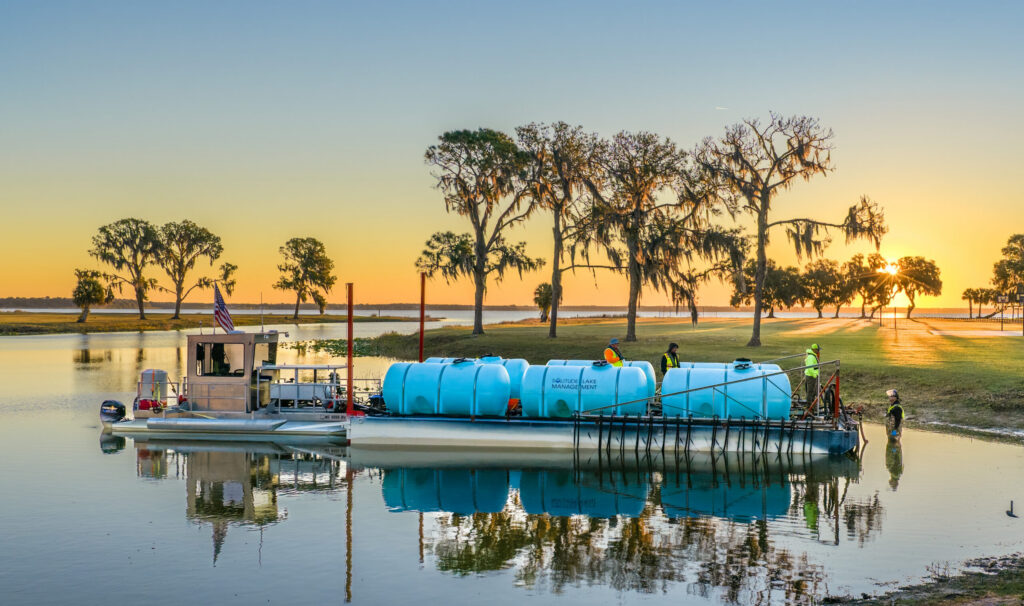
Weeds and algae absorb nutrients to grow. If nutrient levels exceed healthy ranges, nuisance growth can get out of control. A wide range of nutrient remediation tools are available to “deactivate” excess nutrients in the water column and bottom sediments.

Biological Bacteria
Bacteria are vital to healthy waterbodies. Introducing beneficial bacteria (similar to taking a probiotic) can help accelerate the decomposition of plant matter, dead wildlife, and other materials. If organic matter doesn’t decompose properly, a layer of nutrient-rich bottom muck can develop.
Ecosystem Restoration
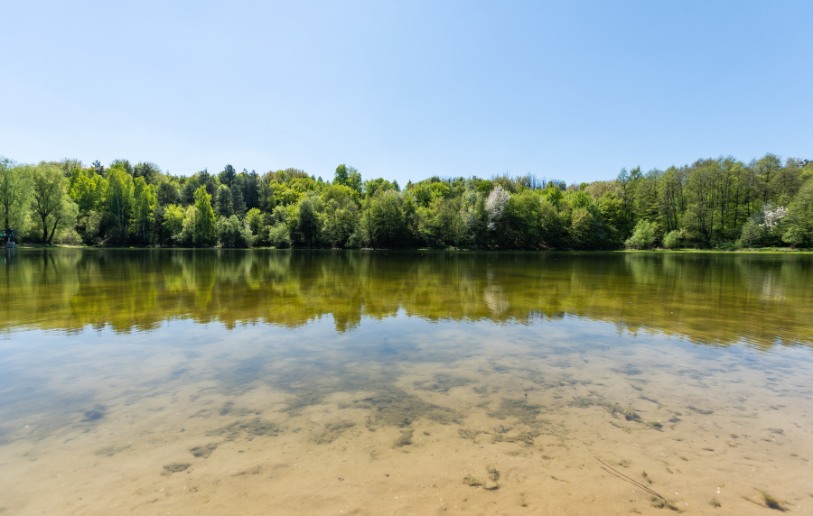
This approach targets nutrient-rich muck by increasing oxygen levels within the bottom sediments. This increase of oxygen helps to process the muck into usable nutrients that are then consumed by the lake’s natural food web. In turn, the soft muck can transform into a firmer, sandy bottom, and the overall water quality is enhanced.
Shoreline Restoration
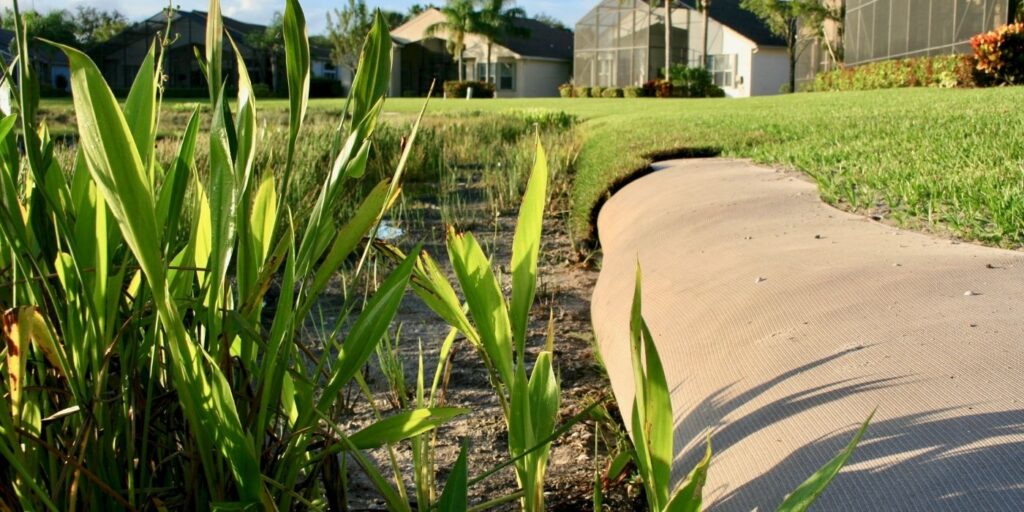
Eroded sediment can cloud the water column, giving it a brown or murky appearance. Introducing a buffer of native vegetation around the perimeter can help stabilize the soil. For more severe erosion issues, the shoreline can be rebuilt with bioengineering techniques that provide years of stability.
Water Quality Testing
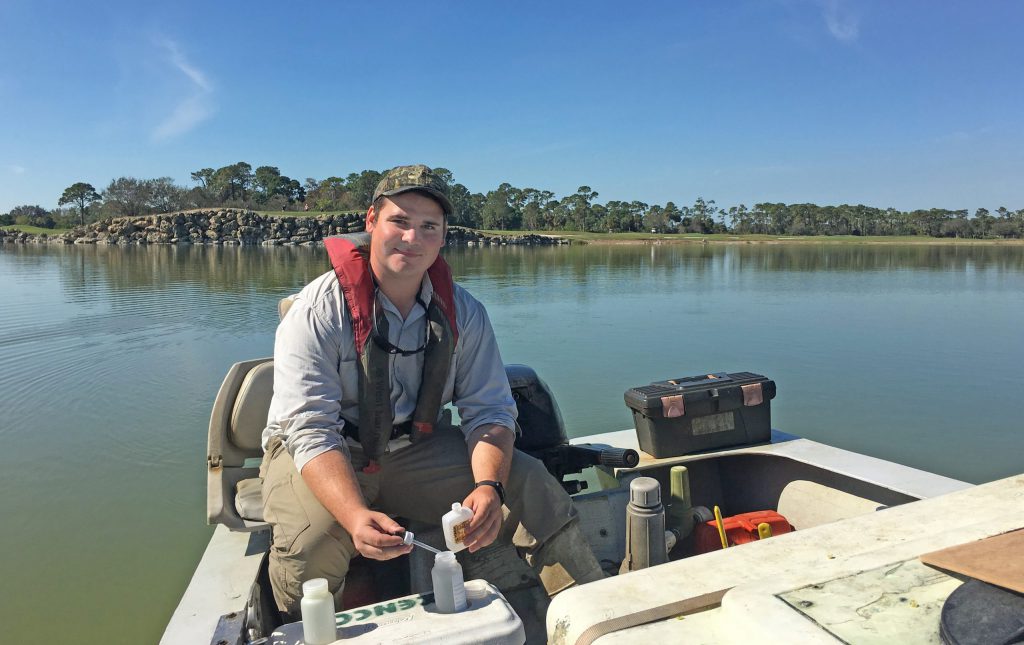
Ongoing water quality testing allows professionals to detect and correct imbalances before they develop into visible problems.
Fountains and Aeration
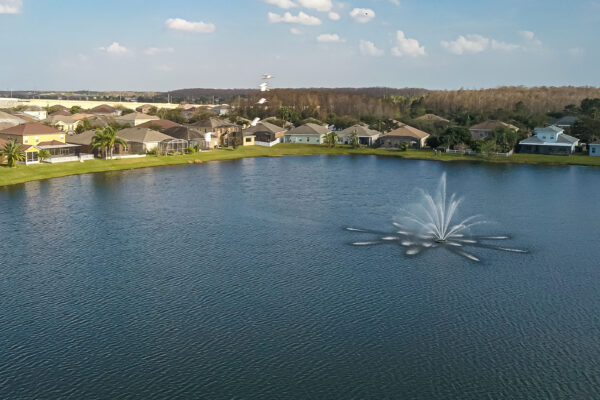
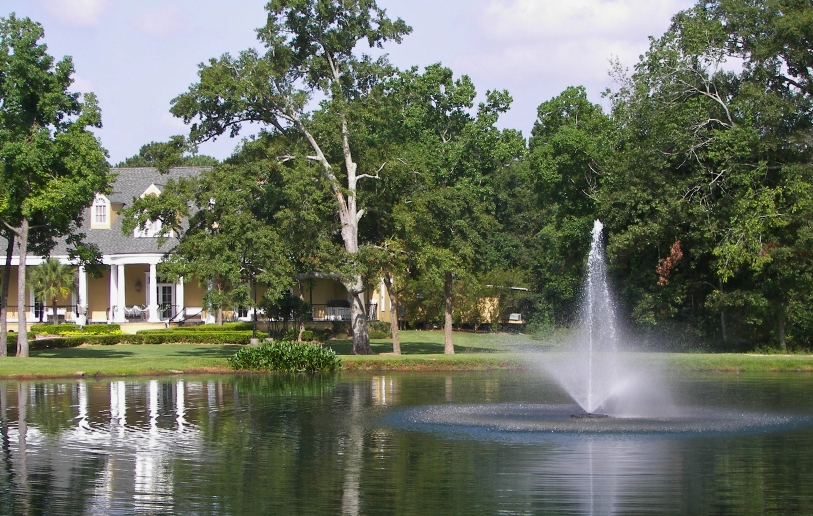
Floating fountains, surface aerators, and submersed aerators help stabilize dissolved oxygen levels in the water column. Dissolved oxygen plays a key role in supporting native fish, beneficial zooplankton, and healthy bacteria. Waterbodies with low dissolved oxygen levels are more likely to experience imbalances that contribute to nuisance weed and algae growth.
Managing Change with Confidence
Lakes and ponds are dynamic, ever-changing ecosystems. Even with careful management, temporary changes in water quality or appearance can occur in response to seasonal and environmental conditions. Don’t let these short-term setbacks discourage you. Partnering with a professional can help you anticipate and prepare for these changes while minimizing disruptions to your enjoyment of the water.
Tips to Control Pond Algae and Weeds
SOLitude Lake Management is a nationwide environmental firm committed to providing sustainable solutions that improve water quality, enhance beauty and preserve natural resources.
SOLitude’s team of aquatic scientists specializes in the development and execution of customized lake, stormwater pond, wetland and fisheries management programs. Services include water quality testing and restoration, algae and aquatic weed control, installation and maintenance of fountains and aeration systems, shoreline erosion control, muck and sediment removal and invasive species management. SOLitude partners with homeowners associations, golf courses, private landowners, businesses and municipalities. SOLitude Lake Management is part of Rentokil Terminix, a leading business services company, operating across the United States, Canada and Puerto Rico.
For more information, visit SOLitude Lake Management at solitudelakemanagement.com, and connect on Facebook, LinkedIn, and YouTube.