



Case Study: New Highly-Selective Herbicide Used to Eradicate Milfoil
May 28th, 2019
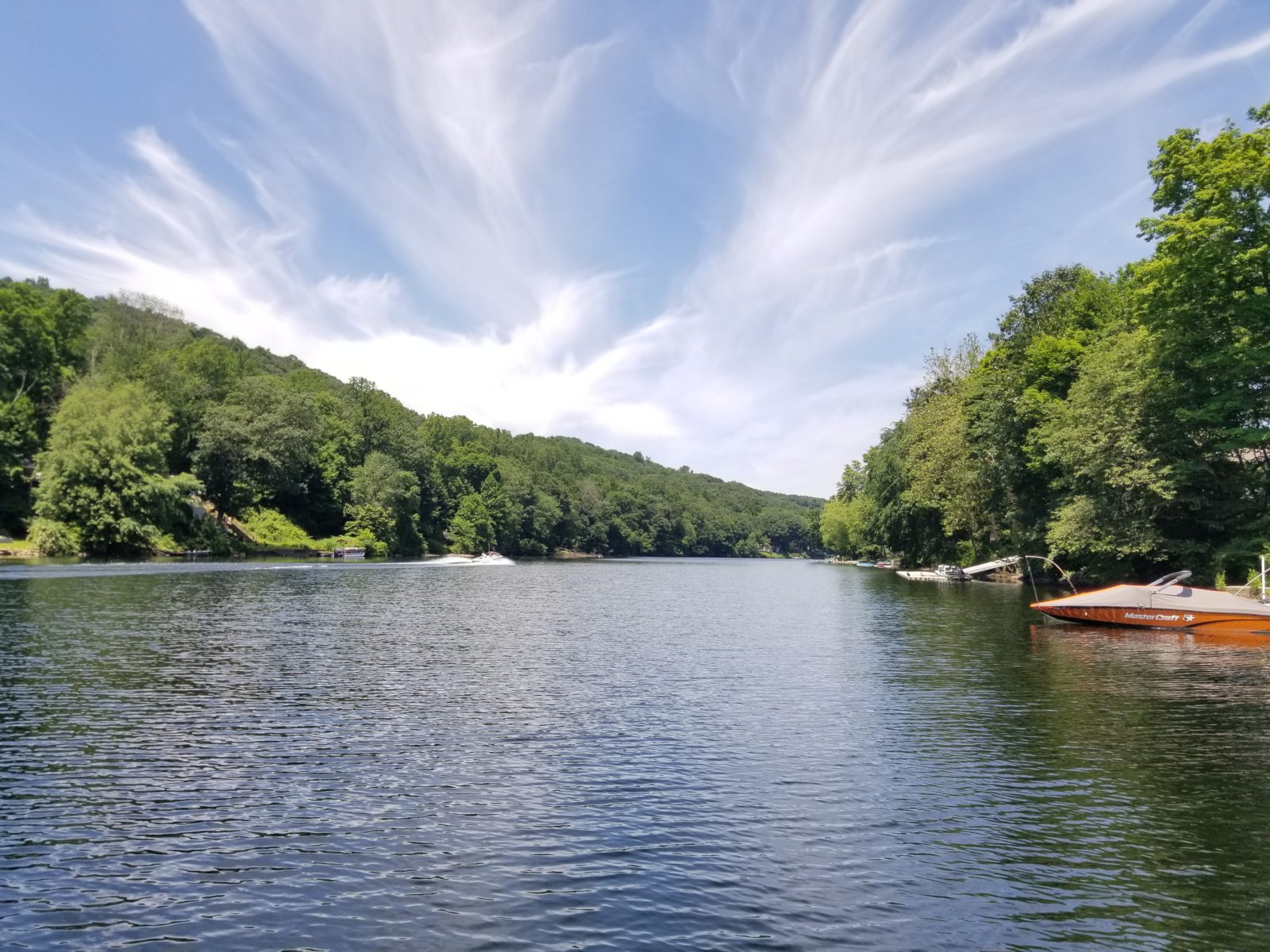
Variable milfoil (Myriophyllum heterophyllum) is a highly invasive exotic plant that is threatening our freshwater ecosystems. If left unmanaged, it not only has the ability to impair ecological balance but will readily spread throughout a waterbody and to surrounding waterbodies, as it can easily be transported by heavy downstream water flow and on the boats […]
A Technological Break-Through in Sustainable Lake Management
May 21st, 2019
Written by Industry Expert Bo Burns, Biologist & Market Development Manager Algae: it comes in many forms and colors. It’s slimy, stinky and can ruin the beauty and function of your golf course lakes and irrigation systems. It’s also one of the oldest known organisms on this planet, which might explain its knack for survival, […]
Citizen Scientists: Using Your Smartphone to Enhance Lake Stewardship
May 1st, 2019
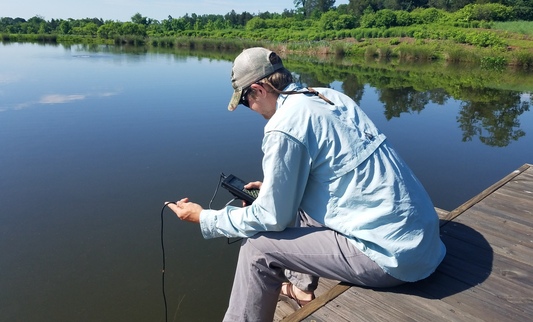
Written by Amanda Mahaney, Freshwater Biologist Understanding water as a finite natural resource has defined a century long debate about how to use it, maintain it, preserve it and protect it. Yet, despite these efforts, water quality has continuously declined across the country. Urban development near waterbodies often imparts negative impacts, such as nutrient loading […]
Managing Golf Course Ponds Without Traditional Herbicides
April 18th, 2019
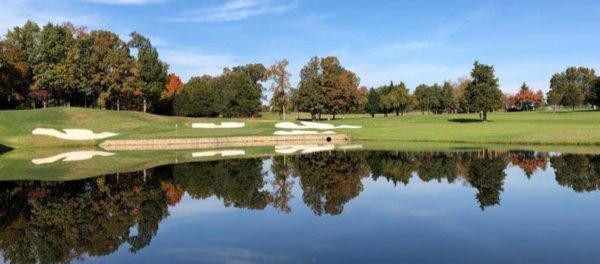
AS SEEN IN Golf Course Management: Written by Benjamin Chen, Fisheries Biologist Golf courses are picturesque with their landscaped green fairways and winding paths. While turf management is usually the first order of business for superintendents, lakes, ponds and water features aid in irrigation and help accentuate the beauty of the environment. Without proper management, however, […]
Using Human Dimensions in Aquatic Plant Management
April 8th, 2019
AS SEEN IN Bass Master: Written by Fisheries Biologist Vic DiCenzo, PhD Fisheries biologists consider aquatic plants to be an important component for healthy aquatic ecosystems. Aquatic plants serve a variety of functions including production of oxygen, recycling nutrients, reducing turbidity and providing food, spawning substrate and habitat for invertebrates and fish. However, while anglers […]
Toxic Golden Algae and Fish Kills
March 14th, 2019
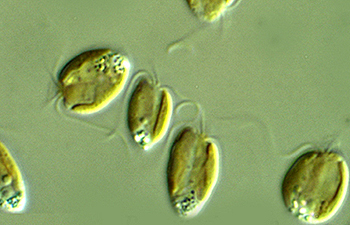
Written by Bob Revolinski, Aquatic Biologist and Regional Manager 2020 marked the start of my 35th year in the lake management industry. It’s a career that is constantly evolving, due to the vast number of variables associated with aquatic ecosystems. Every now and then, a novel and completely unexpected problem or species will appear, requiring […]
Aquatic Weed Control: How to Get Rid of Pond Weeds
March 5th, 2019
Written by Fisheries & Wildlife Scientist Daniel Hood As a Fisheries and Wildlife Scientist who regularly travels to client properties, people often recognize me as an aquatic consultant at gas stations or while I’m parked getting lunch. Sometimes people will approach me to ask a question, and it tends to be the same one every […]
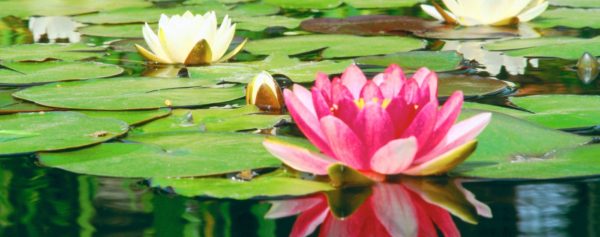
Plant Doppelgangers: Invasive Plants Often Mistaken for Other Species
February 28th, 2019
Regions across the country are waging war on invasive aquatic plants, with a particular focus on preserving water access and usage. Unless designed for a specific safety purpose, waterbodies are supposed to support aquatic biota, including plants. However, many of these invading species are often mistaken for native plants that are important for a balanced or natural ecosystem. […]
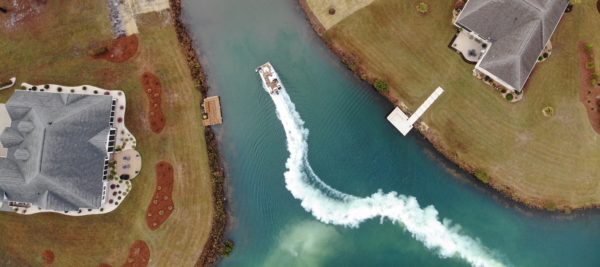
Case Study: Managing Aquatic Weeds & Algae in a Complex Canal System
February 20th, 2019
Written by Industry Expert Nic Butler, Aquatic Specialist Aquatic management plans vary as no two waterbodies or properties are alike, and there is no “one-size-fits-all” approach to lake and pond management. Several years ago, we came across a particularly interesting opportunity that exemplifies how our team is able to successfully utilize a variety of aquatic […]
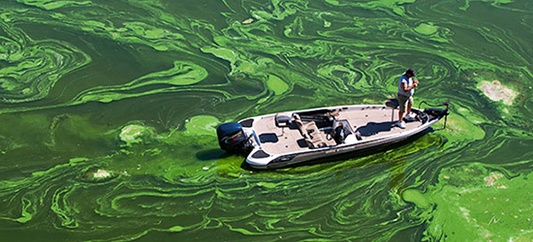
Top 10 Ways: How to Prevent Harmful Algal Blooms and Cyanobacteria
January 10th, 2019
AS SEEN IN Common Ground™ magazine: Written by Industry Expert Brea Arvidson, Aquatic Biologist In communities with lakes and ponds, managers need to be vigilant to prevent cyanobacteria – also known as blue green algae. Algae is a natural component of any lake or pond system. But in more and more communities that include water features, […]