




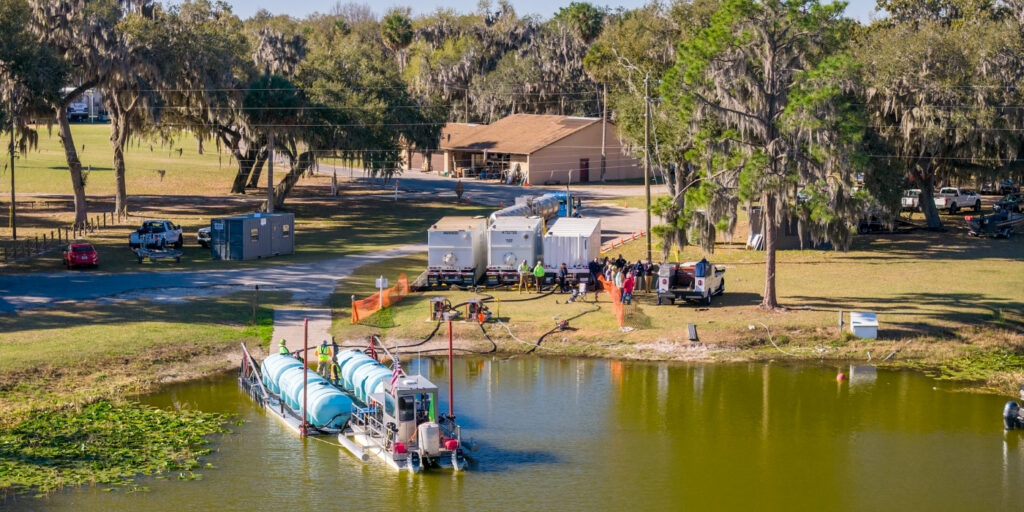
How Lake Yale Became One of the County’s Most Impaired Lakes
Lake Yale, a 4,041-acre public lake in Lake County, Florida, has long been a popular destination for fishing and recreation. In recent years, however, it earned the designation of the most impaired lake in the county. Over time, the lake has experienced more frequent and prolonged harmful algal blooms (HABs), resulting in repeated safety advisories from the Florida Department of Health.
A Long History of Water Quality Imbalances
Phosphorus is the primary nutrient driving Lake Yale’s HABs and water quality problems. In some areas, levels have been recorded as high as 2,500 parts per billion, with typical readings around 500 parts per billion. These levels are 10-50+ times higher than desirable to limit the growth of potentially harmful cyanobacteria.
What made the issue especially difficult to address was the source of the phosphorus:
- Roughly 80% of the phosphorus originates from internal sediments
- Decades of accumulated organic matter created a significant nutrient reserve
- Phosphorus has been continuously released back into the water column
This internal loading created a self-sustaining cycle, allowing algal blooms to persist even when external inputs were reduced and making natural improvements unlikely without targeted intervention.
Planning and Implementation
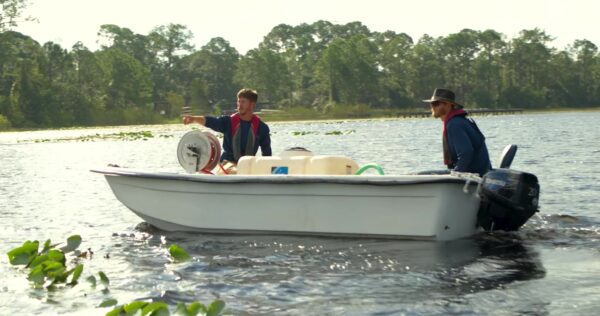
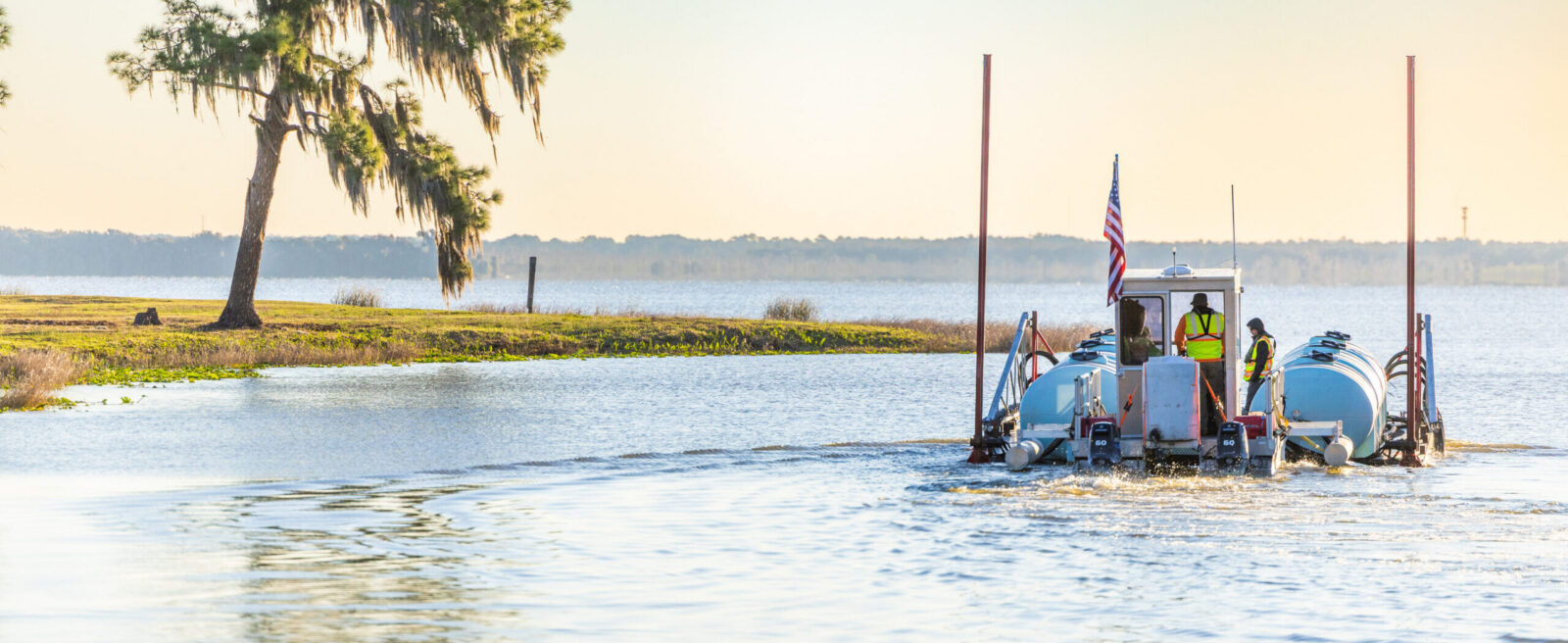
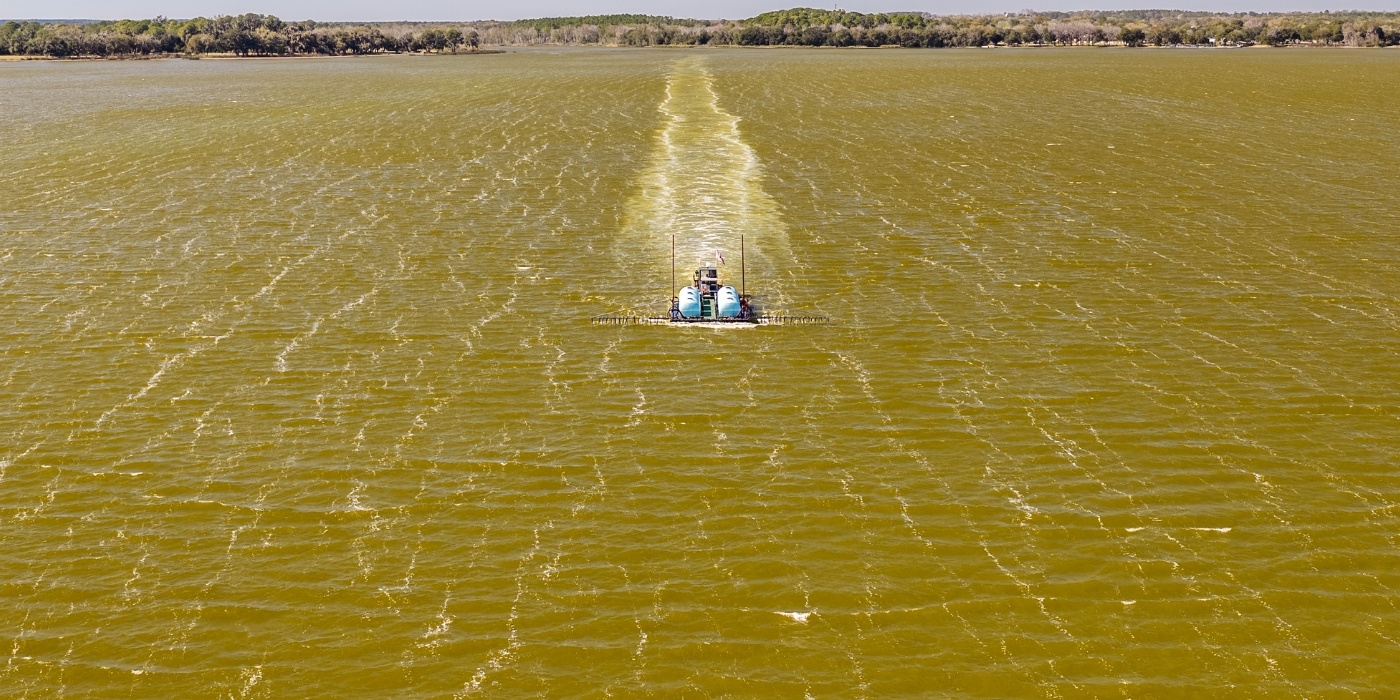
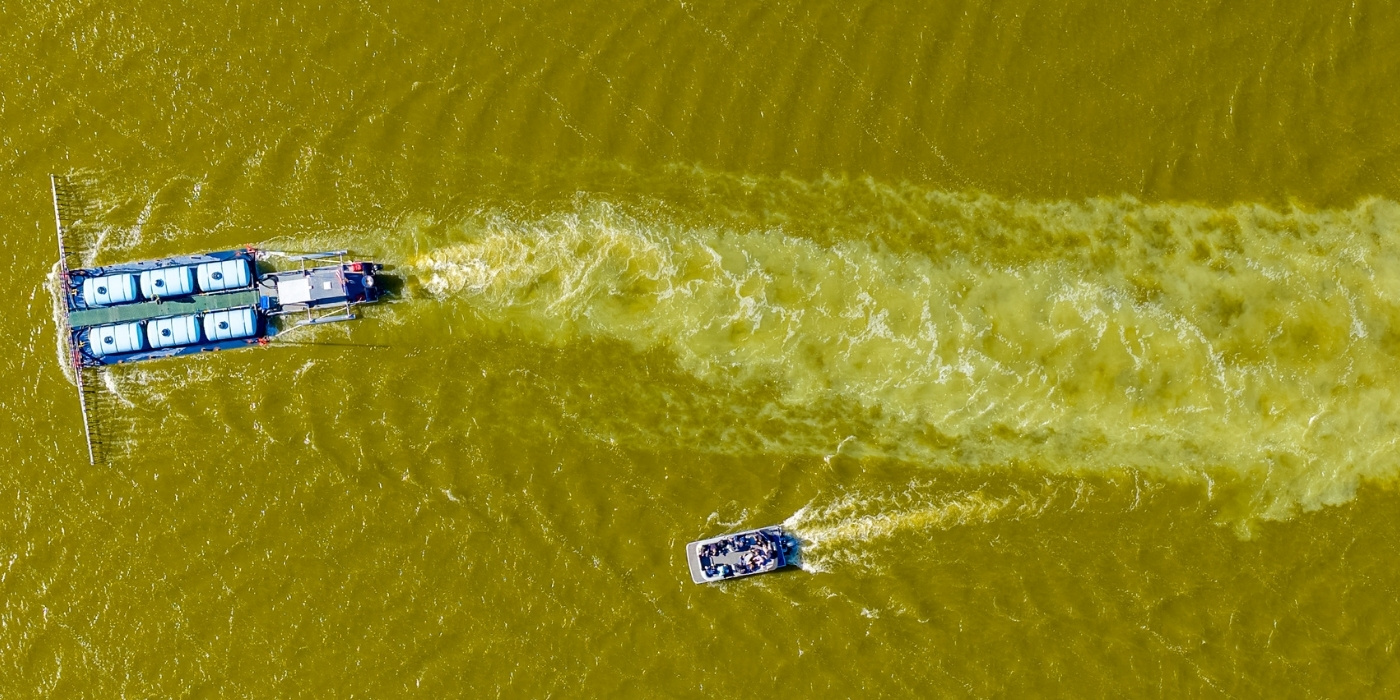
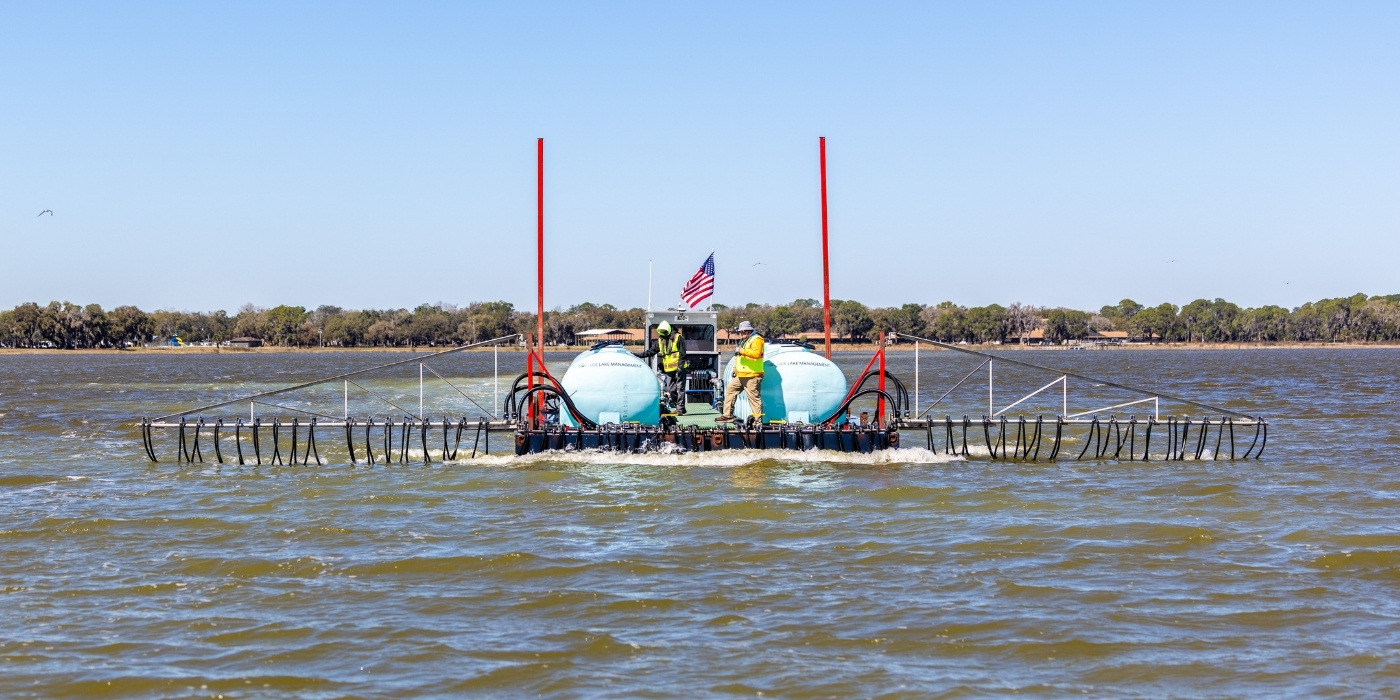
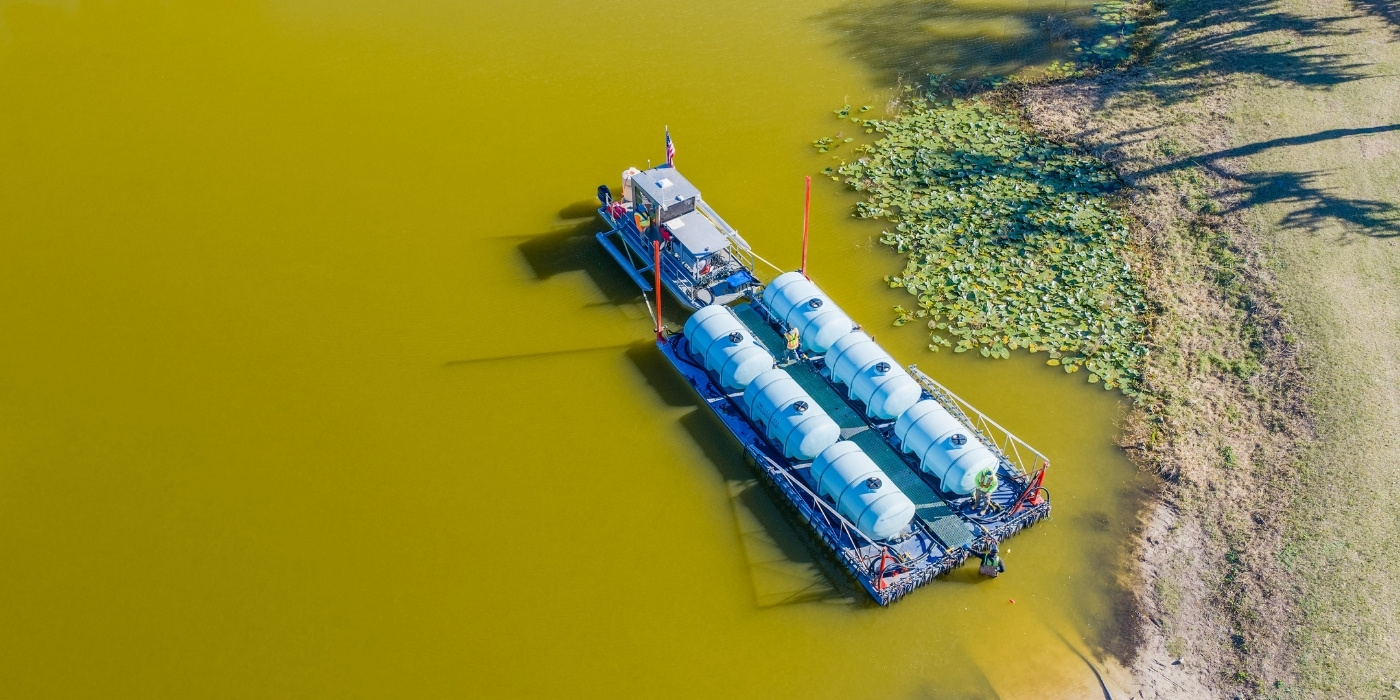
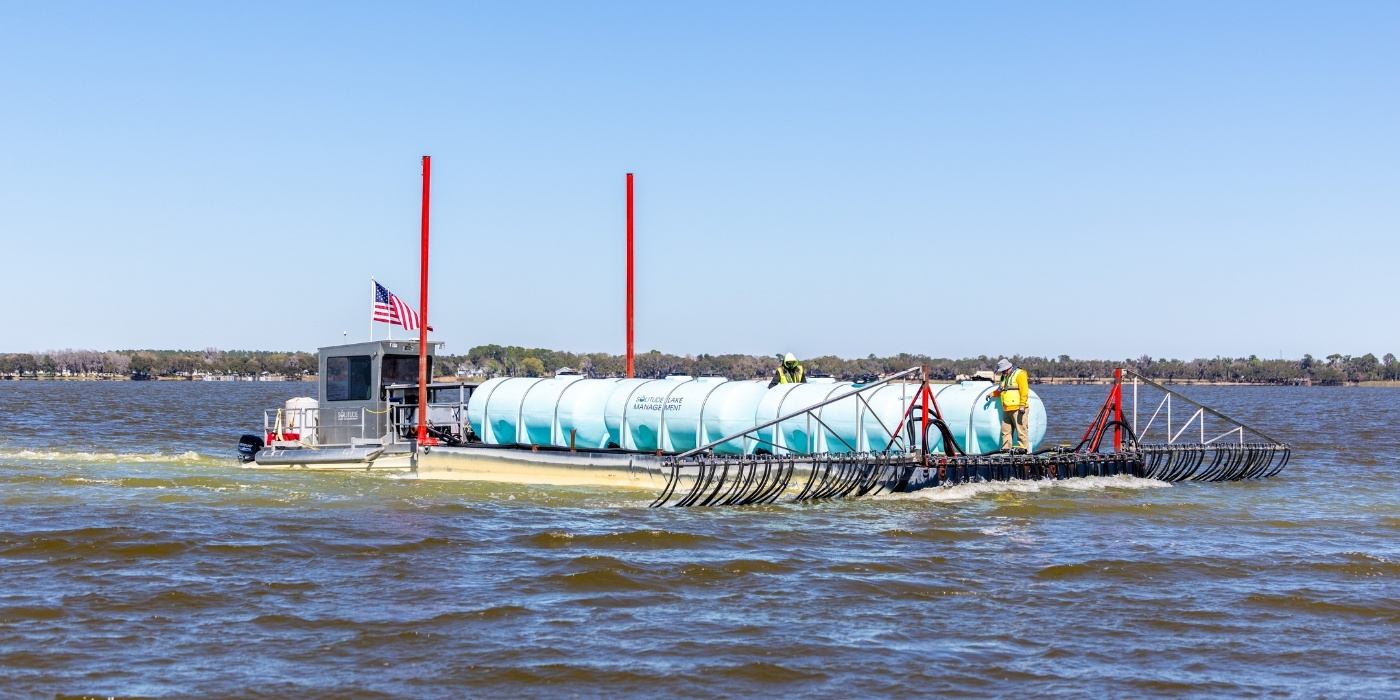
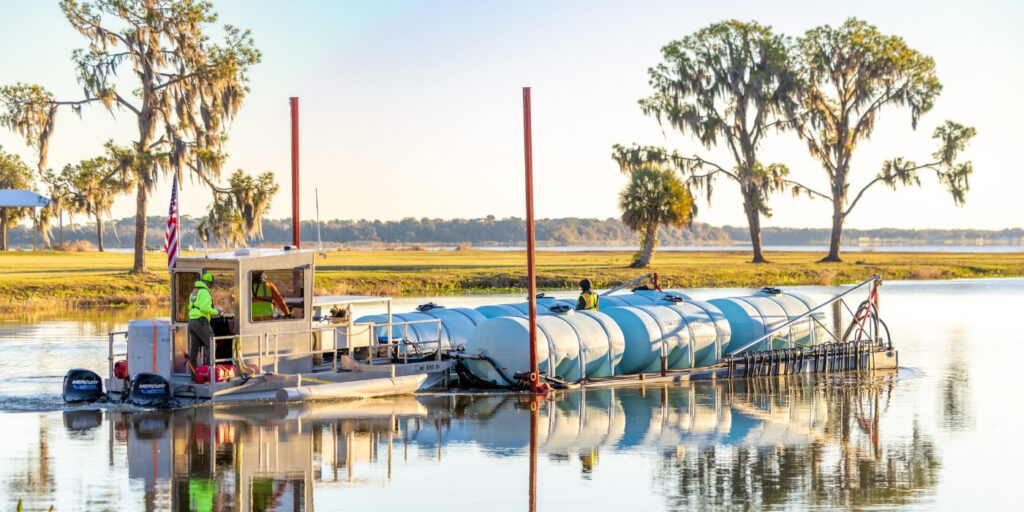
After more than a decade of study, coordination, and stakeholder alignment, the Lake County Water Authority board approved an aluminum sulfate (alum) treatment in 2019 as part of a multi-year restoration strategy. SOLitude was selected to carry out the work and began applications in January 2026.
SOLitude has successfully completed more than 200 alum applications across over 35,000 acres of recreational lakes and drinking water reservoirs nationwide. Each project follows strict scientific protocols, adheres to all permitting requirements, and is conducted using state-of-the-art equipment.
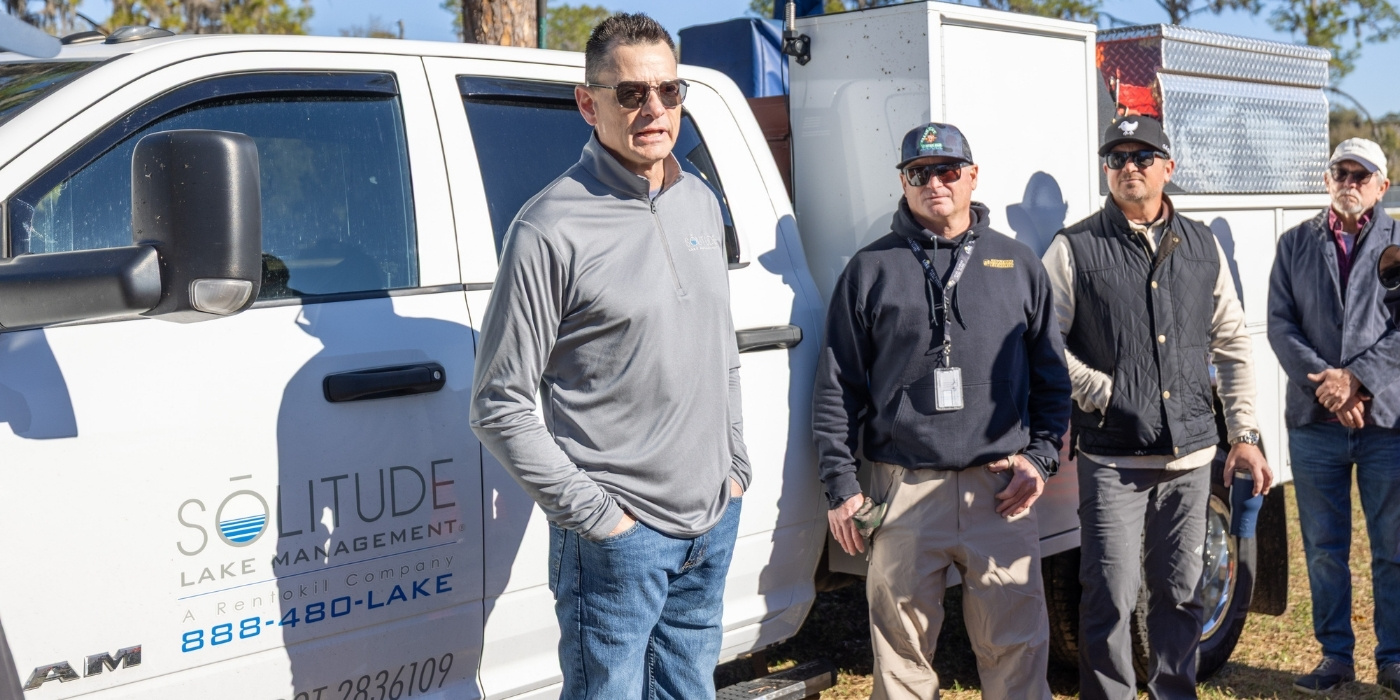
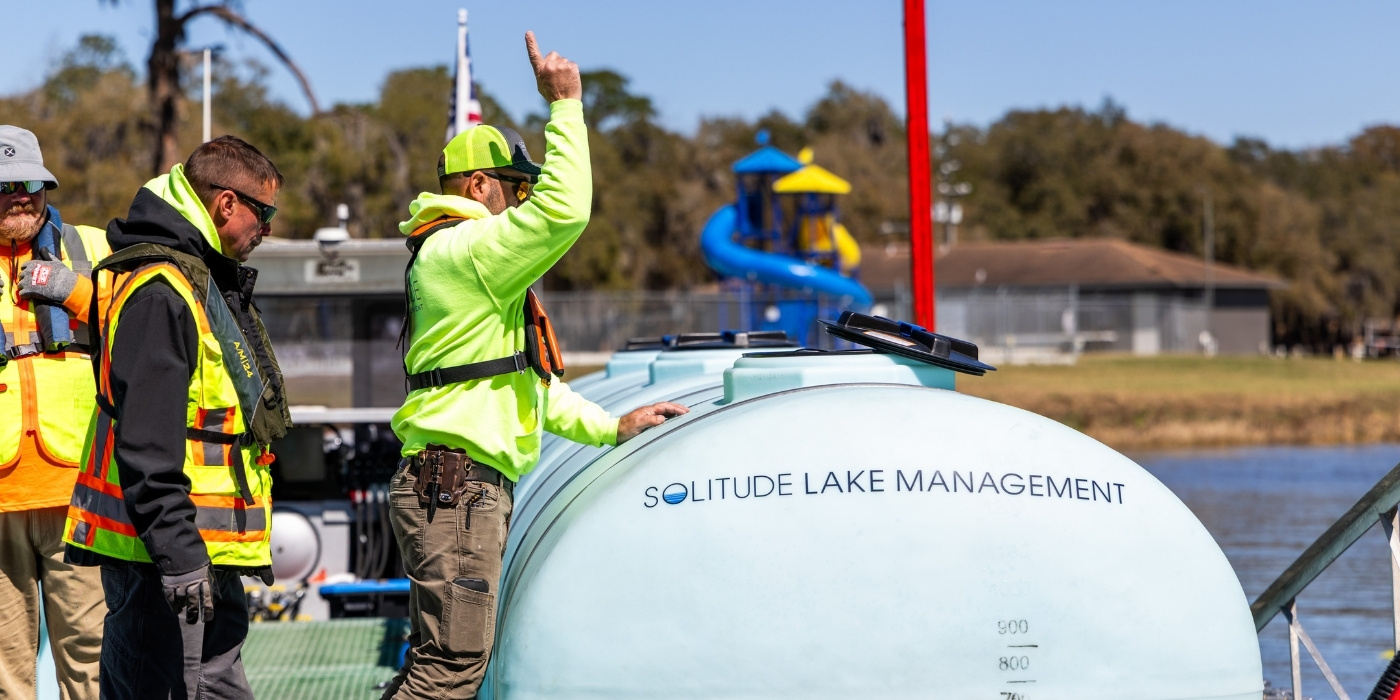

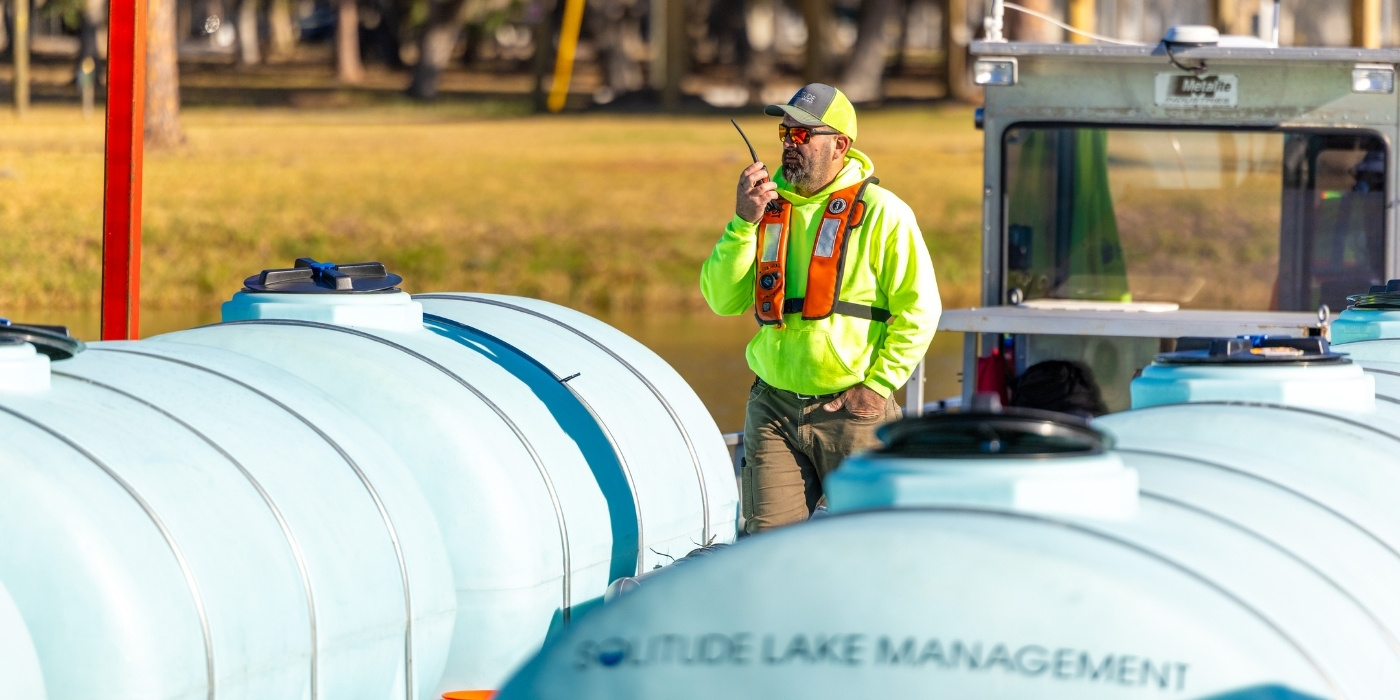

Watch the Lake Yale Restoration In Action
How Alum Improves Water Quality
When applied, alum quickly forms a floc that binds phosphorus and other particles in the water column. The floc settles to the bottom, creating millions of phosphorus-binding sites that help prevent nutrients from re-entering the water.
Alum provides both immediate and long-term benefits that can last for decades:
- Improved water clarity
- Enhanced oxygen levels and fish habitat
- Reduced frequency and severity of algal blooms
- Decreased phosphorus levels in bottom sediments
Regulatory Developments In Florida
While alum has been used in lake restoration for decades, its application on public lakes in Florida became more feasible after the Florida Department of Environmental Protection updated its permitting framework. Under this framework, alum treatments are approved as habitat improvement projects and proactive strategies to reduce HABs.
Lake Yale’s alum program serves as a pilot project, demonstrating a scalable, science-based approach to restoring other impaired lakes across the region.
SOLitude Lake Management is a nationwide environmental firm committed to providing sustainable solutions that improve water quality, enhance beauty and preserve natural resources.
SOLitude’s team of aquatic scientists specializes in the development and execution of customized lake, stormwater pond, wetland and fisheries management programs. Services include water quality testing and restoration, algae and aquatic weed control, installation and maintenance of fountains and aeration systems, shoreline erosion control, muck and sediment removal and invasive species management. SOLitude partners with homeowners associations, golf courses, private landowners, businesses and municipalities. SOLitude Lake Management is part of Rentokil, a leading business services company, operating across the United States, Canada and Puerto Rico.
For more information, visit SOLitude Lake Management at solitudelakemanagement.com, and connect on Facebook and LinkedIn.