




At first glance, many waterbody issues can seem like they have simple, straightforward solutions. As a result, those with a problem-solving mindset often take matters into their own hands by researching and attempting to treat the problem themselves. But far too often, well-intentioned “quick fixes” or do-it-yourself efforts only make conditions worse or provide short-lived results.
Waterbodies Are More Complex Than They Appear
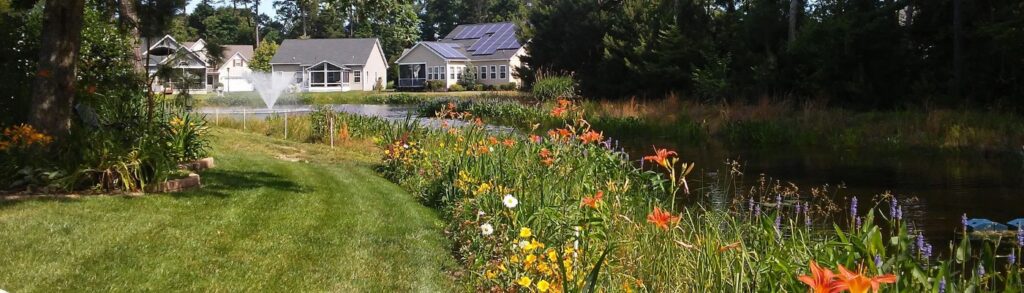
Lakes and ponds are far more complex than they seem. Every element, from nutrients and oxygen levels to plants and bacteria, plays a role in maintaining balance. Addressing one problem without understanding how it connects to the entire ecosystem can trigger a chain reaction of unintended consequences. This is why many DIY approaches fall short.
For example, introducing a colorful, exotic plant may seem like a fast way to improve aesthetics, but non-native species can quickly outcompete beneficial vegetation, reducing biodiversity and leading to infestations that, in some cases, take years to control.
Similarly, pond dye is sometimes applied with the belief that it will control algae by reducing light penetration and slowing photosynthesis. Unfortunately, without correcting elevated nutrient levels or low dissolved oxygen levels in the water, algae growth often reappears as soon as conditions allow.
The Risks of Improper Herbicide Application
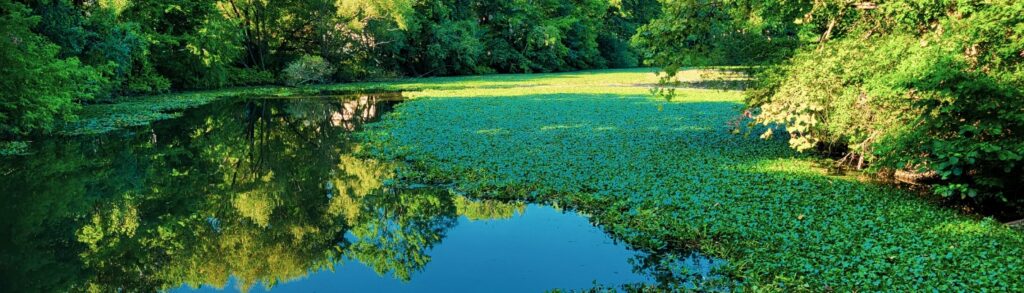
Aquatic weed control is one of the most frequent concerns for pond and lake owners, and many herbicide products are widely available over the counter. Though easy to obtain, using them effectively requires more precision than many people realize. Cutting corners or making minor errors in dosing, timing, or application methods can have harmful outcomes. Overuse, for example, may cause vegetation to break down too quickly, depleting oxygen levels and increasing the risk of fish kills. Underuse may only partially resolve the issue and require repeat treatments.
How Improper Removal Can Spread the Problem
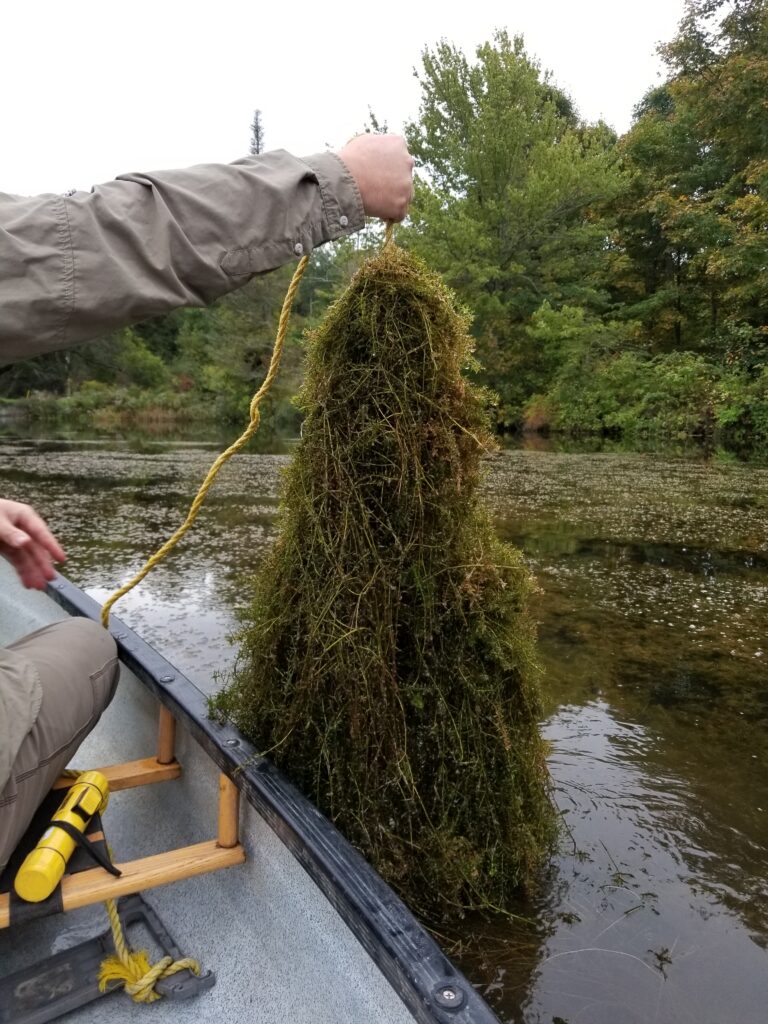
Even actions that seem harmless can sometimes make the problem worse. Physical weed removal efforts often backfire without proper planning. For instance, many aquatic plants can regrow from small fragments, so improper removal may unintentionally spread invasive growth to new areas.
Over time, these well-intentioned efforts can compound, turning a simple fix into a problem that becomes unnecessarily more complex and costly to manage.
Professional lake and pond managers take a different approach. Rather than reacting to visible symptoms, they work to identify underlying causes through data collection, ongoing monitoring, and a strong foundational understanding of aquatic systems. Before taking action, they consider factors such as water quality, plant species, geography, and seasonal shifts to limit unnecessary disruptions.
This doesn’t mean taking a passive role. It’s still important to stay engaged in the health of your lake or pond by monitoring conditions, maintaining open dialogue with experienced professionals who have the tools to address challenges correctly, and adhering to best practices.
The Right Approach Makes All the Difference
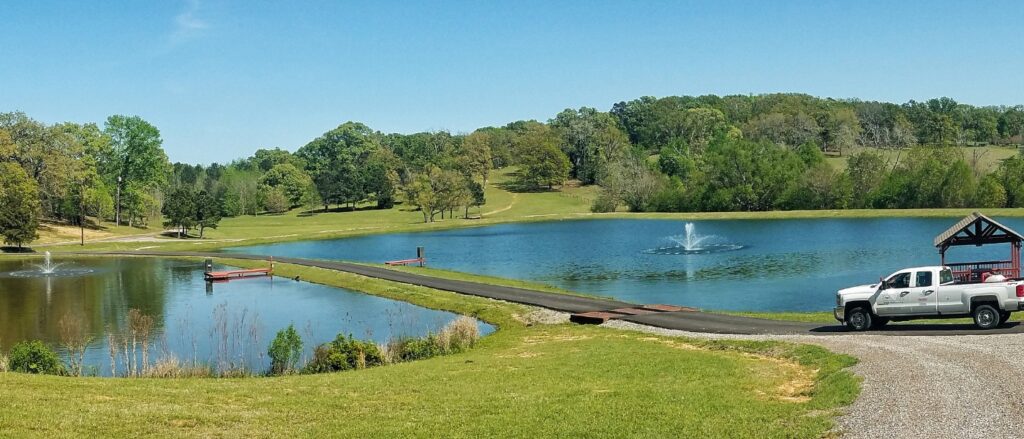
Ultimately, effective waterbody management isn’t about doing more. The goal should be to do the right things – at the right time – with the right tools, while minimizing the need for intervention. A deliberate, informed approach will almost always yield more predictable and long-lasting results than quick fixes.
How to Achieve Clean, Healthy Ponds
SOLitude Lake Management is a nationwide environmental firm committed to providing sustainable solutions that improve water quality, enhance beauty and preserve natural resources.
SOLitude’s team of aquatic scientists specializes in the development and execution of customized lake, stormwater pond, wetland and fisheries management programs. Services include water quality testing and restoration, algae and aquatic weed control, installation and maintenance of fountains and aeration systems, shoreline erosion control, muck and sediment removal and invasive species management. SOLitude partners with homeowners associations, golf courses, private landowners, businesses and municipalities. SOLitude Lake Management is part of Rentokil, a leading business services company, operating across the United States, Canada and Puerto Rico.
For more information, visit SOLitude Lake Management at solitudelakemanagement.com, and connect on Facebook, LinkedIn, and YouTube.