



Lake Okeechobee, often called “Florida’s Inland Sea,” is a colossal and vital natural resource. It is the largest lake in Florida and the second-largest entirely within the contiguous United States. Covering approximately 730 square miles, this vast, yet shallow, freshwater basin holds an estimated one trillion gallons of water, making it a cornerstone of the entire South Florida ecosystem.
The Functional Importance of Lake Okeechobee
The health and function of Lake Okeechobee are critical due to its multiple roles:
- Headwaters of the Everglades: The lake is the primary water source for the unique Everglades ecosystem. The vitality of the “River of Grass” directly depends on the water quality and flow from the lake.
- Economic and Recreational Value: Lake Okeechobee serves as a major hub for tourism and recreation, attracting visitors for sport fishing, boating, and other water activities, significantly bolstering Florida’s local economy.
- Flood Control System: As an integral part of South Florida’s complex flood management, water levels are carefully controlled. This often necessitates releasing excess water into the Everglades and channeling it east and west into the St. Lucie River and the Caloosahatchee River.
The Escalating Environmental Crisis: Phosphorus and Toxic Algal Blooms
Despite its importance, Lake Okeechobee faces a severe environmental crisis marked by dangerously high phosphorus levels. This nutrient overloading is caused by:
- External Nutrient Loading: Runoff from surrounding urban and agricultural areas introduces fresh phosphorus into the lake.
- Internal “Legacy” Loading: Decades of accumulated phosphorus have become trapped in the bottom sediment. This vast, internal reserve can be re-released back into the water column, continuing to fuel the crisis even if external inputs are reduced.
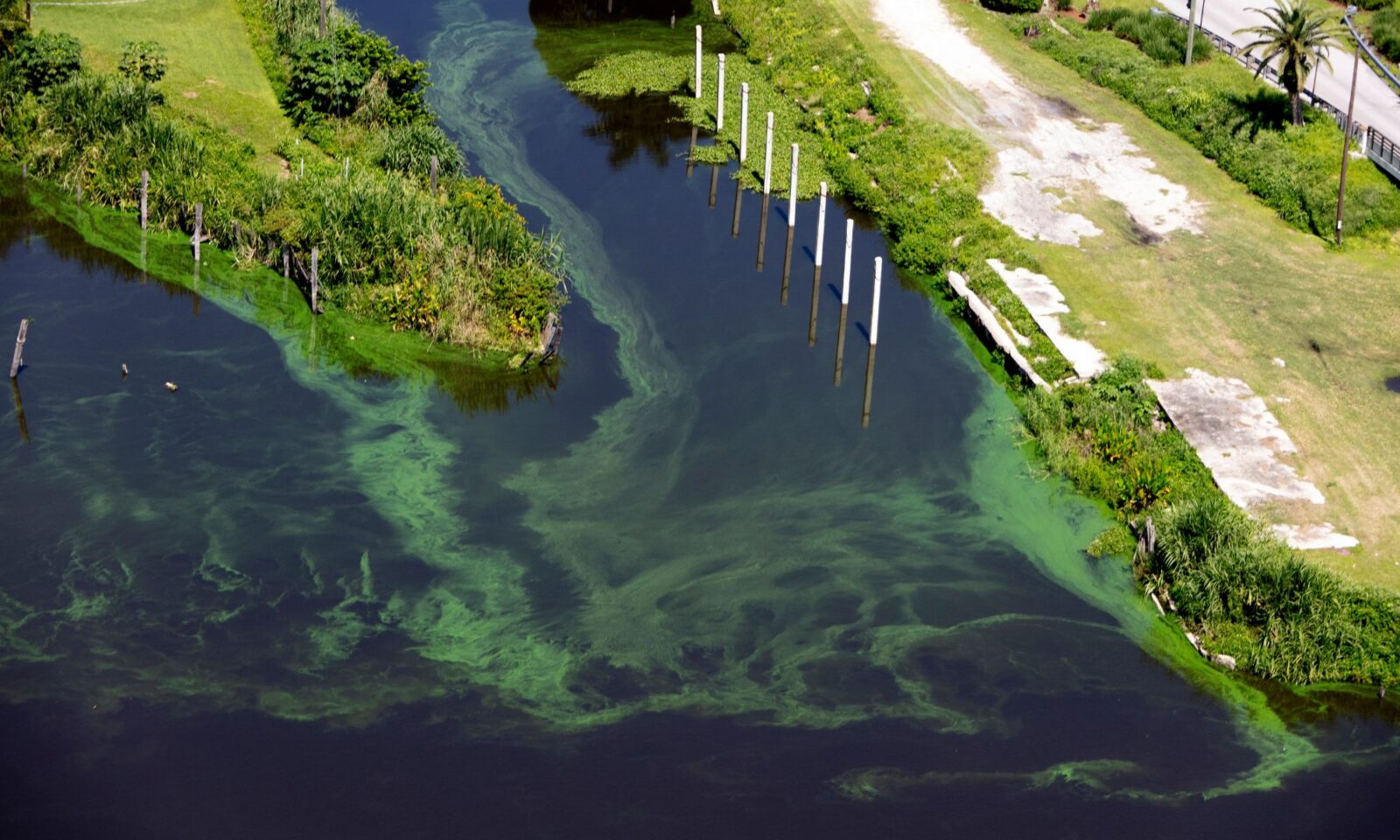
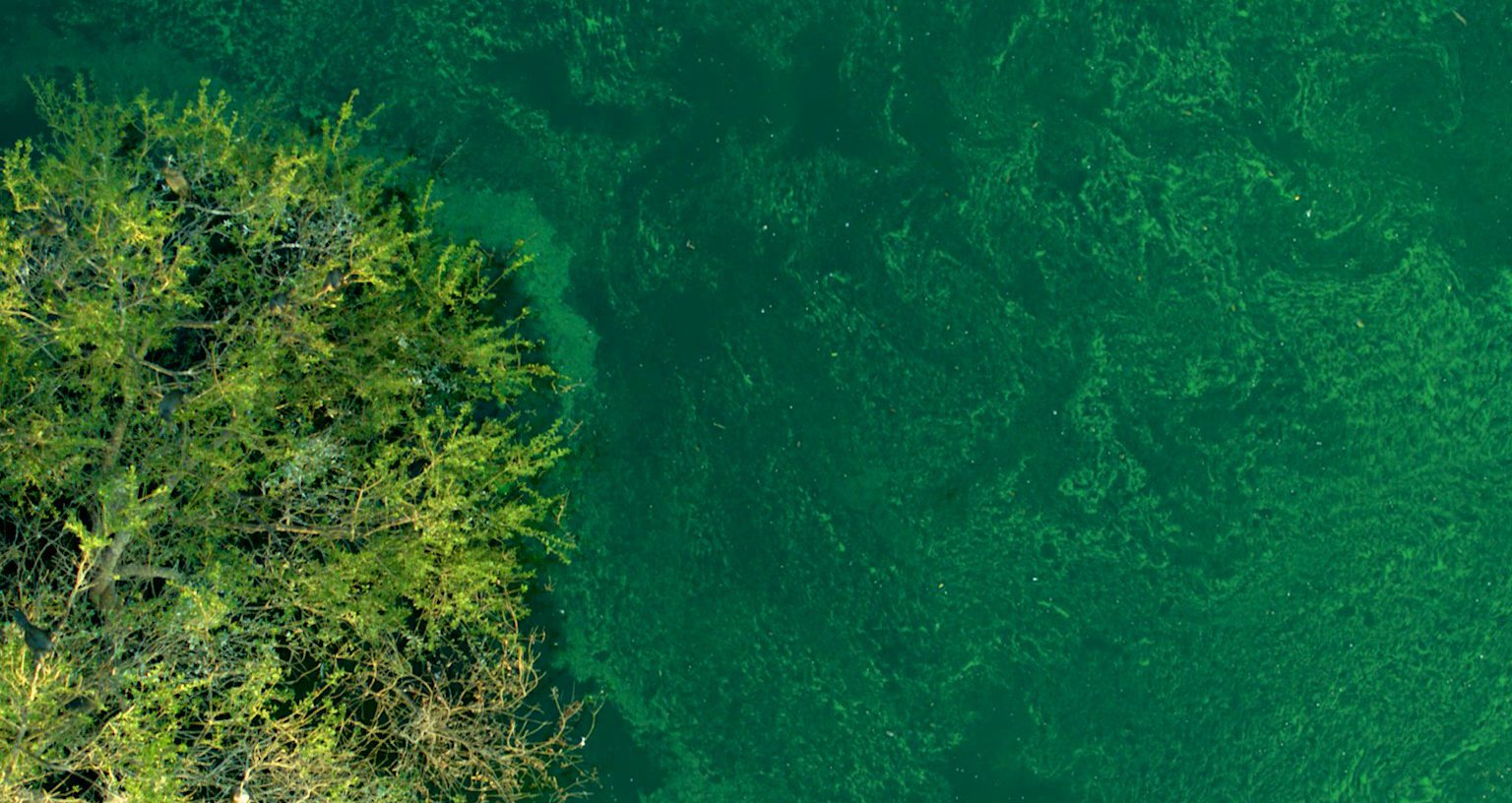
These high nutrient concentrations, particularly phosphorus, act as a potent fertilizer for toxic blue-green algal blooms (cyanobacteria). When these blooms form, they pose severe threats:
- Contamination of Coastal Waterways: Flood control releases discharge the contaminated, nutrient-rich water, polluting the coastal waterways on both the west and east coasts and impacting the Everglades.
- Exacerbating Red Tide: The nutrient flow from the lake into the marine environment is often linked to worsening the red tide phenomenon along Florida’s coasts, resulting in widespread ecological harm.
- Public Health Threat: The toxins released by Harmful Algal Blooms (HABs) can cause respiratory issues, skin irritation, and severe illness if contaminated water is ingested. If ingested by pets, it can be deadly.
- Economic Impact: Beach closures and water restrictions cause significant drops in tourism, impacting hotels, restaurants, fishing charters, and retail shops, leading to job losses and reduced tax revenue. Cleanup costs and the long-term effect on property values further contribute to the severe economic strain.
The severity is underscored by early health alerts for blue-green algae, issued as early as January 2026, indicating an intense problem expected to worsen with seasonal temperature increases. In peak seasons, these blooms have alarmingly covered between 35% and 90% of the lake’s surface area.
The Path to Restoration: Why Intervention in Lake Okeechobee is Essential
The ongoing challenge posed by excess phosphorus and resulting toxic blooms has made a large-scale, comprehensive water quality restoration effort non-negotiable.
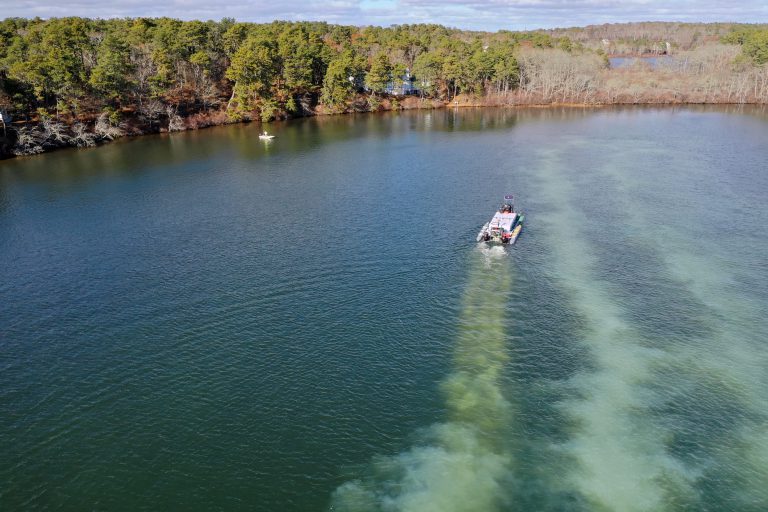
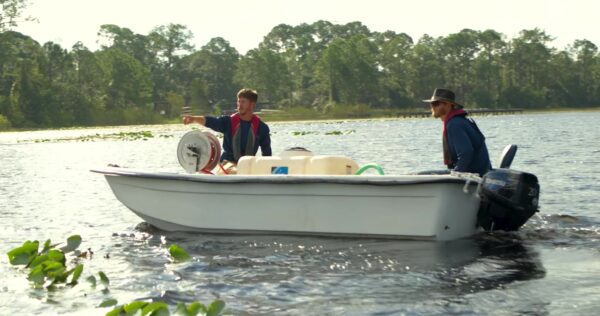
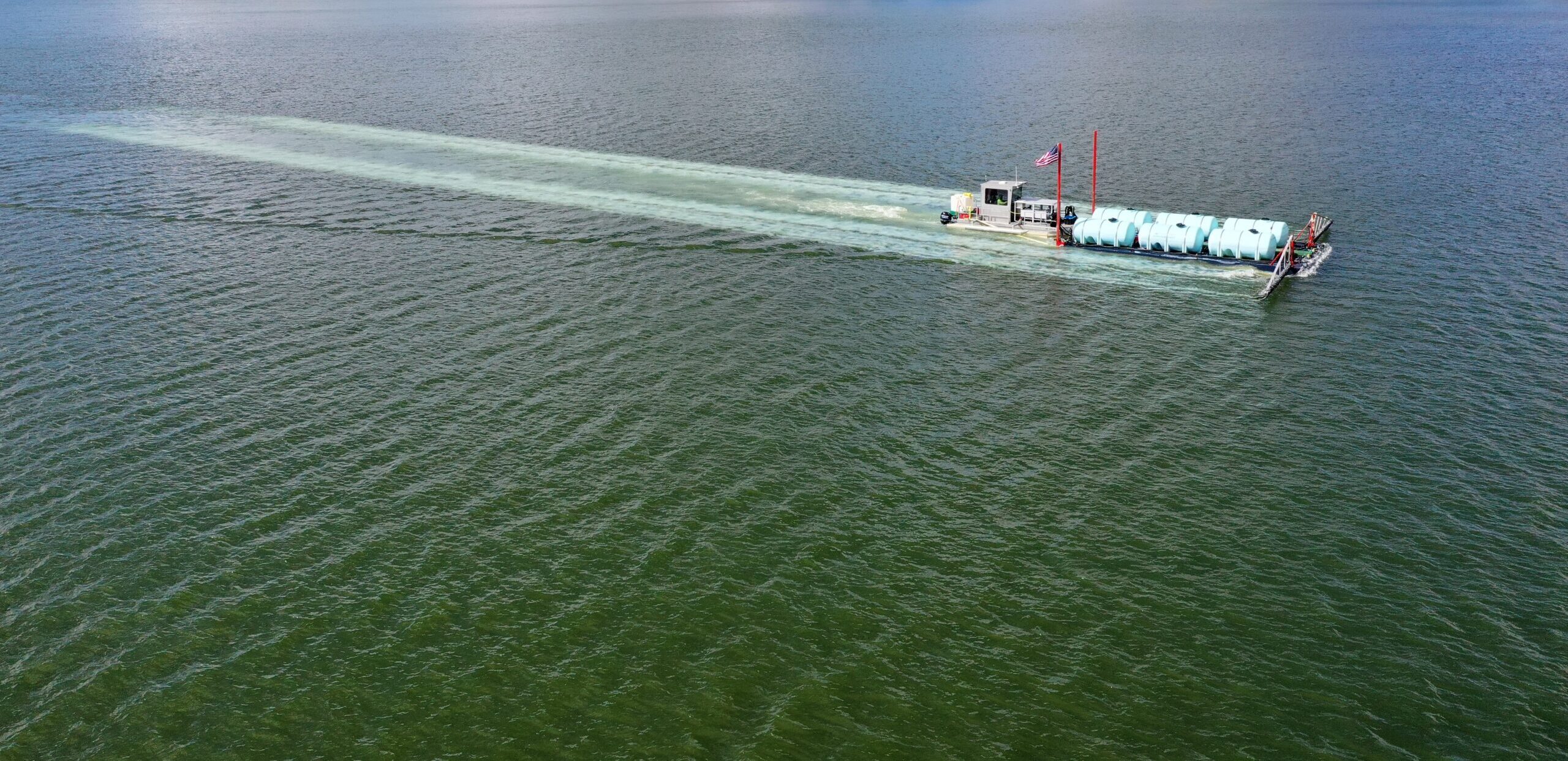
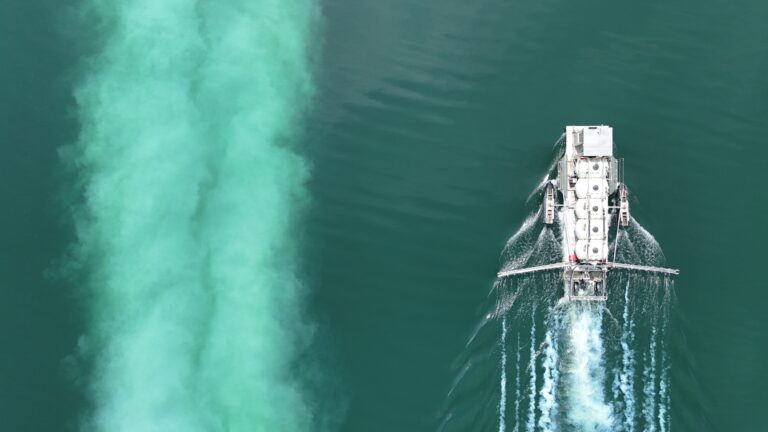
The Florida Department of Environmental Protection (FDEP) has selected alum (Aluminum Sulfate) applications as a critical tool in the strategy to restore the lake. This intervention is designed to chemically bind with and precipitate the phosphorus, specifically targeting the stubborn “legacy” phosphorus trapped in the sediment. The ultimate goal is a significant reduction in overall phosphorus levels in Lake Okeechobee, leading to restored water quality and a drastic reduction in the frequency and severity of toxic algal blooms.
Learn More About Alum
Explore our pages below to learn more about what alum is, how it works, and the long-term benefits it provides to aquatic resources. You can also review the project description, including status updates.
Project Description & Status Updates