




Managing a community involves a lot of moving parts, and for most community managers, handling resident complaints is one of their least favorite responsibilities. When left unmanaged or improperly managed, lakes and stormwater ponds can be a common source of these complaints. Nuisance weeds and algae, bad odors, fish kills, muck, erosion, and other issues are just a handful of the issues that can affect aquatic ecosystems and frustrate nearby residents. While identifying solutions can be simple, getting homeowners on the same page can be one of the most challenging parts of the job.

The Real Source of Lake and Pond Complaints
When lake and pond problems begin developing, complaints are usually first raised by residents living near the main inflow of the waterbody where excess nutrients, pollutants, and debris first enter the system. This area may be more prone to water quality imbalances that fuel nuisance growth and degrade the ecosystem. It’s important for communities to get ahead of these imbalances early before they create bigger problems, but homeowners who are not experiencing weeds and algae downstream, or who do not live on waterfront properties, may not support the use of funds towards lake and pond maintenance or may not agree with the solutions that have been chosen by community leaders.
Often, this stems from a lack of understanding. Most people are unfamiliar with the science behind freshwater management and are not aware of the far-reaching impacts that lakes and stormwater ponds have on residential communities. Some people don’t even realize that stormwater facilities exist in their communities in the form of dry basins. It’s up to community managers to close this education gap. This involves teaching residents about the important functions of stormwater ponds, the value they provide to every homeowner, and why investing in their health is an investment in the community as a whole.
Empowering Residents through Pond Management Education
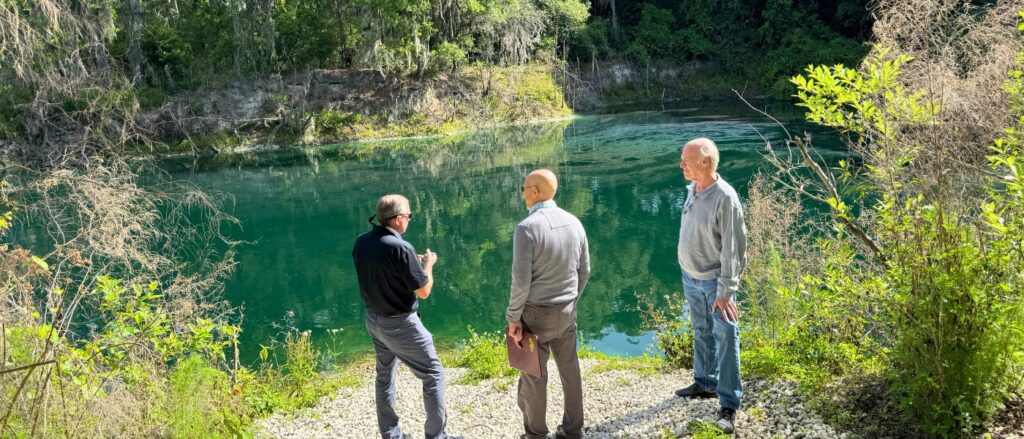
An excellent place to start is by educating board members who can disseminate knowledge and resources to the rest of the community. Decision-makers not only need to understand how community waterbodies function to collect stormwater runoff, but they should also be aware of the potential legal and safety issues that can arise from poorly managed systems. Clogged stormwater equipment can result in flooding that endangers residents and can cause significant damage to landscaping, outdoor amenities, and community infrastructure. Crumbling shorelines create hazards that can lead to falls and accidents. Warm, stagnant water can become a breeding ground for nuisance and disease-carrying mosquitoes. With the support of a lake management partner, community managers can better educate board members and residents.
Prioritize Long-Term Management Solutions Over Quick Fixes
Once most residents are on board, disagreements over management styles are still common, with some residents in favor of all-natural and “do-it-yourself” remedies like beneficial bacteria or hand-pulling weeds. These can be helpful solutions when used as part of a comprehensive management program, but they are not always effective in addressing more systemic issues like erosion and sediment build-up, and can end up costing communities valuable time and funds in the long run. Though it can be difficult to resist the pressure to provide instant gratification to complaining residents, it’s important to prioritize effective long-term solutions like dredging.
How to Properly Plan for Inevitable Pond Dredging
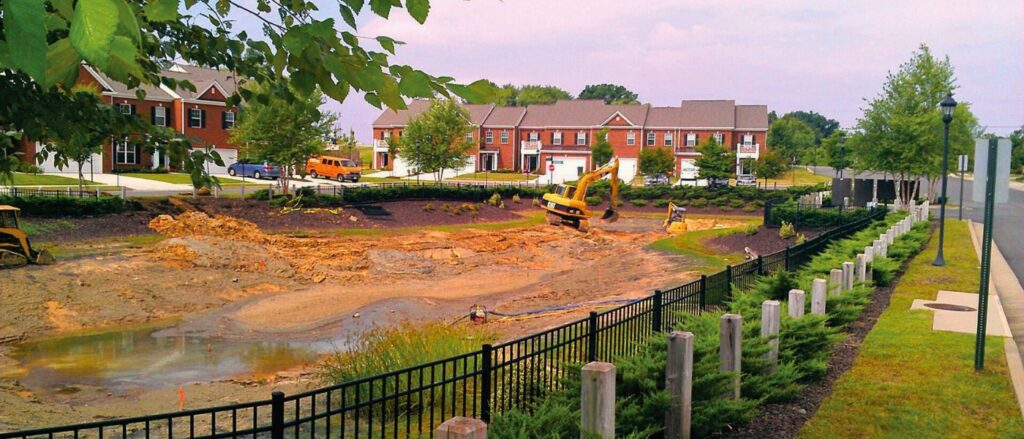
Every waterbody fills with organic material over time, reducing its capacity to hold and filter stormwater runoff before releasing it downstream. Though this is a natural process, it can occur much faster in lakes and ponds that are not proactively managed. During dredging projects, hundreds to thousands or millions of pounds of nutrient-rich muck, sediment, and debris are removed from the waterbody to restore depth and create a clean slate for a healthier, more balanced ecosystem. Though dredging lacks the “wow” factor of painting the clubhouse or replacing tennis courts, it can have a significant impact on the health and safety of community waterbodies.
Unfortunately, many communities are far past due for dredging. This is often due to a lack of awareness; however, in some cases, previous leadership may be to blame for ignoring growing sedimentation problems and leaving them for the next community manager to deal with. This can cause significant financial strain to residents, as dredging costs can be high and communities may have to raise dues to fund the urgently needed work. However, ignoring the problem may result in exorbitant damage that can negatively impact the entire community. In fact, it has become increasingly common for residents to take legal action against previous property managers for neglecting this important duty.
Turning a Neglected Waterbody Into a Leadership Opportunity
Community managers who find they have inherited a neglected waterbody should not be deterred – they have the unique opportunity to become champions of their community by educating stakeholders about the importance of proper pond management and the value it adds to every home. By addressing issues effectively and promoting the benefits of well-managed lakes and ponds, they can avoid becoming a scapegoat and instead position themselves as a trusted leader within their community.
How Residents Can Help Protect Their Waterbody
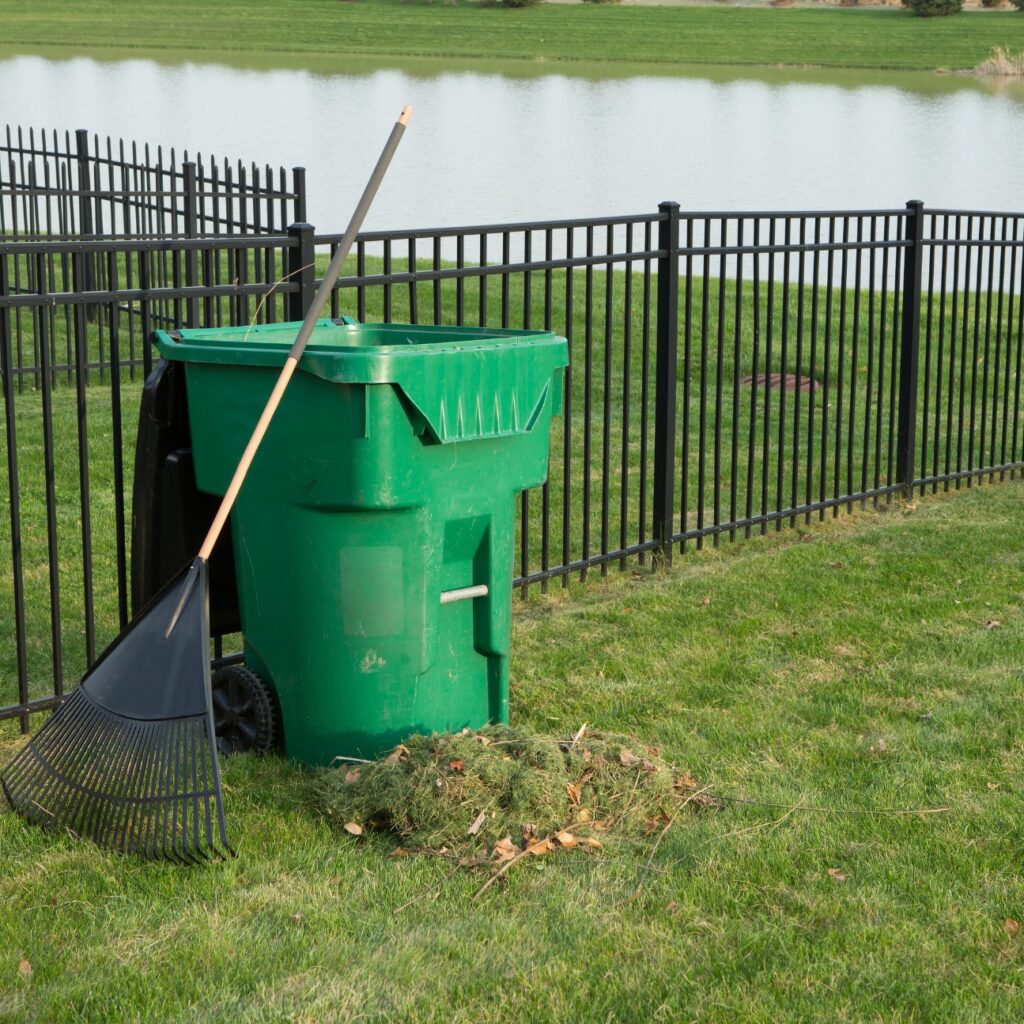
Closing the education gap also includes teaching residents about environmental stewardship and the personal impact each individual has on local waterbodies. Reducing the use of lawn and garden fertilizers, properly disposing of trash and pet waste, and bagging grass clippings and yard debris can help prevent pollutants from exacerbating water quality issues. As residents become more informed and involved in the maintenance of their community waterbodies, they are more likely to appreciate the dedication of community leadership.
The Key to Managing Resident Complaints Successfully
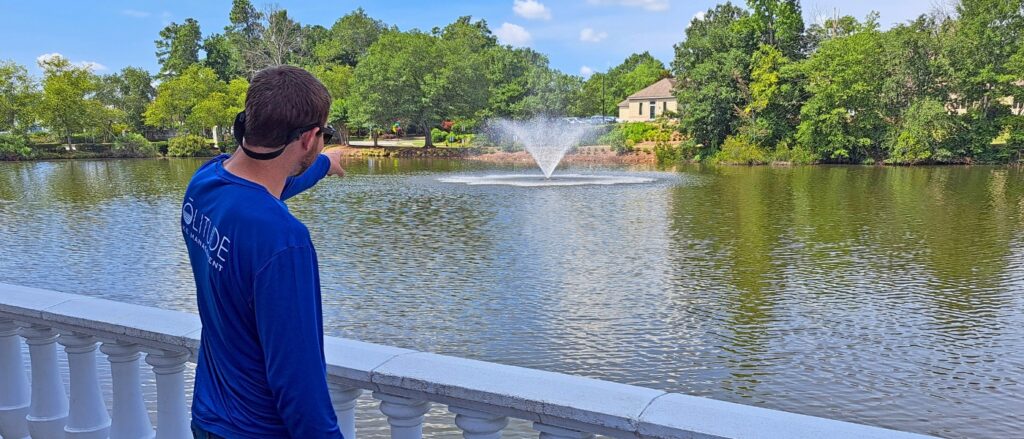
Ultimately, the key to successfully fielding resident complaints is by becoming an educator. When residents understand the complex science behind lake and pond management, they are more likely to support proactive maintenance strategies that prevent water quality issues, algae, weeds, and other problems – before they can become a source of complaints. Community managers who embrace this role can bring communities together, improve the desirability of their association, and cement their reputation as trustworthy and capable leaders.
Maintain Beautiful Community Lakes
SOLitude Lake Management is a nationwide environmental firm committed to providing sustainable solutions that improve water quality, enhance beauty and preserve natural resources.
SOLitude’s team of aquatic scientists specializes in the development and execution of customized lake, stormwater pond, wetland and fisheries management programs. Services include water quality testing and restoration, algae and aquatic weed control, installation and maintenance of fountains and aeration systems, shoreline erosion control, muck and sediment removal and invasive species management. SOLitude partners with homeowners associations, golf courses, private landowners, businesses and municipalities. SOLitude Lake Management is part of Rentokil, a leading business services company, operating across the United States, Canada and Puerto Rico.
For more information, visit SOLitude Lake Management at solitudelakemanagement.com, and connect on Facebook, LinkedIn, and YouTube.