




How to Test Water Quality in Your Pond: Simple Steps and What Your Results Really Mean
Your pond can look healthy from the shoreline and still have issues developing below the surface. Water quality testing helps uncover changes in conditions, so you can better understand what imbalances may be fueling poor water quality issues like algal blooms, aquatic weeds, or cloudy water.
What Does Professional Water Quality Testing Evaluate?
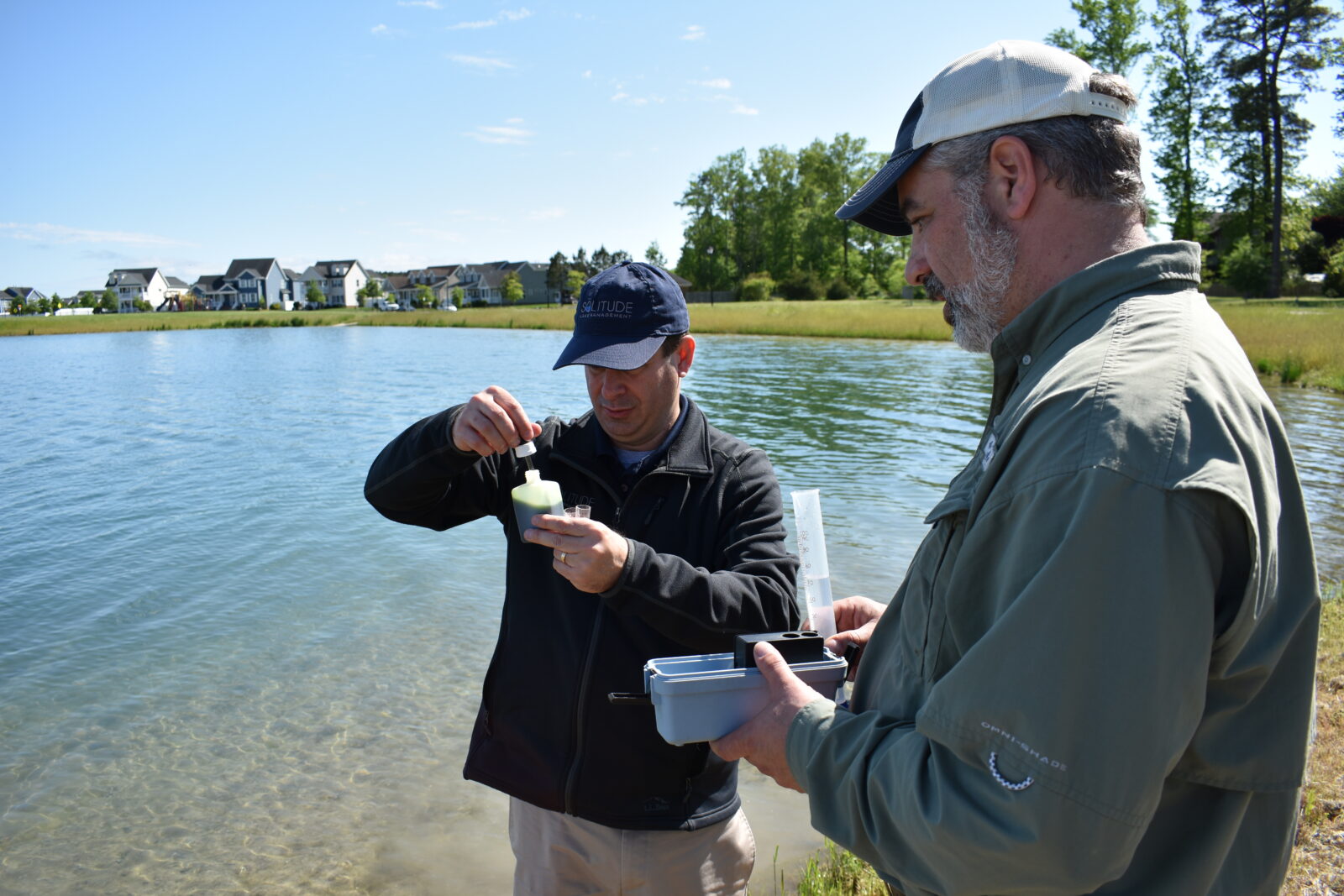
A pond can look fine from the surface while changes are happening deeper in the water. Professional testing helps identify shifts in water conditions that aren’t always easy to spot just by looking at the pond.
Professional water quality testing is designed to evaluate how different conditions interact across the pond, not just measure individual parameters. Depending on the waterbody, this may include:
- Checking oxygen levels and pH balance
- Looking at nutrient levels in the water
- Tracking changes in clarity or temperature throughout the season
- Watching for signs of runoff, poor circulation, or other shifts in conditions
A single test can provide useful insight, but water quality is rarely static. Professional monitoring over time helps identify trends, track seasonal changes, and detect early signs of imbalance before visible issues develop.
According to the U.S. Environmental Protection Agency (EPA), tracking parameters such as nutrient levels, oxygen levels, and pH can help reveal changes in water quality over time.
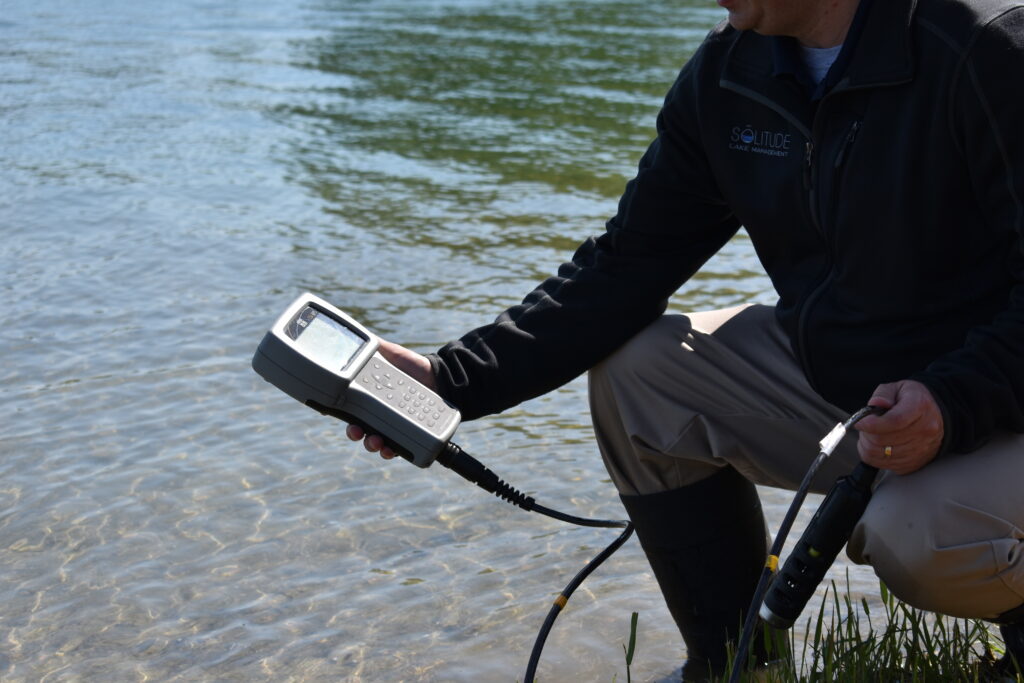
Key Indicators Evaluated During Water Quality Testing
Professional water quality testing looks at several key indicators to build a more complete picture of overall pond health. Each one gives you a piece of the overall picture and can point to changes happening below the surface.
pH Levels
pH shows whether the water is leaning more acidic or alkaline. Most ponds do best when levels stay fairly steady, since sudden swings can put stress on fish and disrupt normal biological activity.
Dissolved Oxygen
Oxygen is essential for fish and the natural bacteria that keep your pond functioning. When levels drop, it’s often a sign that the water isn’t circulating well or that excess organic material is breaking down.
Nutrient Levels (Phosphorus & Nitrogen)
Higher nutrient levels are often linked to the development of water quality issues. Excess nutrients typically enter the pond from runoff, decaying plant material, or sediment buildup at the bottom.
Water Clarity
Clarity can change for several reasons. It may indicate suspended sediment, algae growth, or runoff entering the pond after rain events.
Temperature
Water temperature plays a role in how your pond functions day to day. Warmer conditions can speed up biological activity and affect how much oxygen the water can hold.
Together, these measurements help you move beyond surface observations and better understand what your waterbody is experiencing. With this insight, experts can recommend management solutions to help combat imbalances and restore balanced water quality.
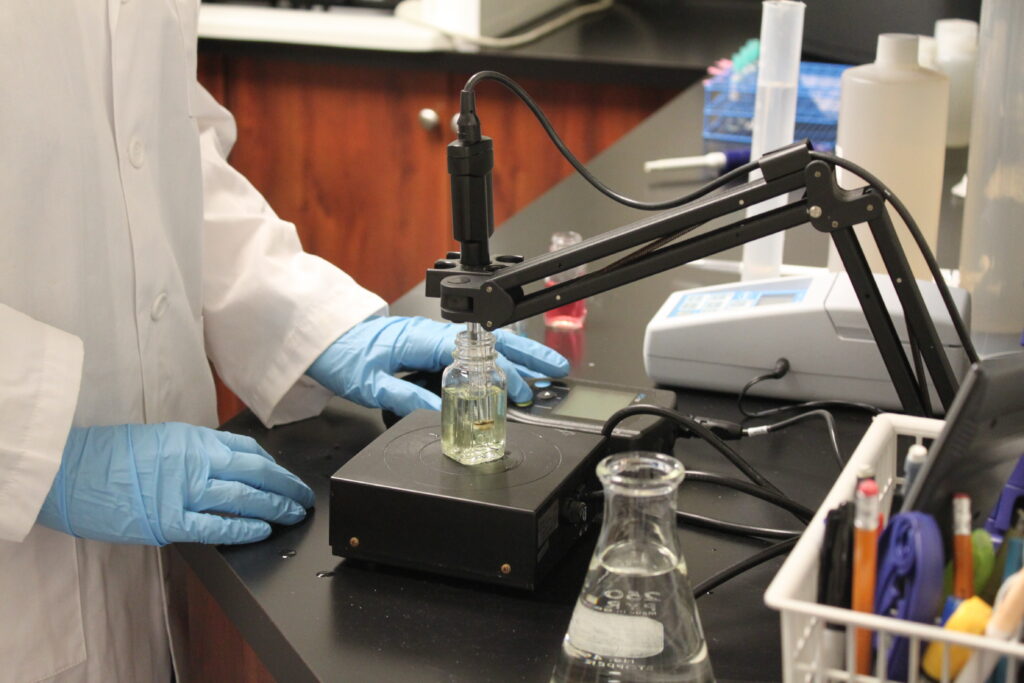
What Can Professional Water Quality Results Reveal About Your Pond?
Water quality results are most useful when they’re reviewed alongside seasonal trends, weather conditions, and what’s happening around the pond. Professional interpretation helps connect those findings to larger patterns that may be affecting long-term water quality.
For example, testing may help identify:
- Nutrient increases tied to runoff or organic buildup
- Oxygen changes linked to circulation or decomposition
- Seasonal shifts that may influence overall pond balance
Looking at results over time often provides a clearer understanding of how conditions are changing and what management strategies may be most effective moving forward.
How Professionals Test Water Quality in Ponds and Lakes
Professional water quality testing evaluates factors such as oxygen levels, pH, nutrients, and water clarity to help aquatic experts assess overall pond health and identify long-term trends. Looking at those results over time can help uncover changes that may not be obvious on the surface.
How Often Should Pond Water Be Professionally Tested?
How often a pond should be tested can vary widely depending on what the waterbody is used for, what’s happening around it, and your management goals. Many ponds benefit from seasonal testing, especially during warmer months when conditions tend to change more rapidly.
A typical monitoring schedule is often based on seasonal conditions and the needs of the waterbody. In many cases, professionals may recommend:
- Monthly: During warmer months, when biological activity tends to pick up.
- Seasonally: At a minimum—spring, summer, and fall.
- After major events: Following heavy rain, runoff, or noticeable changes in the water.
Over time, this type of monitoring provides a clearer understanding of how the pond responds to changing conditions.
Regular testing data also helps professionals make informed management decisions. If any levels look off, proactive solutions can be implemented to help mitigate more noticeable or problematic water quality issues.
What’s the Difference Between Reactive and Proactive Pond Management?
Water quality testing provides a clearer picture of what’s happening in your pond. The next step is choosing the right approach to address those conditions.
Reactive approaches (short-term improvements):
- Removing aquatic weeds or built-up organic material
- Using targeted treatments to manage visible issues
- Often used to improve appearance or restore access
Proactive approaches (long-term prevention):
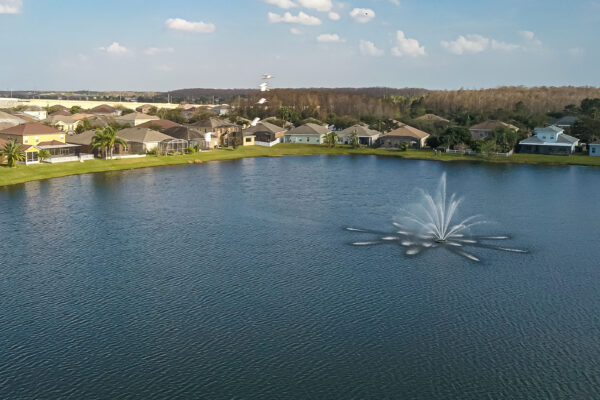
- Improving circulation and dissolved oxygen levels with tools like pond aeration systems
- Managing excess nutrients at the source through nutrient remediation strategies
- Adding shoreline buffers to help filter runoff entering the water
- Continuing to monitor and test so adjustments can be made over time
A proactive approach focuses on supporting overall water quality and ecosystem balance, helping reduce the likelihood of recurring issues.
When Is Professional Water Quality Testing Recommended?
If you’re experiencing recurring water quality concerns—or want a clearer long-term plan—professional testing can provide deeper insight.
You may consider it if:
- Water quality issues continue to return
- You’re planning improvements or long-term maintenance
Professional testing is often part of a broader strategy, such as an annual lake and pond management program, which combines monitoring with proactive solutions tailored to your goals.
How Does Water Testing Support Long-Term Pond Health?
Testing water quality isn’t just about identifying problems—it helps guide better decisions over time.
With consistent monitoring, you can:
- Identify early warning signs before issues develop
- Track changes across seasons
- Support a more balanced and sustainable aquatic environment
Over time, this approach helps shift your pond management from reactive responses to proactive, science-backed care.
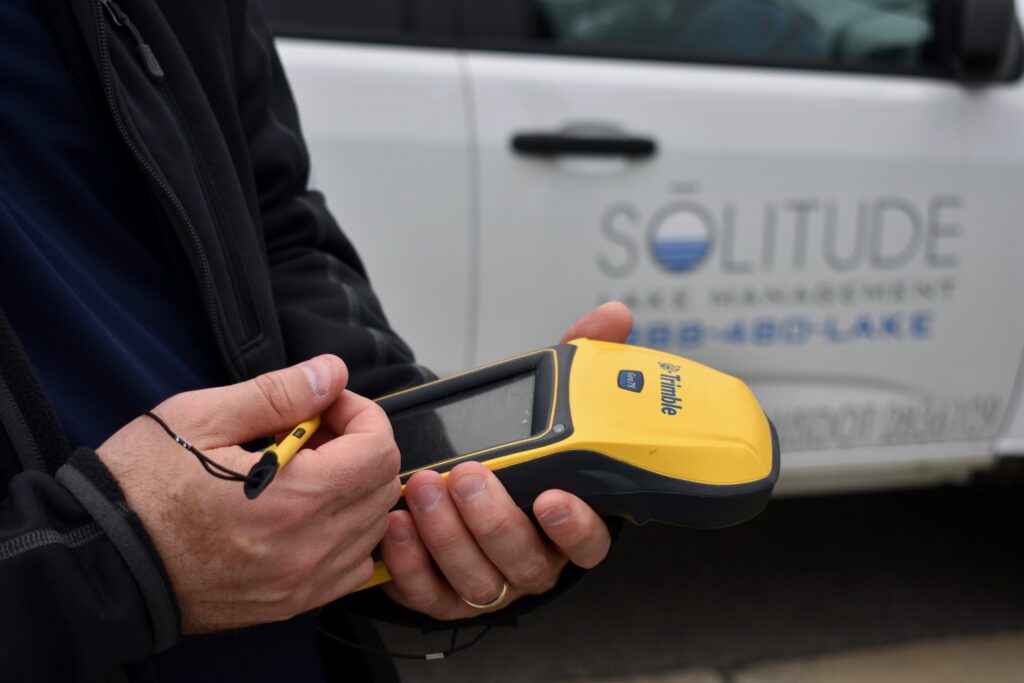
Ready to Take the Next Step?
Professional water quality testing plays an important role in supporting long-term pond health and proactive water management.
SOLitude Lake Management works with pond owners, communities, and property managers to turn water quality data into clear, science-backed management plans. From advanced testing to proactive solutions, our team helps support healthier, more balanced waterbodies over time.
Schedule a consultation today to learn how a proactive approach can support your pond or community waterbody.
Key Takeaways
- Professional water quality testing provides deeper insight into overall pond health.
- Key indicators like dissolved oxygen, nutrients, and pH can reveal underlying imbalances.
- Reviewing trends over time supports informed decision-making.
- Long-term water quality strategies focus on prevention, balance, and ecosystem health.
Watch: Lake and Pond Water Testing and How It Can Help Improve Water Quality
SOLitude Lake Management is a nationwide environmental firm committed to providing sustainable solutions that improve water quality, enhance beauty, and preserve natural resources.
SOLitude’s team of aquatic scientists specializes in developing and executing customized lake, stormwater pond, wetland, and fisheries management programs. Services include water quality testing and restoration, algae and aquatic weed control, installation and maintenance of fountains and aeration systems, shoreline erosion control, muck and sediment removal, and invasive species management. SOLitude partners with homeowners’ associations, golf courses, private landowners, businesses, and municipalities. SOLitude Lake Management is part of Rentokil, a leading business services company, operating across the United States, Canada, and Puerto Rico.
For more information, visit SOLitude Lake Management at solitudelakemanagement.com, and connect on Facebook, LinkedIn, and YouTube.