




Pond aeration doesn’t always get the credit it deserves. Though it may seem simple or outdated, it’s a proven, time-tested tool. By increasing and circulating dissolved oxygen, pond aeration supports nearly every aspect of water quality and helps form the foundation of a healthy, balanced waterbody.

How Aeration Transformed Water Quality Management
Aeration was first used in the 1950s to prevent winter fish kills. Then, in the 1960s, its use expanded as a tool to help manage eutrophication— the decline in water quality caused by an increase in nutrient levels due to the accumulation of muck, sediment, dead plant matter, and other organic materials.
The bacteria responsible for breaking down nutrient-rich materials thrive in oxygen-rich environments. When paired with other proactive solutions, pond aerators can help maintain balanced oxygen levels and slow eutrophication, promoting clearer water, reduced odors, and fewer recurring water quality issues.
Comparing Different Types of Lake and Pond Aerators
A range of aeration solutions are available in lake and pond management. In many cases, a combination of pond aerators and fountains can be used to achieve the best results by addressing both surface and deeper water conditions.
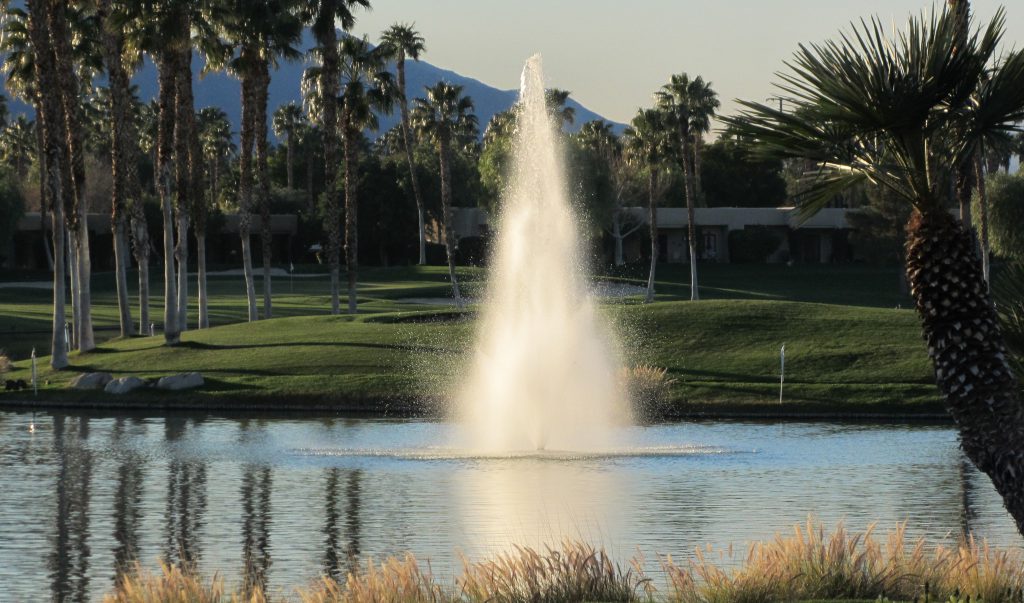
Floating Fountains:
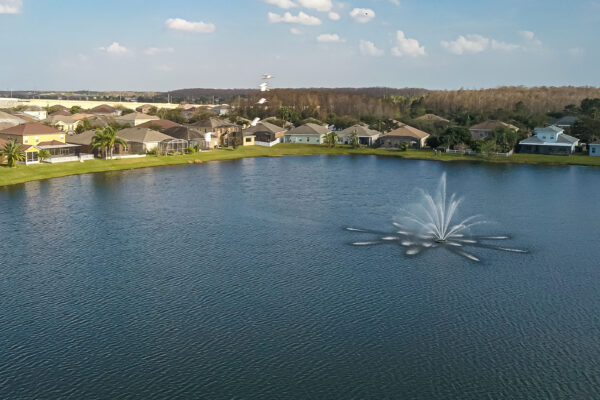
Fountains for ponds can add beauty and dimension to any waterbody with customizable spray patterns and lighting options, while also offering important functional benefits. As water falls from the air, it causes surface agitation that promotes oxygen transfer and circulation in shallow areas. These systems are most effective in depths of 4 to 6 feet.
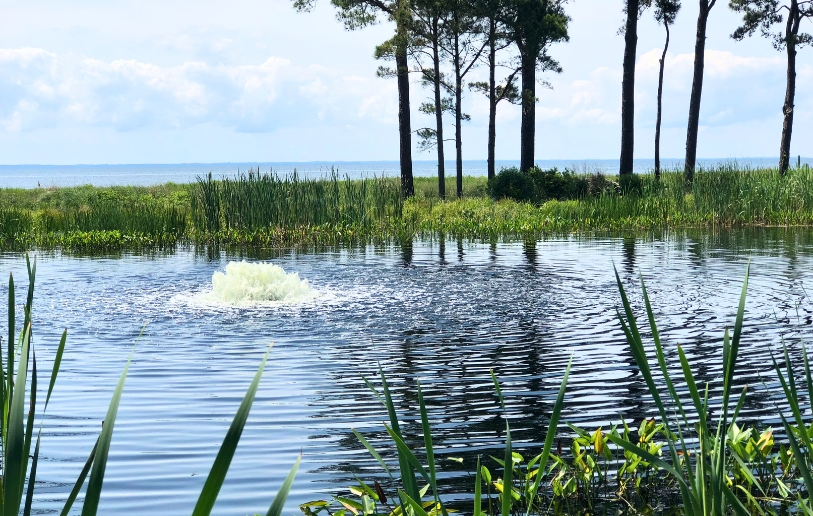
Surface Aerators:
Surface pond aerators look similar to fountains and may include decorative lighting options, but instead of graceful spray patterns, they use large, slow-moving propellers to create a boil-like flow that can inject up to 3 pounds of oxygen per horsepower per hour into the water. Surface aerators are recommended for waterbodies 4 to 8 feet deep.
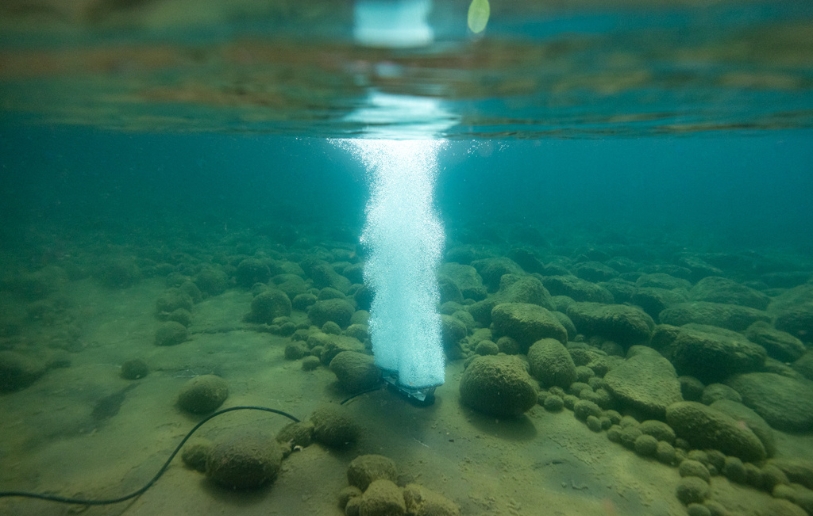
Submersed Aerators:
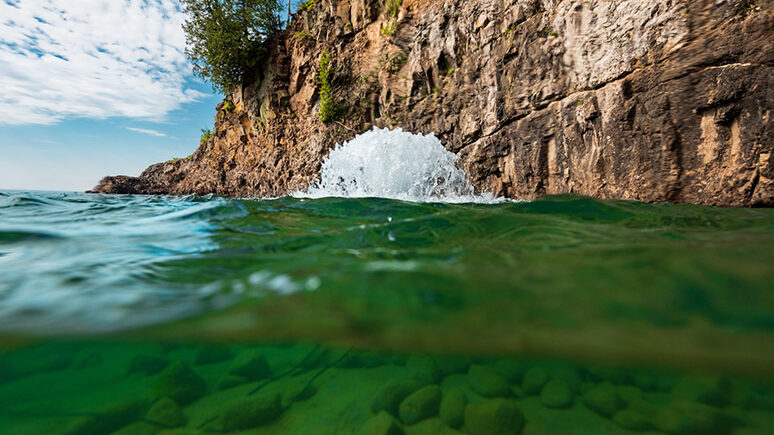
Submersed aerators use an on-shore compressor to pump air through subsurface tubing to the bottom, where diffusers release fine bubbles. As air bubbles rise, they help spread oxygen across the entire water column. Lake aeration systems, like submersed aerators, are appropriate for depths over 6 feet and are often paired with surface systems for maximum effectiveness.
How to Choose the Right Pond Aerator for Your Waterbody
Because every waterbody is different, system selection and positioning matter. Factors like size, depth, shape, and overall management objectives play a role in determining the right approach. Choosing the right pond aerator helps ensure it performs as intended and delivers the expected long-term benefits.
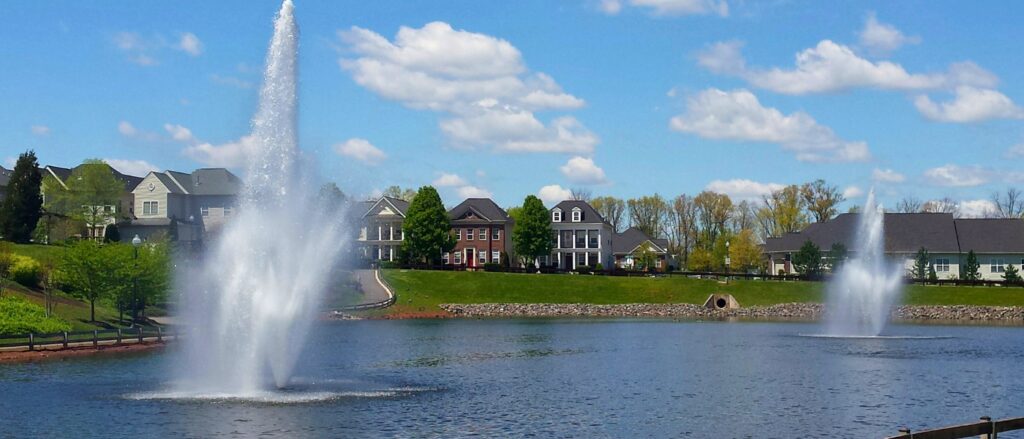
A Sustainable Approach for Long-Term Waterbody Management
From a cost perspective, pond aeration is one of the most reliable ways to help reduce long-term maintenance expenses. When water quality is balanced, waterbodies are less prone to recurring issues that often require costly reactive treatments. Rather than repeatedly addressing the same problems, pond aerators and fountains can help reduce both the frequency and intensity of interventions over time.
Just as important, aeration is one of the few management tools that works in harmony with natural processes rather than against them. This means healthier water quality from day one and a stronger, more resilient foundation for the future.
Discover the Benefits of Oxygenation
SOLitude Lake Management is a nationwide environmental firm committed to providing sustainable solutions that improve water quality, enhance beauty and preserve natural resources.
SOLitude’s team of aquatic scientists specializes in the development and execution of customized lake, stormwater pond, wetland and fisheries management programs. Services include water quality testing and restoration, algae and aquatic weed control, installation and maintenance of fountains and aeration systems, shoreline erosion control, muck and sediment removal and invasive species management. SOLitude partners with homeowners associations, golf courses, private landowners, businesses and municipalities. SOLitude Lake Management is part of Rentokil, a leading business services company, operating across the United States, Canada and Puerto Rico.
For more information, visit SOLitude Lake Management at solitudelakemanagement.com, and connect on Facebook, LinkedIn, and YouTube.