




The Root Cause Behind Most Pond Issues
Every lake and pond, no matter its size, function, or location, will experience challenges. Seasonal weather conditions, the surrounding environment, natural processes, and human activities all impact waterbody health.
It’s important to remember that most problems are interconnected and often trace back to the same underlying cause – imbalanced water quality. As such, effective long-term management programs are designed to target the source of the issue, not just mask the symptoms.
Below are some common questions we receive from waterbody owners and managers, along with details on the long-term solutions we implement to restore beauty and balance.
Why Does The Pond Smell?
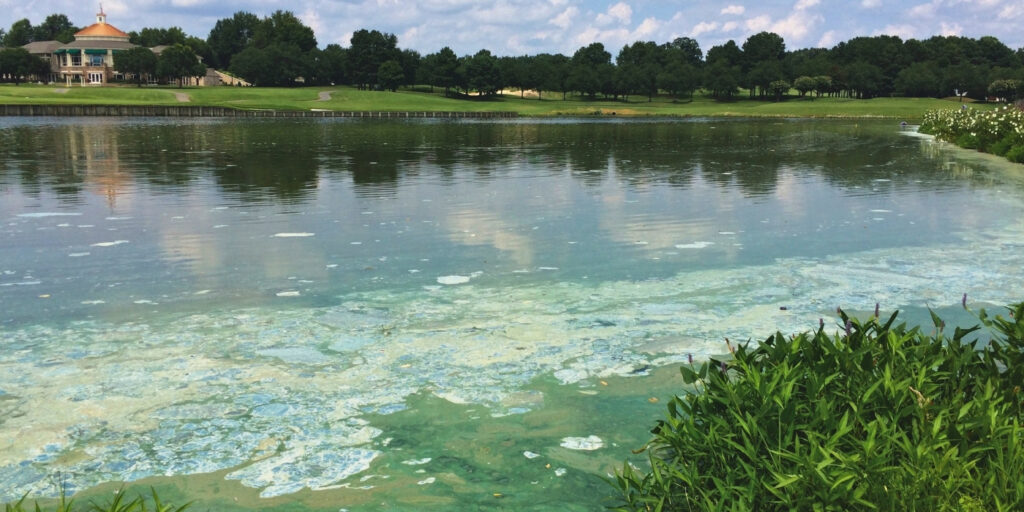
Unpleasant odors are a common concern among lake and pond owners, and is one of the clearest indicators that something is wrong below the surface. In many cases, the smell comes from a buildup of bottom muck. When leaves, algae, fish waste, and other organic materials settle at the bottom, they begin to decompose.
In a healthy pond, this process is driven by beneficial aerobic bacteria, which require dissolved oxygen to break down organic matter efficiently. However, when oxygen levels are low, anaerobic bacteria can take over. These bacteria are far less efficient and can produce a foul “rotten egg” scent.
Certain types of algae can also contribute to odor. Cyanobacteria, often referred to as blue-green algae, are known for producing a musty or septic smell. The toxins produced by cyanobacteria are associated with serious health problems, including neurological diseases, and may kill dogs and other animals.
Why Is The Pond Green?
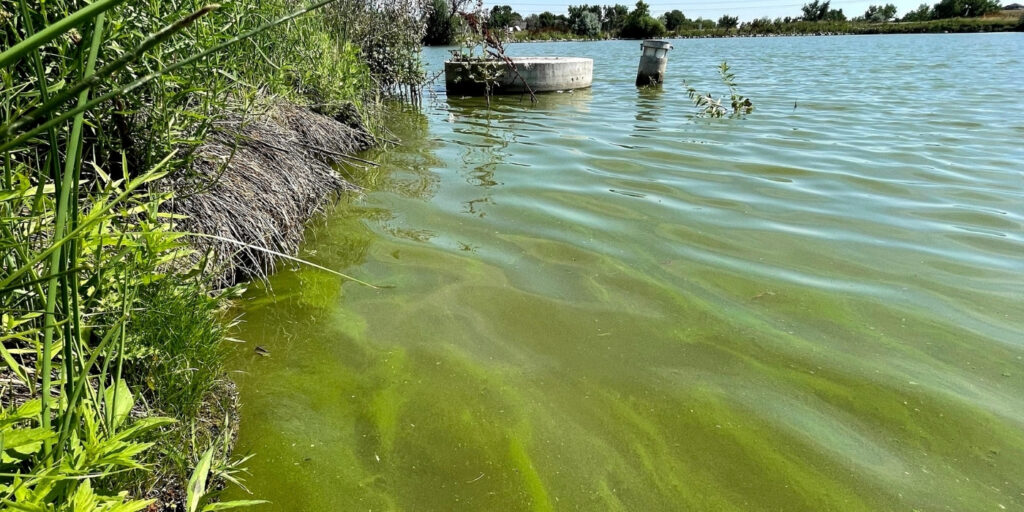
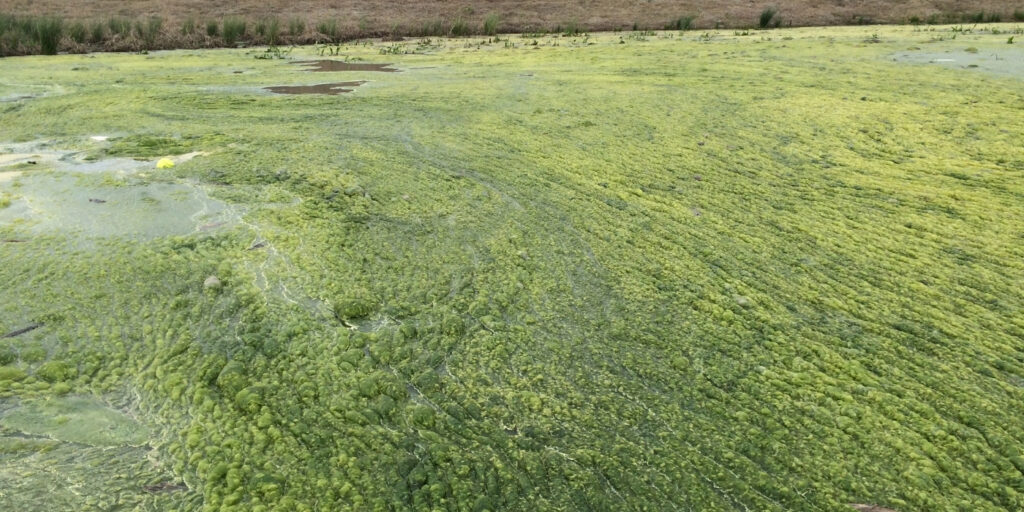
Green water is commonly a sign of algae, but not all types of algae look the same. Some forms, like filamentous algae, grow in visible mats that float on the surface. Others, like planktonic algae, are made up of microscopic cells suspended in the water column. These create a uniform green appearance.
If the water looks like spilled paint—especially with a blue-green tint—it may be a harmful cyanobacteria bloom.
In some cases, the green appearance isn’t algae at all. If submersed aquatic weeds grow densely at the bottom of a pond, they may create the illusion of green water.
Why Is There Foam On The Pond?
A foamy layer on the surface is often caused by a natural buildup of organic materials called a biofilm. It may be white, yellow, or slightly iridescent. It forms when organic compounds, such as proteins, lipids, and terpenes accumulate on the water’s surface. Sources of these compounds include:
- Leaves and debris from nearby trees
- Decomposing organic matter
- Fish feed or waste
- Certain algae species
Biofilms are especially common in the spring and fall, when organic material is more abundant. They may also appear after a fish kill, when decomposition increases rapidly. Biofilms are not inherently harmful and typically clear up on their own.
Why Is The Pond Flooding?
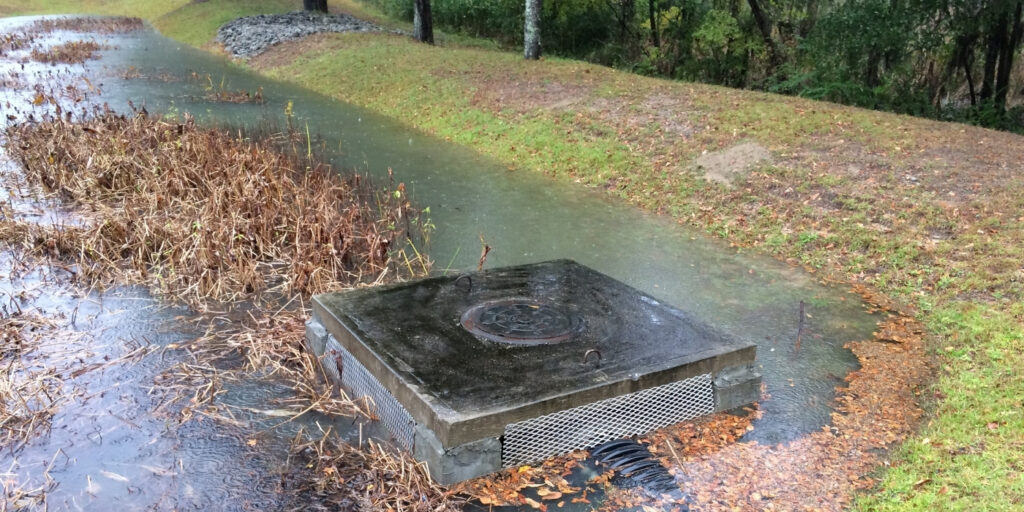
Most ponds in urban areas are man-made specifically to collect stormwater runoff when it rains. They are designed with a specific depth and volume, as well as important equipment to collect, filter, and release water.
Over time, however, eroded sediment, decaying plants, and other debris accumulate at the bottom. As organic matter builds up, it reduces the pond’s depth and limits how much water it can retain. If this material is left to accumulate, it forms a layer of muck that releases nutrients into the water, encouraging new algae and weed growth. When those plants die, they add to the buildup, creating a cycle that continues to worsen over time.
Without intervention, dredging may become the last available option to remove the build-up and restore the waterbody to its original depth and volume. Dredging is one of the most expensive projects a pond owner will ever face and should be prolonged at all costs. To minimize muck accumulation and delay the need for dredging, consider ecosystem restoration solutions that target and process nutrient-rich muck at the pond bottom.
Flooding may also occur when stormwater structures become blocked. Trash and debris like sticks and plastic grocery bags can prevent water from draining properly, especially during heavy rain events.
The Role of Rapid Fixes
When a pond issue arises, fast-acting solutions can provide immediate relief.
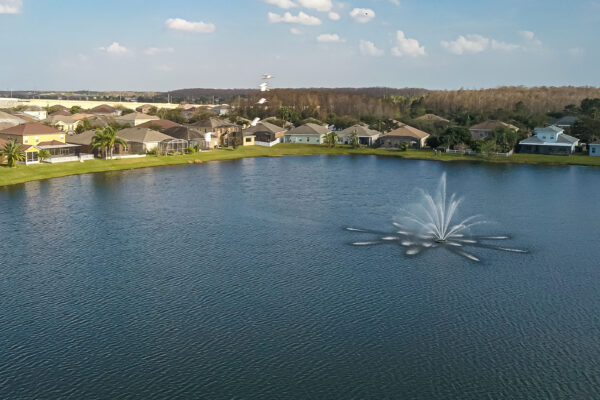
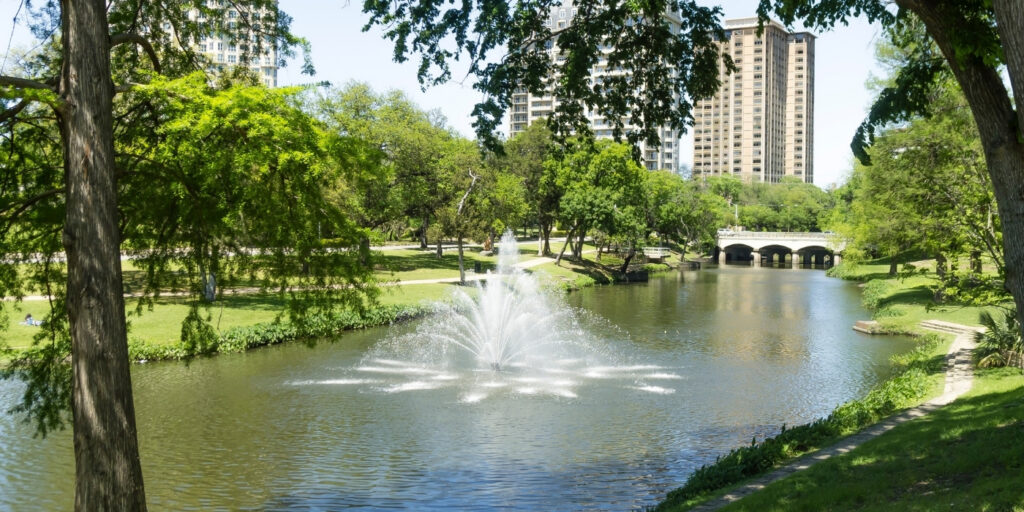
For example, fountains and aeration systems can help push biofilm or cyanobacteria toward a pond’s edges, where they are less visible. Herbicides and algaecides quickly kill off nuisance weeds and algae.
These are valuable tools when conditions need to be addressed quickly, such as when an invasive plant species has been identified. However, the results are typically short-lived, and the pond will return to its previous state if the root cause remains unaddressed. Often, the root cause is directly associated with imbalanced water quality.
The Importance of Long-Term Solutions
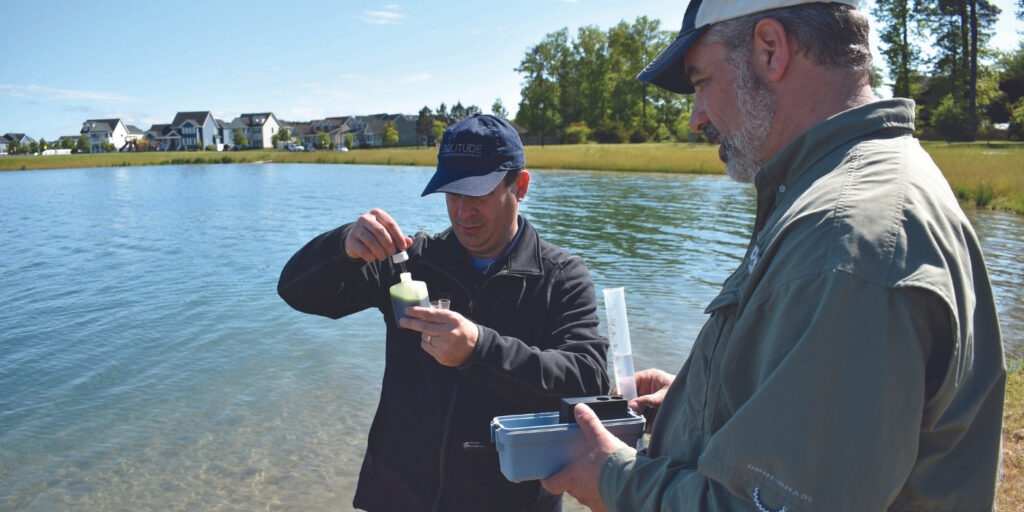
The most effective way to manage a pond is to prevent problems before they start. Proactive maintenance and regular water quality monitoring allow Aquatic Experts to assess a pond’s health and pinpoint issues before they become noticeable.
Preventative strategies not only protect the balance and appearance of the pond but also minimize the need for more inconvenient and costly interventions later on. Most ongoing management plans incorporate a variety of strategies that are tailored to the specific needs and goals of the particular waterbody.
Reactive fixes can appear less expensive upfront, but costs tend to escalate over time. A proactive program can help keep costs more predictable by maintaining balance through consistent management and early intervention.
How to Achieve Clean, Healthy Ponds
SOLitude Lake Management is a nationwide environmental firm committed to providing sustainable solutions that improve water quality, enhance beauty and preserve natural resources.
SOLitude’s team of aquatic scientists specializes in the development and execution of customized lake, stormwater pond, wetland and fisheries management programs. Services include water quality testing and restoration, algae and aquatic weed control, installation and maintenance of fountains and aeration systems, shoreline erosion control, muck and sediment removal and invasive species management. SOLitude partners with homeowners associations, golf courses, private landowners, businesses and municipalities. SOLitude Lake Management is part of Rentokil, a leading business services company, operating across the United States, Canada and Puerto Rico.
For more information, visit SOLitude Lake Management at solitudelakemanagement.com, and connect on Facebook, LinkedIn, and YouTube.