



The Importance of Properly-Sized Lake and Pond Aeration
September 7th, 2017
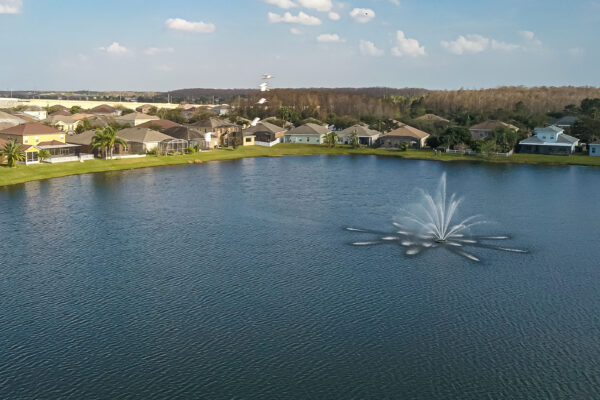
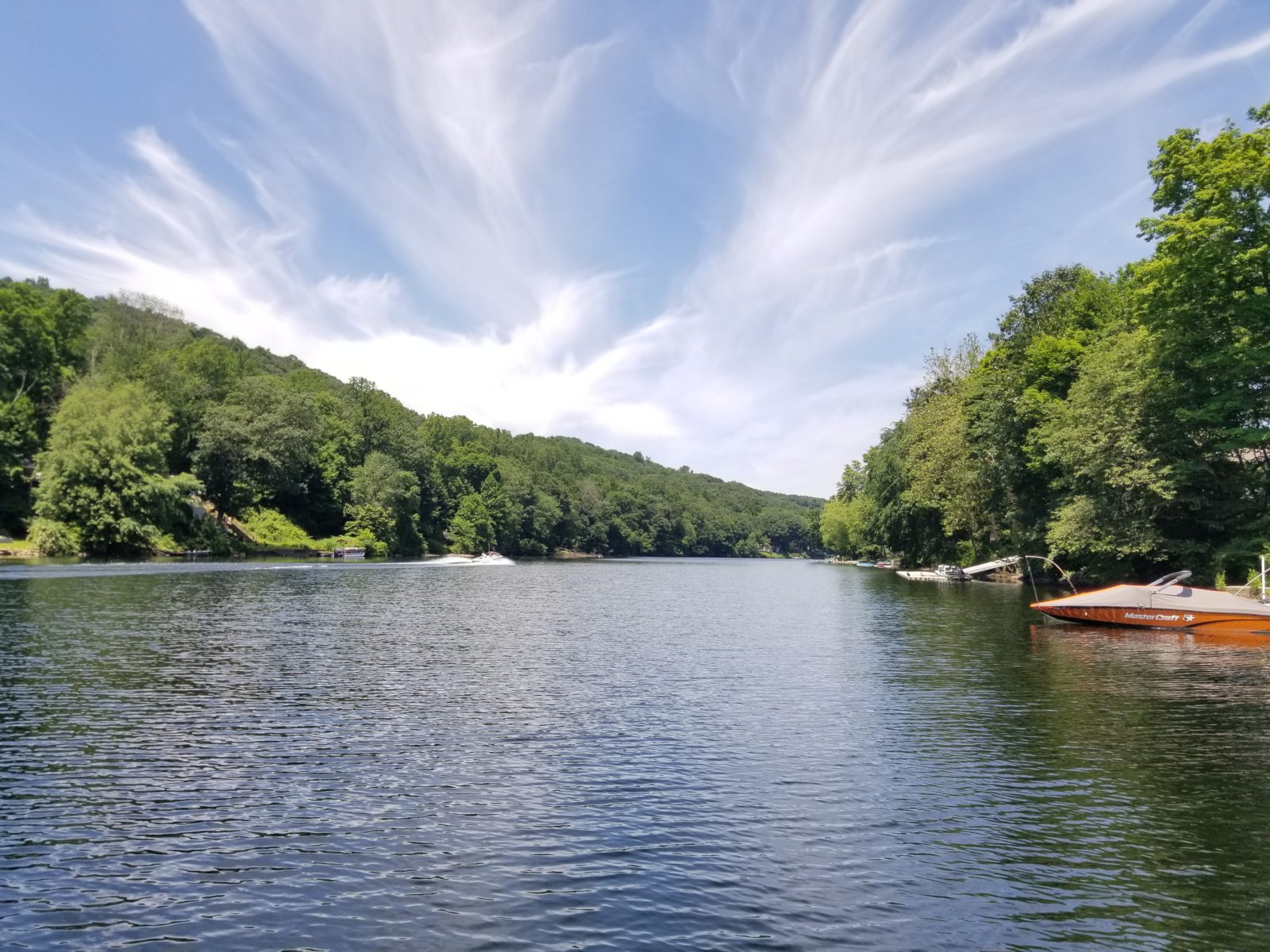
Written by Industry Expert Kyle Finerfrock, Environmental Scientist One of the great tools in a lake or pond manager’s tool box is the use of floating and subsurface aeration systems in a waterbody. Aeration is the mixing of water in a lake or pond to increase exposure to the atmosphere and decrease harmful gases like […]
Debunking Myths: A Professional’s Take on Herbicides and Algaecides
August 29th, 2017
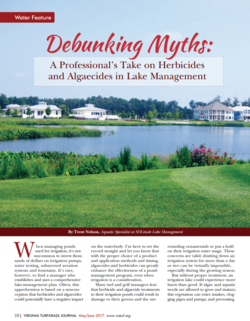
AS SEEN IN Virginia Turfgrass: Written by Industry Expert Trent Nelson, Aquatic Specialist It’s not uncommon for irrigation pond managers to invest thousands on irrigation pumps, water quality tests, beneficial submersed aeration systems, and floating fountains, but it’s rare to find a manager who establishes and uses a comprehensive lake management plan. Often times, this […]
The Benefits of Stocking All Female Largemouth Bass
August 3rd, 2017
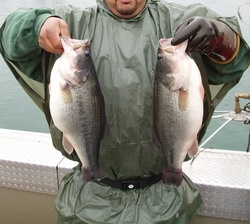
Written by Industry Expert Dr. Vic DiCenzo, Fisheries Biologist There are approximately 4.5 million lakes and ponds in the United States, and many of these waterbodies are utilized for recreational fishing. Anglers often have wide ranging objectives for their fishing experience, including catching fish to eat, catching and releasing a variety of fish for sport, […]
Ponder These Thoughts – Summer Pond Management Tips
July 24th, 2017
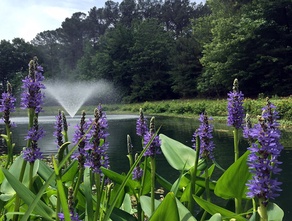
SOLitude Lake Management wants your lake or pond to be prepared for warm weather. With this in mind, we recommend that you consider the following during the summer months: • Warm summer weather seems to bring out the best and the worst in ponds. Although pond algae and aquatic weeds seem to be more abundant […]
6 Tips to Prevent Summer Fish Kills & Improving Pond Water Quality
July 20th, 2017
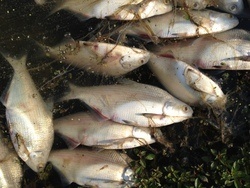
Hot summer temperatures can put a strain on aquatic environments and often push animals, such as fish, to their limits. As temperatures increase, so does the possibility of a fish kill. When a fish kill is discovered, it’s common for communities to fear the worst – from chemical spills to foul play. However, most fish […]
Hydro-raking: A Lakefront Management Tool
June 26th, 2017
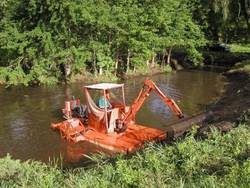
Written by Industry Expert Emily Walsh, Environmental Scientist “Cowabunga!!” shouts Jimmy as he splashes in the crystal refreshing water and laughs to his friends to the side of the rope swing. “Come on in, lunch is ready!” yells mom as she smiles happily at the thought of the memories currently in the making. Ten years later […]
The Importance of Monitoring Before Active Lake and Pond Management
June 8th, 2017
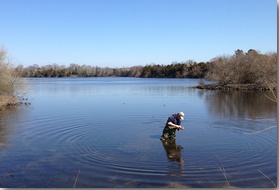
Written by Industry Expert Brea Arvidson, Aquatic Biologist Natural or man-made, big or small, freshwater lakes and ponds are all aquatic ecosystems that serve an important role in our environment. So, they’re all the same? Water is water, right? Not quite. The individual characteristics, uses and management goals can vary drastically from waterbody to waterbody. […]
Tips To Reduce Mosquitoes & Disease In Your Community
May 25th, 2017
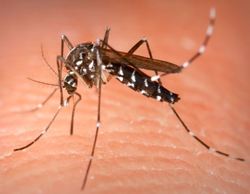
Memorial Day marked the unofficial beginning of summer—and the onset of mosquito season. Cold-blooded mosquitoes thrive in balmy temperatures and can get dangerously out of hand without proper management. To limit the impact of mosquitoes during summer travel and activities, SOLitude Lake Management, an industry leader in lake and pond management, fisheries management and related […]
Invasive Species Highlight: Hydrilla
May 23rd, 2017
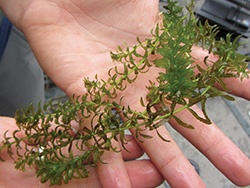
Written by Industry Expert, Emily Mayer, Aquatic Biologist Hydrilla (Hydrilla verticillata) is a highly invasive aquatic plant that is plaguing freshwater ecosystems in the US, particularly in the South, Southeast, Mid-Atlantic and (most recently) the Northeast. Hydrilla has several distinguishing characteristics. Its small leaves are arranged in whorls of three to eight, and these leaves […]
The Stages of Lake and Pond Succession
March 1st, 2017
Topics:
Pond Management Best Practices
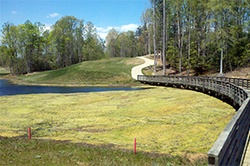
Written by Industry Expert Paul Conti, Environmental Scientist Like any ecosystem, lakes and ponds naturally change over time through succession. As many outside inputs accumulate, changes in water chemistry, sediment makeup, and organism presence occurs. The aging of a lake or pond is a natural process, but can be highly accelerated through human activity and […]