




Are Zebra Mussels Harmful?
October 4th, 2018
Topics:
Invasive Species
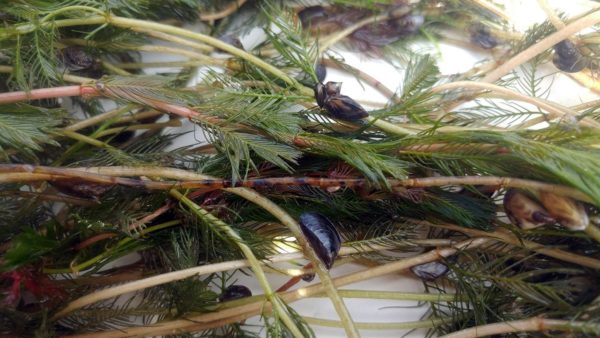
Written by Industry Expert Bob Schindler, Aquatic Biologist Ecological impacts, habitat distinctions, and sustainable management options for Zebra and Quagga mussels in freshwater environments Widespread occurrences of both Zebra mussels (Dreissena polymorpha) and Quagga mussels (D. rostriformis bugensis) have been well documented since their initial confirmation within the Great Lakes during 1986 and 1991, respectively. […]
Misconceptions About Lake & Pond Nutrients: What’s The True Story?
October 1st, 2018
Written by Erin Stewart, Territory Leader & Aquatic Biologist Nutrients are required for all living things to survive. They are metabolized for energy or fuel so organisms can develop and grow. The nutrients humans and animals need are provided by the food we eat. When food is consumed and digested, it provides the fuel to synthesize […]
Hydro-raking 101: FAQs About Restoring Water & Prolonging Dredging
September 25th, 2018
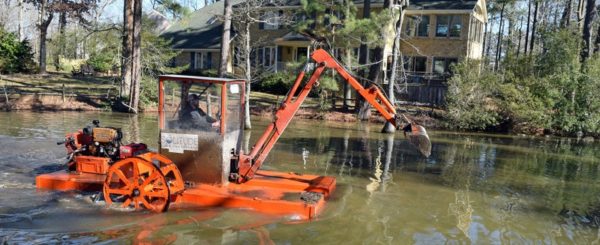
Everything ages with time. When it comes to your lake or pond, time can take a toll on its health and functionality. Over the lifespan of your waterbody, sediment and organic matter will accumulate, nuisance plants will flourish, water quality will diminish and water depth will decrease. Luckily, you can reverse the aging process and […]
SOLitude Team Members Serve in Volunteer Leadership Roles
September 17th, 2018
Topics:
SOLitude News
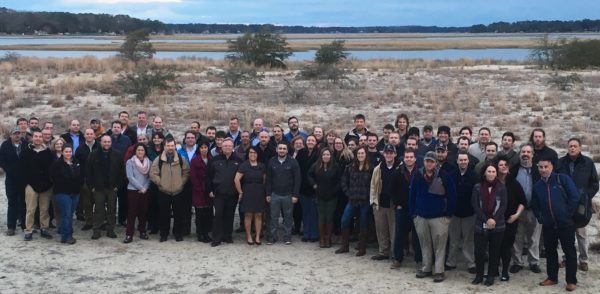
SOLitude Lake Management, an industry leader in lake and pond management, fisheries management and related environmental services for the United States, is proud to recognize several team members for their new or recurring volunteer leadership roles within many industry organizations. SOLitude employs some of the most experienced and well-connected professionals in the aquatics industry who […]
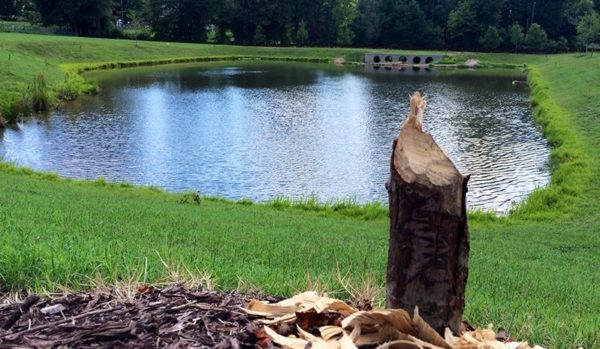
Mischievous Mammals: Are Muskrats, Beavers & Otters Harmful to Ponds?
September 10th, 2018
Topics:
Aquatics in Brief Newsletters
Written by Industry Expert Gavin Ferris, Ecologist As an ecologist, I field questions on topics ranging from the lifespan of a tadpole to the best way to defend koi against the ravages of a great blue heron. Of all the animals I am asked about, however, three mammals probably produce the most concern and curiosity: […]
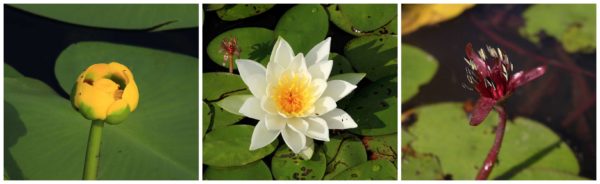
Common Nuisance & Invasive Plants You May Be Mistaking for Waterlilies
September 4th, 2018
Yellow waterlily, white waterlily and watershield can play important roles in aquatic ecosystems when managed properly. When you look out at your lake or pond, you may see some floating, broad-leaved plant species. The most common native species with floating leaves are yellow waterlily (Nuphar variegata), white waterlily (Nymphaea odorata) and watershield (Brasenia schreberi). Depending […]
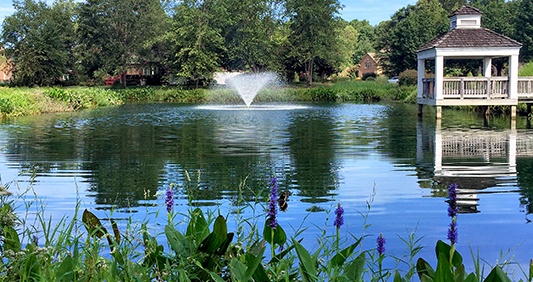
FAQ: Frequently Asked Pond Questions
August 27th, 2018
Whether your waterbody is a stormwater management facility constructed for nutrient removal and flood mitigation, an irrigation or livestock pond, or an amenity feature created for recreation, there are many ecological problems that can affect the health and appearance of the pond and its suitability for the intended water use. Below are answers to some […]
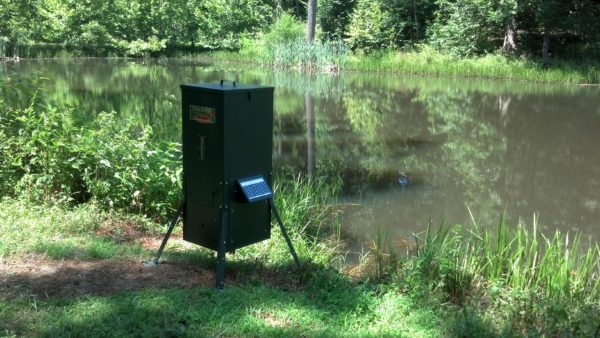
Managing a Fishery to Avoid Excess Phosphorus Levels
August 20th, 2018
Topics:
Fisheries Management
Written by Industry Expert Dave Beasley, Fisheries Biologist and Director of Fisheries As you may know, phosphorus is a nutrient that helps fuel the growth of aquatic plants and algae. The amount of phosphorus that waterbody owners and managers want or tolerate will vary significantly depending on goals. For example, a community manager seeking clear […]
Invasive Species Highlight: Water Chestnut
August 6th, 2018
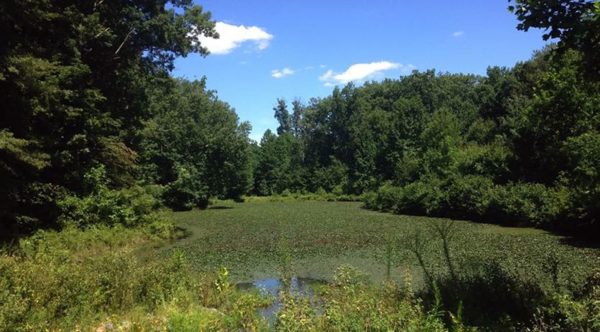
Water chestnut has invaded waterways from Canada to Virginia along the East Coast since its introduction in the 1870s. Water chestnut can be identified by its triangular serrated floating leaves arranged in a rosette pattern, radiating from a central stalk. The stalk is rooted to the bottom substrate and covered in feathery submersed leaves. These […]
Fertilizer in Your Pond: Managing Nutrients to Change the Game
August 1st, 2018
Written by Industry Expert Matthew Ward, Fisheries Biologist If you own or manage a body of water long enough, you will experience invasive vegetation and algae growth. This growth can be associated with bad smells and dead fish, converting an otherwise pristine waterbody into an ugly mess. Often, a manager’s first reaction is to identify […]